Key Highlights
-
The main plug types in Morocco are type C and type E.
-
In Morocco, the voltage is 230V, and the frequency is 50Hz. This is not the same as the 120V used in Canada.
-
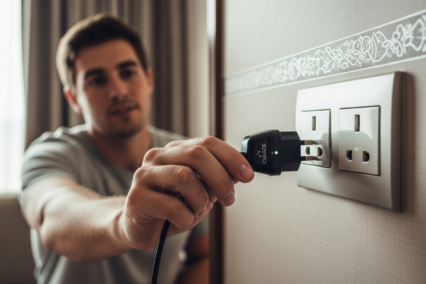
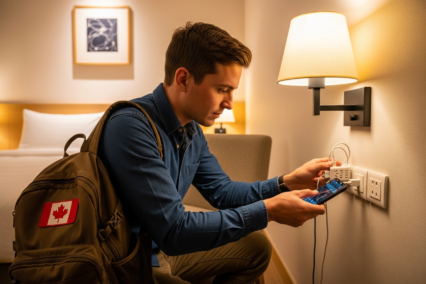
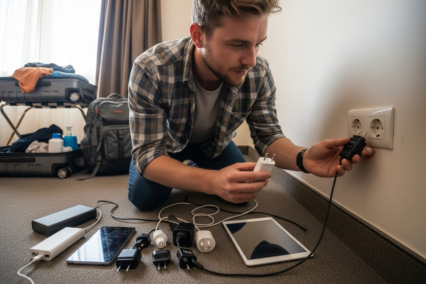
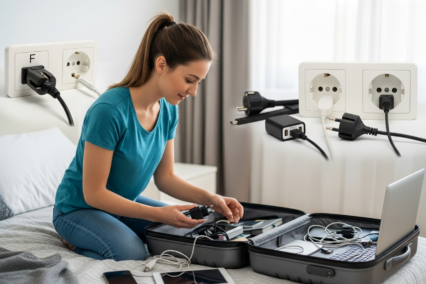
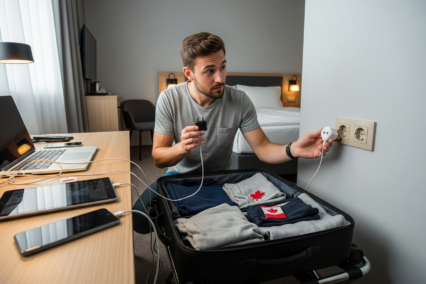
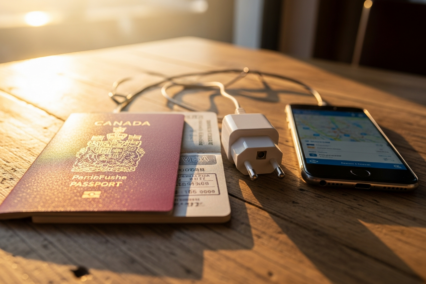
If you are from Canada, you will need plug adaptors for your devices to fit into a Moroccan plug.
-
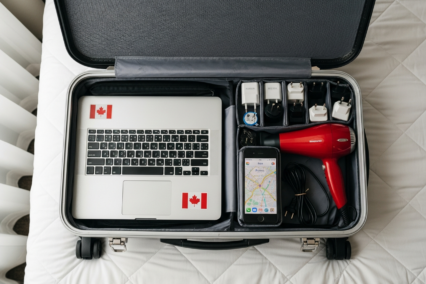
You might also need a voltage converter if your Canadian electronics are not dual-voltage. Check your items before you leave to see what you need.
-
Many new devices now are dual-voltage. For these, you only need a travel adapter, not a voltage converter.
-
To make things easier, get the right adapter before you travel.
Introduction
Are you planning an amazing trip to Morocco? As you get ready to explore busy markets and beautiful places, do not forget something very important. You need to think about how you will keep your devices charged. To stay connected, you should know about Morocco’s electrical system. Learn about plug types and socket options. These can be different in Morocco. This guide shows you all you need to know about a Morocco plug, socket, and the outlets you will use. That way, your phone, camera, and other gadgets will be ready for your whole trip.
Understanding Moroccan Electrical Outlets
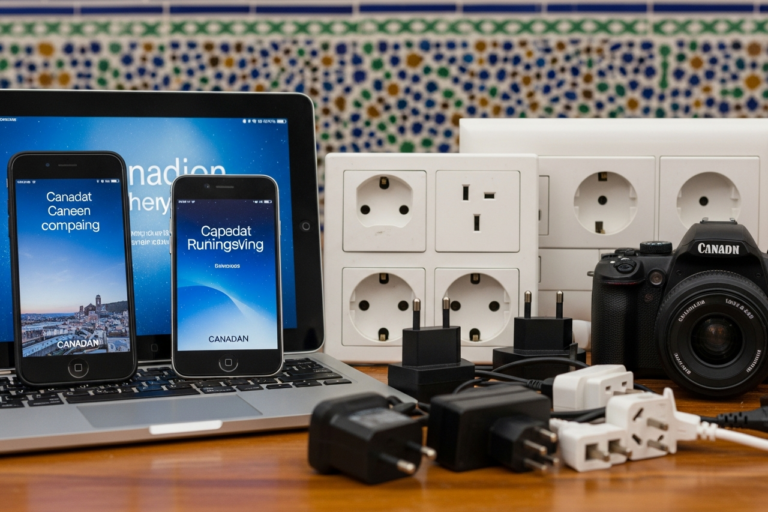
When you travel to Morocco, you will see that the plug types in their walls are not the same as the ones at home in Canada. In Morocco, the country uses two main plug types. These are called Type C and Type E. Each of these sockets has round pins, not the flat prongs like the ones in North America.
Because of this, your Canadian plug will not fit in a Moroccan socket. You need to have something to help connect your plug, so your devices will work in Morocco. Let’s look at what type c and type e mean for your gadgets. These plug types matter, and their round pins mean you must be ready before you go.
Common plug types found in Morocco (Type C & E)
The electrical outlets in Morocco are Type C and Type E. These plug types are also found in France and many parts of Europe. Type C plugs have two round pins and are not grounded. Type E plugs also have two round pins, plus an extra spot for a grounding pin.
For people from Canada, your devices use Type A or Type B plugs. These are not the same as the plug types in Morocco. You will mostly see Type C and Type E there. However, Type E sockets are made to work with both Type C and Type E plugs. This gives you more options.
Once you have the right adapter, your power supply will be steady and safe for your devices. Knowing about plug types in Morocco, like type C and type E with their round pins, helps you get ready to use your electronics without trouble. Just make sure you bring an adapter for your plug.
Appearance and layout of Moroccan power sockets
A Moroccan power socket is often set into the wall. The Type E socket is very common. It has two round holes for live and neutral pins. There is also a male pin that comes out of the socket for the earth connection. This is an important safety feature.
The Type C socket is simpler. It is a shallow outlet with just two round holes and does not have an earth connection. While you can see these sometimes, Type E sockets are seen more often, especially in new buildings.
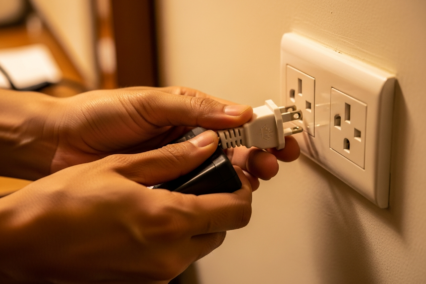
When you use a plug that matches, the round pins fit firmly into the socket. This gives a secure power supply. The design makes sure that items with a ground are safely earthed, which helps keep things safe. If you want to use your Canadian plug, you need an adapter. This is because the pin shape and setup are different.
Voltage and Frequency in Morocco
Besides the shape of the plug, the supply voltage and how the electricity works also matter. In Morocco, the supply voltage is 230V with a frequency of 50Hz. Canada uses a much lower 120V and has a frequency of 60Hz.
This is something you need to know before you use your electrical appliance. If you plug a Canadian appliance into an outlet in Morocco, it could get damaged. Next, we will talk about what this means for your gadgets. We will also show you how to check if your appliance is safe to use in a new place.
Typical voltage used across Morocco
The standard supply voltage throughout Morocco is 230 volts, with a frequency of 50 hertz (Hz). This standard is consistent across the country, from major cities like Marrakech and Casablanca to more rural areas. This uniformity simplifies things, as you won’t need to worry about different voltages as you travel within Morocco.
This voltage is significantly higher than the 120V used in Canada. For an electrical appliance to work correctly, it must be compatible with the local voltage. Using a device rated only for 120V in an outlet providing 230V can overload it, leading to overheating or permanent damage. Therefore, checking your device’s voltage rating is essential for its normal operation.
Here’s a quick comparison to help you understand the difference:
|
Country |
Voltage |
Frequency |
|---|---|---|
|
Morocco |
230V |
50Hz |
|
Canada |
120V |
60Hz |
What this means for Canadian devices and dual-voltage appliances
Because the voltage in Morocco is much higher, you need to check if your Canadian devices are safe to use there before you plug them in. Look for the voltage information on your electrical appliance. It is usually printed on the bottom of the device or on the power cord. You may see something like “INPUT: 100-240V, 50/60Hz.” If you see this, your device is dual voltage.
Most new gadgets, like laptops, cameras, and smartphones, are dual voltage. This is good, because they can handle both Canadian and Moroccan voltage with no problems. For these, you only need a plug adapter to make the plug fit the Moroccan socket.
But if your electrical appliance is single voltage and says “INPUT: 120V,” like some hair dryers or shavers, you should not plug it into a socket in Morocco, even with an adapter. If you do, you could damage your appliance. For these, you will need a voltage converter.
Travel Adapters and Converters for Canadians
Now that you know about plug shapes and voltage, let’s talk about the things you’ll need. Most people from Canada will only need a simple travel plug adapter. The adapter doesn’t change the voltage. It just helps your Canadian plug fit in the Moroccan socket.
But sometimes, you may need a voltage converter or transformer. These are not the same as plug adaptors. A converter or transformer changes how much electricity you get. Here is what you should know to pick the best adapter or when you may need to use a more powerful converter.
Choosing the right adapter for Moroccan outlets
Yes, you will need a travel adapter for your Canadian devices in Morocco. The outlets in Morocco use plug types Type C and Type E. You can’t use your Canadian plugs, which are Type A and Type B, without an adapter. You need to get an adapter that works with your flat-pronged plug and has round pins for the Moroccan sockets.
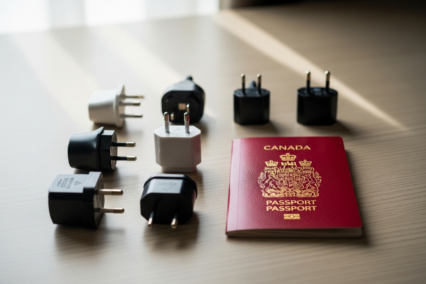
When you pick your plug adaptors, you have a few options. You can buy a separate travel adaptor made for Type C and Type E plug types. You can also buy a universal adapter. Universal adapters are good because they work with plug types all around the world. This can help you on more trips in the future.
There are some things to check when you choose an adapter:
-
Compatibility: Make sure the adapter is made for plug types Type C and Type E.
-
Grounded vs. Ungrounded: If your device has three prongs, you should get a grounded adapter for safety.
-
Size and Portability: One compact adapter is easier to pack than a lot of different types of travel adaptors.
-
USB Ports: Some new travel adaptors have USB ports. With these, you can charge more than one device at a time.
When you’ll need a voltage converter or transformer
You will need a voltage converter or transformer if you want to take a Canadian electronic device to Morocco that is not dual voltage. This means for things that are made to use only 120V. Some examples of this are older hair tools, a few electric razors, and kitchen appliances you may want to pack.
A voltage converter changes Morocco’s 230V power to the 120V your single-voltage appliance needs. Without this converter, the higher voltage there could break your device. Always look at the label on your electronics. If you do not see “100-240V,” you have to get a converter.
Most travellers do not need a voltage converter. Phones, laptops, and many new items are already dual voltage. If you end up needing a converter, check if it works with the wattage your appliance uses. For items that use a lot of power, like hair dryers, you might need a stronger transformer. At the end of the day, it may just be easier to not pack these and buy a cheap one when you arrive.
Using Electronics Safely in Morocco
Your safety and keeping your electronics safe is most important. When you use an electrical appliance in another country, you need to be careful. Even if you have the right adapter, you must watch out for changes in the power supply. This will help you stay safe and protect your appliance from harm.
First, you need to make sure your device can handle the local voltage. Also, use the correct socket adapter so your appliances work well. If you follow some simple steps, you can charge or use your electronics with no worries. We will share some useful tips to help keep everything working as it should.
Guidelines for charging phones, laptops, and other devices
Charging your phone, laptop, or camera in Morocco is easy if you bring the right things with you. The good thing is that most new devices are dual voltage. They can handle the 230V supply voltage in Morocco without any trouble.
First, check the power brick of your device. Look for words like “INPUT: 100-240V.” This will tell you if it is dual voltage. If it is, you only need to get plug adaptors for Type C or E sockets. Plug your Canadian charger into the adapter, then put it in the wall socket. Your device will charge just like it does at home.
Make sure to unplug your chargers when you are not using them. This helps save energy. It also keeps your electrical appliance safe from power surges that may happen sometimes. You should not use too many high-power items in one plug or socket at the same time. This keeps all your gadgets and appliance safe to use in Morocco.
Tips for safely using Canadian electronics without damage
To make sure your trip to Morocco goes well, there are some things to keep in mind. You do not want to wreck your electrical appliance. The biggest risk is when you plug a single voltage Canadian appliance into a 230V power supply. This can burn out your gadget, so be careful.
Before you plug in anything, look at the voltage on your device. Try to check if it is a dual voltage appliance. If it’s not dual voltage, use a good voltage converter. Always use high-quality plug adaptors so you get a tight and safe fit. A loose adapter is more than just a problem—it can be a fire risk. You need to use the right plug and plug adaptor every time.
Here are some easy tips for electronic safety in Morocco:
-
Verify Voltage: Always look for “100-240V” on your electrical appliance before you plug it in to a socket.
-
Use a Converter for 120V Devices: If your appliance is single voltage, you need a voltage converter.
-
Consider a Surge Protector: Use a travel surge protector for your valuable devices, so you get some safety against power changes.
-
Don’t Overload Outlets: Try not to plug more than one or two things into any socket, even if you use a multi-adapter. It keeps everything safe.
With these tips, you can use your power supply and devices well and not worry about burning out your plug or adapter.
Purchasing Power Adapters for Morocco
The best way to have a good start to your trip is to buy the right power adapter before you leave Canada. While you can get one in Morocco, it’s better to pack your adapter so you do not have to worry when you arrive.
It is helpful to know where you can buy the correct plug types for travel adaptors used in Morocco. This will help you save both time and stress. You can get travel adaptors at many places, like travel shops or large websites. The next part will talk about the best places to buy a plug or adapter in Canada. We will also look at if you should count on your hotel to give you one.
Best places to buy Moroccan travel adapters in Canada
Yes, you can get power adapters for Morocco in many places. They are easy to find in Canada, both online and in stores. You do not need to look for a “Moroccan adapter.” Look for an adapter that fits European plug types C and E. This plug type works in Morocco and is the one most travel adaptors are made for.
Online sellers like Amazon are a good place to find what you need. They sell many types of travel adaptors. You will see simple ones with one plug and also bigger universal ones with USB plugs. You can also read what other people say in reviews. That helps you pick an adapter that is good and will work well.
If you like to buy things in person, adapters are also sold in many stores in Canada. Here are some places you can try:
-
Electronics Stores: Shops like Best Buy and The Source have a section just for travel, where you can find plug adaptors.
-
Luggage Stores: Stores that sell travel gear also sell lots of plug adaptors, so you can get a plug that is right for Morocco.
-
Major Department Stores: Look for adaptors in the electronics or travel section at big stores like Hudson’s Bay.
-
Airport Shops: If you forget and are at the airport, you can always find an adapter there. It might cost a bit more, but they usually have the plug types you need if you are in a hurry.
When you go to Morocco
Should you rely on hotel-provided adapters in Morocco?
Some big hotels and fancy riads in Morocco might give out power adapters for their guests to use. But you should not count on this service. The supply of adapters can be small, and sometimes, all of them could be with other guests. You may get there and find there are no adapters left for you.
Depending on your hotel means you can’t get a plug when you need it outside your room. If you want to charge your phone in a café or power up your camera at the airport, you must bring your own adapter. Taking your own travel adaptors with you lets you use the power supply anywhere and anytime you want.
Bringing a good-quality adapter is both smart and easy. This way, you will have a sure connection for your devices. You don’t need to stress about looking for a plug adapter after your plane lands in Morocco. Put one or two adaptors in your carry-on, and you will be set right away.
Conclusion
To sum up, it is important to know about plug types and voltage in Morocco if you want your trip to go well. Be sure to check what kind of plug and the right voltage you need for your devices from Canada. This helps your things work the right way and keeps them safe. It is a good idea to get travel adapters and converters before you leave. That way, you won’t run into any problems when you plug things in while on your trip. With this, you can spend more time having fun and seeing all the things Morocco has to offer. If you have questions or need more help about plug types, Morocco, or voltage, reach out any time!
Frequently Asked Questions
Can I use my UK/US plugs in Morocco without a converter?
No, you can’t use Canadian or US plugs right away. The plug types do not match, so you need plug adaptors. If you use most modern electronics, you will not need a voltage converter, just an adapter. But if you have something with single-voltage (120V), you must use a converter, or it could get damaged.
Are Moroccan electrical outlets standard throughout the country?
Yes, the electrical system in Morocco is the same everywhere. You will see both Type C and Type E sockets in all places, like big cities or small towns. The supply voltage in Morocco stays at 230V. You do not have to think about changes in the voltage as you travel in the country.
Is it safe to charge my smartphone or laptop in Morocco?
Yes, it is safe to charge your smartphone or laptop in Morocco. These devices have dual voltage. They are made to work with the 230V supply voltage there. Just make sure you use the right plug adaptors so your plug fits in the socket. Your electrical appliance or device will charge without any problem in Morocco if you match the voltage and use dual voltage with the correct adaptors.