Key Highlights
-
Japan uses mostly Type A (two-prong) and Type B (three-prong) electrical outlets.
-
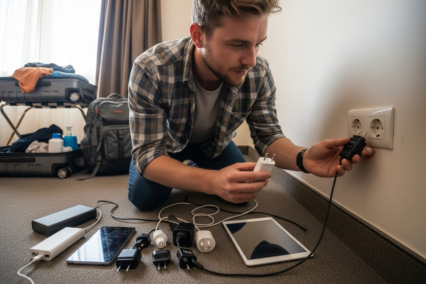
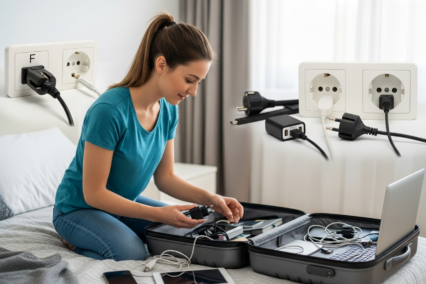
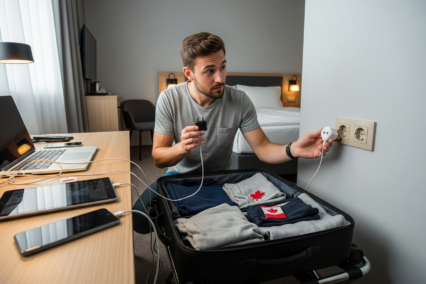
Canadian plugs may fit, but a japan power adapter is the best way to have full compatibility. This is true for three-prong devices most of all.
-
The standard voltage in Japan is 100V. This is lower than what you get in Canada, which is 120V. Most new electronics can still work with this voltage.
-
To use single-voltage devices, like some hair dryers, you need a voltage converter. This can stop damage to the device.
-
For two-prong plugs from Canada, most work in Japan. If you have a three-prong plug you will need a plug adapter.
-
The power supply frequency is different by area. Eastern Japan uses 50Hz and Western Japan uses 60Hz.
Introduction
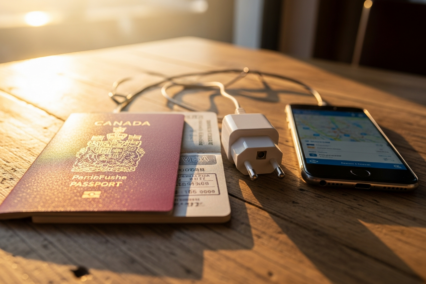
Are you getting ready for a trip to Japan? It’s good to make sure your devices stay charged on the go. If you are using your electronics in another country, it can feel confusing at first. A bit of planning will help you avoid problems. Know the outlets, plug types, and voltage that you will find in Japan before you leave. This way, you can use your electronics safely and easily. This guide helps people from Canada with advice about plug types, plug adapters, and how to deal with voltage in Japan. It covers how to check your device compatibility and shows if you need to bring an adapter or not. Use these tips so you can keep everything working and stay connected the whole time you are there.
Understanding Japanese Electrical Outlets
When you get to Japan, you will see that the outlets look a lot like the ones in Canada, but there are some small changes. The plug types in Japan and the voltage can be different, which might change the compatibility with your Canadian devices. You must know about this, so you do not get stuck and cannot charge your phone or laptop when you need it.
A lot of Canadian electronics do work in Japan, but not every device will. You might need a Japan power adapter, especially for things that use the three-pronged Type B plug. Now, let’s go over the details about Japanese outlets so you can see what type of plug or adapter you will need for your stuff.
Types of Outlets and Plug Shapes Used in Japan
In Japan, you will mostly see two plug types: Type A and Type B. It’s important to know about these, so that you can plug in your devices and charge them without problems.
The main one you will find is Type A. This plug has two flat parallel pins. It is ungrounded and you will see it a lot in hotels, cafes, and old buildings all over Japan. Many people use these outlets for small things like chargers or cameras.
You may also find the less common Type B outlets, called b outlets. These plugs have two flat prongs and a third round pin for grounding. B outlets show up more in new buildings and places with high-power machines. This type offers more safety for some devices, like laptops or kitchen gadgets that need grounding.
Outlet Compatibility for Canadian Devices
For Canadians, there is some good news when it comes to power plugs in Japan. Our plugs are a lot like the ones used there. Most two-prong devices you bring from Canada can be used with Japanese Type A sockets. You won’t need a travel adapter to charge your phone or tablet. This makes charging in Japan simple.
But there is one main thing to watch out for — three-prong plugs. In Canada, we often use plugs with three prongs like Type B. In Japan, most homes and hotels have the two-prong Type A sockets. If you have a laptop or another device with a three-prong power plug, you will need a travel adapter.
So, it’s a good idea to pack at least one adapter before you go. This helps you use all your devices with any socket you find. Having the right travel adapter will keep your phone, tablet, and other electronics working well during your time in Japan. It will save you from any problems and let you enjoy your trip without worry.
Differences Between Japanese, US, and Canadian Power Plugs
While the plug types in Japan, the US, and Canada look almost identical, there are subtle but important differences. All three countries use Type A and Type B plugs, which is why many electronics from North America seem compatible at first glance. However, the prevalence of these sockets varies significantly.
In Japan, Type A sockets are overwhelmingly common, while grounded Type B sockets are much rarer and typically found in newer constructions or for specific appliances. In contrast, most modern buildings in Canada and the US feature grounded Type B outlets as the standard. This means your three-prong Canadian plug will be much harder to use in Japan without a Japan power adapter.
Another minor difference is that the two flat prongs on a Japanese Type A plug are the same size, whereas in North America, one prong (the neutral) is often slightly wider. This usually isn’t an issue, but it’s a small distinction between the systems.
|
Feature |
Japan |
Canada / US |
|---|---|---|
|
Common Plug Types |
Type A (dominant), Type B (less common) |
Type A and Type B (both common) |
|
Grounded Outlets |
Less common, mostly in newer buildings |
Standard in most buildings |
|
Prong Size |
Type A prongs are typically identical in size |
One prong on Type A plugs is often wider |
Voltage and Frequency in Japan
Other than the shape of the plug, you need to think about the voltage and the power frequency in Japan. The standard voltage in Japan is 100V. That is a bit less than the 120V you find in Canada. This small change in voltage can affect how some of your devices work. This is true if your devices are not dual voltage.
Also, Japan has something different with its power frequency. Each region may use either 50Hz or 60Hz. Most new electronics will not have trouble with this. Still, it is good to know about this quirk. We will look more at what this means for you.
Japan’s Standard Voltage – 100V Explained
Japan’s standard voltage is 100V. This is one of the lowest worldwide, and it is a bit different than the 120V you get in Canada. For most new electronics, this small change is not a big deal. Many items like laptops, smartphones, and camera chargers are made to be dual voltage. This means they can work with a range of power like “INPUT: 100-240V.” You can look at the label on your device or check its power brick to see this.
If your device is dual voltage, you only need a plug adapter for it to work in Japan. It will adjust to the 100V supply by itself. There is no risk of breakage for your device.
But, single voltage items that are made for only 120V might be weak or not work at all if you use them with a 100V outlet in Japan. Products like hair dryers are usually single voltage. You would need a voltage converter to use those types of devices safely in Japan.
Frequency Variations Across Regions (50Hz vs. 60Hz)
One thing that makes Japan stand out is the way the electricity works. Japan has a power grid with two different frequencies. The country is split into two main groups. Eastern Japan, which has big cities like Tokyo and the island of Hokkaido, uses a 50Hz frequency. Western Japan, which has cities like Osaka and Kyoto, uses 60Hz.
Most people visiting japan will not notice any difference because of this. Most new electronics—like laptops, phones, and cameras—work fine with both 50Hz and 60Hz. The power adapters for these products are made to adjust to both.
You might run into trouble only if you have old or simple electric devices. This can happen with things that have a motor or a clock, like an electric alarm clock or an old record player. These devices can slow down or speed up if used on the wrong frequency. For most people coming from Canada, this is just something new to know about, not a real problem.
Plug Adapters and Converters for Canadians
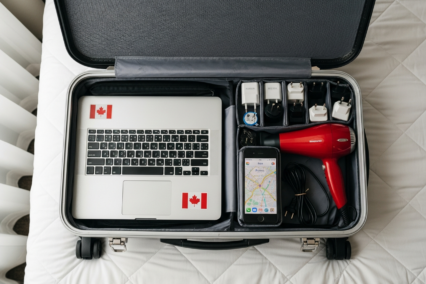
Now that you know the voltage and sockets in Japan, let’s talk about the gear you will need. The main things to bring when you use Canadian devices in Japan are a plug adapter and a voltage converter or transformer. These two things are not the same, so it’s important to know which one you should use.
A plug adapter helps to change the shape of your plug so it fits into the outlet. A voltage converter or transformer changes the electrical voltage. You need to know when to use an adapter and when to use a converter. This way, you can keep your power supply steady and make sure your electronics are safe.
When Do You Need a Plug Adapter?
A plug adapter is a small tool that helps your plug fit in a different wall socket. It does not change the voltage of electricity. If you are going to Japan, you will need a plug adapter for some things to make sure all your electronics work.
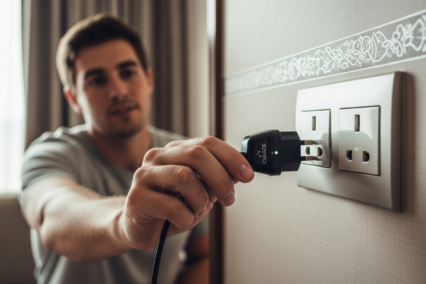
You will need a plug adapter if your device has a three-prong plug. In Japan, you will see that most outlets are the two-prong Type A. You will have to use an adapter to connect your three-prong Canadian plug. If you do not bring one, you will not be able to plug in some things, like a laptop charger that uses a ground prong.
Even if a lot of Canadian two-prong plugs fit, it is still a good idea to pack an adapter in your suitcase or your luggage. A plug adapter does not take up much room, and you will always be ready to charge your things. It’s smart to bring a plug adapter if:
-
Your device has a three-prong plug.
-
You want to make sure all two-prong plugs fit in the outlet.
-
You want a tight and safe connection.
-
You have a few devices and want one tool that works for all.
Using a plug adapter is the best way to have full compatibility for the items you bring to Japan.
Choosing the Right Adapter for Your Electronics
When you need to pick a travel adapter for your trip to Japan, there are a few things you should think about. The best adapter for you depends on your travel style and how many devices you plan to take with you. A simple adapter that changes a three-prong plug to a two-prong plug works well for most people. It is small, easy to use, and low-cost.
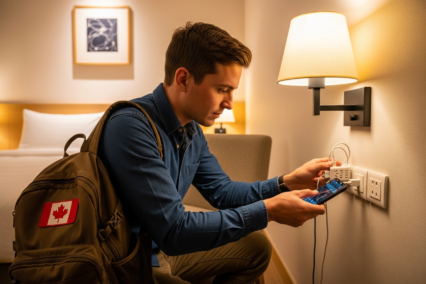
If you want more options, a multi-port adapter may be a good pick. This is great if you bring things like a phone, camera, or power bank. Multi-port adapters have extra sockets and usb ports. That way, you can charge more than one thing at the same time using one outlet. This is very helpful in Japan if the hotel room does not have many sockets. You can get both kinds of adapters on amazon or ebay before your trip.
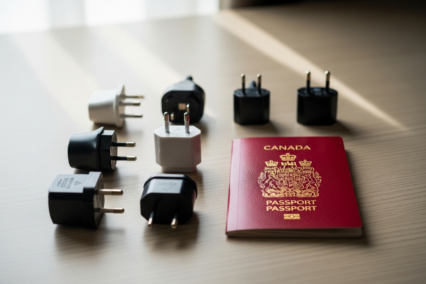
If you travel a lot or will go to other places besides Japan, a universal adapter is a smart idea. A universal adapter can be set up to fit the wall outlets in most countries. This is the best choice for someone who goes to many places.
-
Basic Adapter: Small and simple plug that lets you change plug types.
-
Multi-Port Adapter: Lets you use more sockets and has usb ports for more devices.
-
Universal Adapter: Fits sockets in many places and is good for world trips.
Do You Need a Converter or Transformer?
While an adapter just changes the shape of the plug, a voltage converter or transformer changes the type of power coming in. You only need a converter or transformer if your device is not dual voltage and can’t handle the 100V voltage used in Japan. It’s important to check, because plugging your device into the wrong voltage can break or even ruin your appliance.
To see if you need a voltage converter, have a look at the label on your device. If it says “INPUT: 100-240V,” your device is dual voltage. You won’t need a converter for that. A lot of things like laptops, phone chargers, and cameras are dual voltage these days.
You will need a voltage converter if your device is single voltage and made for Canada’s 120V power. This happens a lot with things like high-power appliances that use heat. A transformer will do the same thing, but it is usually used for more sensitive electronics that need steady use.
-
Check your device for “100-240V” to see if it’s dual voltage.
-
Most phones, tablets, and laptops do not need a converter.
-
High-power, single voltage items like hair dryers or straighteners likely need a converter.
Tips for Safe Use of Electrical Devices in Japan
Making sure your electronics are safe to use in Japan is easy if you know a few things before you go. First, check the compatibility of your devices before you plug them in. You should always see if your gadget matches the voltage in Japan. Using the right adapter and checking the plug is key to not having problems with your electronics.
Get a small, compact adapter so you can carry it anywhere. This will save you time and help you avoid trouble. If you take these simple safety steps, you will have a smooth trip and no issues with your electronics. Here are some easy tips to keep you and your devices safe.
Using Two-Prong and Three-Prong Devices in Japanese Outlets
Using your Canadian devices in Japan is usually easy, but there will be a few things to know for type b and two-prong plugs. When you know how to use each one, you make sure you have the right compatibility and keep things safe.
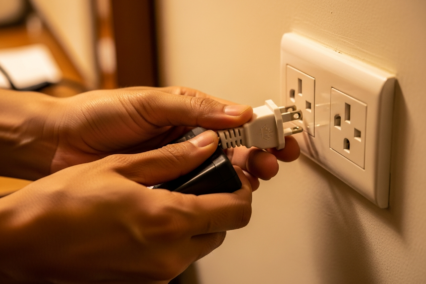
Your two-prong ungrounded devices will be the most simple. Most of the time, a Canadian two-prong plug will go right into a Japanese outlet without an adapter. This is good for charging phones, cameras, or other small things.
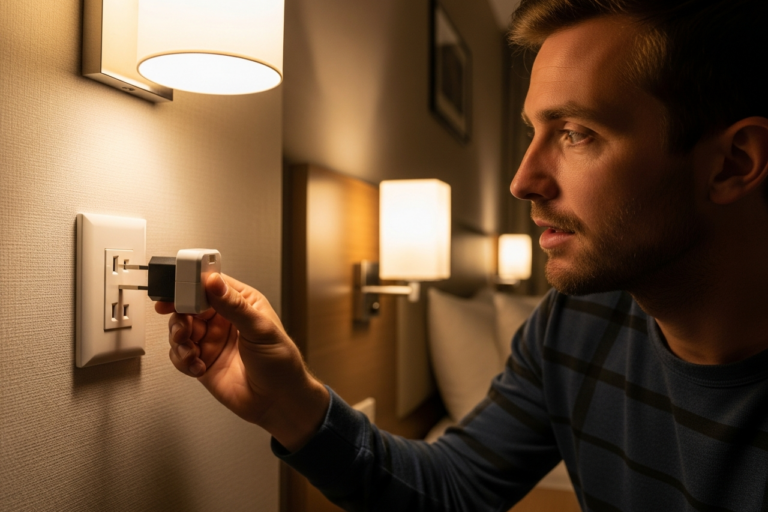
For three-prong grounded plugs, you will need to do a bit more. Type B outlets are not in wide use, so you cannot put a three-prong plug in straight away. You need a plug adapter to switch your three-prong plug to a two-prong one.
-
Two-prong plugs: Most of the time, you can use these in Japanese outlets.
-
Three-prong plugs: You will need a plug adapter to use these in two-prong outlets.
-
Never try to force a plug into an outlet.
-
Always make sure you have a tight fit after you plug in.
By following these tips on using the right plug, plug adapter, and knowing what prong is right, you make your devices work in Japan and keep yourself safe.
Safety Precautions for Canadian Travellers
When you travel, it is important to keep electrical safety in mind. Japan has a safe electrical system, but you still need some care when you use things from outside the country. Doing a few checks can help you look after your devices and stay safe.
The first thing to do is look at the voltage on your device. Check if it matches the voltage in Japan before you plug it in, even when you use a travel adapter or an adapter. Remember, an adapter just changes the plug shape. It does not change the voltage. If you put a 120V-only device into a system that does not match, it could cause a fire, even with lower voltage.
Always use strong, good quality adapters from well-known brands. Badly made adapters can be unsafe. They can make weak connections, get too hot, or cause electrical shorts. It is a good idea to buy your adapter before you leave for Japan or at a trusted electronics store while you are there.
-
Verify voltage compatibility for every device.
-
Avoid overloading outlets with too many high-power devices.
-
Do not use damaged cords or adapters.
-
Unplug devices when they are not in use.
Common Travel Mistakes with Japanese Outlets
Many people visit Japan and make small, easy-to-avoid mistakes with the electronics they bring. If you know about these mistakes, you can have a better time and less stress on your trip.
The mistake people make the most is mixing up a plug adapter with a voltage converter. A lot of people think a plug adapter will also change the voltage, but it will not. This can break your appliance. The adapter and voltage converter do two different things. You should always check if you need a plug adapter, a voltage converter, or both.
Another thing travellers often forget is to bring an adapter for a three-prong plug. Many think all the places will let you use your plug right away. When this does not happen, you have to rush and buy an adapter when you get to Japan. It is easier to pack this ahead of time.
-
Forgetting to bring an adapter for a three-prong laptop charger.
-
Using a high-power device like a hair dryer without a voltage converter.
-
Assuming all hotel rooms will have plenty of available outlets.
-
Buying a cheap, low-quality adapter that fails or poses a safety risk.
Conclusion
To sum things up, if you’re from Canada, you should know about the electrical outlets in Japan before you go. This will help make sure your device will work. In Japan, you will see that plug shapes, voltage, and how often power changes can be different. If you are aware of this, you can avoid little problems on your trip.
You should always have the right plug adapter and a converter for your things. This is important for both safety and if you want your electronics to work well. If you do these things, you will not have to deal with the fuss of technical problems. So, when you pack for Japan, double-check your items. Make sure you have the right plug, know about the voltage, and be ready for a good trip in Japan!
Frequently Asked Questions
Will my phone and laptop chargers work in Japan?
Yes, most likely. The phone and laptop chargers you use today are dual voltage. This means they work fine with the 100V system in Japan. The only thing you may need is an adapter if your laptop charger has a three-prong plug. There is no need to worry about the voltage compatibility. Just get a plug adapter if you need one for your plug or prong.
Where can I buy a plug adapter before travelling to Japan?
You can buy a plug adapter from online stores like Amazon or eBay before your trip. Many electronics stores, travel shops, and some big department stores have them as well. A universal adapter will be a good choice if you want to go to more countries later.
Are there regional differences in electrical outlets across Japan?
The outlets you find in japan are the same in every place. But, the electrical frequency changes from place to place. In the east, like tokyo and hokkaido, the frequency is 50Hz. In the west, like osaka and kyoto, it is 60Hz. Most new electronics will work fine with this, so it’s not an issue for most people visiting. The voltage in all of japan is always 100V.