Key Highlights
-
Italy uses a 230V power supply. This voltage is a lot higher than the 120V you get in Canada.
-
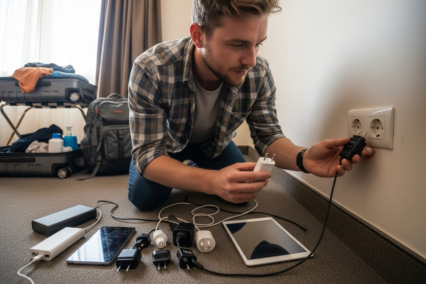
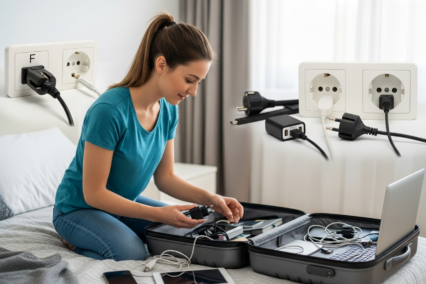
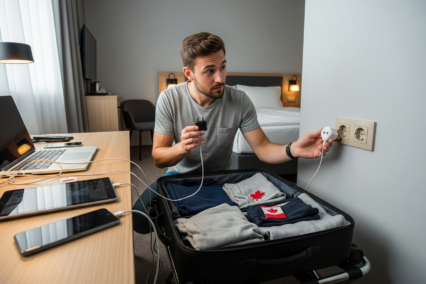
You will need a travel adapter to use your Canadian devices in Italy.
-
The outlets in Italy mostly use Type C, F, and L plugs. All of these plugs have round pins.
-
Most new devices, like laptops and phone chargers, have dual voltage. These only need an adapter, not a converter.
-
High-powered Canadian devices, like hairdryers, that do not have dual voltage will need a voltage converter.
-
Always look at your device’s voltage rating on the power brick before you plug it in.
Introduction
Planning a trip to Italy can be a lot of fun, but you need to think about how you will keep your phone and other electronics charged. The plugs in Italy are not like the ones we use in Canada. The shape is not the same, and the voltage is different too. This means you cannot just use your devices by plugging them in. It is important to know about these changes so your electronics do not get damaged or stop working. This guide will help you learn all you need about Italy’s power. You will find out which type of plug they use, and if you need to get an adapter or a converter for your trip.
Understanding Electrical Outlets in Italy
When you get to Italy, you will see that the power sockets are not like the ones you see in Canada. In Italy, the sockets are made for plugs with round pins. This shows right away that your Canadian plug will not fit unless you get some help.
To use your plug, you need a travel adapter. This adapter will help connect your plug to the type of socket used in Italy. It is good to know which plug types people use in Italy. That way, you can choose the right adapter and avoid any problems on your trip. Let’s find out about the plug types you will see most in Italy.
Common Plug Types Used in Italy
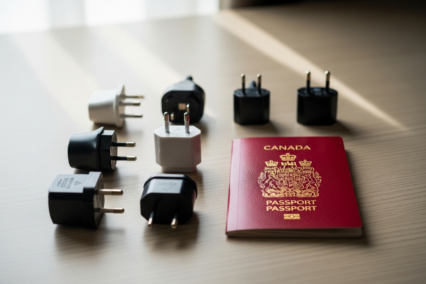
Italy does not have one set standard for its outlets, so you may see a few different types. The main ones are Type C, Type F, and Type L. All of these have round pins, but each type is shaped a bit different.
The Type C plug is a basic plug with two pins. It is used in many parts of Europe. This type is not grounded and works with most sockets in Italy. The Type F plug, which people often call “Schuko,” also has two round pins and adds two clips on the sides for grounding. It is strong, but it is not the main type you will see in Italy.
There is also the Type L plug. This one has two models: one has three pins in a row that are smaller, while the other has larger pins. The good thing about the Type C plug is that it will fit into most Type F and Type L sockets in Italy. So if you get an adapter that fits with a Type C plug, you can use that for your trip.
type c, type l, type f, round pins, italy, plug, adapter, sockets
Power Socket Shapes and Compatibility
In Italy, you will notice there are many types of sockets. Even in the same hotel room, the outlets you see might be different. Some old buildings in the country use older sockets. Newer places or buildings that have been updated might have outlets that accept more types of plugs. If you are travelling from Canada, you will for sure need a travel adapter. That’s because your plugs do not fit in any of the Italian sockets.
The main problem is your Canadian devices use flat prongs. All sockets in Italy take round pins instead. You need an adapter to fix this issue. For most people, a basic two-pin plug adapter works well.
A two-pin adapter is great for these reasons:
-
Type C Compatibility: The two-pin plug (Type C) works with Type F and Type L sockets.
-
Versatility: This adapter lets you use your stuff all over Italy.
-
Simplicity: It is easy and good for charging most gadgets.
You should bring a travel adapter, like a Type C one, to connect your plug to Italy’s sockets.
Italy’s Voltage and Frequency Standards
Besides the way the plug looks, the biggest thing you need to think about is the voltage of the power supply in Italy. The power supply there has a standard voltage of 230V and uses a 50Hz frequency. This is the same in most of Europe, but it is much higher than what we use in Canada.
This means things like appliances can be more powerful, but there is also more risk if your devices are not made for this voltage. If you use an adapter, it will help your Canadian plug fit the socket, but it won’t change the voltage that comes from the wall. Next, we will talk about how this higher voltage can affect your devices from Canada and what steps you should take.
Differences Between Italian and Canadian Electrical Systems
The electrical systems in Italy and Canada are fundamentally different, and a simple plug adapter won’t change this. The main distinction is the different voltage. Canada’s power supply runs at 120V, whereas Italy’s is nearly double that at 230V. Plugging a 120V-only device into a 230V outlet can cause it to overheat, short-circuit, or be permanently damaged.
This difference means you must check every device you plan to bring. Some electronics have a built-in transformer that can handle various voltages, making them safe to use. Others are designed for a single voltage and will require a separate power converter to function safely in Italy.
Let’s break down the key differences:
|
Feature |
Canada |
Italy |
|---|---|---|
|
Voltage |
120V |
230V |
|
Frequency |
60Hz |
50Hz |
|
Plug Type |
Type A & B (flat prongs) |
Type C, F, & L (round pins) |
Effects of Voltage Variations on Canadian Devices
The effect of Italy’s higher voltage on devices you bring from Canada will depend on if they have dual voltage or single voltage. You can check this by reading the label on your device or looking at its power supply brick. Look for “INPUT” to see the voltage specs.
If your electronics are dual voltage, they are made for travel. The label will say something like “100-240V.” Most of the new gadgets, like laptops, phone chargers, and camera battery chargers, are dual voltage. If you have this type, your device will adjust to Italy’s power supply on its own, so you only need a plug adapter.
If your device is single voltage, the label will say “110V” or “120V.” You see this on things with more power, like hairdryers and electric razors. If you plug a single voltage device into a 230V outlet without using a voltage converter, it could ruin the device and might even start a fire. For these, you must use a converter.
Adapters and Converters for Canadian Travellers
Many people in Canada are not sure about the difference between a travel adapter and a power converter. A travel adapter is a small device. It just changes the shape of your plug so it fits into a different outlet. This plug does not change the voltage of the electricity.
A power converter is different. It makes the voltage go from 230V down to 120V. This will help keep your single-voltage electronics safe. Knowing if you need an adapter or a converter is important to keep your things working right. Let’s see when you will need a travel adapter and when you have to use a power converter.
When Do You Need an Adapter in Italy?
You will need a travel adapter in Italy for any device you bring from Canada. This is because the shape of your Canadian plug will not fit in an Italian wall socket. An adapter helps to connect your plug to the outlet in Italy.
Think of it like a key you use to open the outlet for your device. Most common electronics you use every day, like your charger or your laptop, should work if they are dual voltage. Always look at the power label on the device to make sure about the voltage.
You need an adapter if:
-
Your device is dual voltage, for example, it says “100-240V” on the label.
-
You want to plug any Canadian plug into an Italian outlet.
-
You are just charging things like a phone, tablet, or camera.
In these cases, a simple plug adapter is all that you need to keep things charged and ready to use.
Choosing the Right Adapter or Converter for Your Electronics
Choosing the right travel adapter or voltage converter depends on what you want to use. Make a list of everything you need to plug in. Look at the label on each one to find out its voltage. This step helps you know exactly which adapter or converter you need.
For most, a universal travel adapter is a good pick. These often come with sliders or parts that let you use them in many places, including Italy. Many will also have USB ports, so you can charge phones and other devices easily. If you have something made for only one voltage, you will need a voltage converter that can handle your device’s power.
Here is a simple guide:
-
Dual Voltage Devices: You only need a type C plug adapter.
-
Single Voltage Devices: You will need a voltage converter. Check what wattage you need, like a 2000W converter if you want to use an 1800W hairdryer.
-
For Convenience: A universal travel adapter with USB ports is a great way to charge most of your devices, especially when you travel to Italy.
Use the right plug, adapter, or converter for all your travel gear.
Where to Purchase Travel Adapters in Canada and Italy
It’s best to get a travel adapter before you leave for your trip. When you buy an adapter in Canada, you have more time to look at your choices with less stress. This way, you won’t have to worry about looking for one when you land in Italy. There are many options out there.
If you want to shop from home, online places like Amazon have a big range. You can choose between a basic plug or an all-in-one universal adapter. This is a good way to check what’s out there and compare different products and prices. You can also buy a travel adapter in many stores across Canada.
Where to look:
-
In Canada: You can check at the big electronics stores, travel shops, and even bigger department stores.
-
Online: Amazon has lots of models. They also have customer reviews to help you choose.
-
In Italy: If you don’t bring one with you, it’s possible to get an adapter in electronics stores (such as Unieuro or MediaWorld), in shops for tourists, or even in small stores that sell house items. The price and quality might not always be the same as back home.
So, if you’re getting ready to go to Italy, think about grabbing a good travel adapter before you leave. It will make your trip go more smoothly.
Can You Use Canadian Electronics in Italy?
Yes, you can use most of your Canadian electronics in Italy. But, you will need to be ready before you go. The important thing is to see if your devices will work with the higher voltage there. We talked before that there are two kinds of electronics: some are dual voltage and some are not.
If your stuff is dual voltage, things are easy for you. You only have to pack the right plug adapter. But for things that are single-voltage, there’s more you have to do. You will need a converter so they do not break. Let’s look at which things you have will work right away, and which ones will need more help.
Devices Compatible with Italian Outlets
Most new personal electronics are made for travel around the world. You can use them in Italy with a plug adapter. These dual voltage devices will help you a lot when you travel.
To check if your device will work, look for “INPUT: 100-240V” on the plug or power brick. If you see this, your device can be used in Italy’s outlets as long as you have a plug adapter. This is true for most of the electronics you bring for a trip.
Electronics that are usually dual voltage include:
-
Smartphone chargers
-
Laptop and tablet chargers
-
Camera battery chargers
These items have something inside called a transformer. It changes the voltage so you do not need to worry about it. Just remember to pack your plug adapter!
Electronics That Require a Converter
Some electronics, like a curling iron or hairdryer, make heat and are often single voltage. They will not work in Italy unless you use a voltage converter. If you bring a 120V hairdryer or curling iron from Canada and plug it into a 230V outlet in Italy, it will break right away. It may overheat, give off sparks, and stop working.
To stop this, you have to use a voltage converter with these things. The converter is heavy and it lowers the voltage so your item can be safe. But many people who travel think a voltage converter is too big and hard to carry. The easy answer is to leave these things at home.
Things that you may need a converter for:
-
Hairdryer
-
Curling iron or hair straightener
-
Some electric shavers
Most hotels and Airbnbs in Italy give you a hairdryer, so it is simple to use the one they have there. If you want to bring your own, try to get a travel-size, dual-voltage hairdryer before you go.
Safety Tips for Using Electrical Outlets in Italy
While getting used to how outlets work in Italy is easy once you have what you need, it’s important to always think about electrical safety. The power supply in Italy is strong, as it uses 230V, so you need to be careful when you use it. You can keep your trip safe from problems with just a few simple steps.
Be sure to use plugs the right way in your hotel. Watch out for the usual dangers you may find. Try to stay alert with your electronics no matter if you stay in a new hotel or an old, lovely rental. Here are some safety tips to keep in mind when you deal with the power supply in Italy.
Safe Plug Usage in Hotels and Vacation Rentals
When you get into your accommodation in Italy, like a hotel or an Airbnb, take some time to check the electrical sockets. Many newer hotels and places that just got fixed up will have plugs that work well and fit a standard adapter.
But in old buildings, the sockets can sometimes be wobbly or worn out. If you see a socket that looks broken or loose, don’t use it. Never try to shove your plug in if it doesn’t slide in easily. This can wreck your plug and the socket, and it’s not safe.
For safe use of plugs and adapters in your accommodation:
-
Check for damage: Don’t put anything in sockets that are cracked, loose, or have burn spots.
-
Don’t overload: Don’t use a power bar with a lot of big devices in just one adapter and socket.
-
Use provided appliances: Most hotels or Airbnb places in Italy have a hairdryer that is sure to work with the sockets there.
Avoiding Common Electrical Hazards Abroad
General electrical safety is needed everywhere you go in the world. When you travel in Italy, you need to know about the higher voltage and how the plug type is different. If you understand this, you can stay away from the most common problems. The number one rule is to not use any electronic item if the cord is frayed or if the plug is broken.
Water and electricity do not go together. In bathrooms, be very careful. Keep all chargers and other electronic things far from sinks and showers. When you unplug something, hold and pull the base of the plug, not the cord. Pulling the cord can wear it out with time.
To make sure you are safe, always:
-
Keep electronics dry: Do not touch plugs or devices with wet hands.
-
Unplug when not in use: This keeps your things safe from power surges.
-
Buy certified gear: Pick converters and adapters that the safety group approves, so you know they are safe to use.
In Italy, the voltage and the plug can be different from your home, so make sure you are ready and always think about your safety first.
Conclusion
When you visit Italy, you may find it hard to use the electrical outlets if you are coming from Canada. The plug shapes, the voltage, and what adapters you need can be confusing. You should know that the outlets and plug types in Italy are not always the same as what we use at home. The voltage in Italy can also be different, so the devices you bring might not work right if you do not have the right plug or adapter.
Before your trip, check which plug is used in Italy and if your charger or device will work with the voltage there. Get the adapter and any other item you may need. This will help you avoid any problem and keep your things safe.
You don’t want to show up and find out you can’t charge your phone, or use your camera, because the plug does not match or the voltage is too high. So bring the right adapters and follow the safety tips covered in this blog.
Traveling should be something good. If you do a bit of homework and get ready, your trip to Italy becomes smooth and easy.
If you want help for your trip, you can book a free consultation to get tips for your travel.
Frequently Asked Questions
Will my phone charger work in Italy?
Yes, your phone charger will work in Italy. Most chargers now are made to be dual voltage, which means they work with both low and high voltage, including Italy’s 230V. You just need to get a plug adapter to fit your Canadian charger into the outlet there. So, as long as you use a plug adapter and your charger is dual voltage, you should be good in Italy.
Are power adapters easy to find in Italy?
Yes, the travel adapter is easy to get in Italy. You will find it in the big cities and where there are a lot of tourists. Many electronics stores sell the adapter. You may also find one at some supermarkets or shops with house things. But, it is still a good idea to buy the adapter on Amazon or in Canada before you go. This way, you have it with you as soon as you get there.
What is the best adapter for Canadians travelling to Italy?
The best travel adapter for Canadians in Italy is a Type C plug adapter. It has two pins, so it will fit most sockets you find there. You can also use a universal travel adapter. You only need a converter for devices that work with just one voltage.