Key Highlights
-
In Iran, the electrical outlets are usually Type C and Type F, and they have two round pins.
-
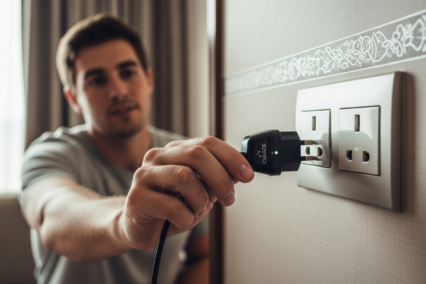
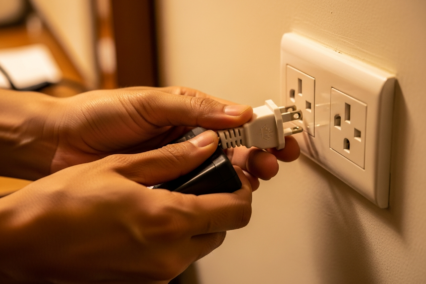
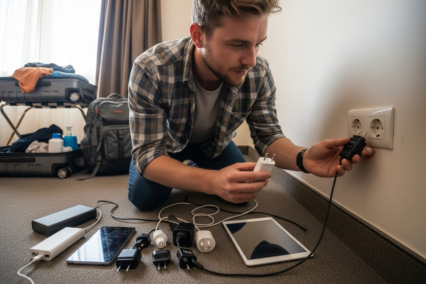
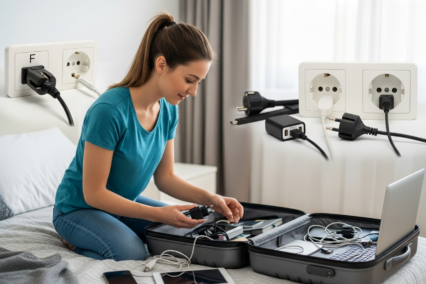
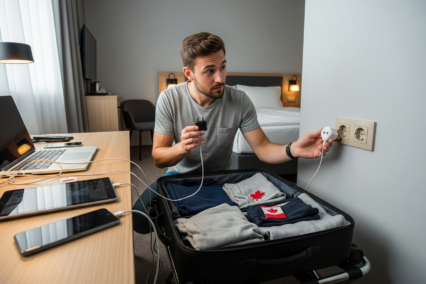
If you have a Canadian device with flat prongs, you will need a power plug adapter to use it in Iran sockets.
-
The voltage in Iran is 230V. This is higher than the 120V used in Canada, so you might need a voltage converter for some of your devices.
-
But most new electronics, like laptops and smartphones, are dual voltage. For these, you only need a travel adapter, not a voltage converter.
-
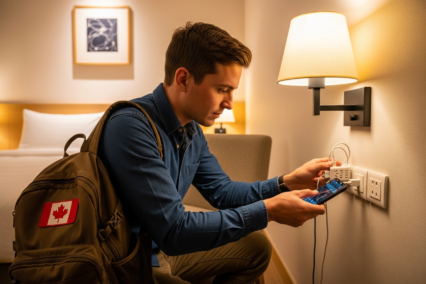
You can get adapters in Canada before your trip. Stores like Amazon or even the airport sell them.
-
Always look at your device’s label to find the voltage information. This helps make sure your adapter and device are a good match and you do not damage your gear.
Introduction
Are you planning a trip to Iran from Canada? This can be exciting, but before you go, you need to think about how to charge your electronic devices. You have to know about the electrical outlets and plug types you will see in Iran. This is a big part of getting ready for travel.
This guide will help you learn all about plugging in your devices in Iran. You will find out what sockets and plug types are common there, what to know about voltage, and if you have to get a travel adapter, a converter, or maybe both. All of this info will help you have a good, trouble-free trip with your electronic devices working well.
Understanding Electrical Outlets in Iran
When you get to Iran, you will see the power plugs there are not the same as what you use back in Canada or the United States. In Iran, people mostly use type C and type F electrical outlets. These plug types are common in many parts of Europe and have two round pins. This is different from the flat prong plugs they use in North America.
Because of this, your gadgets from Canada will not fit right into an Iranian wall plug. You will need to get adapters, so you can use your devices. Let’s talk more about these type C and type F power plugs and where you might see them when you are in Iran.
Common Plug Types Used Across Iran (Type C and Type F)
The two main plug types you will see in Iran are type c and type f. These both have round pins. They do not have flat prongs like the ones from north america.
-
Type C: This plug has two round pins. It is not grounded. People use it for low-power things. It works well in both type c and type f sockets.
-
Type F: Some call this plug the “Schuko” plug. It comes with two round pins, plus two ground clips on the side. People use this one for bigger or stronger devices.
A type c plug will fit in a type f socket. But type f might not always fit in a type c socket. If you want full compatibility, bring a power plug adapter for type c and type f. With the right adapter, you can get power for your things like power banks or your camera in any socket you find in Iran.
Where You’ll Encounter Different Socket Standards in Hotels and Regions
Across Iran, in the busy city of Tehran and in small towns, the plug types are mostly the same. The two main ones people use are type C and type F sockets. This makes things easy for travellers. You do not have to bring many different adapters when you visit different places in the country.
In most hotels, especially the new ones, you will often see type F sockets. They are common now for new buildings. These sockets have a ground and work well for many plugs and are safer, too. But in old buildings and in places that cost less, you might find type C sockets, which do not have a ground.
Here’s what you can look for:
-
Modern Hotels: These mostly use type F sockets.
-
Older Buildings: You may find type C sockets here.
-
Regional Consistency: Iran does not have big changes in plug types by area.
Since type C plugs can go into type F sockets, you can bring one simple adapter and it should work in almost all outlets in Iran.
Voltage and Frequency Standards in Iran
Besides the shape of the plug, you need to know about the electricity that comes from it. In Iran, the normal power supply from sockets is 230 volts (V) and the frequency is 50 hertz (Hz). This is not the same as in Canada, where sockets give 120V and 60 Hz.
Because there is a different voltage in Iran, it is important to check your electronic devices before you use them. If you plug a device made for 120V into a 230V socket without the right gear, it can break for good. We will look at how you can match your Canadian devices with the power supply in Iran next.
Comparing Iranian Power Specifications with Canadian Devices
The key to safely using your electronics in Iran is checking their voltage rating. Most modern gadgets like your smartphone, tablet, or laptop charger are “dual voltage.” You can check the power brick or label for text that says something like “INPUT: 100-240V, 50/60Hz.” If you see this, your device is compatible with Iranian voltage and you only need a plug adapter.
However, some single-voltage appliances, particularly high-power items like a hair dryer or curling iron from North America, are designed only for 120V. Plugging these into a 230V outlet can destroy them. For these items, you will need a voltage converter or transformer in addition to an adapter.
Here’s a quick comparison:
|
Feature |
Iran |
Canada |
|---|---|---|
|
Voltage |
230V |
120V |
|
Frequency |
50Hz |
60Hz |
|
Plug Types |
Type C, Type F |
Type A, Type B |
Always check the label on your appliance before you travel.
Using European, UK, and American Appliances Safely
If you travel to Iran with appliances from different parts of the world, it’s important to know how they work with the local plugs and power supply. Many items from Europe use a Type C or a Type F plug. These also match the 230V power supply that is found in Iran. So, most of the time, you won’t need an adapter or a voltage converter for them.
UK devices use a Type G plug. These work on 230V too, but the plug shape is not the same as a Type C or a Type F socket. You will need a plug adapter to use a UK appliance in Iran. There’s no need for a voltage converter if your device is made for 230V.
For American gadgets, you face two issues. First, they come with Type A or Type B plugs, which are not the same as sockets in Iran. Second, many items from the US run on 120V, not 230V. So, you will need a plug adapter and, if your device is not dual voltage, a voltage converter too.
-
European (Type C/F) Appliances: Usually fit the sockets in Iran and do not need adapters.
-
UK (Type G) Appliances: You need a plug adapter, but you will not need a voltage converter.
-
American (Type A/B) Appliances: You need both a plug adapter and, if it is not dual voltage, a voltage converter.
You should always check the voltage
Adapters and Converters for Canadians Travelling to Iran
It’s easy to get a travel adapter and a converter mixed up, but these do not do the same thing. A travel adapter just changes the shape of your plug so it can go into a different kind of socket. It does not do anything to the voltage. A voltage converter is not the same. This device changes the voltage up or down so your appliance can work right.
If you are from Canada and now in Iran, you will need a power plug adapter for your devices. This is because Iran uses sockets of the Type C and F kind. You will use a voltage converter only if your appliance is one from North America that has just a single voltage. But if your device is dual voltage, you will not have to use a converter.
Choosing the Right Iran Travel Adapter Kit
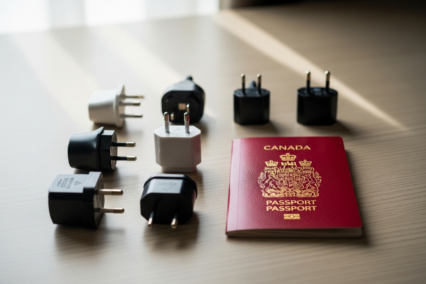
When you need to buy a power plug adapter for your trip to Iran, you have a few choices. You can go for a simple adapter made just for type c or type f plugs. These adapters are small and light. They are easy to use and do what you need. But, if you travel a lot, getting a universal travel adapter kit could be a good idea for you.
A universal travel adapter can work in many places. It usually comes with sliders and different plug types for many sockets all over the world. Most universal adapters now have built-in USB ports. This is handy because you can use one outlet to charge your phone, power bank, and more at the same time.
When you are picking your adapter, think about these things:
-
Compatibility: Make sure it supports type c and type f sockets that have round pins.
-
USB Ports: Pick adapters with USB-A or USB-C ports. That way, it is easy to charge your devices.
-
Grounded vs. Ungrounded: For things that need more power, a grounded adapter for type f sockets is safer.
-
Size and Portability: A compact adapter is always a good idea if you want to travel light.
Where to Buy a Travel Adapter in Canada or Iran
It’s best to buy your travel adapter before you leave Canada. This way, you have the time to check if you got the right one. You won’t need to rush at the last second. You can look online at places like Amazon as it has many types of adapters and kits. You can read what other people say in the reviews to help you pick.
If you like to shop in person, you can get one from electronics stores, travel shops, or big department stores in Canada. When you get your adapter before your trip, you can charge your electronic devices right away after you get there.
If you did not pack a travel adapter, don’t worry. You can still buy one at most big international airports. The price may be higher. In Iran, you can find adapters at big electronics shops in big cities like Tehran. It can be harder to get one in smaller towns.
-
In Canada: Amazon, electronics stores, travel accessory shops.
-
At the Airport: Available but often at a higher price.
-
In Iran: Larger electronics shops in major cities.
Conclusion
To sum up, it is important to know about plug types and the electrical outlet setup in Iran. This will help you avoid problems when you travel. You need to know which plug works there, and the voltage used. Take the right adapters and converters with you. This will help your devices from Canada work well in Iran. When you have the right information, you can plug in your things and keep in touch during your trip. If you want extra help about plug types, voltage, adapters, or anything about travel in Iran, ask for more tips or support before you go.
Frequently Asked Questions
Do Canadians need a voltage converter or just an adapter for Iran?
It depends on what device you have. You will always need a plug adapter to fit sockets in Iran. If your electronic, like a phone charger, works with two voltages, an adapter is all you need. But, if your device is single-voltage (120V) like many from Canada, you also need a voltage converter. This is because Iranian sockets use a different voltage (230V). Without a converter, your device could get damaged.
Can I charge my phone, laptop, or camera in Iranian outlets?
Yes, you can. Most new chargers for phones, laptops, and cameras are dual voltage. This means the chargers will work with Iran’s 230V electricity. You only need a basic travel adapter to make the plug fit into the type C or type F sockets used in Iran.
What should I check before plugging in Canadian devices in Iran?
Before you plug anything in, look at the device’s label to see what the voltage is. If you see “100-240V” on it, you just need a plug adapter that works with type C or F outlets in Iran. If your device only says “120V,” you have to use a voltage converter along with an adapter to make sure it works safely. Always check for voltage compatibility before using your plug or converter in Iran.