Key Highlights
-
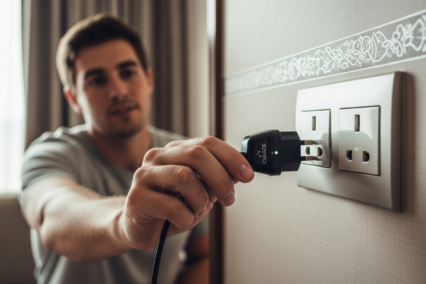
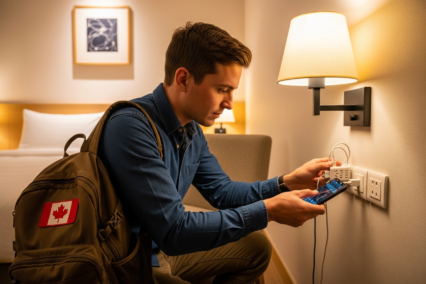
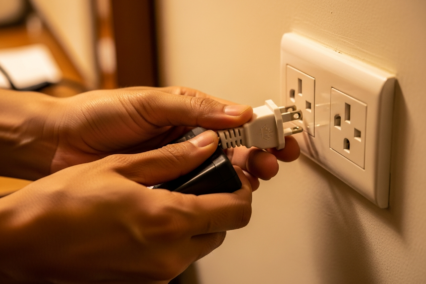
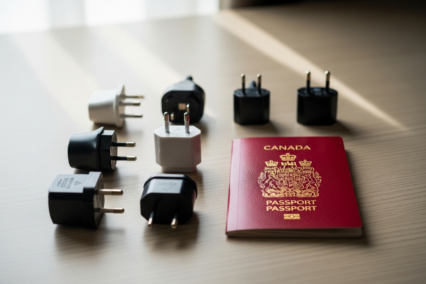
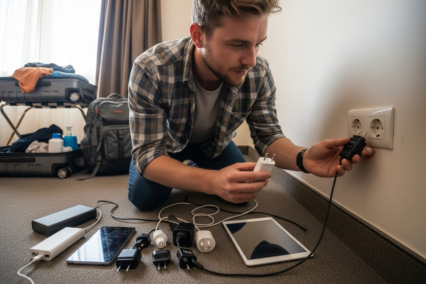
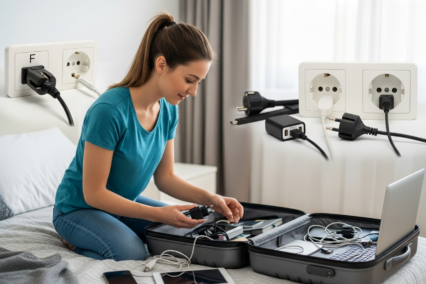
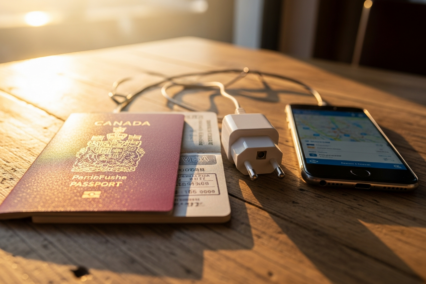
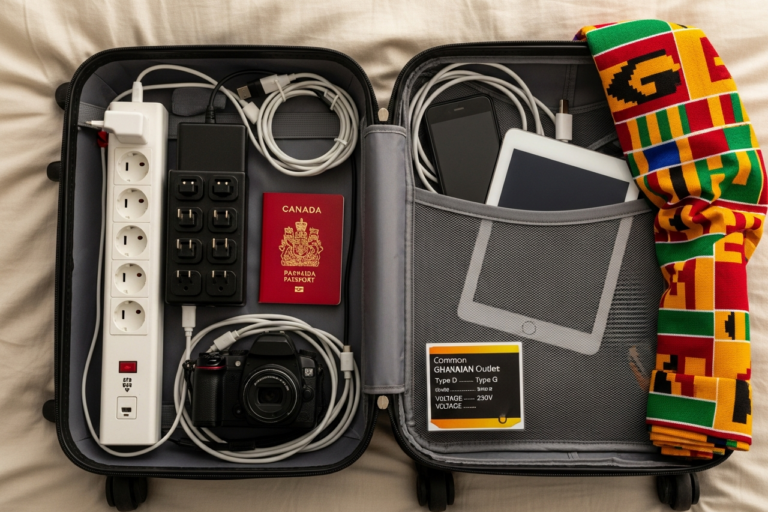
In Ghana, the power plugs are Type D and Type G. These will not work with most Canadian devices, so you will need a travel adapter.
-
The standard voltage in Ghana is 230V. This is more than what is found in Canada, which is 120V. For most single-voltage electronics, you will need to have a voltage converter.
-
Many new devices like laptops and phones are made to be dual-voltage. These usually just need a plug adapter, but always check the label on your device first.
-
If you travel a lot, a universal adapter is a good thing to get. Be sure that it works with Type G and Type D plugs.
-
To keep your devices safe, pack a travel adapter and use a voltage converter if you need to before you go on your trip.
-
You can buy an adapter on Amazon before your trip or look for one in a big city like Accra when you get there.
Introduction
Are you thinking about going from Canada to Ghana? It’s a big trip, and the country is beautiful. Before you start packing, you should think about how to keep your phone, camera, and laptop charged. The way the power supply works in Ghana is not the same as in Canada. If you don’t bring the right adapter, you may not be able to use your devices. This guide will help you understand what to expect with sockets, why you need a travel adapter, and how to keep your devices powered up while you are in Ghana.
Understanding Electrical Outlets in Ghana
When you go to Ghana, it helps a lot to know about the local power plugs. Ghana is in West Africa, and the plugs there are not the same as in Canada. If you learn about this before your trip, it will make things much easier for you.
If you are visiting from Canada, your usual plugs do not work with Ghanaian sockets. You have to use a special adapter if you want to use your electronic devices. In Ghana, you will see two main plug types, Type D and Type G. Here is what to know about these plugs, and what you need to bring for your trip.
Common Plug Types Used Across Ghana
In Ghana, the power sockets you will find are primarily Type D and Type G. These are different from the Type A and B plugs used in Canada, so you won’t be able to plug your devices in directly. Being able to identify these power sockets is crucial for any traveller.
Type G outlets are becoming more common, especially in modern buildings, and are the same as those used in the United Kingdom. Type D sockets are also found, which are a remnant of older standards. It’s a good idea to have an adapter that works for both to be fully prepared.
To make it clearer, here is a breakdown of the plug types you will encounter in Ghana:
|
Plug Type |
Description |
Country Similarity |
|---|---|---|
|
Type D |
Features three round pins in a triangular pattern. |
India |
|
Type G |
Features three large, flat rectangular pins in a triangular shape. |
United Kingdom |
Compatibility of Canadian Electronics with Ghanaian Sockets
Your Canadian electronics use Type A and B plugs. These plugs do not fit into sockets in Ghana. You need a plug adapter to connect to the power supply. If you do not use an adapter, you cannot use your devices there. This is a big problem for any Canadian going to Ghana.
It is not just the plug that is different. There is also a different voltage. Ghana has a 230V system, but Canada uses 120V. If you use an adapter on your single-voltage devices, they can be damaged by the high voltage without a voltage converter.
Before you leave, you should check if your electronics will work in Ghana. Look at each label on your devices to see the voltage info. This will help you know if you need only a plug adapter or a voltage converter too. Taking just a bit of time to check can save you a lot of money and trouble.
Ghana’s Voltage and Electrical Frequency Explained
When you pack your electronics for Ghana, you need to think about more than just the shape of the plug. The voltage and the way the electricity moves are also important. Ghana’s electrical system is not the same as the one in Canada. If you do not check the voltage, your devices could get hurt or even start a fire.
Ghana uses a standard voltage of 230 volts and 50 Hz. In Canada, it is 120 volts and 60 Hz. This is a big change for any machine you plug in. You need to know about the difference before you go so your devices can be safe and still work. We will look at the important details about the volts and how you can keep all your electronics good to go in Ghana.
Voltage Levels and Electrical Standards in Ghana
The standard voltage in Ghana is 230V. In Canada, the standard voltage is only 120V. The voltage in Ghana is almost double what you use in Canada. Because of this high voltage, some of your devices can get damaged or stop working if they are not made for this kind of power. You need to check your phone, laptop, and other devices to see if they can handle this type of voltage.
The electrical frequency is different too. In Ghana, it is 50 Hz. In Canada, it is 60 Hz. For most new electronics like your phone or laptop, this change is not a big deal. But things like shavers or curling irons with a motor or clock inside could act badly or stop working with the new frequency.
If you travel to Ghana from Canada, you may need more than a plug adapter. You will likely need a voltage converter or a transformer for most of your home devices. This will help change the 230V power in Ghana down to 120V, so your devices are safe. Always read the label on your device before you plug it in.
Dual-Voltage Devices and Appliance Considerations for Canadians
A dual-voltage device is an electronic item that works with different electrical systems. Most of the time, these devices cover a voltage range from 100V to 240V. This helps international travellers. The device can change to the local voltage on its own. You do not need a transformer. Many new gadgets, like a laptop, cell phones, and a camera charger, be dual-voltage.
How do you know if your device is dual-voltage? It is easy. Check the label on the power brick or the charger. If you see ‘INPUT: 100-240V, 50/60 Hz’, your device is good to go.
-
Common dual-voltage devices: Laptops, cell phones, tablets, and camera chargers.
-
How to check: Look at the ‘INPUT’ info printed right on your charger or power adapter.
-
If your device isn’t dual-voltage: You have to use a voltage converter so the device stays safe in Ghana.
For single-voltage appliances, like a curling iron or some hair dryers, you must use a voltage converter. If you plug a 120V-only appliance into a 230V outlet, that can break it.
Adapters, Converters, and What Canadians Need to Pack
It’s easy to mix up a travel adapter and a voltage converter, but they work in different ways. The travel adapter lets your plug fit into sockets in Ghana. The voltage converter changes the power from 230V to 120V. This keeps your device safe. It’s important to know which one you need before you pack.
To have a safe and easy trip, bring the right power plug adapters if you have dual-voltage devices. If your device takes only one voltage, you must use a converter. Here’s how to pick the right travel adapter and decide if you need a converter for your trip.
Choosing the Right Travel Adapter for Ghana
To pick the right plug adapter for Ghana, you need an adapter that works with Type D and Type G sockets. Both of these sockets are used in Ghana, so it’s best to have a travel adapter that can handle both. This will help you use your electronics wherever you go in the country.
A lot of travellers like to use a universal adapter. It is one unit, and you can set it up to fit plugs from many places in the world. A universal adapter is a good buy if you travel a lot in different countries.
-
Recommended adapters: You should find a travel adapter that says it works for Type D and Type G plugs.
-
Multi-port options: Some adapters have a few USB ports, so you can charge more than one device at the same time using just one socket.
-
Universal vs. single adapter: A universal adapter is useful if you plan to travel to other places later. A single adapter for Type D and G is good if Ghana is the only place you plan to visit.
Make sure you get an adapter that is certified and made from good materials. The cheap ones are not safe and could be a risk.
When Is a Voltage Converter Necessary?
You will need a voltage converter for Ghana if you want to use any single-voltage electronic devices from Canada. These are things that only work with a 120V power supply. If you plug them into a 230V outlet in Ghana without a converter, they can get ruined.
It’s important to know that a voltage converter and a plug adapter are not the same. A plug adapter only lets you fit the plug; it does not change the voltage. A converter or transformer changes the voltage of the power. Sometimes you need both: a converter to change the voltage and an adapter to fit the plug into the wall.
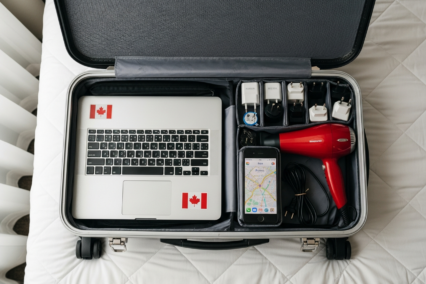
For example, a lot of hair dryers, straighteners, and electric shavers you buy in Canada are single-voltage. If your hair dryer is not dual-voltage, you must use a voltage converter in Ghana. On the other hand, if your laptop or phone is dual-voltage, you just need a plug adapter.
Using Your Devices Safely in Ghana
Using your electronics in another country is not only about making sure they work. It is also about staying safe. The electricity in Ghana may be different from what you are used to. Surges can happen. These can hurt your phone, charger, or other appliance if you do not protect them. If you take some simple steps, you can keep your things and yourself safe.
You need to know what to do before you charge your phone or use a hair appliance. Follow these tips, and you can use your charger and plugs in Ghana with no trouble. It is smart to pack a surge protector so that your electronics stay safe.
Tips for Charging Electronics Like Phones and Laptops
Safely charging cell phones and laptops is a good idea that should be one of your top things to do. Many of these gadgets are dual-voltage. You can use their charger and a plug adapter in Ghanaian outlets with no problem. You just need a plug and adapter. Still, power surges can happen anywhere. A surge protector gives you some extra safety.
A portable surge protector can help keep your cell phones and laptop safe from sudden power changes. This is handy if you charge more than one thing at once.
-
Use a surge protector: It keeps your laptop and other gadget safe from changes in power.
-
Check device voltage: Even if you think your device is dual-voltage, look at the label on the charger for the voltage before you plug it in.
-
Charging multiple devices: If you charge many things with a multi-port charger or power bar, make sure it can take 230V, and do not plug in too many devices.
Do not leave your cell phones or laptop plugged in when not needed. Try not to use a charger on soft items, like your bed, since it can make your devices get too hot.
Safety Guidelines for Electrical Appliances
When you travel and plug in an appliance abroad, it’s smart to follow some basic safety steps. First, look at your appliance and adapter. Make sure there is no damage. If you see a cord that is torn or a cracked case, do not use them. This is very important when you are dealing with a different voltage.
Keep all your electrical things away from water and too much heat. The bathroom can be risky for using things like this. Try not to charge your phone or use an appliance close to the sink or shower. In Ghana, the sockets are like the Type G ones found in the United Kingdom, and these often have some extra safety built in. But it is always better to be safe.
Always check to make sure you use the right adapter and converter with each appliance. Do not push a plug into sockets if it will not fit right. If your plug does not match, the connection may be bad. This can lead to electrical shorts or other problems.
Where to Buy Travel Adapters and Power Accessories
For Canadians who want to travel to Ghana, finding the right travel adapter is easy. You have a few good choices. The best way is to buy an adapter while you are still in Canada. That way, you will be ready as soon as you get there.
If you forget your travel adapter or find out you need a new one, you can buy an adapter after you get to Ghana. It is best to make plans before you leave, so you do not feel rushed at the last minute. But, it is nice to know you can still get adapters when you arrive. Now, let’s talk about the places you can shop for an adapter in Canada and Ghana.
Shopping in Canada Before Departure
The best way to have a good start for your trip is to buy your travel adapter in Canada before you go. This way, you get time to look for the right adapter and make sure it works with your devices. You will find a great selection of travel adapters at many stores.
Online shops like Amazon make it easy to pick from a lot of choices. They have all kinds of adapters, from ones that do one thing to world travel adapter models. Shopping online lets you read what other people say and compare features too.
-
Large retailers: Stores such as Best Buy or Walmart always have a travel section with adapters.
-
Online stores: Amazon.ca is a top spot for a great selection of travel adapters. You can even find world travel adapter models there.
-
Specialty travel shops: Shops that focus on travel gear have staff who know what you need and will help you find the right adapter.
When you buy, try to get a model that works with both Type D and Type G plugs. This will help you be ready for your trip to Ghana.
Finding Adapters and Converters Upon Arrival in Ghana
If you come to Ghana and see that you forgot your adapter, do not worry. You can get a power supply adapter or converter in the big cities. The main city, Accra, is a very good spot to find one when you need it.
When you get to Ghana, you may find adapters right at Kotoka International Airport. The price may be higher at the airport than in the city. There are big stores for electronics and supermarkets in Accra and in other places like Kumasi that also have them. The stores know many people from other countries are looking for an adapter or a converter, so they try to keep them in stock.
Some big hotels can have extra adapters at the front desk. You may even be able to borrow one during your stay. It is always best to pack everything you need, but if you did not bring your adapter, you will still find ways to get your power supply working while you stay in Ghana.
Conclusion
To sum up, it is important to know about the different electrical outlets in Ghana for a safe and easy trip. You should understand what kind of plug is used there. Make sure your devices will work well with the voltage and frequency in Ghana. Being ready for this will help you stay in touch. Remember to check which adapters and converters you need. You should also know where to get them, either before you leave or after you arrive. By doing these things, you can avoid problems with your devices and have a good time in Ghana. If you need more help or have questions about the plug, voltage, or anything else for your trip, you can always ask for support.
Frequently Asked Questions
Are UK, US, or Canadian plugs usable in Ghana without an adapter?
No, plugs from Canada and the US (Type A/B) do not work in Ghana’s sockets. You will need to get an adapter. UK plugs (Type G) will fit in Type G sockets in Ghana. Still, it is good to check the voltage to be sure your device will work. If you are bringing something from Canada, an adapter is always needed.
Can I use my Canadian hairdryer or straightener in Ghana?
You need to see if your hair dryer or straightener is a dual-voltage one. If it only works at 120V, you have to use a voltage converter in Ghana. This will stop it from getting damaged. Many hair dryers and heat tools from Canada use just one voltage. So, they will need a converter to work in Ghana.
Are there any risks when using adapters or converters in Ghana?
Yes, using a cheap adapter or converter can be unsafe. There is a risk of electrical shorts or fire. To lower danger, buy certified adapters and converters. Do not overload them. In Ghana, use a surge protector for electronics you care about. This can help protect your devices from power changes.