Key Highlights
Here’s what you should know about electrical outlets in Ethiopia:
-
Ethiopia uses type C, type F, and type G electrical outlets. These are not the same as the ones in Canada.
-
You will need a plug adapter to use your Canadian devices in Ethiopian sockets.
-
The standard voltage in Ethiopia is 220V. This is higher than the 120V in Canada, so most electronics will need a voltage converter.
-
A universal power plug adapter is a good choice if you travel often.
-
Always check if your device has dual voltage before you plug it into any new power supply.
-
For devices with only one voltage, it’s better to use a converter. This helps protect your stuff from damage.
Introduction
Are you getting ready for a trip from Canada to Ethiopia? That can be a fun and new adventure! While you pack, make sure you think about how you will keep your phone, camera, and other electronics charged. The voltage and electrical outlets in Ethiopia are not the same as they are in Canada. You may need an adapter, a converter, or both for your stuff to work. This guide will help you understand the types of outlets in Ethiopia, the voltage you need, and how you can use your electronics in other places. It will so you can have a good time and not worry about your things running out of power.
Understanding Electrical Outlets in Ethiopia
When you get to Ethiopia, you will see that the electrical outlets are not the same as in Canada. The country uses both type C and type F plugs and sockets. These also have round pins, not the flat ones found in Canada.
It is a good idea to know about these things if you want your electrical appliances to work well and to stay safe. Think about more than just how the plug looks. The voltage and how often the power goes on and off, or the frequency, is also important. Let’s talk about the plugs, sockets, and what you need to know about the power supply and voltage you will use in Ethiopia.
Types of Power Plugs and Sockets Used
Ethiopia utilizes a few different types of power outlets. The most common are Type C and Type F, but you might also come across Type G. This variety means you need to be prepared. The local sockets are designed to be compatible with plugs of Type C, E, F, and G.
Plugs of Type C have two round pins, making them quite versatile across Europe and other regions. The Type F plug is similar, with two round pins but also includes two grounding clips on the side for safety. Type G, which has three flat rectangular pins, is less common but still present.
For Canadians, whose devices use Type A and B plugs, none of these will fit directly into Ethiopian power sockets. This makes bringing the correct adapter essential.
|
Plug Type |
Description |
|---|---|
|
Type C |
Features two round parallel pins. |
|
Type F |
Has two round parallel pins and two grounding clips. |
|
Type G |
Consists of three flat rectangular pins. |
Voltage and Frequency Specifications
Beyond how the plug looks, the electrical current found in Ethiopia is not the same as in Canada. The standard voltage in Ethiopia is 220 volts. It also has an electrical frequency of 50 hertz (Hz). In Canada, the standard is 120 volts and 60 Hz. This is a pretty big change.
If you plug a device from Canada that takes 120V into a 220V outlet in Ethiopia, you can damage it. The higher voltage can make your electronics overheat. This could fry the inside of your device, and it might stop working. So, you should always check the correct voltage for your appliance before you plug it in.
The change in electrical frequency can also matter. It is 50 Hz in Ethiopia and 60 Hz in Canada. This can affect goods that use motors or have electronic clocks. Sometimes, they could run slower or not work the right way. That is why it is important to look at both the voltage and frequency for each item you want to use. This helps you keep your device safe.
Plug Compatibility for Canadian Travelers
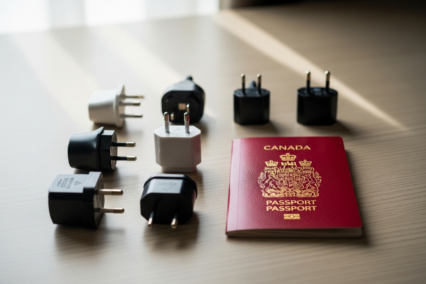
For Canadian travelers going to Ethiopia, it’s important to know about plug compatibility. In Canada, the most common plug is Type A and Type B. In Ethiopia, you will find Type C, Type F, and Type G power outlets. This means your Canadian plugs will not fit Ethiopian plug type C or plug type F outlets. You need to take a plug adapter with you.
A plug adapter helps your Canadian plug fit into different plug types you find in Ethiopia. The adapter does not change the voltage, so be sure to use it the right way, or you may need a voltage converter with it.
Most new gadgets like laptops and phone chargers are dual voltage. This means they can work with both 120V and 220V. Take a look at your device’s power brick to check. If it says “INPUT: 100-240V,” you only need to use a plug adapter. If it says only “120V,” you will also need a voltage converter.
-
Adapter Needed: You need a plug adapter to use your Canadian plugs in Ethiopia.
-
Compatible Plugs: Some countries in Europe and other places in Africa use plug type C and plug type F, which will also work with Ethiopian electrical outlets.
-
Dual Voltage Check: Always check if your device supports dual voltage before you plug it in so you don’t wreck it.
Preparing Your Devices for Ethiopian Outlets
Now that you know the differences, it’s a good time to get your electronic devices ready for your trip. The main things you will need are a travel adapter and sometimes a voltage converter. If you have devices that are dual voltage, you will only need a power adapter. This will let your power plug fit into the wall.
For any electronic devices that only have one voltage, you will need to do a bit more. Use the right things like a universal travel adapter or a voltage converter. Knowing when you need a power adapter and when you need a converter will help you avoid a broken charger or a device that gets ruined.
Choosing the Right Adapter for Canada-to-Ethiopia Travel
When you pick a travel adapter for your trip from Canada to Ethiopia, you get a few choices. You can buy a plug adapter that matches the plug type you will see the most, like type C or F. But, a universal travel adapter is a better option for most people. It is simple to use, it works in many places, and it’s good for the future.
Universal travel adapters work with many different sockets and plug types. This means you don’t have to worry about what you will find in Ethiopia. You can use the same adapter in other countries too. Most people find these on Amazon or in other online shops. It’s a good idea to get your plug adapter before you go, so you have time to see reviews and pick a good one.
When you look for a travel adapter, keep these things in mind:
-
An adapter only changes the shape of your plug, not the voltage.
-
A universal travel adapter is the best pick if you travel a lot.
-
If you buy before your trip, you can read reviews and get a plug adapter that works well.
With the right adapter, your stuff will work on your trip, and you will be ready for your time in Ethiopia or any other place you go next.
When Is a Voltage Converter Needed?
A voltage converter—sometimes called a voltage transformer—is what you need if your device only works on one voltage and can’t handle Ethiopia’s 220V power supply. A lot of Canadian appliances, like some old hair dryers or curling irons, are only made for 120V. If you try to use these in Ethiopia without the right power converter, there is a good chance they will break.
To find out if you need a converter, look at the label on your device. If it says “120V” or only shows one voltage, then you must use a voltage converter. The converter will drop down the different voltage from 220V to a safe level for your appliance. But if your device is dual voltage, such as “100-240V,” then you do not need a converter.
Most of today’s electronics like smartphones and laptops are set up as dual voltage. In most cases, you will only need a converter for basic appliances with high power use. If you have a Canadian or American appliance that uses a single voltage, never plug it into a socket in Ethiopia with just a plug adapter. The chance you will wreck your appliance is high if you only use an adapter and not a converter or transformer.
Tips to Safely Use Electronics and Appliances Abroad
Using your electronic devices in other countries needs some caution. Power can change up and down a lot in some places, and this can hurt your devices. One thing that can happen is that you plug a single-voltage device into a plug that gives out more voltage than it should.
So, it is a good idea to check the voltage for both the power plug and your device. This can help you avoid problems. You can use a travel surge protector to give your charger and electronic devices extra safety from sudden spikes in power. Also, do not put too many chargers or gadgets on one power plug adapter.
Here are some tips to keep your electronic devices safe:
-
Always make sure the voltage is correct for your device before plugging it in.
-
Use a travel surge protector to protect your electronics.
-
Do not plug high power things, like hair dryers, into a standard adapter that can’t handle them.
-
Unplug your charger and other devices when they are charged or if you are not using them.
Conclusion
To sum up, knowing about electrical outlets in Ethiopia is important for any Canadian who wants to use their devices while away from home. If you have the right details about plug types, voltage, and adapter needs, you can keep your stuff safe and working. Make sure you get ready before you go. Bring the adapters you need and know about the voltage in Ethiopia. This will help you avoid trouble with your electronics. Don’t let electrical problems ruin your trip. Make sure you have what you need to handle Ethiopia’s plugs and outlets. Have a good trip and hope you get great memories along the way!
Frequently Asked Questions
Can I use Canadian plugs in Ethiopian electrical outlets?
No, you can’t. In Canada, you use plug types A and B. In Ethiopia, they use plug types C, F, and G. The shapes of these plugs are not the same. So, you will need a plug adapter if you want to use your Canadian plug in the electrical outlets in Ethiopia.
What risks should Canadians be aware of with travel adapters in Ethiopia?
The main risk is to plug a device that uses only one voltage into Ethiopia’s 220V outlets. This can break your device. A travel adapter is useful, but it does not change the voltage. Power surges can also happen here. So, using a surge protector is a good idea. It helps keep your electronics safe from a power supply that is not stable.
Where can Canadians find reliable replacement chargers or adapters in Ethiopia?
It is a good idea to buy a travel adapter before you leave. You can also find a new adapter at major airports or in big electronics stores in large cities such as Addis Ababa. But keep in mind, the number of choices might not be many there. So it is better to get a good charger or adapter online ahead of time. Try using a site like Amazon for this.