Key Highlights
-
In Chile, you will see mostly type C and type L electrical outlets. These are not the same as what you use in Canada.
-
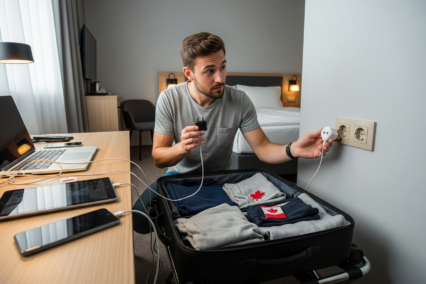
You will need a plug adapter if you want to connect your Canadian devices to the outlets in Chile.
-
The standard voltage in Chile is 220V. That is higher than the 120V used in Canada.
-
Make sure to check if your electronics are dual-voltage, like 110-240V. If they are, you will not need a voltage converter.
-
If your Canadian devices are only single-voltage, you will have to use a voltage converter for them to work in Chile.
-
Universal travel adapters are a good way to charge a few types of devices at the same time.
Introduction
Are you making plans for a fun trip to Chile? This country in South America has a lot to see. You can enjoy the Andes mountains and also walk around the busy streets of Santiago. As you get your itinerary sorted, there is one thing you should not forget. You will need to know how to keep your devices charged up. The electrical outlets in Chile are not the same as the ones you use in Canada. So, it is a good idea to plan ahead. That way, your phone, camera, and other things will always have enough power for your journey.
Understanding Electrical Outlets in Chile for Canadian Travellers
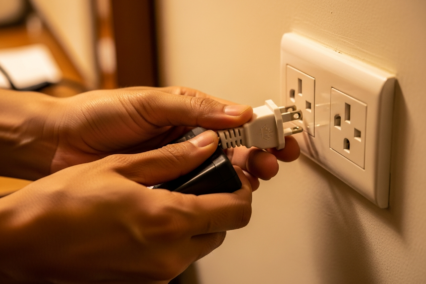
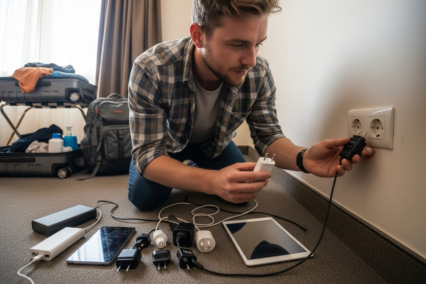
When you go to Chile, you will see right away that your Canadian plugs do not fit in the wall sockets there. The electrical outlets in Chile use a different plug type, so you cannot plug in your devices directly.
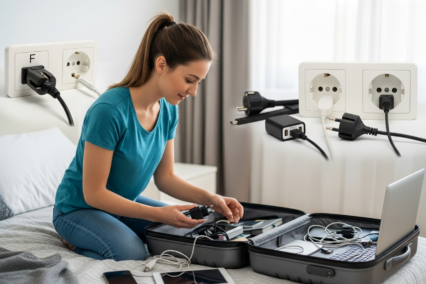
This happens a lot when you travel to other countries. The easy fix is to get a plug adapter. This tool lets your Canadian plug work with the Chilean outlet, so you can use and charge your devices.
Let’s talk more about the plug type and electrical outlets you will find in Chile.
Common Plug Types Used in Chile
Chilean electrical outlets use two main plug types. One is Type L, which has three round pins in a straight line. This is the most common outlet type you will see in the country.
You can also find Type C plugs. These have two round pins. This type is used a lot in Europe and works with many outlets in Chile. Some new buildings or hotels may have universal sockets. But, you should not count on finding them everywhere you go.
Knowing about these different plug types and outlet types helps you keep your devices charged. Type L and Type C plug types are not used in Canada. Because of this, you will need to bring an adapter. The best way to travel without stress is to bring a travel adapter that fits both Type L and Type C electrical outlets.
Differences Between Canadian and Chilean Outlets
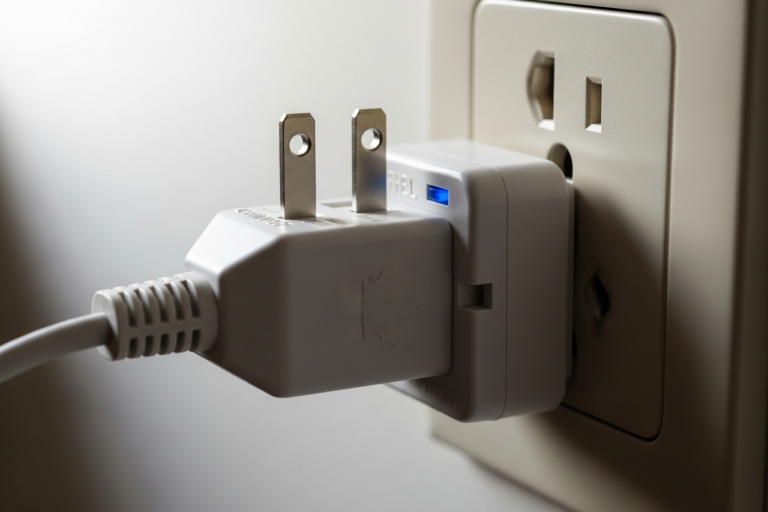
The main difference between Canadian and Chilean outlets lies in the shape of the plugs and the voltage they deliver. Canada uses Type A and B plugs, which have two flat parallel blades and sometimes a third grounding pin. In contrast, Chile uses Type C and L plugs with round pins. Because of this difference in shape, your Canadian plugs simply will not fit into Chilean outlet types.
This means you absolutely need a plug adapter for your electronics when visiting Chile. Without one, you’ll have no way to charge your phone, laptop, or camera. This applies to devices from the US as well, since they use the same plug types as Canada.
Here is a simple breakdown of the key differences:
|
Feature |
Canada |
Chile |
|---|---|---|
|
Plug Types |
A, B |
C, L |
|
Voltage |
120V |
220V |
|
Frequency |
60 Hz |
50 Hz |
Voltage and Frequency in Chilean Power Sockets
Beyond the shape of the plug, you also have to think about the supply voltage and how often the electricity flows, which is called the frequency. In Chile, the normal supply voltage is 220 volts (V), and the frequency is 50 hertz (Hz). This is not the same as what you get in Canada, where it is 120V and 60 Hz.
Because the voltage in Chile is higher, there can be a danger to your electronics if they can’t handle it. Some devices can use different voltages, but many can’t. Knowing about these rules for voltage and plug types helps keep your gadgets safe. Next, we will look at what this means for the devices you bring.
Standard Voltage and Frequency Explained
So, what do voltage and frequency mean for your travels in Chile? Voltage is measured in volts (V). It tells you the strength of the electric current. Chile uses a 220V system. This is higher than the 120V used in Canada. If you plug a device that only works with 120V into a 220V outlet, you could break it for good.
Frequency is measured in hertz (Hz). This number tells you how many times the electric current changes each second. In Chile, the frequency is 50Hz, but in Canada, it is 60Hz. For things like phones or laptops, this change in hertz is not a big deal.
But, the voltage difference is very important. You need to check the voltage requirements of every device you want to bring. You can find the voltage information on your device’s power cord, plug, or on the device. Knowing that Chile uses 220 volts is key for safe charging.
Risks and Precautions for Canadian Devices
Using your Canadian electronics in Chile can be risky if you do not take the right steps. The big problem is the higher voltage in Chile. This can damage the circuits in devices that are not made for it. To know if your device will work, look at its power label and see what the voltage requirements are.
A lot of new electronics, like laptops and phone chargers, are dual voltage. They can handle a wide range of voltages. You might see “INPUT: 100-240V” on the power label. If it does show this, your device has compatibility with power in Chile. You will only need a plug adapter. But if you see the label says something like “INPUT: 120V,” it is single-voltage. You will need a voltage converter to reduce Chile’s electricity from 220V.
To keep your electronics safe, here are a few things you can do:
-
Always look at the power label to know the voltage compatibility.
-
Get a voltage converter for single-voltage items.
-
You can use a surge protector to help with power swings.
-
If you are not sure, do not plug it in. It is better to be safe.
Adapters, Converters, and Choosing the Right Solution
Now that you know the differences between plugs and voltage, let’s go over what you need. The two main things to think about are a plug adapter and a voltage converter. It’s very important to know which one you should take, because they do things that are not the same.
A plug adapter is there to change the shape of your plug so it can go into another outlet. A voltage converter changes the voltage, not the plug. If you use the wrong one, your device might not work. It could also get damaged. This is why you need to know when to bring a plug adapter or a voltage converter for a trip to Chile.
When You Need an Adapter vs a Converter
You will always need an adapter plug in Chile if you have a device from Canada. The plug type there is different, so the adapter lets your electronics fit the wall socket. The adapter works like a go-between to help connect plugs that are not shaped the same.
A voltage converter is only needed for some devices. You will need a voltage converter, or voltage transformer, if your electronic device is only made for 120V and you want to use it in Chile, which has 220V. This is true for things like older hair dryers or some electric shavers.
For most travel gadgets made today, they work as dual-voltage (100-240V peoples). You will not need a converter for these. Take time to check the label on your device. If it says it can use 240V, you only need the adapter plug. Using a converter with a dual-voltage device could break it.
Universal Travel Adapters and Their Benefits
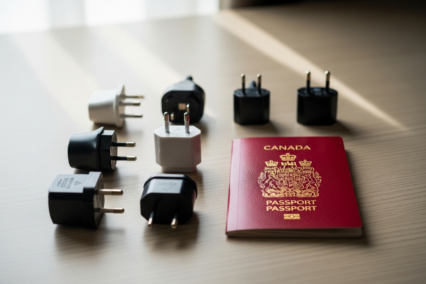
A universal travel adapter is a great idea for any international traveller. You don’t have to buy a separate adapter for every place you go. A world travel adapter puts many plug types into one small device. These adapters are safe to use in Chile if you buy a good one.
This handy gadget has sliders or turning parts, so you can pick the right plug set for the country you’re in. Many new travel adapters even come with usb ports. You can plug in your phone and other gadgets right into the adapter. You don’t need to bring all your power bricks. This helps you save space in your bag.
Buying a good travel adaptor can make packing easy. It helps you stay ready for any power outlet during your trip.
-
Versatility: Works in many countries, not just Chile.
-
Convenience: Often includes usb ports for direct charging.
-
Compactness: One device replaces a bag of different adapters.
-
Safety: Look for models with built-in surge protection for added security.
Must-Have Electronics and Packing Tips for Canadians Travelling to Chile
When you pack your electronics for Chile, think about your itinerary and pick what you really need. Most people bring a smartphone. Some also take a camera, and maybe a laptop or a tablet. The main thing is to check the compatibility of each gadget before you pack.
Take some time before you leave to read the power labels on your chargers and devices. This step can keep you from problems like not being able to charge or breaking your device. Now, let’s look at some important devices and ways to make sure they work in Chile.
Essential Devices to Bring and Their Compatibility
What you need for electronics will depend on how you travel. But there are some things that most people take to Chile. Your smartphone is usually the top pick—it helps with getting around, taking photos, and keeping in touch. The good news is that almost all new phone chargers support dual voltage, so you will just need a plug adapter.
This is also true for laptops, digital cameras, and tablets. Most of these are made with international travel in mind, so their power supplies have dual voltage compatibility. You can use your laptop and phone from Canada in Chile if you have the right plug adapter. But you should always double-check the voltage requirements for each electronic device before you go.
Some things, especially those with a lot of power, need more care.
-
Smartphones and Laptops: They almost always have dual voltage. Look for “100-240V” on the charger label.
-
Cameras: Most digital cameras have dual voltage chargers.
-
Hair Dryers/Straighteners: These are often single voltage. It’s a good idea to get travel-size models with dual voltage, or just don’t bring them.
-
Electric Shavers: Always check their voltage requirements closely.
Tips for Charging Laptops, Phones, and Other Gadgets
Charging your laptops, cell phone, and other gadgets in Chile is simple and safe if you prepare well. Since most devices are dual voltage, you just need the right plug adapter for Chile.
It helps a lot to bring a portable power bank. Charge it all night in your hotel room, then use it to power up your cell phone or camera as you go out for the day. This is helpful in places where plugs are hard to find. A multi-port USB wall charger is good to have too because it lets you charge many devices with just one outlet and one plug adapter.
To make charging easy while you are in Chile, keep these things in mind:
-
Use a universal travel adapter that has USB ports built-in.
-
Take a portable power bank so you can charge your things on the move.
-
Use a power strip if you want to plug in many devices at once, but make sure you use one adapter for it.
-
Charge your most important device, such as your cell phone, first.
Accommodation and Local Options for Charging Your Devices
When you travel to Chile, it’s smart to plan ahead. It’s always a good idea to pack what you need, but if you forget, you may still be able to charge your plug in device when you get there. Many hotels in Chile,specially the big ones in Santiago, know that visitors have problems with different plug types. They often try to help with these issues.
But not every place will help you. You should not think every hotel or guesthouse will give you what you need. Some small hotels or rental places may not have a plug adapter for your device. Now, let’s look at what you can find in hotels and where to get an adapter in case you did not bring one with you.
Availability of Plug Adapters and Power Strips in Chilean Hotels
Hotels in Chile may have a plug adapter for you, but it is not something you can count on all the time. Big hotels, and also well-known hotel chains in big cities, could have a few adapters at the front desk that people can borrow. Some hotels may even use wall outlets that let you plug in different types of plugs.
But you need to know that this is not something every hotel will do. It is just a nice thing some places offer. If you stay in a smaller hotel, a tiny shop hotel, or go somewhere far from the main city, you likely will not get a plug adapter from them. It is best not to expect your hotel to have one.
There is also the fact that hotels in Chile do not often give you a power strip. When you want to plug in and charge more than one device, it is good to bring your own power strip with you. You also need at least one plug adapter so you can use the outlet in Chile. This is the best way to make sure you have power for all your gear.
Where to Buy Suitable Power Adapters Locally
If you get to Chile and do not have an adapter, do not worry. You can find one after you arrive, but you may have to look around. This can take up some of your travel time. The best plan is to start at shops that focus on electronics, hardware, or travel items.
If you are in Santiago, there will be many choices. Big stores and local “ferreterías” (hardware shops) are good places to start. You might also look at airport shops, but the price will be higher there. Ordering from a website like Amazon does not work well if you have only a short stay, because shipping takes too long.
Here’s where you can look for a power adapter:
-
Large electronics stores (“tiendas de electrónica”).
-
Hardware stores (“ferreterías”).
-
Some bigger supermarkets or department stores, in the electronics section.
Conclusion
To sum up, it’s important to know about the electrical outlets in Chile before you go. If you are from Canada, take some time to learn about how plugs, voltage, and electric current are different. This will help you have a good trip with no trouble. Take a look at your gear and make sure you pack the right adapter and converter. This will keep your devices working, so you don’t have to worry about them running out of power. You should also check if your hotel or place to stay has good charging options. That way, you can save time and not stress out. When you plan ahead like this, you get to enjoy everything Chile has to offer. If you’re set to travel, make sure to bring what you need for your trip to be easy and fun.
Frequently Asked Questions
Can I safely use my Canadian laptop and phone in Chile?
Yes, you can use your Canadian laptops and cell phone in Chile without any problem. Most of these have dual voltage compatibility, so they can work with the 220V power in Chile. Just look at the charger to see if it says “100-240V”. You will need to bring a plug adapter, like a Type C or Type L, to fit the plugs in Chile.
Do hotels in Chile provide plug adapters or power outlets for travellers?
Some nice hotels in Chile might have a few plug adapters at the front desk. Some may also have universal outlets for power supply. But this is not common. You should not count on your hotel to give you a plug or adapter. It is smart to bring your own plug adapter when you visit Chile.
Are universal power adapters safe for charging all my devices in Chile?
Yes, a good universal power adapter can be a safe and easy way to charge your things in Chile. The adapter will fit many plugs, like the type C and L you see in Chile. Make sure the adapter does not change the voltage. It is best to use it only if your things say they work with both voltages.