Key Highlights
-
In Canada, you will find type A and type B electrical outlets. They are the same as what you see in the rest of North America.
-
The standard voltage is 120 volts. The power frequency is 60 Hz in all Canadian provinces.
-
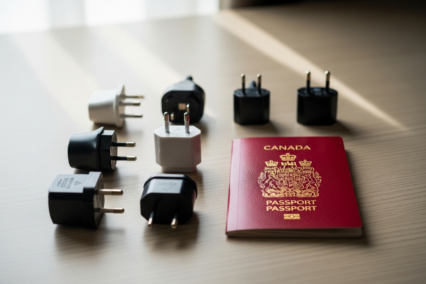
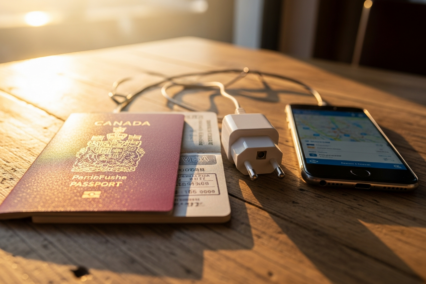
If your appliances have a different plug shape from what is used in Canada, you will need a plug adapter for your Canadian vacation.
-
You have to use a voltage converter for appliances that are single voltage and made for a different voltage, like many European devices.
-
Most laptops and phone chargers—you know, what many people use every day—are dual voltage. For them, a plug adapter is all that is needed.
-
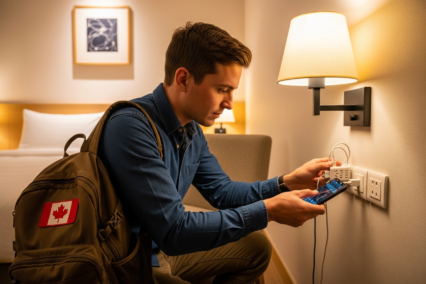
You can get travel adapters and voltage converters at hardware stores in Canada, or you can buy them before your trip.
Introduction
Getting ready for a trip to Canada is fun. But have you thought about how you will charge your devices? Knowing about the electrical outlets in Canada is an important part of planning your trip. This guide will tell you what you need about the plugs, sockets, and power needs in Canada. You will learn about the types of electrical outlets there, if you need an adapter or converter, and where to get them. This way, you can stay connected during your trip and keep your devices powered the whole time.
Understanding Electrical Outlets in Canada
When you go to Canada, you will see that the electrical system is simple and the same in all parts of the country. The standard voltage is 120 V, and it runs at 60 Hz. This is just like what you find in the United States and other places in North America. This means if you are coming from the United States, you should be fine with your devices.
You will find that the most common electrical outlets and sockets you see are type B. Some people might say the voltage is 110 V, but that is just an old designation. The up-to-date standard voltage in Canada is now 120 V. Let’s talk more about outlet types and what you should know to make sure your plugs will work.
Common Canadian Outlet Types and Plug Shapes
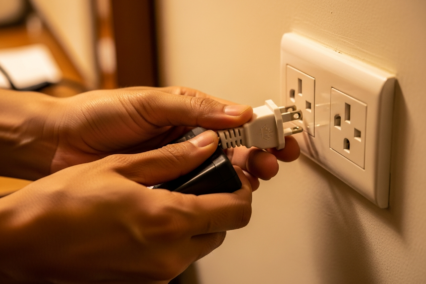
In Canada, you will see two main kinds of electrical outlets. One is Type A and the other is Type B. Type A sockets come with two flat slots that are set side by side. Type B sockets also have two flat slots, but they add a round pin at the bottom. The Type B outlet is now the most common in Canada. It is used for new places because it is safer.
The power plug you use with your device should be the right type for these sockets. A Type A plug has two flat prongs. You can put it into both Type A and Type B sockets. But a Type B plug comes with two flat prongs and a round pin. It works only in a Type B power socket.
The canadian electrical sockets that you will find in Canada are the same as in the United States and in other places in North America. If you come from Europe or Australia, the plug looks different. Your devices will not work in canada without an adapter for these sockets.
Voltage, Frequency, and Compatibility with International Devices
The standard voltage for electrical outlets in Canada is 120 volts. The frequency is 60 hertz. This is the same for all of North America. You should check your devices first to see if they work with this standard voltage before you plug them into an outlet.
A lot of newer electronics, like laptops, tablets, and phone chargers, are built to be dual voltage. You can find out by looking at the label on the power supply. If it says ‘INPUT: 100-240V, 50/60Hz’, then your device will work in Canada and most other places. You just need a plug adapter to make your plug fit the Canadian electrical outlets.
If you have a single voltage device made for 220-240 volts (which is common in Europe, Asia, and Australia), you will need a voltage converter to use it in Canada. If you plug it in without a converter, the device could overheat or break early. That is why having the right adapter or converter is so important for your electronics.
Using Your Electronics in Canada
Getting your electronics ready to travel to Canada is easy when you know what you need. Most people only have to think about the shape of the plug. If your plug does not fit into the outlets in Canada, you just need an adapter.
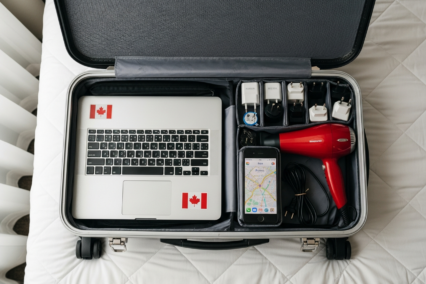
Some appliances may need more than that. Things like hair dryers or electric razors that have a motor or a heating part might need a voltage converter. It is important to look at your device’s power label. The label will tell you if the appliance is dual voltage or if you need a converter to keep it safe. Let’s talk about when you will need an adapter or a voltage converter for your appliances.
When You Need a Power Adapter or Voltage Converter
Figuring out if you need a plug adapter or a voltage converter comes down to two things. You need to check the type of plug shape you have and the voltage the device uses. A plug adapter is made to help your plug fit into an outlet that is shaped differently. It does not change the voltage of the electricity.
You will need a plug adapter if:
-
Your device’s plug is not type A or type b.
-
You are travelling from a country in Europe, Australia, Asia, or any place outside north america.
-
Your device is dual voltage, for example, if you see ‘INPUT: 100-240V’ on it.
A voltage converter is not the same as an adapter. The converter changes the voltage from the wall so it matches what your buy or device needs. You will need a voltage converter if your device is single voltage and does not work with canada’s 120 V outlets. You can find both a plug adapter and a voltage converter, even a universal adapter that works for many countries, in stores and online.
Plug Type Comparisons: US, Australia, and Other Countries
The plug situation is simplest for visitors from the United States. Canadian and US power plugs and outlet types are identical, so you won’t need any adapters or converters for your devices. You can plug them in just like you would at home.
However, for visitors from different countries, the story is different. Australia, for example, uses Type I plugs, which have two flat prongs in a ‘V’ shape and sometimes a third grounding prong. These are completely incompatible with Canada’s Type A and B outlets. Travellers from Australia will need a plug adapter.
Similarly, visitors from Europe, the UK, and many other parts of the world will find their plugs don’t fit. The table below gives a quick comparison.
|
Traveller’s Home Country |
Common Plug Type |
Adapter Needed in Canada? |
|---|---|---|
|
United States |
A / B |
No |
|
Australia / New Zealand |
I |
Yes |
|
United Kingdom / Ireland |
G |
Yes |
|
Most of Europe |
C / F |
Yes |
Buying Electrical Accessories in Canada
Did you forget to pack an adapter? Don’t worry about that. When you come to Canada, it’s easy to get the electrical items you need. You will find travel adapters, voltage converters, and new receptacles in many stores in the country.
Big hardware stores and the electronics shops are best for finding a lot of choices. It’s better to buy the things you need before the trip, so you won’t spend your precious holiday time shopping. Still, it’s good to know you can get adapters or other electrical items if you need them in Canada. Next, we will talk about where you can buy these items and how to pick safe ones.
Where to Find Electrical Outlets, Receptacles, and Travel Adapters
You can get travel adapters and other electrical items in many stores all over Canada. If you come as a tourist and land at a big airport, most airport shops will sell them. But, the price at the airport can be high.
For better prices and more to choose from, it is good to go to a store that only sells these things. You can find a great selection of travel adapters, outlets, and receptacles at places like:
-
Large hardware stores. You can try Home Depot, Rona, or Canadian Tire.
-
Electronics stores.
-
Big department stores.
-
Online stores like Amazon.
People in Canada doing home changes or travellers that need an adapter can all get what they need at these stores. Hardware stores are a great place if you want a special outlet, like a GFCI or USB one.
Tips for Choosing Safe and Approved Products
When you buy any electrical product, you should put safety first. If you use an adapter or converter that is not certified or is made badly, you can start a fire or damage your things. You always need to choose products that are approved by a big safety group.
In Canada, you should check for approval marks from groups like the Canadian Standards Association (CSA) or Underwriters Laboratories (UL/cUL). These signs show that the item, like an adapter or converter, was tested and meets Canada’s safety rules.
To help you find a safe product, follow these tips:
-
Buy from well-known stores, like hardware stores or big online sellers.
-
Look for CSA or UL marks on the box.
-
Be careful with no-name products that are very cheap or look too good.
-
If you buy online, read what other people say to see if they had any safety problems.
Dealing with Outlets That Don’t Match Your Device
When you get to your place and find that your plug will not fit in the wall outlet, it can make you feel upset. Many people who travel to other countries run into this. The good thing is that there are easy ways to fix this problem. The main thing is to know what you need so you can connect your device and stay safe.
If you are on a trip or you just moved and want to use your things at home, do not worry about buying all new electronics. Most of the time, you just need an adapter or maybe a voltage converter to go between your plug and the outlet you find in Canada. Let’s talk about what you can do when faced with this.
What To Do if Your Device Plug Doesn’t Fit
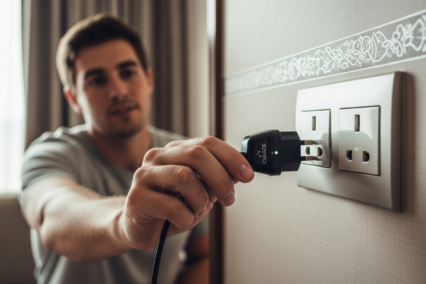
If you see that your device’s plug does not fit a Canadian outlet, the first thing to do is stay calm. Do not try to push the plug in. This can break the plug or socket. It can also be dangerous. You just need a simple tool.
The best answer is usually a plug adapter. This small item goes on your plug and changes its shape to fit the Canadian Type A or B socket. If your device uses dual voltage, you only need this plug adapter. If your device does not support dual voltage, you also need a voltage converter.
Here is what you should do:
-
Confirm the outlet is Type A or B.
-
Check your device for the voltage label (‘100-240V’) to see if it uses dual voltage.
-
If you use dual voltage, get a plug adapter.
-
If your device has single voltage (like 230V), get a voltage converter or a combination adapter/converter. A world travel adapter can be a good buy for other trips.
Solutions for Travelers and Residents Alike
The problem with plugs that don’t match is not just for people who come to Canada for a short trip. It can also be for new residents who bring appliances from other countries. The good thing is, the fixes will help both visitors and those living in Canada for a long time in all Canadian provinces.
If you travel, a universal plug adapter is often the best and easiest choice. These adapters use sliders and settings to fit many outlet types over the world. Many people like them for travel because they last a long time and work in different countries. If you live in Canada, you may want a more lasting fix.
Here are some options for travelers and residents:
-
Travellers: Take a small or universal plug adapter with you. It is simple to carry and use.
-
Residents: If you use an appliance every day, you can have an electrician change the plug to a Canadian one. You can also use a special converter.
-
Everyone: Look at your devices. Many new ones have power supplies that let you switch plug types for different countries.
-
USB Power: Hotels and public places in Canada often have USB ports for charging. This means you can charge some devices without a plug adapter.
Conclusion
To sum up, knowing about electrical outlets in Canada is important for anyone who wants to travel or move here. If you learn about the kinds of plugs and the voltage, you will find it easier to use your devices. Make sure you have the right adapters so you can stay connected. Whether you are getting used to the way power works in Canada or searching for good electrical accessories, it helps to know these things. Stay powered up and ready to go. If you need more info or help about electrical outlets or voltage in Canada, reach out to us. We are here for you.
Frequently Asked Questions
Are Canadian power plugs different from those in the United States?
No, Canadian power plugs are the same as the ones in the United States. Both Canada and the US use type A and type B outlet types. These plugs run on the same 120 V and 60 Hz. When you travel between Canada and the United States, you can plug in your electronics right away. You do not need an adapter.
Can I use my US laptop charger with Canadian outlets?
Yes, you can use your US laptop charger with outlets in Canada. Both the US and Canada use the same voltage and plug type. Your charger will work fine with no problems. You do not need a plug adapter or voltage converter for your laptop.
Do different provinces in Canada have unique outlet shapes?
No, there are not any special outlet shapes in each province in Canada. The whole country uses Type A and Type B sockets. If you are in British Columbia, Quebec, or Nova Scotia, you will find the same plug and outlet system everywhere. This makes it easy to use your electronics when you travel in Canada.