Key Highlights
-
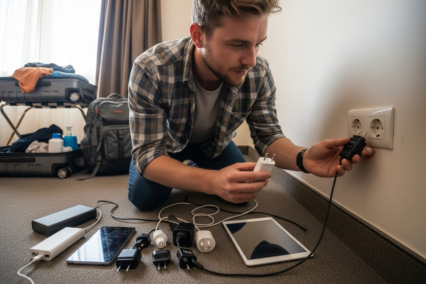
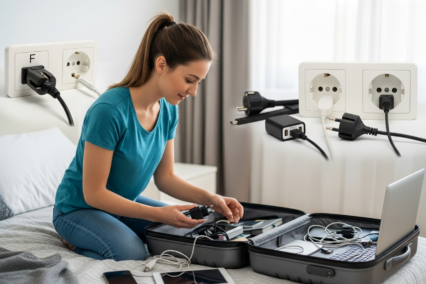
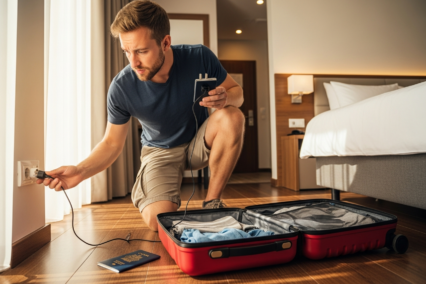
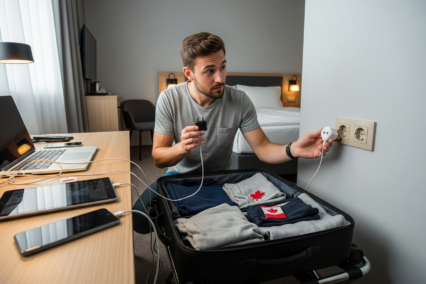
In Brazil, most outlets are Type N, but you can still see some old Type C sockets.
-
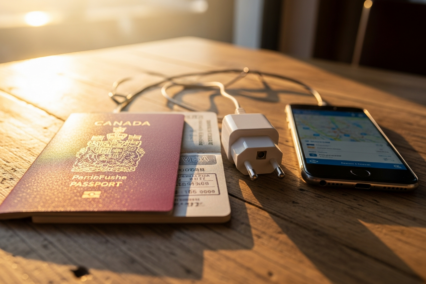
Plugs from Canada, which are Type A and B, do not fit in Brazil’s outlets, so you need a travel adapter.
-
The usual plug types in Brazil are Type N and Type C. Both have round pins.
-
The voltage in Brazil can change by area. It can be 127V or 220V. This is not the same as 120V in Canada.
-
You will need an adapter for your Canadian plugs that can go into Type N or Type C sockets in Brazil.
-
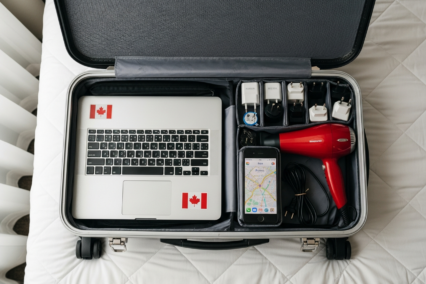
Check your device to see if the voltage matches. If not, you might have to use a voltage converter, especially for those with only one set voltage.
Introduction
Are you planning a trip to Brazil? That sounds great! Before you get busy with booking flights or packing your bags for the beaches, one thing you should remember is the electrical outlets. It is important to keep your devices charged and stay connected, especially when you travel. This simple guide will help you understand Brazil’s power system. You will learn about plug types, voltage, and which adapter you need. With this info, you will be ready for your trip and won’t have any trouble with your devices.
Understanding Electrical Outlets in Brazil
When you get to Brazil, you will see that the wall sockets do not look like the ones you have at home. The main kind they use now is the Type N socket. Still, you can find the older Type C socket in some older buildings.
It is good to know about these plug types if you want your Canadian devices to work. The big difference is in the way the pins are shaped and set. Let’s take a look at these plug types you will find in Brazil and how they can affect your things.
Common Plug Types Used in Brazil (Type C and Type N)
Brazil’s electrical landscape features two main plug types: Type C and Type N. The Type N plug and socket system is the official international standard for the country, introduced to end the proliferation of different socket types. This modern system is based on the IEC 60906-1 standard and is designed for safety and compactness. It features two round power pins and a grounding pin.
However, you’ll still find Type C plugs and sockets, especially in older buildings or on some appliances. The great thing about the Type N socket is that it was designed to be compatible with the ungrounded Type C plug. This means you can plug a Type C device into a Type N outlet without any issues.
Here’s a quick comparison of the two plug types:
|
Feature |
Type C Plug |
Type N Plug |
|---|---|---|
|
Pin Shape |
Two round pins |
Two round pins and a grounding pin |
|
Grounding |
No |
Yes |
|
Compatibility |
Fits into Type C and Type N sockets |
Fits into Type N sockets |
|
Common Use |
Older outlets and some appliances |
The current Brazilian standard |
Compatibility of Canadian Plugs with Brazilian Outlets
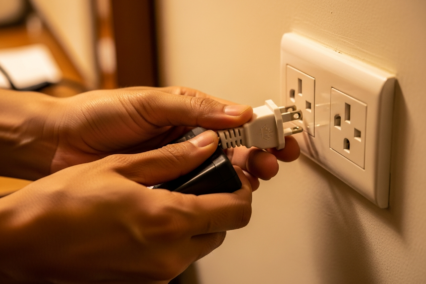
Your Canadian plugs use Type A and Type B. Type A has two flat side-by-side pins, and Type B has two flat pins with a round grounding pin. These do not fit straight into outlets in Brazil. The plug types in Brazil, Type C and Type N, use round pins. So, your flat-pronged Canadian plugs will not fit in Brazil’s round-pin sockets.
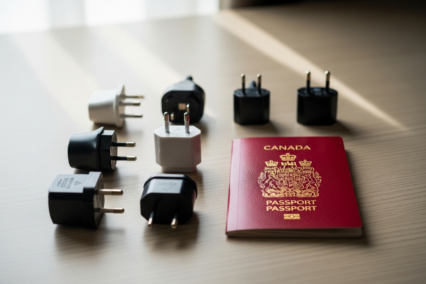
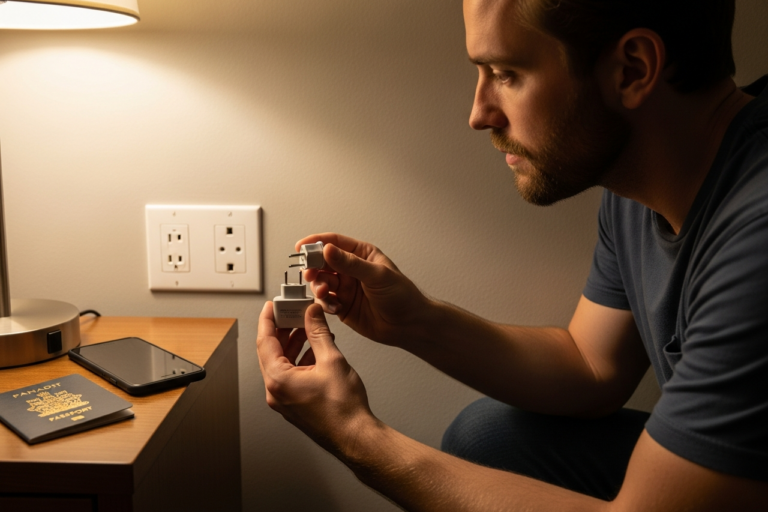
Because of this, you will need a travel adapter to use your devices. You have to have an adapter that lets your Canadian plug work with a Brazilian socket. The adapter will connect your Type A or B plug to a Type C or Type N socket.
To keep your devices running in Brazil, remember:
-
Your regular Canadian plugs will not work in Brazil.
-
You need to bring a travel adapter in your bag.
-
The adapter must join your flat-pin plugs to Brazil’s round-pin type n or type c sockets.
-
For more safety and top compatibility, a grounded Type N adaptor is a good choice.
Voltage and Power Standards in Brazil
Besides the shape of the plugs, you also need to think about the electrical voltage. In Brazil, there is no single standard voltage for the whole country. The power supply may be 127V in some places and 220V in others. It can change not only from city to city but also from building to building. This is not like Canada, where you have a steady 120V everywhere.
This difference means you need to check your devices before you plug them in. If you use something that works only at 120V in a 220V outlet, it can break your device for good. We will go over how you can check your devices and know when you need a voltage converter or a transformer.
Voltage Differences Between Brazil and Canada
The basic difference in power standards between Canada and Brazil is the voltage. Canada uses a stable standard voltage at 120V. In Brazil, the power supply is not the same everywhere. Some places use 127V. This is close to Canada’s standard, so most devices will work fine. But big cities like Brasília and Recife use 220V.
The higher voltage can damage your electronics if not made for it. If you plug a 120V-only device into a 220V socket, it can overload. It may burn the device and cause a safety risk.
Before you plug anything in, make sure you know the local voltage. Hotels will have this info for you. Always look at your device labels to see what voltage they can use. This helps you avoid trouble or losses during your trip.
Do You Need a Power Adapter or Converter?
You will need a plug adapter when you go to Brazil. But if you need a voltage converter or not depends on your appliances. The adapter helps your plug fit into the wall socket. The voltage converter or transformer changes the voltage from the wall so it is right for your device.
First, find the label on the power cord or the power brick of your device. Many modern electronics, like laptops, phone chargers, and even camera chargers, are “dual voltage.” They can use many voltages and often show something like “INPUT: 100-240V.” If you find this on your device, you need only a plug adapter, not a voltage converter.
Some appliances, like hair dryers or electric shavers, may have “single voltage” on their labels, often just “INPUT: 110-120V.” If you have a single-voltage device, you will need a voltage converter to use it in places of Brazil that have 220V or you might break your device.
-
Adapter: You will always need this to fit the plug in the socket.
-
Converter: You only need this if you have a single-voltage device where the voltage is 220V.
-
Always check your device’s label to see the voltage compatibility.
-
Laptops and phones are almost always dual voltage, so you will not need a converter for them.
Conclusion
To sum up, knowing about the plug types and voltage used in Brazil is key for a smooth trip. If you understand what kind of outlets and voltage there is, and bring the right power adapters, your gadgets will work well when you travel. Don’t let little problems with your plugs and devices ruin your visit. If you are ready, you can enjoy all that Brazil has for you. If you plan to go soon, you can ask for a free meeting to make sure your tech is ready before you head out.
Frequently Asked Questions
Will my Canadian laptop and phone chargers work in Brazil?
Most modern laptops and phone chargers are dual voltage. This means they can work with both 120V and 220V. You will need a travel adapter to fit the outlets in Brazil. You may not need a voltage converter. Always check the small print on your charger to be sure about its voltage compatibility.
Where can I purchase a travel adapter for Brazil in Canada?
You can find a travel adapter for Brazil at electronics stores, travel shops, or on big online sites like Amazon and eBay in Canada. Make sure to get a “Type N” adapter or a universal adapter that has the Type N plug to keep compatibility with Brazil sockets.
Are universal outlets available in Brazilian hotels?
Some of the newer or high-end hotels, mostly in big tourist spots like Rio de Janeiro, might have universal outlets. These work with many plug types. Still, you can’t count on this being the case all the time. It’s best if you bring a universal adapter with you. This way, you know you can charge your devices no matter what kind of socket your hotel uses.