Key Highlights
-
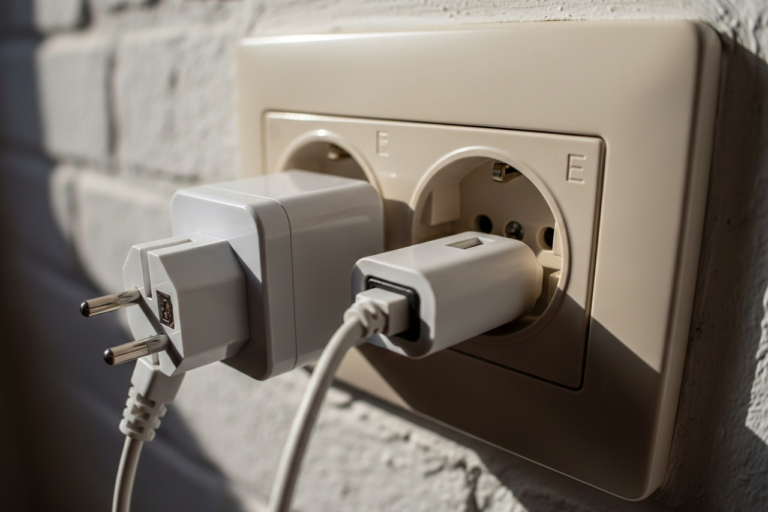
In Belgium, most of the electrical outlets are Type E. These also work with Type C and Type F plugs.
-
The voltage you’ll find in Belgium is 230V and the frequency is 50 Hz. This is not the same as Canada, where it is 120V.
-
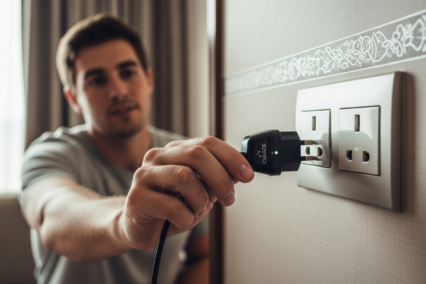
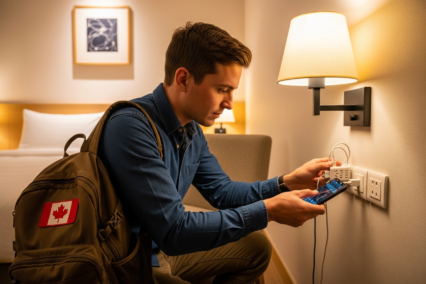
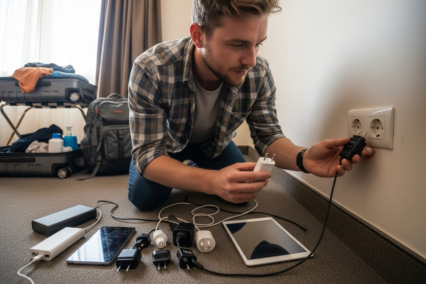
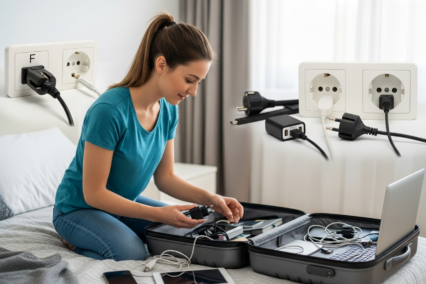
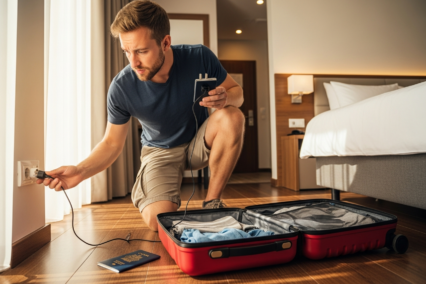
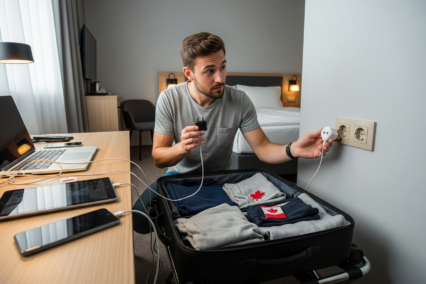
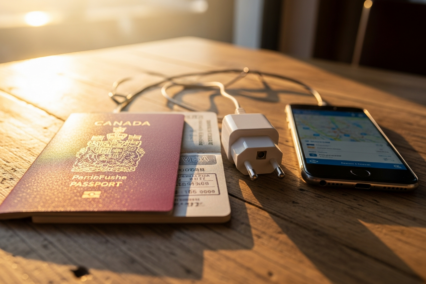
If you are from Canada, you will need a travel adapter so you can plug your devices into a Belgium socket.
-
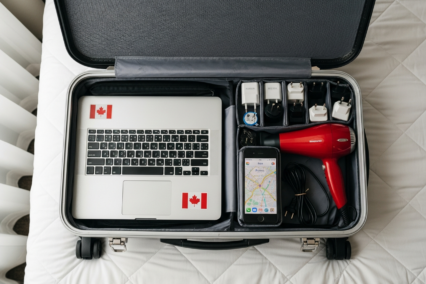
Check your devices for compatibility. Many new devices have dual voltage, but some might need a voltage converter.
-
The main plug types in Belgium are Type C and Type E. These have two round pins.
-
You will need to bring a travel adapter. This will help your Canadian devices fit Belgian electrical outlets and make sure their compatibility is right.
Introduction
If you want to see Brussels’ nice streets or take in the pretty canals in Bruges, you are in for a great trip. Planning this is very exciting. But before you start to pack your things, you should think about something important. The electrical outlets in Belgium are not the same as the ones in Canada. The plug types, voltage, and plugs are different there. It is important to know these things before you go. This guide will tell you what you need to know about electrical outlets, plug types, and how the voltage works in Belgium. It will also explain why a travel adapter is a key thing to take in your bag.
Types of Electrical Outlets in Belgium
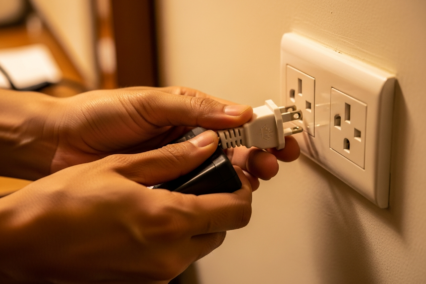
When you get to Belgium, you will see that the sockets there are not the same as the ones you may be used to. Belgium uses something called type e sockets. You will see that these have two round holes and a metal pin that sticks out.
You might also see type c plugs in Belgium. The good thing is, type c plugs can fit into type e sockets. Both plug types come with two round pins. This is something you will find in a lot of places in Europe. We will talk more about these plug types so you can know if your things will work with them.
Overview of Plug Types (Type C and Type E)
The two main plug types you’ll encounter for use in Belgium are Type C and Type E. The Type E socket is the standard for wall outlets in the country. It’s designed for safety with a grounding pin. While you won’t find Type C wall outlets being installed anymore due to safety regulations, the Type C plug is still very common on many devices.
A Type C plug, also known as the “Europlug,” has two round pins and is ungrounded. It fits perfectly into a Type E socket. The Type E plug also has two round pins but includes a female contact to accept the grounding pin from the Type E socket. Interestingly, modern hybrid plugs (CEE 7/7) have been developed to be compatible with both Type E and Type F sockets, which are common in other parts of Europe like Germany.
|
Plug Type |
Characteristics |
Compatibility in Belgium |
|---|---|---|
|
Type C |
Two round pins, ungrounded. |
Fits into Type E sockets. |
|
Type E |
Two round pins, with a hole for the socket’s grounding pin. |
Standard plug for grounded appliances, fits Type E sockets. |
Compatibility with Canadian Devices
Your Canadian devices use Type A and B plugs. These have flat prongs. They will not fit into Belgian sockets, as those have round pins like a Type E plug. So, you need a plug adapter to use your electronics there. But, compatibility is about more than the shape of the plug.
You need to check the voltage, too. Many new gadgets like laptops and phone chargers are dual voltage. This means they work with North American (120V) and European (230V) electricity. Check the label on your appliance’s power brick. If it says “INPUT: 100-240V, 50/60Hz,” you just need a plug adapter in Belgium.
If your device is single voltage and only says 120V, then you need a voltage converter. This will let it work safely in Belgium. If you use a single voltage Canadian appliance in Belgium without a converter, it could break your device.
-
Dual Voltage: Devices that are marked “100-240V” will need only a plug adapter.
-
Single Voltage: Devices marked “120V” will need a plug adapter and a voltage converter.
-
Plug Shape: Canadian plugs (Type A/B) do not match with Belgian sockets (Type E and round pins).
Understanding Belgium’s Voltage and Frequency
The shape of the plug is not the only thing that is different in Belgium. The power supply there also changes. In Belgium, the voltage is 230 volts. The power system runs at a frequency of 50 Hz. In Canada, the voltage is only 120 volts, and the power runs at 60 Hz.
This is a big difference. It is very important for the safety and use of your electronic devices. You need to know these numbers when you travel. This will help you see if you need more than a simple plug for your trip. Let’s go over what this means for the electronics you want to bring with you.
Standard Voltage Used in Belgium
The power supply that you get at every socket in Belgium is 230 volts. This amount of voltage is the same in most of Europe too. So when you plug your device into a Belgian socket, you will get 230 volts.
If you travel to Belgium, you need to know this. Most devices from Canada work at only 120 volts. This is almost half the voltage you will find in Belgium. If you plug a 120V-only appliance into a 230V socket, even with an adapter, you can damage your device badly. It might even start a fire.
So, always look at your device’s voltage before you plug it into any socket in Belgium. Doing this only takes a little time and can save you from big problems. Most new chargers for things like laptops and phones can work with both voltages, but older items may not work.
Devices That Require a Converter or Transformer
If your device is not dual voltage, you need to use a voltage converter or a transformer. These devices turn the 230V from the Belgian plug into 120V. This is important because your single voltage appliance will only work with a lower voltage to be safe. It is a must-have tool for some types of electronics.
Some appliances that may need a voltage converter are often items that use a lot of power or are a bit old. You have to check things like hair dryers, hair straighteners, and electric shavers, especially if they are not made for travel. It is good to look at the label on your appliance to check its voltage compatibility. People from the UK do not need to worry as much about voltage, but Canadians have to pay close attention.
Here are some things that might need a voltage converter:
-
Single voltage hair dryers or curling irons
-
Older electric razors or toothbrushes
-
Some kitchen appliances you might want to bring
Remember, a converter is not the same as an adapter. An adapter just changes the plug shape, but a converter changes the voltage so your appliance can work safely.
Travel Adapters for Canadians Visiting Belgium
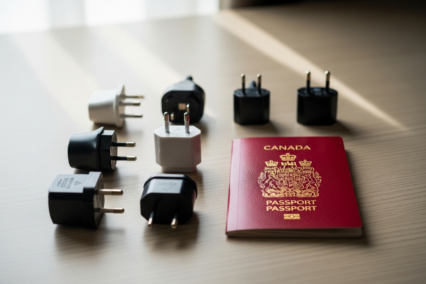
Let’s get right to it. If you are a Canadian who wants to visit Belgium, you do need a travel adapter. Your usual flat-pronged plugs from Canada will not work in Belgium because their sockets are round. You need a travel adaptor or plug adapter, as this small thing lets you use the outlets there.
This is something you must take if you want to charge your phone, your laptop, or your camera. After this, the main things to think about are which travel adapter to buy and where you can get one that works well. We will talk about that next.
Do You Need an Adapter?
To put it in simple words, yes, you do need a travel adapter to plug a Canadian plug into a Belgian socket. The two plugs are not shaped the same at all. You cannot connect them without an adapter. You will need this small and very important accessory for compatibility.
A travel adapter only lets the plug fit. It does not change voltage. If you use dual voltage devices like laptops or phones, you just need a travel adapter. You plug your Canadian charger into the adapter. Then, you plug the adapter into the Belgian socket.
If you have single voltage electronics, you need both an adapter and a voltage converter, for added safety. With these, you will both connect your plug and keep your devices safe from voltage differences.
-
For all Canadian devices: You will need a travel adapter that fits the shape of the plug.
-
For dual voltage devices: An adapter will work on its own.
-
For single voltage devices: You will need an adapter and also a voltage converter.
Where to Purchase Reliable Travel Adapters
Finding a good travel adapter is simple, and there are many ways to get one. For an easy start with lots of choices, online stores like Amazon make it easy to search. Try looking for a “Type E travel adapter” or a “Europe travel adapter” if you need one for Belgium. Take a look at the reviews. They help you pick something safe and strong.
You can also get travel adapters at electronics stores, shops that sell bags, or even when you get to the airport before you fly. It is usually cheaper to buy one before you leave. This way, you also have more time to pick the right adapter. Try to pick one that feels strong and is made to be safe.
If you forget to pack one, there is still a good chance you can find a type e travel adapter in places for tourists or in electronics stores in Belgium. Still, it is best to get ready before your trip.
-
Online: Amazon and other electronics retailers.
-
In-Store: Electronics stores, department stores, and travel shops.
-
At the Airport: Available in departure lounges, but often at a higher price.
Frequently Asked Questions
Thinking about going to Belgium and want to know what you need for your devices? Many people worry about the compatibility of their stuff with the local outlets in Belgium. Most places there use type E sockets. These sockets have two round pins, so they are not the same as the type C plugs that you can find in some other places.
If you have things like laptops or hair dryers that are dual voltage, you will only need a travel adapter to make them work. But if you bring something that is single voltage, then you have to use a voltage converter. This is to make sure that it works the right way and doesn’t get broken. Enjoy your trip!
Can I use my North American electronics in Belgium?
Yes, you can use your electronics, but you need the right tools. For things like laptops that work with dual voltage, you just need a travel adapter so the plug can fit the plug types found in Belgium. If you have a device that runs on single voltage, you need both a travel adapter and a voltage converter or transformer. This will help the device handle the higher voltage in Belgium and stop it from getting damaged.
Are Belgium’s power outlets safe for phone and laptop charging?
Yes, that’s right. If your phone and laptop chargers are dual voltage, like most new ones, you can use them in Belgium. You just need a simple plug adapter to fit the power supply there. The chargers are made to work with the 230V voltage, so it will be safe for your devices.
Do Belgian hotels provide power adapters for foreign travellers?
Some hotels in Belgium, mostly the ones with many guests from other countries, might have a few travel adapters at the front desk you can borrow. But there is no promise they will have one when you need it. It is always better to bring your own travel adapter to Belgium. This way, you can be sure your devices will have power when you want to use them.
Conclusion
If you are going to Belgium, it’s good to know about the electrical outlets there. The plug types and voltage can be different from what we use in Canada. Make sure to check the compatibility of your devices before you go. It is a good idea to buy a solid travel adapter that works with Belgium plugs. Also, for your safety, always follow rules when plugging in your things abroad. With these tips, you can keep your devices charged while you see all the good places in Belgium. Have a safe trip! If you have questions or need help, just ask!