Key Highlights
-
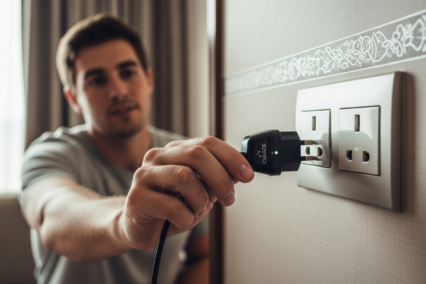
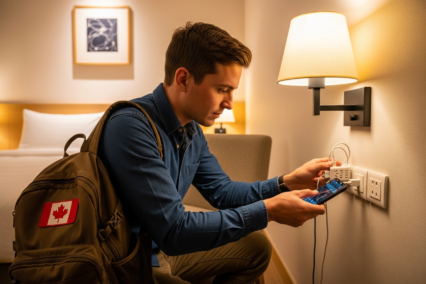
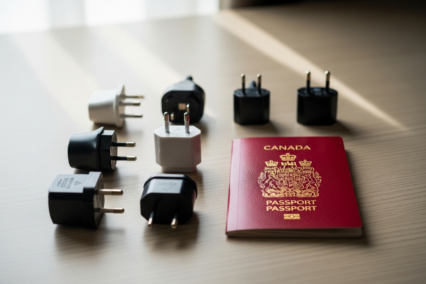
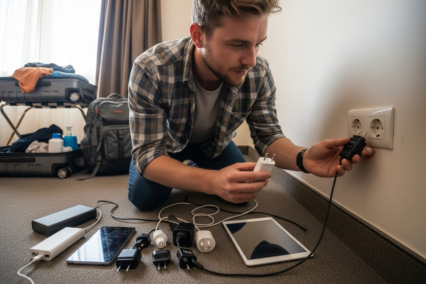
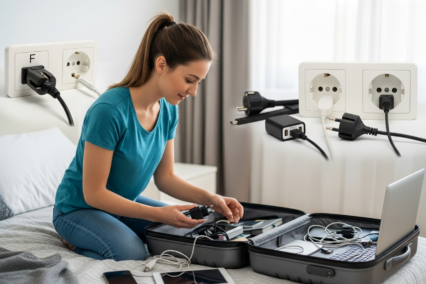
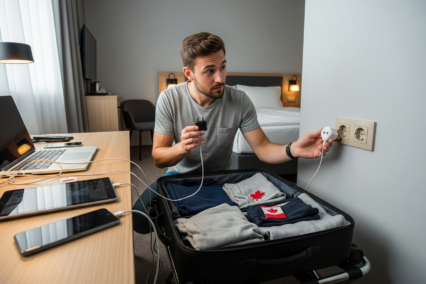
Australia uses Type I electrical outlets. These are not the same as the ones used in Canada, so you will need an adapter.
-
The voltage in Australia is 230V. This is almost double the 120V used in Canada.
-
Check if your electrical appliances can work with both 110V and 240V. Look for “110-240V” to make sure there is compatibility.
-
If you have a Canadian device that is single-voltage, you will need a voltage converter or transformer, as well as a plug adapter.
-
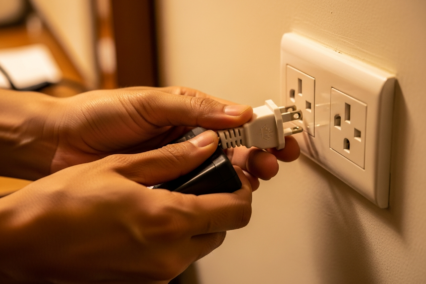
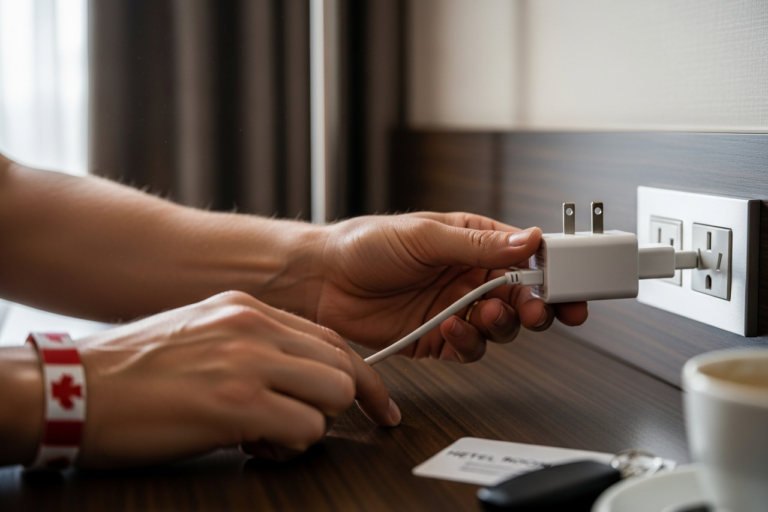
A travel adapter will let your Canadian plug fit into an Australian socket. But it does not change the voltage.
-
Always keep safety in mind. Pick certified adapters and check your devices before you plug them in.
Introduction
Planning a trip to Australia is a big adventure for anyone. When you pack your bags, be sure to plan how you will keep your electrical appliances powered up. Australia has a different electrical setup than Canada. This can lead to compatibility problems.
It helps to know about the local outlets, the voltage, and what you need to connect your devices without any trouble. This guide will tell you what to look out for. It will help you keep your phone, camera, and other gadgets charged while you travel through Australia.
Understanding Australian Electrical Outlets
When you get to Australia, you will see that the power sockets are not like the ones you have back home in Canada. The plug type that Australia uses is different. It will not work with Canadian plugs, so you can’t plug your devices in without something extra.
You will need an adapter to use your things in Australia. The associated plug type over there is unique. If you have the right adapter before you go, it will be easier and less stressful. Now, let’s talk about the plug type and sockets you will see in Australia.
Types of Power Sockets in Australia (Type I)
The standard plug type used across Australia is Type I. This design is distinct and is also found in neighbouring countries like New Zealand, Papua New Guinea, and Fiji. The Type I plug features three flat pins arranged in a triangular shape. Two of the pins are angled, forming a ‘V’ shape, while the third, straight pin below them is for grounding.
This design is very different from the Type A and B plugs common in Canada. Therefore, none of your standard Canadian electrical appliances will fit into an Australian socket without an adapter. It’s essential to have a Type I adapter to connect your devices.
Here is a quick breakdown of the Type I electrical system in Australia:
|
Feature |
Detail |
|---|---|
|
Plug Type |
Type I |
|
Pin Configuration |
Three flat pins in a triangular pattern |
|
Supply Voltage |
230V |
|
Frequency |
50Hz |
Differences Between 2-Pin and 3-Pin Outlets
While the usual socket in Australia has three holes and works with a 3-pin plug, there are times when you may see sockets that only work with a 2-pin plug. The main thing that makes them different is the third pin. This pin is for grounding, which some people also call the earth pin. A 3-pin plug comes with this pin. It is there to keep you and your appliance safe from power faults.
A 2-pin plug does not have the ground pin. You will find these mostly on double-insulated appliances because these appliances do not need an earth pin to be safe. You can often use a 2-pin Type I plug in a 3-pin socket, and it will just leave out the ground slot.
But you can not put a 3-pin plug into a 2-pin socket. The two-pin outlet does not have an earth slot, so it is not as safe for any appliance that is meant to use one. To have good safety and the best compatibility for you and your appliance, you should use the standard 3-pin sockets and plugs. That way, you get the full grounding needed.
Australian Voltage, Frequency, and Device Compatibility
Other than the shape of the plug, you also need to think about the difference in power supply and voltage. In Australia, the electrical supply voltage is higher when you compare it to Canada. This can be a problem for your electronics if they can’t handle that much voltage.
This change in voltage and power supply can be important when it comes to the compatibility of your items. Before you use your plug, check if your device can handle the supply voltage in Australia. We will compare the standards next and talk about what risks are out there.
Voltage and Frequency Compared to Canadian Standards
The electrical standards in Australia and Canada are not the same. In Canada, the supply voltage is 120V and the frequency is 60Hz. But, in Australia, the power supply runs at 230V with a frequency of 50Hz. This means that the supply voltage in Australia is almost two times stronger than what your Canadian appliances use.
This higher voltage is the main thing you need to watch out for. If you plug a device made for only 120V into an outlet in Australia, it can get damaged and stop working for good. The change in frequency (50Hz vs. 60Hz) can also make some appliances, such as clocks, not work right or go at the wrong speed.
Because there is such a big difference with the voltage and frequency, just using a plug adapter is not enough. You need to check if your appliance’s power specs match the Australian power supply. If they do not match, you will need more than just an adapter for your appliance to work.
Potential Risks When Plugging In Canadian Devices
Plugging a Canadian appliance right into an outlet in Australia without checking to see if the voltage matches can be bad. The main reason is the voltage difference. In Canada, most appliances use 120 volts. In Australia, outlets have 230 volts. If you use a device made for 120 volts in Australia, that high voltage will hurt the circuits.
This can cause a few things to happen:
-
Overheating: The appliance can get very hot, fast.
-
Sparks or smoke: You could see sparks or even smoke, which shows it is breaking inside.
-
Permanent damage: The device may stop working forever.
-
Safety hazard: It could start a small fire or cause a shock.
To keep from having this trouble, check the writing on the rating plate of your appliance or power supply. If the device says something like ‘INPUT: 100-240V’ on the plate, then it can take high or low voltage and works fine in Australia. If it only says ‘INPUT: 110V’ or ‘120V,’ then you know it’s set up for just one voltage. You’ll have to get a voltage converter or transformer to use it safely.
A voltage converter or transformer helps your appliance work with the power supply in Australia. Make sure you check compatibility before plugging in anything.
Travel Adapters and Plug Compatibility for Canadians
Since Canadian plugs do not fit in australia sockets, you will need a travel adapter for your trip. This small device helps with compatibility, giving you the right plug shape for local outlets. A regular adapter only changes the shape, not the type of electricity.
You can pick an adapter made only for australia or a universal adapter that works in more than one country. Each one has good points and some drawbacks. You should think about your travel style when you choose. Let’s look at how to pick the plug adapter that suits your needs.
Choosing the Right Adapter for Australia
When you want to pick a travel adapter for a trip to Australia, the main thing is to make sure the plug type works with Type I outlets. It’s best to use an Australia-specific adapter that matches this plug. This type is made just for Type I sockets and is often small, so it’s simple to carry in a bag.
If you plan to go to more places besides Australia, a universal adapter can be useful. But if your travel is only to Australia, a single-region adapter will do the job and usually costs less. You can find these adapters on amazon or at travel shops before you leave.
Here are some tips for picking the right adapter:
-
Confirm it’s Type I: Make sure the adapter says it’s set up for Australia and will fit the Type I plug.
-
Check for safety certifications: Look for marks, like CE or FCC, that show the adapter meets safety rules.
-
Consider your devices: If you need to charge more than one thing, get an adapter that has USB ports so you can plug in phones and tablets at the same time.
Universal Adapters vs. Australia-Specific Adapters
The choice between a universal adapter and an Australia-specific plug depends on how simple you want things and where you plan to go. An Australia adapter is made for one thing. It connects your device to a Type I plug that you use in places like Australia and New Zealand. It’s easy, strong, and works well if you just plan to go to Australia or nearby countries.
A universal adapter is good for people who want to travel to more places. This adapter has many sliders and connectors. It lets you use outlets in different countries. It gives you more options, but it can be bigger in size and sometimes has more parts that might break.
When you make your choice, think about this:
-
Future Travel: If you plan to get to other places, a universal adapter is a good investment for the future.
-
Simplicity: If you visit just Australia, a single adapter is easier to carry and use.
-
Safety: No matter which adapter you pick, make sure it comes from a trusted brand. Check that it meets safety rules so your devices get good compatibility and are safe.
Some adapters are best for just Australia and New Zealand. Some universal adapters work in more countries and give you flexibility when you go. Pick the one that meets your needs for travel and safety.
Electrical Safety and Standards in Australia
Australia has some of the highest standards in the world for electrical safety. These rules help keep both people who live there and people who visit safe. The outlets are made in a special way, and the rules for electrical appliances are there to lower the chance of shocks or fires. If you know about these things, you can feel better about plugging in your devices in Australia.
If you travel to Australia, you should use your electronic items in a safe way. To do this, you need to use the right adapters and converters. You also have to watch how you use your electrical appliances. Now, let’s take a look at what safety features come with outlets in Australia, and go over some main safety tips.
Safety Features of Australian Outlets
Australian outlets have a few safety parts to help keep people safe. The first thing you see is the third grounding pin on the 3-pin outlet. This pin lets electricity go safely when there is a problem. It is there to lower the chance of electrical shock if the appliance or plug has a metal outside.
There is also another safety feature in many new outlets in australia. These outlets have internal shutters. The shutters protect the socket from things like toys or other items. The shutters only open when the plug is pushed in and both top pins are pressed at the same time. This stops children from putting something into the socket.
Key safety features include:
-
Grounding Pin: The third flat pin on a 3-pin outlet gives a strong earth link.
-
Insulated Pins: Lots of new plugs have part of their pins covered so you do not touch the metal if the plug is in halfway.
-
On/Off Switches: Most outlets for power in australia have their own switches. This means you can turn the appliance or plug off without having to take it out. It is an extra safe action.
These features in australia make the socket safer so you and other people can use the plug or appliance with less risk.
Appliance Safety Tips for Travellers
Keeping your appliances safe when you travel in Australia is simple if you follow these easy steps. The most important thing is to always check if your appliance has the right voltage before you plug it in. Don’t plug anything in until you know it works with a 230V power supply.
It is good to use strong, safe adapters and converters. Don’t use cheap or uncertified products, because they may break or not protect your appliance. A good adapter will give you a safe link between your plug and the outlet.
Here are some important safety tips:
-
Check voltage first: Always look to see if your appliance is dual voltage (100-240V) before you use it.
-
Use the right converter: If your device is not dual voltage, use a voltage converter for things you use for a short time, and use a transformer for things you use most of the time.
-
Don’t overload adapters: Don’t use one adapter for many high-power appliances or plug too many into one outlet.
-
Unplug when not in use: Switch the outlet off and unplug your adapters and chargers when you are done using them.
-
Inspect your gear: Don’t use any adapter, converter, or cable that looks broken or worn out.
Conclusion
To sum up, it is important for people from Canada to know about the electrical outlets and standards in australia before they visit or move there. The voltage, plug shape, and safety parts in australia are not the same as in Canada. You need to know about these if you want to keep safe and make sure your stuff works right. Pick the right adapters and know about compatibility to avoid any problems. When you go to plug something in, you will want everything to work smooth. Head off on your trip to australia knowing that you are ready for what you will need to use. If you have any questions or need more help about voltage, plug, or compatibility, please ask. Safe travels!
Frequently Asked Questions
Can I use my Canadian plugs in Australia?
No, you cannot use your Canadian plugs in Australia because the outlets there are not the same shape. You need to get a travel adapter to change your Canadian plug to the Australian Type I plug. With your electrical appliances, make sure you check the voltage. The adapter just changes the plug. It does not change the voltage. Check the compatibility to be safe when you go to Australia.
Is it safe to use a universal adapter in Australia?
Yes, you can use a universal adapter in Australia. Just make sure you buy one from a good brand that meets world safety rules. A universal adapter will help your devices fit, but it does not change the voltage. You still need to see if your device works with 230V.
Do I need a power converter or voltage transformer when travelling from Canada to Australia?
You may need a voltage converter, depending on your appliance and the device you have. If the appliance has dual voltage and shows ‘100-240V’, you do not need to use a converter or transformer. But if it is single voltage, with ‘120V only’, you will need to get a voltage converter so it works safely in Australia. The power there is 230V.