

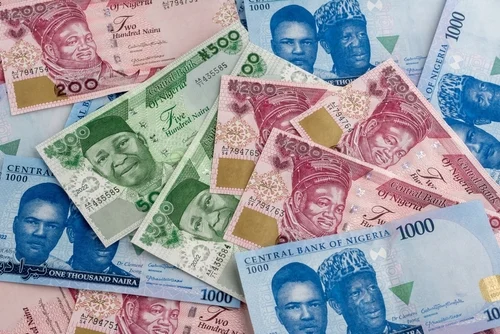
Nigerian currency is the naira (NGN, ₦), issued by the Central Bank of Nigeria. Introduced in 1973 to replace the Nigerian pound, it is divided into 100 kobo and issued in banknotes and coins across multiple denominations.
If you have family, friends, or business ties in Nigeria, chances are you’ve come across the naira, the country’s official currency. This guide explains what Nigerian currency is, how its banknotes and coins are designed, and what that means for Nigeria’s community here in Australia.
At Remitly, we work alongside the Nigerian-Australian community every day, so we’ve focused on the facts you’re most likely looking for, including a few things about the naira that might surprise you.

At a Glance
- The naira (₦, NGN) is Nigeria’s official currency, issued by the Central Bank of Nigeria since 1973.
- 100 kobo make up one naira.
- The CBN redesigned the ₦200, ₦500 and ₦1,000 notes in 2023 to curb hoarding and counterfeiting.
- Damaging or defacing naira notes, including at celebrations, breaches the CBN’s Clean Notes Policy.
What Is Nigerian Currency?
The Nigerian currency is the naira, denoted by the currency symbol ₦ and the official code NGN. It is issued exclusively by the Central Bank of Nigeria (CBN), headquartered in Abuja, the capital city. Introduced in 1973, the naira remains the nation’s sole legal tender.
Structurally, 100 kobo make up one naira. This mirrors the Australian currency structure where 100 cents equal one Australian dollar (AUD).
Current legal tender, verified against the CBN, includes:
- Banknotes: ₦5, ₦10, ₦20, ₦50, ₦100, ₦200, ₦500, and ₦1,000, with the ₦200, ₦500, and ₦1,000 notes reflecting the 2023 redesign.
- Coins: 50 kobo, ₦1, and ₦2, though coins are rarely seen in everyday transactions today. (Lower-value kobo coins were withdrawn from circulation in February 2007.)

A Brief History of the Nigerian Naira
Long before the naira, communities across what’s now Nigeria traded using cowrie shells, salt, and beads, much like many other parts of Africa relied on their own local currencies.
British colonial administrators first introduced silver shillings via an 1880 ordinance. The regional Nigerian pound was then issued in 1958, before the naira replaced it entirely in 1973.
Chief Obafemi Awolowo, who served as Nigeria’s Federal Commissioner for Finance from 1967 to 1971, coined the name “naira” by condensing the word “Nigeria.” The currency was officially launched in 1973, introducing a decimal system divided into 100 kobo.
The most recent milestone came in 2023, when the CBN redesigned the ₦200, ₦500, and ₦1,000 notes to curb hoarding and counterfeiting. The rollout faced cash shortages, but the CBN has confirmed older notes remain legal tender alongside the new designs, a step other countries like Turkey have taken with their lira.

Nigerian Naira Banknotes and Coins: Design and Denominations
Nigeria’s banknotes celebrate the country’s public figures. The ₦5 note features Abubakar Tafawa Balewa, Nigeria’s first prime minister, while the ₦500 note carries Dr Nnamdi Azikiwe, the country’s first president. The ₦50 note depicts Nigerian fishermen at work, which is a nod to the country’s coastal and riverine communities.
Denominations in circulation:
- Banknotes: ₦5, ₦10, ₦20, ₦50, ₦100, ₦200, ₦500, and ₦1,000, with the ₦200, ₦500, and ₦1,000 notes redesigned by the CBN in 2023.
- Coins: 50 kobo, ₦1, and ₦2. The 50 kobo coin is round and made of nickel-plated steel, while the ₦1 coin is a bimetallic piece. The ₦2 coin is a solid round piece made of copper-plated steel.
The CBN introduced polymer substrate banknotes (mirroring the synthetic material pioneered by the Australian Dollar / AUD) for greater durability in Nigeria’s climate. Higher denominations, such as ₦100, ₦200, ₦500, and ₦1,000, remain on a cotton-based paper substrate, with updated security features on the redesigned notes.

5 Things You Didn’t Know About Nigerian Currency
The naira’s name is Nigeria’s own
It’s a contraction of ‘Nigeria’ itself, coined by Chief Obafemi Awolowo when the currency was launched in 1973.
The classic 50 kobo coin isn’t round
While the modern 2007 issue is round, the iconic legacy 1991 version was minted as a 12-sided polygon, stamped with maize cobs on one face and Nigeria’s coat of arms on the other.
The ₦50 note honours everyday Nigerians
Rather than a historical figure, it depicts local fishermen at work, framed by traditional Nigerian geometric patterns.
The 2014 centenary ₦100 note carried a scannable code
To mark 100 years since Nigeria’s 1914 amalgamation, the note featured a QR code linking to the centenary’s history, a novel touch, but verification confirms the target website is now defunct.
Naira notes come with handling rules and a wedding-day exception
The CBN’s Clean Notes Policy bans stapling, writing on, or spraying banknotes, though Nigerian weddings see cash rained on newlyweds.

Nigeria’s Economy and the Naira’s Role
Nigeria’s nominal GDP has recently slipped to the third largest in Africa, behind South Africa and Egypt, whose own currency story is covered in our guide to the Egyptian pound (IMF, 2026). This shift is driven largely by naira devaluation lowering the US-dollar value of Nigeria’s economy.
In 2023, the CBN unified Nigeria’s exchange-rate windows into a single, market-driven system, replacing the multiple-rate structure that had been in place for years.
Australia is home to a small but growing Nigerian community: the 2021 Census recorded nearly 13,000 Nigeria-born residents, most of working age (ABS).
Frequently asked questions about Nigerian currency
What is Nigeria’s official currency?
Nigeria’s official currency is the naira, symbolised as ₦ and coded NGN. It’s issued and regulated by the Central Bank of Nigeria, and it’s the only currency accepted for everyday transactions across the country, alongside the CBN’s digital eNaira.
What does NGN mean?
NGN is the ISO currency code for the Nigerian naira, used on exchange platforms, in banking systems, and for international money transfers. The ‘NG’ reflects Nigeria, while the final ‘N’ stands for naira, following the standard three-letter currency-code format used worldwide.
What are the denominations of Nigerian currency?
Nigerian banknotes come in ₦5, ₦10, ₦20, ₦50, ₦100, ₦200, ₦500, and ₦1,000 denominations, with the top three high-value bills comprehensively updated during the 2023 redesign. Coins are issued in 50 kobo, ₦1, and ₦2, though physical metal coins are rarely used today.
Why is Nigerian currency called the naira?
The name comes from ‘Nigeria’ itself. Chief Obafemi Awolowo, then Federal Commissioner for Finance, shortened the country’s name to create ‘naira’ when the currency replaced the Nigerian pound in 1973, giving the new decimal system a distinctly national identity.
Is it illegal to damage naira notes?
Yes. The CBN’s Clean Notes Policy prohibits stapling, writing on, tearing, or spraying naira banknotes, including at celebrations such as weddings. Damaged or heavily soiled notes are best exchanged at a bank rather than kept in everyday use.
What currency did Nigeria use before the naira?
Before the naira, Nigeria used the Nigerian pound, introduced in 1958 under British colonial administration and divided into shillings and pence. Earlier still, communities across the region traded using cowrie shells, salt, and beads before standardised colonial currency arrived in 1880.
Who is on the ₦500 note?
The ₦500 note features Dr Nnamdi Azikiwe, Nigeria’s first president after independence. He appears alongside design elements reflecting Nigeria’s public institutions, and the note is one of several honouring key figures from the country’s early independence era.

Key Takeaways
- Nigerian currency is the naira (NGN, ₦), issued by the Central Bank of Nigeria and divided into 100 kobo.
- The naira replaced the Nigerian pound in 1973, with its name coined by Chief Obafemi Awolowo during his earlier term as Federal Commissioner for Finance.
- The CBN redesigned the ₦200, ₦500, and ₦1,000 notes in 2023 to curb hoarding and counterfeiting.
- The classic 50 kobo coin was a distinctive 12-sided polygon rather than a circle.
- Damaging or defacing naira banknotes, including at weddings, breaches the CBN’s Clean Notes Policy.
Sending Money to Nigeria from Australia
If you’re sending money to family or friends in Nigeria, understanding the naira is a helpful starting point. Remitly makes it simple to send money from Australia to Nigeria, with transfers that arrive the way your recipient prefers, whether that’s a bank deposit, mobile wallet, or cash pickup.
Nigeria isn’t the only place our Australian customers send money to. If you’re also transferring funds elsewhere, our guides to the Ugandan shilling and the Vietnamese dong cover other currencies we support.
Last reviewed: September 2026



