

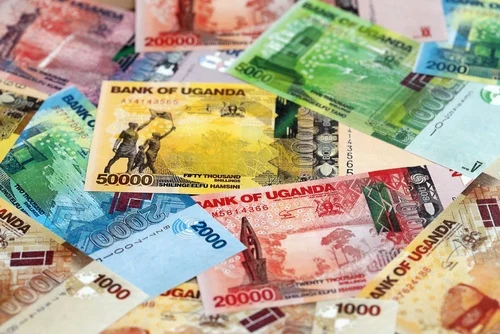
Uganda’s currency is the Ugandan shilling (UGX), issued by the Bank of Uganda. Banknotes range from UGX 1,000 to UGX 50,000, cash remains dominant, and USD is accepted at tourist operators.
What Is Uganda’s Currency?
Uganda’s currency is the Ugandan shilling (UGX), issued and managed by the Bank of Uganda under a floating exchange rate. It’s the only legal tender in the country, and understanding the basics of Ugandan currency, from its ISO code to how the exchange rate moves, makes it easier to plan a trip or send money home with confidence. Cash is still how most people pay here, and it’s worth having sorted before you land, whether you’re heading to Kampala or a rural district.

Ugandan Shilling Denominations: Banknotes and Coins
The Bank of Uganda issues shilling banknotes in six denominations and coins in five. Here’s what’s currently in circulation.
Banknotes:
- UGX 1,000 (brown)
- UGX 2,000 (blue)
- UGX 5,000 (green)
- UGX 10,000 (purple)
- UGX 20,000 (red)
- UGX 50,000 (yellow)
Coins:
- UGX 50
- UGX 100
- UGX 200
- UGX 500
- UGX 1,000
Coins smaller than 50 shillings are technically still legal tender, but you’re unlikely to come across them day-to-day.
The UGX 50,000 note, featuring the Stride Monument and a mountain gorilla set against the Bwindi Impenetrable Forest, was rated the third most beautiful currency in the world by the International Bank Note Society (IBNS), putting it alongside some of the world’s most beautiful currencies we’ve covered on the blog.

Uganda Banknote Security Features
Uganda was the first African country to adopt SPARK, an optical security feature used by the Bank of Uganda since its 2010 note redesign. A few checks can help you tell a genuine note from a fake:
- A security thread that shifts colour when the note is tilted
- A watermark showing the grey crowned crane, Uganda’s national symbol
- A see-through window with matching imagery visible from both sides
- Colour-shifting ink on the higher-value notes
- Durable, hard-wearing paper designed to handle Uganda’s climate

Using Cash in Uganda: What Australians Need to Know
Uganda is a cash-first economy, and that’s unlikely to change soon. You’ll want shillings on hand for markets, small restaurants, and local transport, even in Kampala. Cards are accepted mainly at larger hotels, upmarket restaurants, and established tour operators, and a surcharge of a few per cent isn’t unusual.
Major banks operating in the country include Absa Bank Uganda (formerly Barclays Bank Uganda), Stanbic Bank, Standard Chartered, and DFCU Bank. ATMs are common in Kampala and other larger towns and mostly accept Visa and Mastercard, but they’re much harder to find once you’re outside urban centres, so it’s worth carrying enough cash for rural travel. Uganda’s cash-first habits are common across the region; our guide to currency in Africa looks at how other countries compare.
Mobile money is everywhere in Uganda and is often more convenient than a card. MTN Mobile Money and Airtel Money let people pay for everyday purchases, transport, and bills straight from a phone, and plenty of shops and market stalls accept mobile payments even where a card machine isn’t available.
If you’re travelling from Australia, it’s worth letting your bank know your dates before you go. Commonwealth Bank, ANZ, and Westpac all issue Visa cards that generally work at Ugandan ATMs and card terminals, and a heads-up to your bank can help avoid a card being blocked for unusual activity.
If you’re sending money to family or friends in Uganda instead, a transfer service like Remitly can move AUD into Ugandan shillings without you needing to carry large amounts of cash, and it’s worth comparing rates if you’re also sending to neighbouring countries; our guides to the Nigerian naira and South African rand cover what to expect there.

A Brief History of Uganda’s Currency
Uganda’s first shilling replaced the East African shilling in 1966, the same year the Bank of Uganda was established after independence from Britain in 1962. High inflation in the 1980s led to a second shilling in 1987, revalued at a rate of 100 old shillings to 1 new shilling.
The most recent major redesign came in 2010, when the Bank of Uganda issued new notes featuring Ugandan wildlife, landmarks and cultural imagery alongside the SPARK security feature.
In 2012, a commemorative UGX 1,000 coin marked fifty years of independence, carrying the national coat of arms and the grey crowned crane.
Frequently Asked Questions About Uganda Currency
What currency does Uganda use?
Uganda’s official currency is the Ugandan shilling (UGX), issued by the Bank of Uganda. It comes in banknotes from UGX 1,000 to UGX 50,000 and coins from UGX 50 to UGX 1,000. Cash is the most common way to pay, so it’s worth carrying shillings for everyday purchases, especially outside Kampala.
Can I use Australian dollars in Uganda?
Australian dollars aren’t widely accepted in Uganda, so you’ll need to exchange AUD for shillings, or US dollars, before you arrive, or withdraw shillings from an ATM once you land. Some tour operators and upmarket hotels take US dollars, but everyday purchases need local currency.
Is it better to pay with cash or card in Uganda?
Cash is generally more useful, since most shops, markets and transport only take shillings. Cards work at larger hotels and some tour operators, though a surcharge is common. Carrying a mix of cash and a working Visa or Mastercard covers most situations you’ll run into.
What do Ugandan banknotes look like?
Ugandan shilling notes each carry a distinct colour and depict local wildlife, landmarks and cultural scenes, alongside security features like a colour-shifting thread and a watermark of the grey crowned crane. The UGX 50,000 note is especially well known, rated third most beautiful currency in the world by the IBNS.
How can I send money to Uganda from Australia?
Services like Remitly let you transfer AUD and have it arrive as Ugandan shillings, often within minutes, to a bank account or mobile money wallet. Comparing exchange rates and fees before you send helps you get more value to family or friends in Uganda.
Are counterfeit banknotes a big risk in Uganda?
Counterfeiting is a risk in any cash-based economy, but Uganda’s notes carry several safeguards, including the SPARK optical feature, a security thread and a watermark. Checking these features, especially on higher-value notes, is a simple way to feel confident about the cash you’re holding.
Key Takeaways
- Uganda’s currency is the Ugandan shilling (UGX), with banknotes from UGX 1,000 to UGX 50,000 and coins from UGX 50 to UGX 1,000.
- Uganda remains a cash-first economy; cards are mainly limited to larger hotels, restaurants and tour operators.
- Uganda was the first African country to adopt the SPARK optical security feature on its banknotes.
- MTN Mobile Money and Airtel Money are widely used for everyday payments and can be practical options alongside transfers from Australia.
- Outside Kampala and other major towns, ATMs are scarce, so it’s worth planning to carry enough cash.
Conclusion
Getting familiar with Ugandan currency before you travel or send money home makes the practical side of the trip, or the transfer, much simpler. From carrying enough cash outside the cities to knowing which banks and mobile money services are available, a little preparation goes a long way.
When you’re ready to send AUD to family or friends in Uganda, Remitly can help you compare rates and get the transfer moving, and our guide to the Egyptian pound is a good next stop if you’re sending across the region too.
Last reviewed: September 2026.



