Key Highlights
-
In Ugandan wedding traditions, family members are at the heart of every big decision.
-
The introduction ceremony is usually the first real step between the groom’s side and the bride’s family.
-
The bride price is talked about carefully and might be paid in money or livestock.
-
A wedding ceremony might have both traditional rituals and church weddings.
-
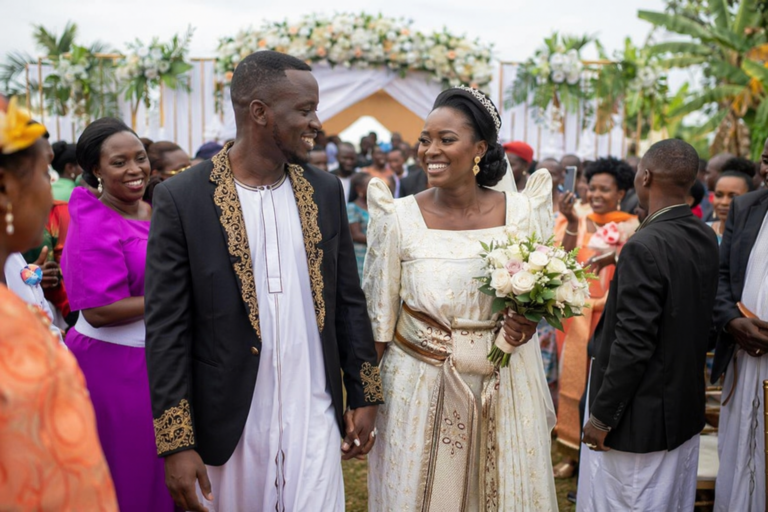
Traditional attire still matters, even when brides in cities pick white gowns.
-
Customs are different in ugandan communities, so every marriage shows local culture.
Introduction
If you are Australian and want to know about a Ugandan wedding, you need to see that marriage in Uganda is not just a small event. In Uganda, that is also known as the Pearl of Africa, weddings bring together families, people who are older, and a lot of community ways of doing things. A Ugandan wedding can be formal, it can also be happy and have big meaning at the same time. When you get these traditions, the whole thing is easier to understand, and you will soon like the experience.
Understanding Ugandan Wedding Traditions
Ugandan wedding traditions come from their cultural heritage, and from the customs that belong to each ethnic group. So, there isn’t just one way that every couple will follow for their wedding. Still, you will see that many Ugandan communities share some important steps before the wedding ceremony.
The main wedding traditions in Uganda often have a traditional introduction. Families need to approve the union. There will usually be talks about the bride price. The formal celebration can include church weddings as well. All these customs show that a Ugandan wedding is about more than just two people coming together; it’s about uniting two families, and sometimes a whole network of people connected to them.
The Cultural Importance of Marriage in Uganda
Marriage in Uganda means a lot to people there. The importance of family is seen early on, because a relationship is often something both families get into, not just the couple. Before anyone gives their approval, families may look at each other’s background.
For many in Uganda, marriage is also tied to social status and the respect that comes with being part of a group. Each ethnic group can have different rules, and clan is important too. Sometimes, two people cannot marry if they belong to the same clan. This shows how marriage reaches out to more people than just the man and woman in the relationship.
The bride’s family has a big role in picking if the pair can marry. That is why the introduction ceremony means a lot to Ugandan weddings. It is where both families make their hopes known, show respect, and start the first steps toward marriage.
Regional Diversity in Ugandan Wedding Customs
Wedding traditions are not the same everywhere in Uganda. Australians will see that there is no single way people get married, because there are many types of customs in each place. In the Buganda Kingdom, people know the wedding traditions best, but other places have their own ways, meanings, and how families help. This mix of ways is one of the most interesting things about Ugandan cultures.
In Ankole, found in southwestern Uganda, the Banyankole are famous for big marriage events. There are also strong talks about the bride price, where cattle is often given. Sometimes, a person acts as a middleman for the groom. The giveaway part, called Kuhingira, is an event people come together for in public.
Here are a few ways customs can look different:
-
In Buganda, the introduction ceremony, called Kwanjula, has a firm plan and is done with elders in charge.
-
In Ankole, cattle matter a lot when people talk about the bride price.
-
In northern Uganda, there are special local traditions, but caring about family is a big part.
-
Places near the Rwanda border may also pick up nearby habits and ways of doing things.
These wedding customs show how different things can be from place to place in Uganda.
Pre-Wedding Rituals and Family Involvement
Before the wedding day, the family members do a lot of the work. The bride’s parents and the groom’s family are not just there as guests. They help choose if the marriage will go on and how the formal steps will be taken.
A traditional introduction is an important step when you are planning a wedding in Uganda. After this, both families talk about the timing, who will do what, and what marriage duties there are. These early talks are about showing respect, reaching an agreement, and making sure both families are part of things before the bigger celebration starts.
The Introduction Ceremony (Kwanjula) and Its Role
The introduction ceremony, also called Kwanjula, is a big step in a Ugandan wedding. It starts when the groom’s side goes to the bride’s home. They bring along some close family and friends. This visit lets both families know the couple’s plan in an open way.
On the chosen day, the groom’s side comes in with an assigned speaker. This is someone old and trusted, who knows local way of doing things. He speaks for the group. After everyone says hello, the visitors say that they have come to ask if the marriage can happen.
What matters most about this introduction ceremony is the impact it has. The introduction ceremony shows everyone the couple want to get married, joins both families in a good way, and sets up a fair place for talks that come next. It is more than just meeting up. It is the time when the couple’s next big step starts for real.
Bride Price and Dowry: Customs and Negotiations
In many Ugandan marriages, bride price is a central custom. It is commonly understood as recognition of the effort involved in raising the bride and of her move into a new family. The negotiation process can differ by clan and community, so there is no single standard amount.
What is given may include dowry items such as money, cattle, goats, or chickens. Livestock remains important in some areas, especially where cattle carry deep cultural value. If expectations are high, families may agree that payments happen in instalments so the wedding can still go ahead.
|
Custom element |
How it often works |
|---|---|
|
Bride price purpose |
Shows respect to the bride’s family and marks the marriage agreement |
|
Common items |
Money, cattle, goats, chickens, and other goods |
|
Negotiation process |
Elders and family representatives discuss expectations |
|
If costs are high |
Payments may continue later in instalments |
|
Cost of a wedding |
Often shared by relatives because weddings are a family effort |
The Traditional Ugandan Wedding Ceremony
A traditional Ugandan wedding ceremony is guided by steps that mostly involve the family, customs, and special blessings. The way people go about it may change from one group to the next. But the main idea is always the same. It is about respect. It’s also about showing everyone the couple is now a new family.
Some couples also have church weddings, especially if they are Christians. At those times, vows and religious blessings become part of the bigger wedding story. But traditional rituals still matter. They link the marriage to the family and what their culture expects.
This is what makes a Ugandan wedding unique. It is about both the church weddings and the traditional rituals. Both parts make it special for the couple and their families.
Sequence of Wedding Day Events and Symbolic Rituals
On the wedding day, things often go in a clear social order and not just a rushed schedule. Visits and talks that happen before help, so the wedding ceremony gets the go-ahead from everyone. Sometimes, a visiting elder or spokesperson will also help lead the formal talks between both sides.
After the big celebration, traditional rituals might still keep going. In some Buganda customs, the groom’s mother brings the bride to the groom’s home later. There are songs, people to walk with them, and plans about when things will happen. All these steps help give more meaning to moving from one home to another.
Some important rituals still take place at the couple’s new home. Sometimes, the mother-in-law uses a bowl of water for bathing rituals with herbs. These acts are special. They show the change, bring blessings, and welcome the bride into her new family and new life.
Roles of Elders and Community in Celebrations
Elders play a big role in a Ugandan wedding. They speak for the families, guide everyone on how to act, and make sure the talk stays respectful. Younger people do not deal with the serious stuff. That is for older family members who know what to do and when.
The whole community comes together for the wedding too. A wedding is a big social time, and, people help pay for it or come to be a witness. Because so many people are part of it, the marriage feels important to all. That is why the introduction ceremony matters a lot in Ugandan weddings. It happens in front of the family and is not a private thing.
Key family roles include:
-
Elders who lead the talks and explain what the rituals mean
-
The bride’s father, who helps say yes to the wedding and what is expected
-
The bride’s aunt, who gets the bride ready to go into married life
-
Relatives who go with the bride to the groom’s home and help her get used to her new life
Elements of Celebration: Attire, Music, and Cuisine
Beyond the steps you need to follow, it’s the celebration that really makes a Ugandan wedding full of warmth and colour. People wear traditional attire, and the music and food all help families remember the day in a special way. These parts of the day show pride, a sense of belonging, and happiness.
What you see at a Ugandan wedding can change depending on where you are and what the couple wants. If the wedding is in the city, people might mix new styles with a local touch. Family often help plan the feast and entertainment. To really get the feel of the day, it’s good to look at the attire first, and then see what food, music, and dance bring in as well.
Traditional Wedding Attire for Brides, Grooms, and Guests
In Uganda, what people wear to weddings can change based on where the event is and what part of the day it is. For church weddings in the city, the bride’s family and the bride often choose white gowns. The groom might wear a fancy suit. This style is one that people in Australia would know well.
But, there is still a lot of love for traditional attire at weddings. Family members, married women, and those from the bride’s family may pick clothes that show who they are and honor the wedding. This helps show the link between today’s events and old ways.
So, what does everyone wear to weddings in Uganda? Most of the time, it’s a mix. The bride can dress in white gowns for some parts of the day. At the same time, family members wear their cultural clothes. Together, even at a church wedding, this mix of old and new makes the day special for everyone.
Signature Foods and the Role of Music & Dance
Food and what people do at a wedding can turn it from a simple event into a real party. A big wedding feast brings everyone together. Music and dance keep the day fun, new, and full of life. Even when the customs change, sharing food and good times helps families show their happiness and makes all guests feel welcome.
The information does not give a full menu of traditional dishes. But it does show that food and hospitality are important from the start. For example, in some places, people will serve roasted coffee during the early family meetings. When there are bigger events, the feast becomes part of everyone’s good time, especially if many guests are invited.
Music and dance also play a big part in the wedding. They come out in how people move, walk, and sing. For example:
-
Singing can go along with the bride when she goes from one house to the next.
-
Group celebration brings fun and energy to the feast.
-
Weddings in places like Kampala sometimes use both custom and new city styles together.
-
Dance is used for saying goodbye, saying hello, or showing their happy feelings to everyone during the day.
Conclusion
In conclusion, Ug has a rich, offering a beautiful combination of etiquette highly regarded in societies and expresses the values upheld of the people. From the specific attire each symbol to the related customs, and beliefs, each element holds a specific meaning in the overall tapestry are often present in daily life. Understanding these customs not only enhances knowledge in cities but also forges closer bonds in such settings culture. Embracing the customs adds depth to cultural encourages mutual of a newly made can go a long way in the discovery that worth visible through set patterns of colors capacity encourages knowledge,. If
Frequently Asked Questions
What makes the introduction ceremony significant in Ugandan weddings?
The introduction ceremony, called Kwanjula, is important because it brings the bride’s family and the groom’s family together in a formal way. This event shows that the groom and bride want to get married. At the ceremony, people have a respectful talk and take part in symbolic rituals. For many, this is the moment when everyone knows about the relationship. It is one of the main ways the bride’s family and the groom’s family connect.
How do Buganda wedding traditions differ from other regions in Uganda?
Buganda traditions have a very organised introduction ceremony. Elders lead this event, and it follows the customs of the Baganda people. This is part of the many different ways of life found in Ugandan communities. Other Ugandan groups might want the same results, but the traditional rituals, how people talk, and the way they negotiate can be different.
Are there any contemporary influences on weddings in Uganda?
Yes. In Uganda, you can see how church weddings, having a white gown, and living in the city are signs of modern ways. At the same time, the cost of a wedding is a big deal for couples. Some people go for group church weddings or wait to do some parts later. But even with these changes, they still keep the family customs alive.