Key Highlights
-
A turkish wedding usually happens over a few events. It is not just about the wedding day.
-
Turkish wedding traditions have family members and both sides of the family at the heart of everything.
-
Early steps in the wedding include söz, nişan, and the touching henna night before the wedding ceremony.
-
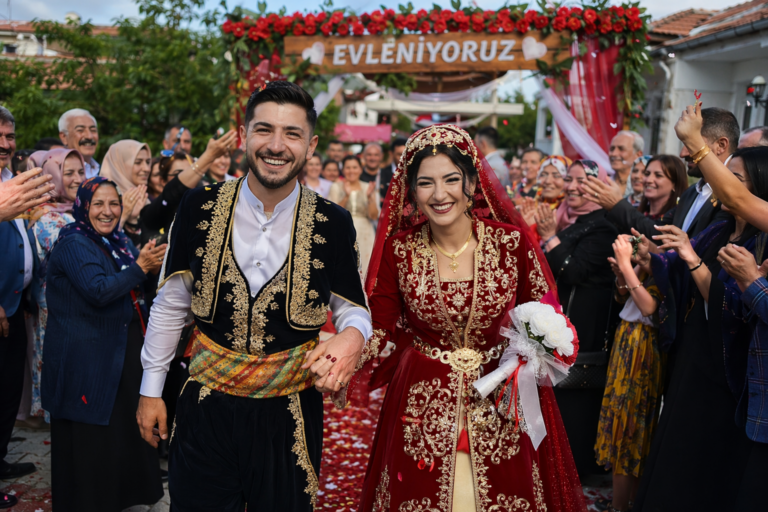
On the wedding day, you see special moments like the red ribbon and gelin alma.
-
People get gold gifts, hear plenty of music, dance together, and eat a lot of food.
-
For Australians, the biggest thing that sets a turkish wedding apart is the strong focus on community all through the wedding.
Introduction
A turkish wedding is often bigger and louder than most wedding days in Australia. It feels special because the group in it brings everyone together. These weddings come from turkish culture. They usually last more than one wedding day. There are many family rituals, gift-giving, goodbyes that touch you, and lots of people joining the fun. If you will be going for the first time, it is good to understand what each tradition is about. After you know the plan, it will not surprise you. In fact, it will feel more special and you can enjoy it even more.
The Foundations of Turkish Wedding Traditions
Turkish wedding traditions are not just about a short party; they are a series of events that people share together. A traditional Turkish wedding often starts with the söz and nişan. After that, there are pre-wedding gatherings, like the henna night. The wedding wraps up with the wedding ceremony, lots of food, and plenty of dancing.
What makes this Turkish tradition stand out is how much family members and the community are involved. This is different from many Western weddings, which can feel more private. Turkish weddings are all about doing things together. If you want to see why, you need to look at how family members help and what each part of the tradition means.
The Importance of Family and Community Involvement
From the start, family members play a big part in a traditional turkish wedding. When both sides meet at the bride’s home, go through all the engagement steps, and see the send-off, it’s easy to see marriage is seen as a link between families. It is not just about two people.
Both sides of the family have big roles at each stage. The bride’s family hosts important moments, share their blessings, and join in on the emotional goodbyes. The groom’s family also gets to be part of it in genuine ways. They bring gifts and help the bride leave her home in the gelin alma part.
Wedding guests are very important as well. They aren’t just there to watch. Each guest does their bit during a traditional turkish wedding by singing, dancing, joining in the processions, and bringing gifts. That energy from everyone is a big part of what makes a turkish wedding so different, and less like other weddings where only the couple stands out.
Symbolic Values Reflected in Turkish Weddings
Many things that people do on the wedding day have clear meaning. They are not there just to make things look nice. They show a change from the old to the new, the family’s wishes, and the start of a new life for the new couple.
Some things at the wedding are about feelings. The bride’s goodbye before she leaves her home can be full of emotion. Other things are simple, but still mean a lot. A gold coin is put in the bride’s hand at henna night, or a red sash is tied around the bride’s waist before she leaves. All of these acts are said to bring good luck, protection, and show support.
There are fun wedding day customs, too. Think about how the couple might step on each other’s feet after the civil ceremony, or how the bride has friends sign the sole of her shoe. These little things add a laugh, share hope about marriage, and even give a hint on who could get married next. These acts make the day special and keep it full of meaning for everyone there.
Engagement Customs: The Söz and Nişan Ceremonies
Before the wedding day, a lot of couples have an engagement ceremony that happens in different steps. The first step is called söz. This is when both families make a formal promise. After that comes nişan. Nişan is a bigger engagement party. There are gifts, food, and people coming together to enjoy the day.
This part of Turkish tradition shows that an engagement is not seen as something simple or small. The families lead it. People see it. There are many things you do for the ritual. If you want to understand it well, start with the agreements made at söz. Then, see how people have fun during nişan.
Family Agreements and the Significance of the Söz
Söz is usually the first step when two people look to get married. At this stage, the groom and his side visit the bride’s family to ask for her hand. This is where both families start making plans in a proper and respectful way.
One of the best-known moments at söz is serving salted Turkish coffee. The bride makes and gives coffee to everyone, but the groom’s cup has salt instead of sugar. He is meant to finish it without a word, showing he has patience, love, and is ready to start a married life.
The feeling at this meeting can be formal, but it is not cold or harsh. Small gifts like flowers or a ring are common, and this is when the wedding party begins to feel more real to both families. For Australians, söz can seem more like a proper ceremony than just telling friends about an engagement, especially since the bride’s family plays such a big role.
Nişan Celebration – Rituals, Gifts, and Feasting
After söz, nişan is often more cheerful and brings people together. It is an open engagement event where family and friends come to see and celebrate the couple. This is the moment when more people, not just the close family, get to know about the engagement.
Food and hospitality are very important at nişan. The guests will eat, chat, and join in some common rituals that are part of the fun. You will still see turkish coffee served, but at this stage, it is not about testing the groom. It is more about greeting each other, feeling happy for the couple, and bringing gifts.
Common parts of nişan are:
-
Gifts are given between families or to the couple.
-
A meal or sweets are eaten together during the event.
-
There is a bigger crowd, showing what people can expect for the wedding.
Unique Pre-Wedding Rituals in Turkish Culture
In turkish culture, pre-wedding events mean just as much as the wedding day. These events help get the bride, her family, and all their friends ready for what is coming next. These moments are not extra or less important. They sit at the heart of the whole thing.
There are two main rituals in turkish tradition: the henna night and the bridal hammam. Each one is special in a different way. There is a lot of feeling, blessing, beauty, and meeting people in both. Here is what people in Australia need to know about the henna night and the other big parts of turkish culture.
The Henna Night (Kına Gecesi) and Its Meaning
The henna night, also known as kına gecesi, is usually held a week or two before the wedding. It is a small gathering for the bride. She spends time with her female relatives and friends. At first, she might put on a gown, often in red. Later, she puts on a traditional bindalli outfit.
During the night, the bride sits in the middle. She has a red veil over her head. An elder starts the main part of the event. The women form a circle around the bride and sing old songs. They hope to make the bride cry, as it shows how much she will miss her family home.
Next, the henna is put on her palm. Right before this, the mother-in-law gives the bride a gold coin. This is meant to bring good luck. Just like the red ribbon, this moment is full of blessing, care, and good wishes for lasting love in her marriage.
The Bridal Hammam – Tradition, Beauty, and Social Ties
The bridal hammam is another get-together for the bride before the wedding day. It is held in a Turkish bath. This gives her a chance to look after her skin and relax with close people before she has to start getting ready for the wedding itself.
The bridal hammam feels different from henna night. The henna night leans into emotions. But the bridal hammam is really about women spending time together and keeping those social bonds strong. In Turkey, there is a big focus on family and friends who support the couple, not just the two getting married.
If you are from Australia, this whole thing may feel very different to a normal bridal shower. The bridal hammam does not have a lot of games or presents. It’s more about friendship, taking care of each other, and stepping into a new part of life with help from all those around you.
Wedding Day Events and Meaningful Symbols
When the wedding day comes, a turkish wedding brings together public celebrating and deep symbols. The move from the bride’s home to the ceremony and party has processions, goodbyes, and ways of doing things that show change, blessing, and show who is getting married.
These ways of doing things are not only to keep people happy. They show that a new life is starting for the new couple and let everyone know a marriage has begun. The next wedding day customs are some of the most eye-catching.
The Red Sash, the Bride’s Departure, and Processions
One of the best-known customs is when a red sash is tied around the bride’s waist before she leaves her home. Most times, it is done by her brother or another close male family member. This shows support and change as she gets set to start a new life.
The bride’s trip from her home is called gelin alma, which many people call bride pickup. If the families live close, people can walk together in a bridal procession. If it is far, they will drive in a line of cars instead. Drums and pipes are sometimes used on the way, which makes the move from one house to the next a public thing for all to see.
There are often fun little delays too. A family member can block the door, or someone might sit on the dowry box to slow things down until the groom’s family gives a tip. These playful moments add a bit of laughter and help make this ritual one to remember.
Common Superstitions and Symbolic Acts at Turkish Weddings
Turkish weddings are full of small customs that mix a bit of humour, hope, and special meaning. People see these acts and superstitions as something light, but they do mean a lot to the couple and their families.
You can find some of these during the civil ceremony. Others show up before or even after the big day. Most of the time, each wedding tradition will stand for good luck, show a wish for peace, or just give everyone a story that gets told many times.
Some common examples are:
-
The red sash around the bride’s waist, which shows a family blessing and her change into married life.
-
The couple will try to step on each other’s feet after the civil ceremony. The one who gets there first is said to have the final say in marriage.
-
At times, names get written on the sole of her shoe. The first name that gets rubbed off is the one people believe is next to get married.
Festivities, Food, and Music at a Turkish Wedding
After the formal parts, Turkish wedding celebrations really start to get lively. This is when there is plenty of food, music, and dancing that bring everyone together. The feeling is open, busy, and friendly, and guests are expected to eat, watch, and even join in.
For Australians who are used to a more laid-back wedding party, this part can feel very active. You will see classic dishes, sweets, and lots of people getting up to dance. All of it adds to the good vibe. Let’s talk about what you get to eat at a turkish wedding.
Traditional Dishes and Sweets Served to Guests
Food is a major part of wedding hospitality in Turkey. Guests are usually offered a generous meal rather than a light snack. The point is not only to feed people but to honour them through abundance, warmth, and shared celebration.
Sweet items and drinks also play a visible role. Turkish coffee appears in earlier rituals and may still be part of the broader wedding food experience. Turkish sweets help round out the occasion and give the celebration a festive finish.
|
Wedding element |
What guests may expect |
|---|---|
|
Main meal |
A generous feast shared during the celebration |
|
Drinks |
Turkish coffee may appear as part of hospitality |
|
Sweet course |
Turkish sweets served to mark the happy occasion |
This style of serving reflects the communal spirit of a traditional turkish wedding.
Music, Dancing, and How Guests Participate
Music does more than fill the air at a Turkish wedding. It is what gets the wedding party going. Live sounds come from a drum and a reed pipe, and these really help keep things moving. The kind of music played can set the feel at a Turkish wedding, and this may be different in every place.
Everyone knows about Halay. It is the most famous dance. People at the wedding hold hands or shoulders and move together in a line or a circle. You can see, this is the reason it stands out. The dance is all about coming together, being part of a group, and helping each other out. That is at the heart of the day.
At a Turkish wedding, wedding guests do more than watch. People are invited to join in. You will often find:
-
Folk songs that bring up great feelings and remind people of old times.
-
Group dancing and someone bold like a family member or friend taking the lead.
-
A strong feeling that the whole wedding party is bringing something to this time, not just the couple.
Rituals of Gift-Giving and Wedding Dowries
Gift-giving at a Turkish wedding is not like what you often see in Australia. People do not bring things for the house. Instead, guests give some money or a piece of jewelry. This helps the couple get started when they move into their new life together.
There are also wedding dowry customs that show up when the bride leaves her family home. All these show that turkish wedding customs are both about feelings and making smart choices for the future. The traditions in turkish wedding make this clear.
Gold-Pinning Ceremony and the Role of Jewellery
The gold-pinning ceremony, also known as takı, is one of the most important parts of a wedding day reception. At this point, the couple stand together, and their guests line up to pin gifts right onto them. These gifts are usually practical money gifts, not just nice-looking extras.
A gold coin is one of the most common things people bring. Some guests may also give gold jewelry, like a bracelet, or pin folded banknotes too. At some weddings, the name of each guest and what they give are said out loud. This makes the moment feel special, plus everyone knows what is being given.
This custom is important because it helps the couple get a financial start. In many Western weddings, people give things for the house. But here, the gifts are more direct and helpful. Gold-pinning helps the new couple, and everyone sees that the community is there to back them in their new life together.
How Dowry and Presents Are Handled in Turkish Marriages
In Turkish tradition, dowry and gifts are all about the practical side of beginning married life. You can see this at the bride’s send-off. A wooden box with the dowry might be part of the ceremony. It shows that the bride is leaving her family home and getting ready to start out in a new house.
Family members often turn this moment into a bit of fun. You might see a younger brother, or even the bride herself, sitting on the box to delay things. They stay there until the groom’s family offers a tip. This gives everyone a laugh, but also highlights how valuable the dowry is for their married life.
Presents at a Turkish wedding are different from the usual homewares you might see in Australia. It is common for people to give money and gold instead. This makes the gifts easy to use and keeps them tied to what the couple most need as they begin together. Family members see this as a good step for people moving into a new house.
What to Expect as a Guest at a Traditional Turkish Wedding
If you are going to be one of the wedding guests at a traditional turkish wedding day, get ready for lots of energy and a bit more formality. This wedding day is often long, with plenty to do and see. You will find the event open and warm to all, but there is clear etiquette for things like what you wear, how you take part, and what you give as a gift.
For Australians, it can take a moment to get used to just how involved everyone is. You are not just there to watch the happy couple join together. You help make the mood at the turkish wedding day. What you wear, how the family is put together, and how you act with other guests are all things that shape the whole turkish wedding.
Dress Codes, Etiquette, and Family Roles
Dress code is important at Turkish weddings. People often wear bright and formal outfits. Women might wear long dresses, jewellery, and heels, but it is a good idea to pick shoes that are comfortable. There can be lots of standing and dancing.
There is more to etiquette, too. You may need to join in the celebration and not just stand aside. Some guests bring cash or gold for the couple if it is right for the occasion. You should expect that the event may go on for a long time, and it’s best to watch what the bride’s family and family members do at key moments.
A few good things to remember:
-
Dress in a neat and formal way, even if the party feels more relaxed later on.
-
Show respect to the bride’s family and remember how clear family roles can be during the big day.
-
Be happy to take part in group times like dancing, processions, or giving gifts.
How Turkish Weddings Differ from Australian Celebrations
Turkish wedding traditions are different from Australian weddings in a few clear ways. In Turkey, there is much focus on the large families, the order of the events, and letting people join in. The turkish wedding day is often just one step. There are events that start before, like söz, nişan, and henna night.
Another thing that is not the same is the way people give gifts. At Australian weddings, guests often bring things from a registry or normal wrapped presents. At a turkish wedding, it is usual to give gold or cash, and people do this in front of everyone during the takı ceremony. It makes giving help more open and people can see it.
The wedding day can also look different in Turkey. The legal marriage is often done by a civil ceremony at a special office, but the registrar can sometimes come to a different place if asked. Some couples have a religious ceremony too. Modern weddings might mix old and new things together on the big day.
Conclusion
In short, Turkish wedding traditions bring family, a lot of meaning, and group happiness together. The customs start with Söz and Nişan, which are both engagement events. There, you see a lot of the people you love, plus good food, music, and dancing. These celebrations are different from what you find at most Australian weddings. When you learn about these Turkish wedding traditions, it helps you understand the event more and connect better with the people and their way of life. If you will go to a Turkish wedding, remember to follow the traditions, be polite, and above all, have a good time in the happy setting. If you want to know more or are not sure about the best way to join in, you can ask for a free consultation!
Frequently Asked Questions
Are there any foods or drinks unique to Turkish wedding celebrations?
Yes. A Turkish wedding often has a lot of food for the wedding party and for guests. There are also sweets because it is a time to be happy. Turkish coffee is very important at the wedding. You will see it during engagement traditions and when people welcome others. The meal is a big part of the Turkish wedding. It helps to bring everyone together and lets people enjoy the day.
What traditional music or dances will I see at a Turkish wedding?
On a Turkish wedding day, you often hear loud music with the drum and reed pipe. There are folk songs that be special to the local area. The most known dance is called the Halay. People join hands or put their arms on each other’s shoulders for this dance. Dancing is for everyone and part of the turkish wedding celebration, not just a show.
How long does a typical Turkish wedding celebration last?
The wedding day usually goes for a long time. There is a civil ceremony, processions, gifts, a wedding reception, lots of food, and dancing.
More than that, turkish wedding traditions often run for a few days. This is because they have the engagement and pre-wedding events all as part of the full celebration. They are not treated as something extra.