Key Highlights
-
American weddings in the United States bring together old customs and new styles.
-
There are some classic wedding traditions, like wedding rings, a white dress, vows, and a set plan for the wedding day.
-
Events before the wedding, like bridal showers, let the future bride have fun with her family members and mates.
-
The wedding party will often have a maid of honour, best man, and a ring bearer.
-
At the reception, special times like the first dance, wedding cake, and bouquet toss add meaning, and many say these moments bring good luck.
Introduction
If you are from Australia and thinking about weddings in the United States, it is good to know what might happen. Many wedding traditions you will see in american wedding culture may look like the ones back home, but their meanings can change a bit. When it comes to bridal showers and the first dance, these things started with religious, cultural, and old histories. This guide shows you the wedding traditions you will find and explains what each one means.
Overview of American Wedding Traditions
In the United States, american weddings often have a few main wedding traditions. The most usual traditions are exchanging wedding rings, saying vows, wearing a white dress, walking down the aisle, and sharing a wedding cake. You will also see a wedding party, lots of flowers, and a well planned order on the wedding day.
These customs do not all come from the United States. Many come from old Europe, religion, and even old societies. But in the US, they have become a big part of how people celebrate. These things help show the special moments for the married couple during the ceremony and party. Next, the sections talk about how these traditions started and the ways they can change.
The Historical Roots of Wedding Customs in the United States
Many wedding traditions in the United States are much older than the country itself. Wedding rings, for example, go back to ancient Rome and the early days of metal use. Over time, the ring became one of the strongest symbols in a wedding ceremony.
The white wedding dress did not become popular until much later. Queen Victoria set a new trend when she married Prince Albert in 1840. She wore a white lace dress instead of the heavy fabric most royals used before. That moment shaped the image of the bride in the Victorian era and changed what American brides wanted.
Wedding traditions in the United States have become more flexible over the years. Couples today still keep common elements, like rings and flowers, but now they make the day fit their own lives. Some pick customs from Jewish, Hindu, Asian, or other regions. This shows how old ways keep finding new life.
Influence of Culture and Region on American Weddings
Not every american wedding tradition is the same in every part of the united states. The culture, religion, and where the couple lives all play a part in how the wedding ceremony turns out. In some places, the groom’s family or the bride’s family may have set things to do. Other couples might want things to be more equal between them.
It is easy to see some regional differences in these weddings:
-
In hawaiian weddings, people may put floral leis around the neck of the couple when the wedding ceremony starts.
-
Jewish wedding ceremonies may be held under a chuppah. Hindu weddings may take place under a mandap.
-
Venue availability may make couples choose a certain wedding date, day of the week, or time of year.
So, you can see that each place in the united states may have its own wedding tradition. Still, there are some common elements that hold many weddings together. These include vows, rings, flowers, and a wedding party, no matter the location.
Order of Events in a Traditional American Wedding Ceremony
In many American wedding ceremonies, there is a clear order for what happens. All the guests come and find their seats. The wedding party gets into their spots, and important people walk in together as part of the event. There is often a ring bearer who goes before the couple. This helps show the real start of the wedding ceremony.
After this, the couple stands together at the front. They say their vows to each other and then put on their wedding rings. After they are said to be married, they leave as a pair and the rest of the day moves onto the reception. If you want a better idea, let’s see what happens just before the main part of the ceremony.
Pre-Ceremony Rituals and Gatherings
Before the big day, there can be a few get-togethers. One well known one in the United States is the bridal shower. This started from dowry customs and a Dutch story about people in a town giving things for the home to help a young woman marry. These days, bridal showers usually happen one or two months before the wedding day.
The people closest to the future bride and groom usually help run these events:
-
The maid of honor helps the future bride to sort out plans and little details for the celebration.
-
The best man gives the groom a hand and helps out on the wedding day.
-
Family members and friends might go to a bridal shower or a co-ed Jack and Jill shower.
These early traditions are common in the United States. They bring people together before the main event. They help make the couple feel good and give more support before the big day comes.
The Main Ceremony: Key Moments and Participants
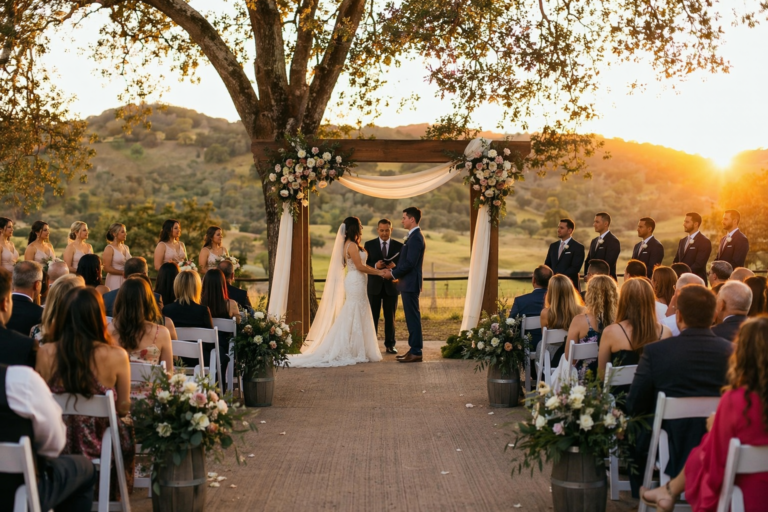
Once guests are seated, the ceremony usually begins with a procession. In many weddings, the bride is walked down the aisle by her father, though some couples now include both parents. The wedding party stands with the couple, and the ring bearer often appears as part of the entrance.
The central moments follow a simple order. The couple stands before the officiant, makes vows, and exchanges rings. After this, they are presented as the married couple and leave the ceremony together.
|
Ceremony Moment |
What Usually Happens |
|---|---|
|
Guest arrival |
Wedding guests take their seats before the start |
|
Procession |
The wedding party enters, sometimes including the ring bearer |
|
Aisle walk |
The bride is escorted to the front |
|
Vows and rings |
The couple makes promises and exchanges rings |
|
Recessional |
The married couple exits to begin the celebration |
Iconic Wedding Traditions and Their Meanings
Some wedding traditions are easy for people to spot, because almost everyone knows them. In american wedding culture, things like the white dress, wedding rings, spoken vows, and the flowers all mean something special. These are not just extra bits for the day.
Many wedding traditions stand for things like love, commitment, good luck, and purity. Some others come from older ideas about protection, fortune, and how people saw our place in society. If this is your first time going, it can help to know what these wedding rings and a white dress stand for. When you understand these, the whole day makes more sense. Two big things to notice in american wedding culture are the dress and the rings.
The White Wedding Dress and Bridal Veil
The white wedding dress got famous after Queen Victoria married Prince Albert in 1840. Before that, royal brides did not always wear white. They often chose rich clothes, like brocades. Her choice surprised many people in England, but it soon started a new fashion. It made a big mark on weddings in English-speaking cultures.
That Victorian era image made its way into the United States. After a while, the white wedding dress became one of the most well-known traditions. In many places in the United States, people say it stands for the bride’s new life and a fresh start.
But, it’s also good to know that not everyone sees the white dress the same way. Some Asian cultures link white to mourning, and they pick red for luck instead. So, while the white dress is common in the United States and in other places, it is still just a cultural choice. It is not a rule for everyone.
Exchanging Wedding Rings and Vows
Exchanging wedding rings and saying vows is one of the most clear moments in a wedding ceremony. The vows show the couple’s promise in words. The rings give a lasting sign that they can wear each day. When you put them together, they make up the heart of many American weddings.
This way of doing things has old ideas behind it too. Wedding rings have been a part of life since ancient times. Wearing the ring on the left hand comes from the thought that there was a vein or artery that went straight to the heart. People also link this idea to ancient Egypt and old ways from later times.
For guests, this part shows the clear promise to be married. When the vows are said and the rings are given, the couple goes from being engaged to being husband and wife. That makes this one the biggest parts of the day.
Ceremonial Highlights Australians Should Know
If you are going to a wedding in the United States as one of the wedding guests, there are a few parts of the day that need extra attention. These wedding day moments may seem simple. But they carry big ideas, like support, safety, and good fortune for the married couple.
There is the bridal party, walking down the aisle, sharing flowers, and then the reception. Each of these shows hope for a strong wedding day and a good life ahead. All these details may look easy to understand, but they can often come from old customs. The next two parts will walk through the main things that people from Australia notice most.
Walking Down the Aisle and the Role of the Bridal Party
One of the best-known parts of the ceremony is walking down the aisle. In many American weddings, the father goes with the bride and gives her away. But now, some couples have both parents come along. It shows the family members share the role.
The bridal party is important too. They stand with the couple and help out.
-
The maid of honor stands with the bride and often helps her with things.
-
The best man helps the groom and is there for him in the ceremony.
-
The ring bearer has the rings or acts as part of the entrance.
In Australia, people like to watch this part. It sets the mood for the day. It shows the family, tradition, and what the couple want now, all together. It lets us see who matters most for them.
The First Dance: Origins and Significance
The first dance is a big part of the wedding reception. The stories about it tell more about what it means now and not so much about where it started. In the United States, this dance is one of the first things that happens after the couple is married. It is like cutting the cake or the time when they greet all their guests.
For the newlyweds, the first dance shows they are starting their new life together. Some people do a slow dance, and others might pick a more relaxed style. Either way, the couple gets to be in the centre of the room. Their friends and family watch as they share this moment. The day feels even more special because everyone sees that these two people are together now.
This event has a simple meaning, but there is something powerful in it. The dance stands for closeness, staying together, and good luck as the couple steps into a new part of life. If you are a first time guest at a wedding, you might find the first dance to be one of the warmest parts of the wedding reception. It feels real and personal for the people, but it does not make anyone feel stuck or lost.
Popular Reception Traditions in the United States
When the ceremony is over, the wedding reception starts right after with new customs. In the united states, people love having the wedding cake, the first dance, and little games or things with flowers and clothing. All of these things help change the mood from serious to fun.
Some of these things started because people wanted good luck. Others came from old social habits. The bouquet toss and the garter bit are well known, but not every couple does them now. First, let’s look at why cutting the wedding cake is still a big moment at a wedding reception.
Cutting the Wedding Cake and Its Symbolism
Cutting the wedding cake is important because it shows the married couple doing something together for the first time during their reception. Long ago, when the two people became husband and wife, they would eat a few crumbs or small pieces of a cake-like treat. Doing this small act together made the moment special.
The idea comes from far back in time. In ancient Rome, what was used as a wedding cake was more like a biscuit or scone. The wedding cake people know now did not exist. In old British traditions, people would use stacked breads or scones, and if the couple could kiss over them without them falling, people said it meant there would be good fortune.
In the United States, the wedding cake is now about having a fun time, coming together as one, and looking forward to new beginnings. Even if the cake’s look has changed, sharing the cake still means the same thing. When the married couple cuts the cake and gives each other a piece, everyone there knows that the big ceremony is over. Now, it’s a time for some joy together with their guests.
Tossing the Bouquet and Garter: Meaning and Practices
The bouquet toss is one of the most well-known traditions at American weddings. It is seen as a fun highlight for wedding guests, especially for the single people in the crowd. The idea is simple—if you catch the bouquet, you might be the next one to get married. People say these old customs can bring good luck.
The tradition of tossing the garter carries a similar meaning, although couples are including it less often now. Here’s why these old wedding habits stand out:
-
The bouquet toss is about giving a bit of hope for someone’s next romance or some good luck.
-
The garter tradition also hints at who could marry next.
-
Many think these wedding day customs help behind the scenes to draw in good luck or push away bad luck.
If you are from Australia and this is your first time at an American wedding, both moments feel cheeky and fun, and that’s what they are meant to be. They make the celebration lively. At the same time, there is a nod to old beliefs around marriage, good luck, and bad luck, but now with smiles and laughter for all the wedding guests.
Conclusion
To sum up, getting to know American wedding traditions can help you enjoy and remember the big day even more. The white wedding dress has its own story, and the first dance brings everyone together for a fun time. Every one of these wedding traditions has a special meaning and makes the day unique. For Australians following these customs, it’s good to know about where they come from and how they can be different in each place. Things like tossing the bouquet and saying your vows help make memories that last for both the couple and their guests. So, when you’re getting ready for your wedding, or heading to one in the US, enjoy these wedding traditions to make your own big day even better. If you want to use these ideas in your plans, feel free to ask for help!
Frequently Asked Questions
How have American wedding traditions changed over the years?
American weddings still follow a lot of older wedding traditions. Most couples use customs shaped in the victorian era, like the white dress. At the same time, couples today choose to make the event their own. They often borrow ideas from other cultures. Many change certain roles or rituals. This helps the wedding fit who they are and mark their new life together.
Are there unique wedding customs in different regions of the US?
Yes. Hawaiian weddings often have floral leis. Other ceremonies might use a chuppah or mandap, based on the couple’s culture and faith. Venue availability can change the date and style of the wedding. Even so, you will often see common elements like vows, rings, and a wedding party across most regions.
Why do American weddings include “something old, something new, something borrowed, and something blue”?
This saying comes from an old idea. It is about how some things can bring good luck to the married couple on the wedding day. Like flowers, rings, and the other parts of a wedding ceremony, these things link marriage with safety and good fortune. People also once thought these things could keep evil spirits and harm away on this special day.