Key Highlights
-
Filipino weddings mix Catholic rites, local wedding traditions, and close family ties.
-
A Filipino wedding ceremony will often have candles, coins, the veil, and the cord as part of the event.
-
Principal sponsors, called ninongs and ninangs, take a clear and respected place in the wedding.
-
The money dance brings fun to the wedding reception. It helps bring good fortune and lets guests join in.
-
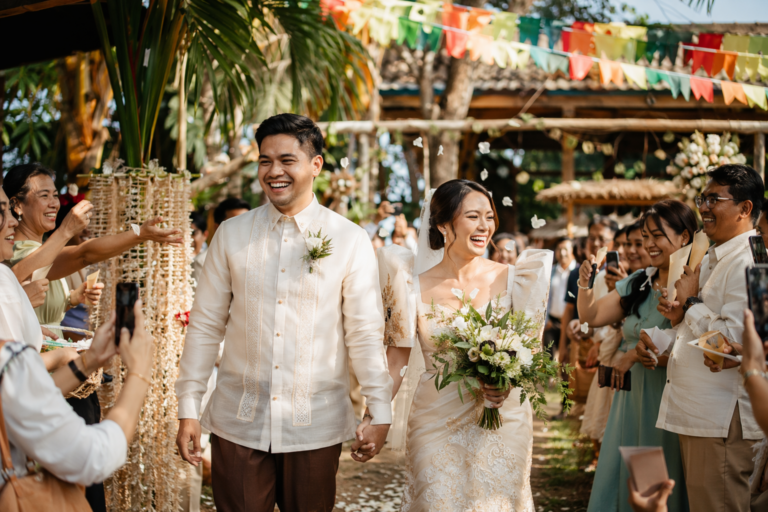
Barong Tagalog and Filipiniana outfits show off Filipino culture on the wedding day.
-
Australian guests can expect warm hospitality, a sense of togetherness, and wedding customs that have special meaning.
Introduction
If you are going to a Filipino celebration or getting ready for one, it helps to know the meaning of the rituals. Wedding traditions in the Philippines come from Filipino culture, the Catholic faith, family values, and even some old superstitions. Because of this, Filipino wedding customs mix both formal and personal touches. For Australians, it’s good to understand a few things about wedding customs. It makes the day easier to enjoy and understand, no matter if you are a guest, in the wedding party, or planning your own big day.
Essential Wedding Traditions in the Philippines Australians Should Know
Many Filipino weddings have set rituals that people notice right away. Some of the most common Filipino wedding traditions are candle lighting, wedding coins called arrhae, the veil and cord rites, formal sponsors, and fun reception customs like the money dance.
For Australians, these wedding customs in the Philippines show unity, care, faith, family support, and the feeling of community. Some of these wedding traditions happen during the ceremony itself. Others are important before and after. The next sections talk about what each custom means and how each one fits into Filipino weddings.
1. The Role of Principal Sponsors (Ninongs and Ninangs)
One of the first things people in Australia see at filipino weddings is that wedding sponsors are very important in filipino culture. At these weddings, it’s not all about the best man and bridesmaids. On the wedding day, filipino weddings usually have several trusted adults called principal sponsors. The family of the couple picks these ninongs and ninangs. They can be close family friends or relatives.
The main sponsors are not just there to look nice. At a catholic church wedding, these people act as witnesses. They are also seen as guides to help the married couple. If the couple has a civil wedding, at least two of the principal sponsors will sign the marriage certificate to show that the wedding is official.
In the wedding party, there are also secondary sponsors. These come in pairs who take care of the candle ceremony, the veil ceremony, and even the cord ceremony. All this shows that in filipino culture, people value help from their elders, the idea of sharing what needs to be done, and the importance of community when two people start a new life together.
2. The Arrhae (Wedding Coins) Ceremony
The arrhae is known as one of the most important parts of a Filipino wedding ceremony. In this coin ceremony, the groom gives the bride 13 wedding coins. Most of the time, these coins are gold or silver coins. The coins are usually kept in a small pouch. You might also hear people call this las arras.
In the past, the meaning of the arrhae was easy to understand. The coins show that the groom wants to take care of his wife and their future kids. It is a way to show everyone his care, what he promises, and how he’ll look after his family.
Now, some modern couples change up the tradition a little. For example, there are couples where both give each other the same wedding coins, to show that both will care for each other in the future. No matter if it’s in the same old way or in a new style, the arrhae is still a big part of the wedding ceremony. It’s also something many people remember about the culture.
3. The Veil and Cord Ritual
The veil ceremony and cord ceremony are two of the most important Filipino wedding customs. In the veil ceremony, sponsors put a veil over the bride and part of the groom. The veil often sits on the bride’s head and the shoulder of the groom. This shows them coming together as one.
The veil stands for being humble and hoping that God will guide the pair when hard times come. It helps people see the couple as one, ready to start married life together. Because of this, many guests say it is one of the most moving times on the wedding day.
After the veil ceremony, the secondary sponsors place a wedding cord around the couple in the shape of an infinity sign or a figure eight. The wedding cord can be made from flowers, cloth, a rosary, or even links of coins. In Filipino wedding customs, the cord ceremony means lasting unity, shared commitment, and two people joining their lives as one.
4. The Candle Lighting Ceremony
A candle ceremony is often one of the first things you’ll see in a Filipino wedding ceremony. Sponsors light a pair of candles, with one put next to each partner, and these are then used to light a bigger candle in the middle. Many people see this as a unity candle moment that stands for the couple coming together as one.
This part of the wedding ceremony has a religious meaning as well. The three candles show the two partners and God. It shows marriage is not just a bond between two people. That deeper meaning comes from Filipino traditions shaped by Catholic ways.
At the same time, some families link the pair of candles to old ideas about bad luck. People say if one candle goes out, it can mean bad luck for the one next to it. Even if guests do not believe this bit of superstition, the candle ceremony is still a big and memorable part of the wedding.
5. The Money Dance Tradition
If you want a wedding reception moment that feels truly Filipino, it is the money dance. This usually happens when the dance floor opens. Guests take turns to dance with the newlyweds and pin money on their clothes. It brings life to the wedding reception and gets people involved right away.
This custom is not just fun, but it also means something. The money guests give to the couple is seen as good fortune. It helps set up their financial future too. This mix of a good celebration and practical support is why Filipino wedding traditions stand out from other wedding styles.
For Australian guests, the main thing is to join in if you are asked and keep the happy mood. The money dance lets everyone at the wedding party take part instead of just watching. It shows generosity, shared joy, and the strong community spirit that you see in a lot of Filipino weddings.
6. Barong Tagalog and Filipiniana Attire
Traditional clothes at Filipino weddings often stand out. They look tidy and fresh without trying to copy Western suits or dresses. The Barong Tagalog is the most well-known for grooms. It is a formal shirt that comes from Filipino culture. The Barong Tagalog is still a top pick on the wedding day.
For brides, some go for the Baro’t Saya. This outfit has a skirt that sits high at the waist, plus a short top with long sleeves. At plenty of new-style events, brides might still wear this look. Others wear a white wedding gown but add a bit of Filipino style in a different way.
You might see the wedding party in clothes that take parts from the barong, or that show traditional Filipino shapes in their dresses. For Australians, remember that the dress code at filipino weddings often ties into family history, not just the latest look or style. The Barong Tagalog, the long sleeves, and these outfits are clear signs of filipino roots showing on the wedding day.
7. Pamamanhikan: The Formal Courtship Visit
Pamamanhikan is an old pre-wedding custom in Filipino wedding practices, though most Australians may not know it. Before wedding plans move on, the groom goes with his family to the house of the bride and her family. This visit is to show he is serious.
The visit to the house of the bride is not just a normal meal. It is about respect for the family of the bride and showing that the wedding will join two families, not just the bride and groom. The groom’s family may bring gifts and some food as a way to show goodwill. Sometimes, this visit can take place before any proposal happens.
For people talking about wedding customs, pamamanhikan is one that stands out. It shows good manners, the need for family to say yes, and the big part elders play in filipino wedding practices. Even now, when modern couples choose simple weddings, the real meaning behind this visit is still there.
8. Bayanihan: Community Involvement in Filipino Weddings
A strong feeling of bayanihan is in many Filipino wedding customs, even if people do not say the word out loud. Bayanihan is all about shared help, working together, and the importance of community. You can see this when many relatives, sponsors, and friends get involved and have a job to do.
Instead of keeping the wedding day small and private, Filipino weddings almost always bring in big family groups. The invitations can cover a lot, and many people even join in on the ceremony. This helps the wedding feel like it is for all, not just a few.
That focus on the group is what makes Filipino weddings special. Sponsors have roles like lighting candles, putting the veil, arranging the cord, and watching the vows. Guests also join in with the money dance and take part in other special moments. For Australians who usually see a smaller wedding day, this might be a surprise. But this bigger part for everyone shows the real heart of the wedding and the importance of community in Filipino wedding customs.
9. Blending Filipino and Western Wedding Traditions
Many modern couples blend Filipino traditions with western customs in ways that seem natural. On a wedding day, you can keep the usual wedding ceremony plan and still add the candle, cord, veil, or arrhae. This way, your day will honour your roots without changing all the parts of the event.
The gathered information shows that people also change rituals to fit what they believe. Some choose a non-religious wedding ceremony but still use the candle, cord, veil, and coins. One new idea is when the couple both swap the coins, not just from the groom to the bride.
For mixed-culture couples in Australia, this way feels right. You can stick with what means the most to you on your wedding day and let go of the rest. There is no need for Filipino traditions and western customs to clash. They can be together and bring more meaning, a deeper link to family, and add something special to the day.
10. Traditional Filipino Wedding Foods and Dishes
Food is important at Filipino weddings because being a good host is important. The information shows that couples want the wedding reception to show who they are, who their family is, and the happy time through sharing food. The menu can be filled with classics, mixed with other flavours, made to suit big crowds, small groups, formal or easy-going events.
There is not just one set of traditional Filipino dishes for every part of the country, but people know they will get either favourite meals or fresh mixes of different foods. Some couples pick a kamayan-style meal, and some serve Filipino food along with other meals from families joining together at the wedding.
Common things people expect at Filipino weddings are:
-
Filipino classic foods that are good for big wedding receptions and let everyone share.
-
Mix of dishes that match both Filipino food and other family tastes.
-
Meals like chicken inasal and sinangag, which were in the shared info as examples for a menu with many cultures.
Pre-Wedding Rituals and Customs in the Philippines
Before the big day starts, there are a few wedding customs that can shape what happens before the ceremony. These pre-wedding rituals show that Filipino wedding practices are not just about the big day. They also focus on family, respect, and signs that the couple is ready for marriage.
Some wedding traditions are more formal, while others are based on superstition or old ways. People may seek approval or choose sponsors, and these steps help set the mood for the celebration. The next parts will talk about the pre-wedding rituals Australians may hear about or see.
Family Involvement and Expectations
In Filipino culture, the family gets involved well before the wedding day. Marriage is seen as the coming together of two families. It is not just a simple choice made by two people. That is why parents, other family members, and older friends have a large say when it comes to planning and decisions.
This is one reason Filipino weddings are usually big. Both the family of the bride and the family of the groom add many people to the guest list. They can also decide who gets special roles at the ceremony and pick sponsors. For Australians, this way of planning can feel more like something many people do together, not just something the couple does alone.
The importance of community shows up here as well. There are many rules about respect and asking for approval. There will often be visits, gifts, and meals shared before the marriage. These parts of filipino weddings are not just plans for the event. They are a way to show honour, share in the promise, and bring together all the people who care about the couple and their families.
The Marriage Proposal and Engagement
Traditional courtship in the Philippines can be pretty formal and aware of the family right from the start. Usually, a man starts to court a woman over some time. In rural areas, this might even include serenading. When things get serious between the two, it’s time to move closer to getting engaged.
At this point, the two might wear matching rings to show their promise. The families also become involved. The groom, along with his family, will often visit the bride’s house. They bring gifts and food to show they want to get married. This gesture is a way to start wedding plans with respect and in the open. It’s not secretive.
The term verbal marriage contract comes up too, and this matches what happens with filipino wedding traditions. Most of the time, a couple makes a clear promise to marry, saying it out loud in front of everyone. It is seen and supported by their families. For filipino wedding traditions, wedding plans often find strength in spoken promises, like a verbal marriage contract, rather than just legal papers.
Pamamanhikan: Meeting the Families
Pamamanhikan is known as a formal get-together for both families. It is not just a casual meeting, but a respectful visit where the man’s side goes to the woman’s family home to make it clear they want to get married. This is one of the most well-known parts of Filipino traditions.
At this time, there is often food or gifts. This helps build a good and respectful feeling. The meeting can be before someone asks for marriage or it can be part of saying the couple is ready to start the wedding path. No matter when it happens, it lets both families know that the couple’s relationship is real and is for everyone to see.
For people in Australia, this might seem more planned out than a normal engagement announcement. But, what it is for is simple. Pamamanhikan lets older family members take part and helps both homes start things in a good way. It is one of the best-known wedding customs and really shows how filipino wedding customs and filipino traditions put family first.
Choosing Wedding Sponsors and Their Roles
Choosing wedding sponsors is a big part of planning Filipino weddings. These roles are not given out at the last minute. Families pick people they trust and respect to be witnesses, support, or to help with special parts of the ceremony. It shows both trust and care.
Principal sponsors are often grown-ups who know the couple or their families well. Secondary sponsors get tasks to do during the ceremony. Together, these sponsors form a support system that is not the same as a normal bridal party.
Typical sponsor roles include:
-
Principal sponsors, who stand as witnesses and might sign the marriage certificate.
-
Secondary sponsors, who look after the pair of candles in the candle ceremony.
-
Secondary sponsors, who place the veil and the wedding cord during the ceremony.
For guests from Australia, this helps explain why there are so many named people in the ceremony. In Filipino weddings, wedding sponsors are a big part of what makes the day full of meaning.
Structure and Flow of a Filipino Wedding Ceremony
A Filipino wedding ceremony usually goes through certain steps, mostly when it is in a Catholic church. The wedding ceremony will have sponsors, the exchanging of rings, candle lighting, coins, the veil, and the cord. Every one of these is there for a reason and not just something extra.
Even for modern couples who like to keep things simple, most of these wedding traditions are still part of the day. The wedding party in these weddings is often bigger and more involved than what most people in Australia might think. To help you see how things go, the next parts will show the main moments in the ceremony, what happens at the reception, and how guests take part.
Key Moments in a Filipino Wedding Ceremony
If you are wondering how a Filipino wedding ceremony is typically structured, think of it as layered. There is the formal marriage service itself, followed by symbolic acts carried out by sponsors and the couple. These Filipino wedding practices help guests read the meaning of each stage.
The exact order can vary, but the same major rituals appear often. The wedding day may also include superstitions, such as concern over dropping rings, coins, or ritual items, because these are sometimes linked to bad luck.
|
Ceremony Moment |
What Happens |
|---|---|
|
Sponsors take part |
Principal sponsors witness the marriage, and secondary sponsors prepare for ritual roles |
|
Exchanging of rings |
The couple exchange rings as part of the formal vows |
|
Candle ceremony |
Sponsors light the pair of candles and the central unity candle |
|
Coin ceremony |
The groom gives the arrhae, or 13 wedding coins, to the bride |
|
Veil and cord |
Sponsors place the veil and then wrap the cord in an infinity sign |
This sequence helps explain why Filipino wedding customs feel rich, ceremonial, and highly participatory.
Customs During the Reception
When the ceremony finishes, the wedding reception often becomes more lively. Filipino traditions are well known for having the warmth, the large number of guests, and lots of people joining in on the fun. This is not just a sit-down event that stays quiet. Some families in the past used to party for days, and you can still see some of that big and happy mood today.
A special part of the event is the money dance. You will see guests dance with the bride and groom and put money on them. It makes the wedding party full of fun, and everyone gets involved. This is not only entertaining, it is useful and means something deeper too.
Food is always a key highlight of the wedding reception. Couples offer favourite Filipino foods, mix in new tastes or go with a kamayan-style spread. For Australians, remember this: the wedding reception is not just extra. It is big. It is about making people feel welcome and sharing who we are, all together.
money dance, wedding reception, wedding party, filipino traditions
Guest Etiquette and Participation
Australian guests do not have to know all the details to be good at Filipino weddings. It helps to know a few basics, though. The biggest rule here is to dress with care on the wedding day. This is even more important during the ceremony. Conservative clothes are the way to go. It is also smart to go with any colour scheme or dress code given.
Filipino wedding customs sometimes need people to join in. Stay alert and watch what happens. You may be asked to join the money dance or keep quiet during important family moments. Things may feel open and friendly. But, this does not mean you can act casual all the time.
There are a few handy points to keep in mind:
-
Wear simple clothes on the wedding day, especially if it is a church wedding.
-
Make sure you pay attention to notes about the dress code. Colour or how formal it is may get mentioned.
-
Female guests and other people should know the ceremony may feel much more formal than what you see at some weddings in Australia.
Being a good guest is about showing respect for the family, the meaning behind the day, and their faith. This is key at Filipino weddings.
Unique Filipino Wedding Practices That Stand Out
Several Filipino wedding practices be easy to spot because they mix faith, family, and even some superstition in clear ways. The candle, coins, veil, cord, and the money dance all make these wedding traditions feel unlike those in other places. But, the real surprises about the day do not stop with these things.
The details collected talk about how people say rain can mean money and abundance for the couple. They also say sharp objects should not be given as wedding presents, and if rings or coins drop, it may bring bad luck. You will also hear about sukob. This is when family says siblings should not get married in the same year. These wedding traditions show that old stories still shape how people in the country celebrate today.
One more thing clear in Filipino wedding practices is how the event matters to both family and for the wedding ceremony. A wedding in Filipino culture is not only a love story to see or share. It is also a time for two families to come together, with parents and elders leading the way, using signs to help protect the couple’s future and layering meaning through every move.
Incorporating Filipino Traditions into Australian Weddings
Filipino traditions can blend well with Australian celebrations and not make the day feel too busy. Many wedding customs are about meaning, and they are simple to talk about. They also have a big place for guests, even if this is the first time they see them. This makes these cultural elements great for modern weddings here.
When it comes to couples from different backgrounds, you do not have to do every custom. It is better to pick wedding customs that show what your family cares about, what you value, and who you are. The next parts will talk about easy ways to use these traditions, update old wedding customs, and help all Australian guests feel at home and part of the wedding.
Adapting Filipino Traditions for Mixed-Culture Couples
Mixed-culture couples don’t have to pick just one wedding style. The good thing is, filipino weddings are easy to fit in with personal touches. You might decide to use the candle, cord, veil, or arrhae, and still keep the rest of the day clear for the Australian guests.
This goes well because most filipino wedding customs are short with lots of meaning. The customs can go inside a ceremony with or without religion. The celebrant can explain what is going on, so everyone feels part of it. This way, these rituals stay open to all and people know their value.
Some might choose to bring in filipino traditions in the clothes, music, food, or even the words spoken, instead of having a whole ritual. A Barong Tagalog, saying a few things in filipino, or having a menu with filipino food can mean a lot. For couples mixing two cultures, it’s best to pick what feels right and true to you.
Modern Twists on Classic Filipino Wedding Customs
Modern couples like to keep the meaning of Filipino wedding traditions, but they often change how they do things. For example, some choose a wedding ceremony that is not at church. They still have the candle, cord, veil, and coins though. This is a nice way for couples to have their wedding day show their heritage and not be in a church.
The arrhae can also get a new meaning. Instead of just the groom giving the coins, both partners can trade them. This lets the wedding tradition match how couples now both work together in marriage.
Couples also like to change their style. They might not wear big, traditional outfits but will add Filipino jewellery, barong-style clothes, or other pieces made in the Philippines. With these small things, the celebration stays close to Filipino wedding traditions and can fit the way people do things in Australia today.
Tips for Australian Guests Attending a Filipino Wedding
If this is your first time going to Filipino weddings, don’t worry. The best thing to do is to be respectful, pay attention, and join in when you can. Most wedding customs are easy to understand once the ceremony starts, especially if the celebrant or the couple give quick explanations.
The wedding day may seem more involved than what you might see at an Australian event. You might notice more official roles, many family members, and special moments during the ceremony and reception. That is normal and adds to why the experience stands out.
A few tips to help you with simple guest etiquette:
-
Dress in a conservative way and look at the invitation for any colour or style rules.
-
Be ready to join in, especially for the money dance that happens at the reception.
-
Have patience while watching the ceremony, because Filipino weddings often give tradition a strong role.
Go in feeling curious and most of the time, you will be made to feel welcome from the start.
Conclusion
Understanding Filipino wedding traditions can make the day more special for Australian guests. The role of ninongs and ninangs is important. The Money Dance is a fun practice, and each tradition shows the meaning behind these celebrations. These customs help everyone feel close by building respect and giving us memories to enjoy. As you get ready for your own or a loved one’s Filipino wedding, think about how you might use these beautiful traditions. If you want to know more, or need help, get in touch for a free consultation!
Frequently Asked Questions
What is the significance of the veil and cord in Filipino weddings?
In Filipino wedding practices, the veil ceremony brings the couple together as one. It shows humility and support for each other through married life. After that, the cord ceremony happens. In this part, a wedding cord is put into an infinity sign around the pair. These rituals say a lot about unity, lasting commitment, and a shared life on the wedding day.
Who pays for what in a Filipino wedding?
In Filipino weddings, the groom’s family usually pays for the wedding. But, wedding customs can be different between families and places. Wedding sponsors help by doing their roles at the ceremony. The family of the couple is also part of the planning, making the guest list, and looking after important tasks.
What foods should I expect at a Filipino wedding reception?
At a Filipino wedding reception, you’ll see warm hospitality and food that shows filipino culture. You can expect traditional filipino dishes or well-loved filipino staples. Sometimes, there’s also fusion food for a mix. Chicken inasal and sinangag are often served. Some couples will pick a kamayan-style meal too.