Key Highlights
-
Spanish weddings are full of life, go for a long time, and are strongly linked to spanish culture and family members.
-
Many wedding traditions focus on catholic weddings. There be a full ceremony with meaningful rituals.
-
Padrinos, not a big wedding party, hold an important role for the family.
-
Las arras matrimoniales, also called wedding coins, stand for trust and financial prosperity for the married couple.
-
On the wedding day, you can expect a huge meal, lots of drinks, good music, and everyone dancing late into the night.
-
Couples also give some gifts to guests. This helps make their special day warm and personal.
Introduction
If you are going to or organising one of the spanish weddings held every year, it’s good to learn what sets them apart. Spanish wedding traditions are warm and focus on family. There are long meals and big parties that sometimes go on until the sun comes up. For people in Australia, some wedding traditions may look the same, but some things will be new and unexpected. When you get how spanish culture shapes both the wedding and what goes on after, the whole day gets easier to enjoy and much more special.
Essential Features of Spanish Wedding Traditions
Spanish wedding traditions have a strong link to their cultural heritage. In these weddings, the focus is on two families coming together. There is not much attention on having a big wedding party of friends. This family-first way shows up in both the ceremony and the party after.
Many main customs at Spanish weddings come from catholic tradition. Spanish couples sometimes choose a full mass. They may pick padrinos instead of the usual bridesmaids or groomsmen. They also take part in things like the exchange of coins. These traditions help make the wedding day feel special and full of meaning.
The Meaning and Role of “Padrinos” (Godparents) in Spanish Weddings
One of the biggest things that make spanish weddings stand out is the part played by padrinos. Instead of a usual wedding party with bridesmaids and groomsmen, spanish couples often go with close family members to join them at the front. In lots of catholic weddings, these people are the official witnesses and trusted ones who support the couple.
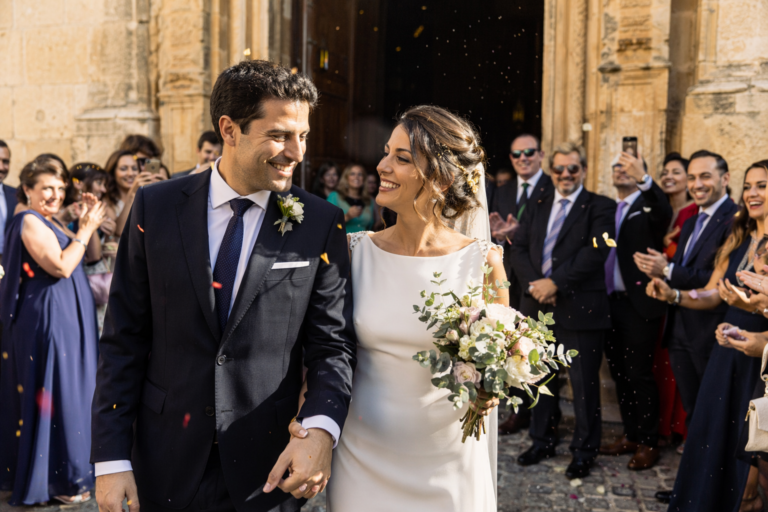
Most times, the father of the bride walks his daughter to the front, and the groom’s mum goes with her son. Padrinos get an important role at the very start of the wedding day. You can see this shows how much spanish culture cares about family members and everyone sharing in what needs to be done.
For Australians, this might look even more close and special than a friend-led wedding party. In spanish weddings, family members do more than just sit and watch. They help out and take an active part on the wedding day. That focus on close family members makes the event feel very real and personal.
The Exchange of Arras Matrimoniales (Wedding Coins) Ritual
One of the most special wedding traditions in catholic weddings is las arras matrimoniales. In this spanish wedding ritual, there are 13 unity coins. These wedding coins are placed in a nice box. The groom gives them to the bride, but these days, many modern couples swap the coins with each other.
This act is about the promise to help each other and share all that life has. It is there to show the trust, the commitment, and the wish for financial prosperity for the married couple. That is why las arras matrimoniales is still a big part of so many spanish wedding traditions.
Here are some things to know about las arras matrimoniales:
-
The 13 unity coins mean both people will care and support each other.
-
These coins are about wanting a good and wealthy life when you are married.
-
The wedding coins are usually given by the padrinos.
-
Swapping the coins is a strong and moving part of catholic weddings that means a lot.
These wedding traditions and unity coins help make catholic weddings so special for the couple. Modern couples still love to keep these spanish wedding traditions for the meaning and the hope they bring.
Unique Wedding Ceremony Customs Across Spain
In Spain, a wedding ceremony usually brings together family customs and symbols that are very important. These spanish wedding traditions can have religious parts, family treasures, and flowers that have been used for many years. All these show what people in Spain believe about love, purity, and happiness that lasts.
You will see that a lot of these traditions come from the catholic tradition. The style of the service and even a special flower can be picked with a lot of care. In the next few sections, we will talk about how faith and what the bride wears will help make the wedding ceremony stand out.
Incorporating Catholic Traditions and Religious Elements
If you are wondering how Catholic traditions are included in Spanish wedding ceremonies, the answer is quite clearly. Many spanish catholic weddings follow a traditional christian ceremony and may include a full mass. For guests, especially visitors, this can feel longer and more formal than expected.
These catholic weddings also feature religious elements through family roles and symbolic actions. The presence of padrinos, the exchange of arras, and the overall structure of the service all show how faith shapes the wedding ceremony. In practice, these different rituals connect the couple to both religion and family.
|
Catholic tradition |
How it appears in spanish catholic weddings |
|---|---|
|
Full mass |
A longer, more formal wedding ceremony in church |
|
Padrinos |
Close family witnesses with an important role |
|
Las arras matrimoniales |
13 unity coins exchanged as a shared promise |
|
Family-led entrance |
The bride’s father and groom’s mother escort the couple |
Orange Blossoms, Mantilla Veils, and Iconic Spanish Bridal Attire
Spanish brides are easy to spot by little touches that never go out of style. One thing you often see is the orange blossom. This special flower stands for purity, happiness, and good fortune. You might spot it in the bouquet or worked into the hair as part of the bride’s look.
Another thing that stands out is the mantilla. These veils, made with intricate lace, are a strong part of what makes spanish brides so unique. In the past, some wore black, but now you mostly see a white wedding dress paired with a wedding ring and lace or family heirlooms.
Here are some common things you’ll notice:
-
Orange blossom brings love, happiness, and good fortune
-
Mantilla veils with a high comb on top
-
Intricate lace passed down through family
-
A white wedding dress with classic spanish touches
Family Participation and Guest Expectations at Spanish Weddings
For many people in Australia, one thing that stands out in spanish wedding traditions is how much family members are a part of it all. These weddings are not quiet or small. Instead, they are big gatherings where close family members have a say in the ceremony, the seats, and how the day goes.
Wedding guests can look forward to a full day that keeps going late into the night. There will be a lot of food, lots of loud fun, and many shared moments. To really get what these events are like, you should look at what the family does first, and then see how guests join in the fun.
The Head Table Tradition and Family Roles
A Spanish reception puts family roles right out in the open. At the head table, you will see the couple sitting with both sets of parents instead of just being with their friends. This setup shows that it’s about the joining of two families, not just two people.
That detail says a lot about Spanish culture. The father of the bride, the groom’s mother, and other family members are not left in the background. They are right at the centre of the day, and their support means a lot. Sometimes, close relatives like grandparents are also asked to sit near the couple.
Spanish families help out in many ways. They show their support by being there, doing key jobs, and sitting at the main table. These things make everyone feel more united. For Australian guests, seeing the head table really makes it clear that family members come first in Spanish culture.
How Spanish Wedding Guests Actively Join in Celebrations
Spanish wedding guests do a lot more than just sit down, clap, and head off early. These events are full of life and go on for hours. At big gatherings, people cheer, eat lots of good food, dance, and keep up the fun mood all night.
There is one moment that stands out. Everyone shouts “Viva los novios,” and the rest of the room calls it back. At some weddings, the money dance is a big part too. People at the wedding will dance with the couple and give them cash. This is a fun way to help out the newlyweds and support them, not just a formal thing.
Wedding guests usually expect to:
-
cheer and join in loud toasts at the meal
-
spend plenty of time on or near the dance floor
-
be part of the money dance if it happens
-
stick around for a long night full of food, music, and lots of fun
Savouring Spanish Wedding Cuisine and Festive Drinks
In spanish weddings, food and drink are not just something on the side. They are a big part of the day. The wedding feast, or banquete de bodas, is full, social, and often goes on much longer than people in Australia might think. Guests get a lot to eat, and then there is even more food later on.
The wedding feast starts with some appetisers, then there are different courses of food. After the meal, there is music, dancing, and more snacks. The local tastes and fun drinks keep everyone happy, which is why the food and drinks mean so much in spanish weddings.
Traditional Banquet Menus – Tapas, Paella, and Local Flavours
The banquete de bodas at a spanish wedding starts before anyone sits down to eat. At the start, you will see waiters walking around with tapas, canapés, cheese, sushi and freshly cut jamón. People think this is generous enough, but it is just the beginning of the wedding feast.
Once that is over, the main meal begins. This part can go for four to seven courses. In line with wedding traditions, each plate is big and filling. You could get different starters, fish or meat, a fresh sorbet, a tasty dessert, and sometimes even more food later in the evening. The big thing here is all the local flavours.
You might spot foods like:
-
Tapas to share at the start
-
Paella or fideuà made in big pans
-
Jamón sliced fresh for everyone
-
Late at night, snacks like mini hot dogs and burgers
In these spanish wedding traditions, people look forward to a wedding feast with lots of different foods and classic tastes.
Signature Spanish Wedding Drinks and Toasting Rituals
Drinks help set the scene at every Spanish wedding party. During the meal, you will see lots of drinks, and this keeps going all the way into the late-night party. Most people go for local wines and Cava. These drinks go well with the strong local tastes in the food.
Toasts at these parties are not quiet. Someone might shout “Viva los novios,” and the rest of the guests will all join in. As time goes on, the wedding party kicks back, and there are more cheers and claps. It is not like a stiff, one-off toast you sometimes see.
All this makes the wedding party feel warm and easy. Food and drink bring people together. No one is rushed. The drinks are a big part of the fun, helping turn the night into a real celebration that can last for hours.
Spanish Wedding Reception – Music, Dancing and Festivities
When the meal is done, the Spanish wedding reception turns into a big party. There is more music, people get louder, and now everyone wants to be on the dance floor more than just sitting at a table. This is the time when many people see that the night will keep going for a while.
A Spanish wedding reception will often have a late wedding dance. There is lots of lively entertainment, and people keep eating and drinking well after midnight. To get a better idea of how things happen, it’s good to first look at the wedding dance, and then talk about the other customs that help the party go all night.
La Marcha Nupcial, Midnight Dances, and Entertainment
At a lot of parties, the first wedding dance usually does not start right after dinner. It can even wait until midnight. This often surprises Australian guests. By that time, people are full of energy, and the fun is really only at the beginning.
Once the first dance is done, guests might go to another place, like a disco area. The party picks up from there. At some weddings, you will also see sequidillas manchegas, which is a traditional wedding dance. Parents, grandparents, and the couple getting married might join in for this. It helps everyone at the party, young and old, to come together.
There is a lot of fun that people love at these parties. You might see:
-
La marcha nupcial as part of the big celebration
-
Dances at midnight that kick off the late-night fun
-
Sequidillas manchegas, which is a traditional wedding dance
-
A disco space, with music, props, and even more food
Everyone gets good memories and a fun way to enjoy a wedding dance, a special traditional wedding dance, and all the things that make these nights so full of life.
Popular Reception Customs and Spanish Wedding Favours
One of the more surprising things about spanish weddings is that the couple gives gifts to the guests. It is not the other way around. The wedding favours are usually small things meant to say thank you. The couple gives them out as they walk around each table during the reception.
This walk around is a friendly way for the couple to say hi to everyone. It lets the couple meet guest expectations and makes folks feel welcome. Sometimes, the bride and groom also give playful signs to people who are not married yet. A good example is “tu la llevas” which means “you’re next.” It is much like the bouquet toss at other weddings.
These small actions help keep the party fun and everyone involved. People might see rose petals or white petals as part of the big picture in some weddings, but here, it is more about the gifts, the table visits, and the funny messages. This mix helps add good cheer to the room.
Conclusion
In the end, Spanish wedding traditions give us a bright mix of customs. These show the strong roots from the country’s cultural heritage. From what “Padrinos” mean, to the fun parties with music, dance, and great food, all these spanish wedding traditions make memories for couples and their guests. There is real warmth in how families join in, and lots of small things make spanish weddings stand out. If you are going to a wedding in Spain or you want to plan one, knowing about these wedding traditions will help you enjoy the day more. Make sure you dive into everything and really enjoy every minute of this big day of love!
Frequently Asked Questions
What makes Spanish wedding rituals unique compared to Australian weddings?
Spanish wedding traditions are all about the cultural heritage, the family, and special rituals. At these weddings, you will see the padrinos, unity coins, and a long traditional ceremony. There are also big gatherings, and the party goes late into the night. Spanish brides often wear lace and flowers, which makes them stand out.
Are foreigners welcome to participate in Spanish wedding traditions?
Yes, people from other countries can join in spanish culture and wedding traditions, especially if they are guests or if they’re having a destination wedding there. Many wedding traditions are easy to add, with the help from family or a wedding planner. Spanish weddings make everyone feel part of the day and get them involved in the celebration.
How do Spanish families typically contribute to the wedding day?
On the wedding day, family members are easy to spot. They have lots to do. This can be being padrinos, walking with the couple, or sitting at the head table. Instead of having a big wedding party with lots of mates, close relatives are often in the main spot for both the ceremony and the reception.