Key Highlights
-
A korean wedding brings together old wedding traditions and a short, smart main ceremony.
-
Many korean wedding traditions are about family. The bride’s family and the groom’s family both have a big part in it.
-
Traditional wedding attire like hanbok has special colours that show balance and good fortune.
-
Now, weddings usually take place in wedding halls, where people take photos and share a buffet meal.
-
The pyebaek ceremony is a way to honour elders, especially the groom’s parents, by giving bows, blessings, and food that means something special.
-
Pre-wedding gifts, the invitations, and small rituals help the wedding party get close before the big day starts.
Introduction
If you are an Australian guest, a couple, or just want to know more, a korean wedding can feel both close and a bit unusual. These wedding traditions really show what korean culture is all about, with their family focus, the special clothes, and their food. The wedding ceremony is usually short, but there is a reason for everything they do. When you get what the customs mean, every part of it feels clearer and sticks in your mind. That is why a South Korean wedding is so good to check out.
The Unique Appeal of South Korean Wedding Traditions
South Korean weddings are special because they mix style, order, and deep symbolism in one event. Every part of the wedding day, like colours, bows, candles, and gifts, means something. This makes the wedding day more than just a social get-together. It adds real purpose to what people do.
For many people, the deep symbolism is the most important part of a korean wedding. Korean wedding traditions also focus on family, so the couple, their parents, and all the guests play a big role. For Australians, these wedding traditions mix beauty and meaning, and make the day stand out.
Why Australians Are Fascinated by Korean Weddings
Many Australians like the way a korean wedding brings both style and heart together. These weddings look neat and run well, but there is more to it. A lot of feeling comes from the wedding traditions in every step. That mix makes the day stand out, especially for wedding guests used to longer events and families who don’t have clear roles.
Another reason people are pulled in is the big part close friends and relatives play in a korean wedding. In south korea, the bride’s family and the groom’s side do more than just sit and watch. They join in with gift-giving, walks down the aisle, bows, blessings, and group photos. This helps make the day feel special for everyone.
So, what are the main wedding traditions in south korea? Some key wedding traditions people remember are the wearing of hanbok, lighting candles by the mothers, bowing to parents, the wild goose custom, sharing a special drink together, follow-on wedding day steps, giving money, and the pyebaek ceremony after the main event.
How Culture Shapes the Korean Approach to Marriage
Korean wedding traditions come from deep ties to family, respect, and a strong sense of duty. In korean culture, a wedding is more than just two people choosing to be together. It is also about both families coming together, and everyone can see this during the big day.
This is the reason you will see the groom’s family, the bride’s relatives, and other elders play a big role. Traditions like bowing, giving gifts, and greeting each other with care show how marriage is a lifelong commitment with a bigger meaning in society, not just something private. Even in modern ceremonies, these things stay important.
How do traditional korean wedding ceremonies usually take place? The day often starts with the processional. Mothers from both families have ceremonial roles. The groom makes some symbolic gestures. The couple bow to each other with respect. They share a drink to seal their vows. There are bows to the parents. Later, family-centred rituals happen, such as pyebaek.
Historical Origins of Korean Wedding Customs
The start of a korean wedding goes all the way back to the Joseon dynasty. At that time, Confucian ideas played a big part in many korean traditions. That is when marriage customs started to be more organised. Each person in the couple, and their family members, had clear roles to play.
These ways of doing things were common in asian culture. They made marriage about respect, loyalty, and family order. In the past, people had weddings at the bride’s home, not in a place they hired. Knowing that helps you see why some of the old ways still play a role in how people celebrate today.
Influence of Confucianism and Ancient Rituals
Confucianism has shaped many Korean traditions, especially when it comes to marriage. It says people should respect older folks, know their role in the family, and act the right way during public events. People can still see these values at a wedding day, even if it happens at a fancy place and not at home.
One of the clearest examples is the wild goose custom. In the past, the groom would give a live goose to the bride’s mother. Wild geese stay together for life, so giving a goose was a way to show the groom wants to be loyal and take care of her daughter.
Are there any differences between modern and traditional wedding customs in South Korea? There are some changes. These days, people use a wooden goose instead of a live goose. Most venues are rented, and the ceremonies don’t last as long. Still, people can see respect, loyalty, and the value of family duty as a big part of the wedding, just like before.
Evolving Marriage Practices Through the Ages
Marriage practices in South Korea have changed a lot over the years, which shows these customs can be quite flexible. In the past, families in south korea used more formal steps, with mums and dads involved in every part and the wedding usually held at home. Back then, the groom’s family often paid for most of the big things, and the bride’s family looked after her dress and what she wore.
A modern korean wedding looks very different now. Many couples get married in special wedding venues rather than their homes. These days, couples often split the costs in new ways. You can also see both korean wedding traditions and things from Western weddings mixed in together. Still, there are things from the old days that show up at most weddings. For example, the clothes, the way families bow, and rituals like pyebaek are still around.
So, are arranged marriages still a thing in south korea? The information says that arranged marriages are not common now. These days, more people make their own choices when it comes to getting married. You can see this with different dating practices, like wearing pair rings, and modern weddings that focus more on the couple rather than older family rules.
Comparing Traditional and Modern Korean Weddings
A traditional korean wedding used to take place at home, often at the bride’s house. The main event was with close family, and the rituals happened in a small group. Now, a modern korean wedding is usually held in one of the many wedding halls you can find across south korea.
But there are still parts of the ceremony that keep old traditions. The couple often wears symbolic clothing and bows. Mums and dads still have big roles, and families give special gifts. The format, timing, and place are what change the most in a modern korean wedding. This difference between past and present could be very interesting for people in australia who want to know more about a korean wedding.
Key Differences in Ceremonies and Celebrations
The biggest change is now in the way the wedding ceremony is done. In the past, weddings happened at home, and there was a lot of focus on every step of the ritual. These days, the main ceremony is at a wedding hall or other place. There will be an MC, it starts and finishes on time, and everything goes by the set plan.
Now, the main ceremony can last only about twenty minutes. After that, the group photos begin. People then move to a big buffet hall. There, a few wedding groups can eat in the same building at the same time. It’s not like the past, when there was a bigger focus on showing the meaning of everything done, including the gestures and time with family.
-
The traditional dress used different colours and red dots. This was to keep evil spirits away.
-
In the past, people used a live goose, but now, many use a wooden goose instead.
-
Wedding halls are now used in place of the bride’s home.
-
Group photos and buffet halls are a big part of a modern wedding ceremony.
-
The main ceremony is shorter now, but you will still see old symbols being used.
Modern Adaptations While Honouring the Past
What makes a korean wedding special is not just change, but how it shapes itself to new times. In south korea now, modern ceremonies may use a new style in things like where the wedding happens, how quick events move, and the type of entertainment people get. Even so, these weddings still hold onto parts from old wedding traditions that are important to families. This helps keep each wedding up to date, but the real meaning is not lost.
For example, some couples in south korea choose wedding halls, have a set program that is short, and then talk with their guests in a buffet room after they change outfits. Some couples now include pyebaek like a show during the drinks hour, using ideas taken from western style weddings.
Are there any differences between modern and old style wedding customs in south korea? Yes, there are some clear changes. The place, how long it is, and the way people see the event have changed a lot. But many meaningful korean wedding traditions still last, like wearing hanbok, making bows, using candles, blessing by the family, serving special foods, and keeping marriage as something that links two families together.
Customary Pre-Wedding Rituals in Korea
Before the big day, wedding traditions help bring together families and friends. People often take part in customs like giving betrothal gifts, sharing symbols of the new relationship, or making happy visits from one home to another.
There is not much about big formal engagement parties here. But the information does show that, before the wedding, the groom’s family will send gifts to the bride’s place. These traditions help make people excited and show that the wedding starts long before anyone walks down the aisle.
Matchmaking, Arranged Marriages, and Family Roles
The collected details focus more on the roles that family members play than on any set matchmaking process. It clearly shows that parents and other family members still have a big part in korean wedding traditions, especially before and during the main event.
The bride’s mother has a very important job in a few parts of the ceremony. She may get the groom’s symbolic goose, take part in lighting candles, and stand for the bride’s family in the main talks. Parents do not sit in the background. They are right there, playing their role and making the day mean even more.
Are arranged marriages common in South Korea now? Looking at the information, they do not seem to be a main part of modern weddings. The info talks more about dating customs, changing ways of doing things, and how much parents take part, rather than showing arranged marriages as a usual thing.
Engagement Parties, Proposals, and Betrothal Gifts (Yedan)
South Korean pre-wedding customs can be quite different from those in Australia. Usually, couples do not give each other engagement rings like in Western countries. Instead, a lot of couples celebrate their first 100 days together by giving each other pair rings. This shows their early commitment in the relationship.
There is another old wedding tradition in South Korea. The groom’s close friends deliver betrothal gifts to the bride’s house in a special box called a hahm. When the groom’s friends arrive, they often sing and make jokes. The bride’s family joins in the fun, joking around and pretending to bargain before they accept the gifts. This turns the betrothal gifts into a happy and lively part of wedding traditions.
-
Betrothal gifts can be jewellery, watches, cash, and nice clothes.
-
The hahm is brought by the groom’s close friends, not the couple themselves.
-
This exchange is filled with laughter and is very festive.
-
During the wedding party, it is also normal for guests to give cash as a wedding gift.
These wedding traditions show how close friends and families get involved. It also shows the rich customs brought out during a wedding party, especially when giving betrothal gifts.
Choosing Auspicious Dates and Wedding Invitations
In many places, the timing of the wedding day is important. In Korean customs, people link the wedding day with good fortune and proper ways of doing things. Even if the information on picking a date is short, it still shows that what is symbolic is important.
Wedding invitations and giving gifts have their own set ways. Guests often bring money in a white envelope. This adds to the formal and practical feel at many Korean weddings. It is also a good idea to look more closely at dates and invitations.
Calculating Wedding Dates for Good Luck
The material does not give a formal way to pick the best dates for a korean wedding, so it would not be right to explain one in detail. But, we can see that in korean traditions, people care about good luck and meaning during the wedding ceremony and other customs.
This attitude is there in the colours, bows, geese, noodles, and good wishes from older people. All these show a want for harmony, loyalty, safety, or a happy life together. The way to work out the exact date for a wedding is not given, but it is clear that people like to choose things that mean something special.
How do people usually send korean wedding invitations? There is no clear bit-by-bit process in the shared info. What we do know is that a korean wedding is quite formal, and guests often give money in a white envelope on the day.
Unique Ways Koreans Send Wedding Invitations
If you are looking for a detailed guide to wedding invitations, the provided source material is limited. It does not describe exact wording, delivery channels, or who hands invitations to whom. That said, the overall tone of Korean weddings suggests a formal way of organising guests and acknowledging attendance.
The strongest invitation-related clue in the compiled information is what happens when guests arrive: money is commonly given as a gift in a white envelope. This points to a practical and respectful event structure, where attendance and gifting are handled with clarity.
Here is a simple summary based only on the information provided:
|
Invitation-related element |
What the compiled information shows |
|---|---|
|
Wedding invitations |
Mentioned as part of wedding planning themes, but not described in detail |
|
Delivery method |
Not specified in the provided material |
|
Event tone |
A formal way of hosting is suggested by structured ceremonies and venue systems |
|
Guest gifting |
Cash in a white envelope is the most common gift |
|
Meaningful korean wedding traditions |
Formality, symbolism, and clear guest roles shape the experience |
Iconic Korean Wedding Attire and Symbolism
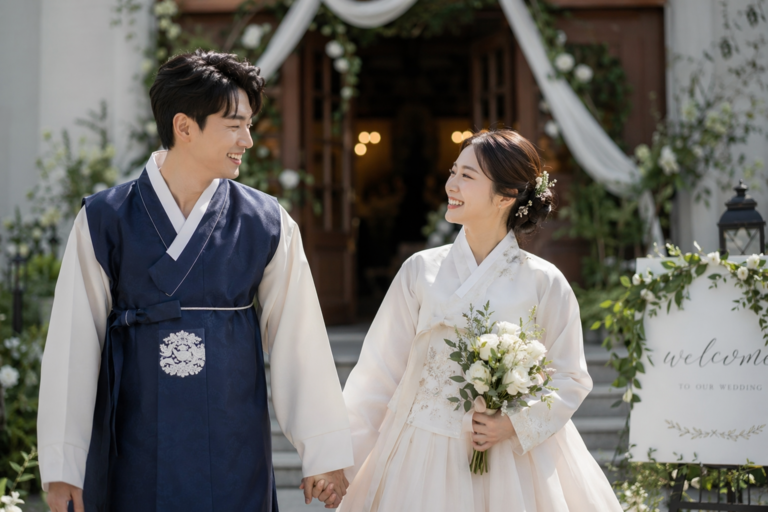
Not many parts of a korean wedding stand out like the hanbok. The wedding attire uses bright colours and details to show balance, who you are, and how close you are to your family.
The bride will often put on a red hanbok, and the groom will be in a blue hanbok. You may see red dots on the bride’s cheeks. These are meant to keep away evil spirits. Once people know why they wear these outfits, the clothes seem to mean a lot more than just looking good.
Hanbok: Heritage, Types, and Meaningful Colours
The hanbok plays a big part in korean wedding attire. It is not just for show. The outfit means more than regular clothes—the hanbok shows a connection and balance in the marriage when two people come together. That is why the color is so important in a korean wedding.
During a traditional wedding, the bride will wear red and the groom will wear a blue hanbok. These bright colors stand for the up and down energy between them. This kind of wedding attire lets everyone know it is not just any day—it is a special day with a lot of history and meaning.
What does the hanbok stand for at a korean wedding? It shows tradition, how a family sees itself, and the joining of two people.
-
The bride’s red hanbok stands for one side of that union.
-
The groom’s blue hanbok shows the other half.
-
The bride has red dots on her cheeks to keep evil spirits away.
People use bright colors, including red dots and strong blues, at this time because they add to all the meaning in the tradition.
Accessories and Attire for Parents, Grooms, and Guests
Wedding attire at a Korean wedding is about more than what the couple wears. The parents have special colours to show their bond with the bride or groom. You’ll see the mother of the groom often in light blue or green. The mother of the bride will usually be in pink or purple.
These colours help the guests know straight away who is from the bride’s family and who is from the groom’s side. They also tell you something important about how to act at a korean wedding. If you plan to go, it’s best to not wear similar colours as the mother of the groom or the mother of the bride. This is extra important if part of the day includes korean wedding traditions.
So, what’s the right thing to wear if you are a guest at a korean wedding? The advice is to dress neatly and not pick colours that are like the ones chosen by the mother of the groom or the mother of the bride. Sometimes the couple change to traditional clothes later, but guests do not need to wear hanbok unless the couple asks you to.
Unfolding the Traditional Korean Wedding Ceremony
A traditional korean wedding ceremony has a lot of meaning in everything, even if it goes for only a little while. The main ceremony has processions, people bowing, the roles of parents, and some simple rituals that show respect and coming together.
For Australians who are used to speeches and longer receptions, this part of a wedding can feel fast. But every part is there for a reason, like lighting candles or when the groom’s promise is shown with things that have deep meaning. If you have a closer look at how everything goes, you will find it’s much easier to keep up with the order of the wedding ceremony.
Step-by-Step Walkthrough of the Ceremony
If you want to know what happens at a traditional korean wedding, the steps are easy to follow. The main event starts when everyone walks in and there is time for both families to take part. After that, the couple shares vows and do their bows. At the end, everyone celebrates and takes group photos.
At a modern wedding ceremony, things move quickly, but the order is still important. The wedding day usually kicks off when the mothers walk in with candles. Then, the couple has their key moments in front of others. After these events, the couple bows to their parents and finish the main public part of the ceremony.
Here is a simple look at what happens:
-
The mothers come in holding red and blue candles. They light one candle together.
-
The groom enters, and the bride will often go in with her father.
-
The couple shares symbolic vows. This is where the groom’s promise is made.
-
They bow to each other, then bow to their parents.
-
The wedding ceremony ends. After that, group photos are taken with family and friends.
Important Rituals: Jeonan-rye (Wild Goose) and Gyo-bae-rye (Bowing)
Jeonan-rye is one of the most special parts of a traditional Korean wedding. The reason for this is what it means to the groom, the bride’s mother, and everyone there. At this stage, the groom gives a wooden goose to the bride’s mother. In older times, people would use a real wild goose, but these days it is usually made from wood.
The meaning behind this is clear and strong. Wild geese stay together for life, so giving one as a gift is a way to show faithfulness. The groom is showing he will look after his bride for all the years to come. Before he offers the wooden goose, he bows to his mother-in-law. This not only adds respect—it also makes his promise even more real.
Gyo-bae-rye is when both the bride and groom give bows to each other. In doing this, they show their respect and their new commitment. Pyebaek is a family event that happens a bit later, but jeonan-rye and gyo-bae-rye together are key to the heart of a traditional Korean wedding.
These parts have a deep symbolism. They make sure the wedding is full of strong meaning that links everyone together.
Korean Wedding Reception Customs
After the ceremony, korean wedding traditions often shift right away to group photos, food, and saying hello to guests. Taking group photos is a big part of this. It starts with parents, then moves on to the rest of the family, and after that, friends join in.
A lot of the time, the wedding party and guests go to a buffet hall instead of staying in one private room. The couple might change their outfits before they greet everyone. This sort of wedding traditions and wedding party makes things feel quick, lively, and very different from the big sit-down dinners you often see at australian weddings.
korean wedding and group photos are important, and having a buffet hall helps everyone celebrate together.
Foods Served at Traditional Korean Weddings
Food at a Korean wedding is full of meaning. The most important dish you will see is noodle soup. In fact, the main meal is called kook soo sang, or noodle banquet. Even if you are in a buffet hall at a modern wedding, the noodle soup is always there as a nod to tradition.
The long noodles are served to wish the couple a long and happy life together. You will find this noodle soup in a clear beef broth, topped with vegetables and pieces of shredded eggs. There are other foods too, which you might get at more traditional events or during some of the special rituals.
What foods can you get at a traditional South Korean wedding?
-
Noodle soup with long noodles to wish for a long and happy marriage
-
Kook soo sang, which is the main wedding banquet dish
-
Yaksik, a sweet rice dish made with honey, sugar, nuts, and spices
-
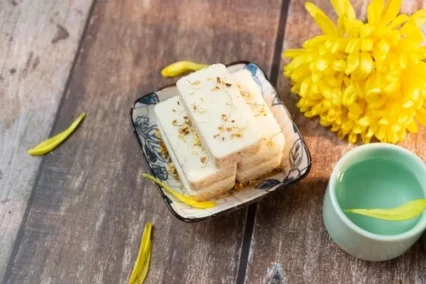
Dok, a sticky rice cake that people often eat for dessert
Entertainment: Music, Dance, and Modern Festivities
Reception entertainment in South Korea can be lively, no matter if the formal bit is quick. At many modern ceremonies, music kicks off from the start. Close friends in South Korea sometimes sing their own songs during the event, so the fun starts early instead of being left for after.
Some weddings let a group give a singing show, and you might see the groom sing just for the bride. This gives a special feel to the day, even when things are busy. The couple and guests often go to take photos and have a meal together after. You usually won’t see a big night of dancing like you get in Australia.
Are there any differences between modern and old wedding customs in South Korea? There are. The old way gives most time to ritual and meaning. Modern ceremonies now bring in live shows, tighter schedules at different places, buffet-style meals, and quicker moves from the main event to photos and mingling with guests.
The Pyebaek Family Ritual Explained
The pyebaek ceremony is one of the most well-known family events in Korean weddings. It usually takes place after the main ceremony. The focus is on giving blessings to the couple for their future family. The pair sit on one side of a low table with snacks on it. Across from them are the elders. The newlyweds give tea or soju to their elders and show much respect during the exchange. Deep bows are important in this, as they show thanks and a humble attitude.
In the past, the pyebaek ceremony was used to introduce the bride to her new family, most of all to the groom’s parents. These days, it might be a part of a bigger wedding and can even pop up during cocktail hour at modern venues. While wedding guests might not always join in up close, the meaning is still strong. It stands for family approval, hope for the days ahead, and both families coming together—not just two people getting married.
Meaning and Symbolism of the Pyebaek
Pyebaek brings deep symbolism to a korean wedding because it changes a wedding into a time for the two families to come together. It’s not just about the couple getting married. The ceremony lets elders give their good wishes, hopes, and advice for the future. That makes it one of the most meaningful parts of korean wedding customs.
This ceremony also shows trust between the two households. In the past, pyebaek was a way for the bride to meet the groom’s family. It showed that she was being welcomed. It also proves that the groom will look after her, which is something the bride’s family wants. It’s a clear symbol that the groom’s family will take care of her daughter.
How does the pyebaek ceremony work at a korean wedding? Some of the big symbolic meanings are:
-
Good wishes and wisdom given by parents and elders
-
How the bride is welcomed into the groom’s family circle
-
Hopes for kids and a lucky future, shown by using dates and chestnuts
So when you see a pyebaek ceremony, you’ll notice how strong the family bonds and good wishes are, coming from both the groom’s family and the bride’s family.
How the Pyebaek Is Performed and Its Importance Today
The pyebaek ceremony is done after the main ceremony. It happens at a low table called a daeryesang. The couple sit across from their family members and give snacks with tea or soju. Their family members then give blessings, advice, and often an envelope of money.
At the end, there is a fun and special moment. Dates and chestnuts are thrown to the couple, and they catch them with the bride’s dress. These show hope for future children. This turns the part into a blessing and a fun time for the family.
The pyebaek ceremony is still important today because it links old values with new ways of having a wedding. Even now, when people do it at a hotel or in a wedding hall, pyebaek still shows lifelong commitment, respect for family members, and that marriage is about joining families as well as two people.
Conclusion
South Korean wedding traditions have a lot of history and culture, which is why many Australians find them interesting. The hanbok has deep meaning, and there are special customs like the Pyebaek. These show what values and beliefs are important in Korea. When you go to a Korean wedding, getting to know these wedding traditions and korean wedding traditions will help you see and feel more of the event. You can enjoy the love and fun at the celebration, and joining in the customs will make your time there better. If you want to know more about korean wedding traditions or want help with your own wedding, you can get in touch for a chat!
Frequently Asked Questions
What gifts should guests bring to a Korean wedding?
In many korean wedding traditions, people often give cash gifts instead of boxed presents. They usually put the money in a white envelope and hand it over at the event. How much money to give will depend on how well you know the couple or the wedding party.
What is the dress code for Australians attending a Korean wedding?
For a korean wedding, you should wear neat and respectful wedding attire. You don’t need to wear hanbok unless the couple asks you to. If you are not one of their close friends or family, wearing a simple and tidy outfit is good enough. Try not to wear colours which look like what the mothers will wear.
Are arranged marriages still common in South Korea?
The information here does not show that arranged marriages are a big part of the modern korean wedding. Now, korean traditions are changing quite a lot. Couples use new dating customs, but family members are still very much involved in the ceremonies and celebrations.