Key Highlights
-
In South Africa, wedding traditions are about joining two families together, not just the couple.
-
Many south african wedding traditions have lobola, or bride price, which is an important part of family respect.
-
At a traditional wedding, you may see blessings from elders, people swapping gifts, music, and everyone in the community singing.
-
African wedding traditions change depending on the culture, like Zulu, Xhosa, and Sotho, and each has different ways of celebrating.
-
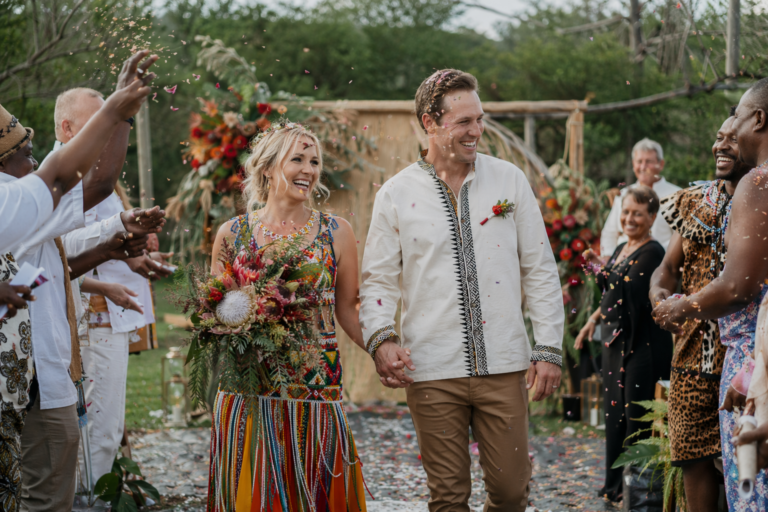
For a wedding ceremony, people often wear traditional attire with beadwork and vibrant colors that mean a lot to their families.
-
A south african wedding today can mix african wedding traditions and western styles—for example, blending customary rituals with legal marriage steps.
Introduction
A South African wedding is about more than just the wedding ceremony. In many african weddings, the day shows the couple’s cultural heritage and strong family ties. It also connects two families in a special way. Some wedding traditions seen at a south african wedding are lobola talks, blessings from elders, welcome rituals, wearing symbolic clothes, and music that lifts the mood.
These customs stay important in african cultures in south africa. They help people remember where they come from. They also give the couple support as they start their life together.
Celebrated Wedding Traditions in South Africa for Australian Couples
If you and your partner in Australia want to learn about African wedding traditions, it’s good to know there isn’t just one way to do things. In South Africa, each ethnic group has its own wedding customs. Family, elders, and the community all have a big part in the day.
A traditional ceremony usually starts with family introductions and talking things over. After that, you may see blessings, people swap gifts, welcome rituals, changing of clothes, music, lots of food, and celebrating together with everyone. Every part of the wedding means something special, so these customs help you get a better idea about what happens at an African wedding in South Africa.
1. Lobola (Bride Price): Meaning and Negotiation
In many south african cultures, lobola, or bride price, is a way for the groom to show thanks to the bride’s family. This part of the wedding is not just about money. The groom and the bride’s family often talk over the payment. They may choose household items or livestock instead of cash. The lobola negotiation is a key part of the wedding ceremony. It helps make the families closer and shows the value people place on the bride in these african cultures. In the end, this old custom shows respect and care. It marks the start of a new life together for the newly married couple.
2. Umabo Ceremony: Zulu Gift-Giving Ritual
In Zulu culture, Umabo is a special part of the traditional wedding in South Africa. It is a gift giving tradition that shows the bride is now part of her husband’s new family. This part of the wedding ceremony feels warm and public. It is very meaningful.
The exchange is more than just giving things. It stands for respect, gratitude, and belonging. Through the gifts, family members show the marriage is supported by the couple and the community. That sense of togetherness is what makes Zulu culture unique in South Africa.
The main things about Umabo are:
-
Gifts are given to family members to show honour and goodwill.
-
There is a formal welcome for the bride into her new family.
-
People wear traditional clothes and celebrate to strengthen identity and family ties.
3. Ukuthwala: Xhosa Custom of Marriage Initiation
People often talk about Ukuthwala when they talk about Xhosa weddings. This custom is sometimes linked to marriage and the start of a couple’s journey together. In what we know, Xhosa ways are seen as special steps people take in life. These steps mean a lot in a traditional south african wedding.
The most important thing here is about moving into a new part of life. Xhosa marriage ways show the change from one family world to another. The ceremony, the clothes, and the actions all help make this change clear. These african traditions play a big part for the newly married couple as they move forward together.
You will see these Xhosa touches:
-
Spiritual rites of passage that are part of the marriage story.
-
A strong focus on family and old ways.
-
Special acts that help the newly married couple as they go into their new life together.
4. Patlo Ceremony: Sotho Bride Negotiation
In Sotho weddings, the family has a big part to play, especially when they talk about getting married. The information doesn’t go through each part of Patlo in order, but it’s clear that bride price and family talks are at the heart of many South African wedding customs.
For Sotho families, these talks are not just about saying yes to marriage. They are there to make sure there is respect between families. They also show that marriage is about bringing two families together, not just the couple. Elders often help with the talks. They make sure everything goes well and stays fair.
Key points in Sotho wedding customs are:
-
Bride price talks. These show how much the bride’s family has put into her life.
-
Elders leading the way in these talks. Family members listen to them and follow their advice.
5. Traditional Processions and Elders’ Blessings
One thing you will see at a traditional ceremony in South Africa is that elders play a big part from start to finish. At weddings, people often move from one family area to the next. This isn’t just a normal walk—it feels like going into a new life with others watching and helping.
After the first bits, like starting off and talking about things, the elders give their blessings. Their words are full of advice, hopes for good luck, and real support. It is an important step, as it shows how much the couple’s cultural heritage matters, and makes them remember their marriage comes with help from their family and people before them.
In many families, how things happen is important. The couple gets shown to everyone, are respected, blessed, and then are brought in by all. This makes the whole day shared by many and adds meaning to it. For Australians who see weddings go by much faster, these larger, growing moments stand out. You notice at a south africa traditional ceremony, it is about the relationships built, not just keeping time.
6. Symbolic Beadwork and Colourful Attire
African wedding attire in South Africa is about meaning as much as how it looks. People do not just wear clothes for style. In many groups, people use colourful attire, wedding dresses, and other items to show who they are. It can show where they come from and their place in the family or society.
Beads are very special in south africa. They say a lot with colours. For example, white can mean love and purity. Red might be about passion or even anger. In this way, wedding attire becomes a way for people to talk without words at the celebration.
Traditional attire usually has:
-
Beads and beadwork with meaning.
-
Vibrant colors and patterned fabrics that people pick for a reason.
-
Wedding dresses or outfits that belong to one cultural group, like Shweshwe or Umbhaco.
People in south africa love to wear colorful attire, wedding attire, and traditional attire, especially during weddings because it helps them show their history and hopes for the future.
7. Unity Cups and Ancestral Spirit Invocations
Many African traditions in South Africa give a lot of value to their ancestral heritage. In a wedding ceremony, you may see special objects or words used to honour family members who came before the couple. This brings the marriage into the bigger story of the whole family.
From what people say, it is clear that blessings from ancestors and spiritual meaning are very important parts of these customs. The acts and rituals in weddings can be different, but the main idea is always there. Families want help, support, and good things for the marriage. Sometimes they use a shared cup, called a unity cup in wedding language, which shows togetherness and promise between the couple.
These wedding customs often mean:
-
The couple is asking for blessing, unity, and support for their life together.
-
People are showing their respect for family ancestors and the spiritual side of marriage.
These practices are a big part of south africa wedding ceremony and show off strong african traditions and ancestral heritage.
8. Unique Wedding Dances and Community Singing
Music and movement are a big part of African wedding traditions in South Africa. The wedding party and the rest of the people don’t just sit still and watch. They get up to sing and dance together to show joy as one.
This is important to these wedding traditions because everyone takes part in the happy time. Take Sotho weddings for example. Music and dancing are a core part there. Different groups might sing songs to welcome the bride, show respect to the families, or just to be happy for the day. These wedding dances turn the whole thing into something for all of us.
Here’s what music and dance usually do:
-
Bring the community together in a happy and open way.
-
Tell stories of who we are, marriage, and what family means.
Music and dance help make African wedding traditions stand out in South Africa, especially during Sotho weddings and when the wedding party gets moving with the crowd.
9. Umbhaco: Xhosa Wedding Attire
Among Xhosa weddings, Umbhaco is one of the clearest outfits that shows their traditional attire and real cultural meaning. People say it’s a special piece, with bold black and white shapes that stand out. It’s often worn at big marriage events.
This african wedding attire is not just about clothing for the bride or guests. It is there to show where the family comes from, highlight who they are, and to keep old family ways going. Even if some modern fashion appears, Umbhaco can still be a proud way to show those Xhosa roots.
Features that are often part of Umbhaco are:
-
A strong design with patterns that makes it easy to spot.
-
Use in Xhosa weddings to point out their cultural identity.
-
It can be worn with other items or accessories for a full ceremonial outfit.
10. Seana Marena Blanket: Sotho Marriage Tradition
In Sotho weddings, what people wear and the fabrics they use are very important. The material about these weddings talks about the Ndebele blankets and shows that clothes mean a lot in many cultures. It also says that music, dance, and people coming together matter a lot in the Sotho traditional ceremony.
When you look at Sotho weddings, outfits like the Seana Marena blanket are not just clothes. They are a strong sign that someone belongs and holds a special place in the group. This way of dressing matches other south african traditions, where what you wear shows your story, your respect for others, and your family ties.
Here are some important points about Sotho wedding attire:
-
Wedding outfits can show your roots and how special the marriage is.
-
The clothes people wear during the traditional ceremony help keep the Sotho family and wedding identity strong.
11. Afrikaans Wedding Customs: Modern and Historic
Afrikaans wedding customs in South Africa often look different from Black African group traditions. This is because they use more European-style formats. You will often see a white wedding, the bride in a white dress, and a familiar Western set-up. The celebration is still part of the bigger picture of African wedding traditions in South Africa.
Many Afrikaans families add a few local South African touches to their day. For example, a braai after the ceremony is common. This can give the wedding a mix of both old and new styles. Family plays a big part in the day but there is usually less focus on traditions like paying a bride price.
Some common parts of the day are:
-
A white wedding with a legal marriage and Western look.
-
Local South African touches, such as having a braai after the ceremony.
-
A different way to handle wedding expenses compared to bride price customs.
12. Ceremonial Gift Exchanges and Their Meanings
Ceremonial gifts keep showing up in many south african wedding customs. In these traditions, giving gifts isn’t just about handing out something nice. The gifts are traditional elements used to show respect, to say thanks, and to help both families come together for the couple’s future.
There are gifts just for family members, while some are there to help the couple with their new home. The list of gifts brings together welcome rituals and the idea that marriages don’t only join two people, but also their households. So, these gifts be a way to show the rest of us that relationships are forming.
Common types of meanings for these gifts are:
-
Items given to family members, to honour the importance they have in the marriage.
-
Household items to support the couple’s way of life in their new home.
-
Symbolic gifts that build trust between both families.
13. Multi-Cultural Fusion in Modern South African Weddings
South Africa is called the rainbow nation. You can see this in most modern weddings. There are different cultures in the country, and all live close to each other. One wedding ceremony might have African wedding traditions, Western ideas, and choices made by families based on city life, religion, or what people like.
Mixing wedding styles can feel good and is handy too. One couple might start with a normal celebration for the elders and family. Later, there’s often a smaller formal civil event. They say vows, he wears a suit, and she wears a white dress. Some think this mix may lead to confusion, but it’s not like that. Many see it as a careful way to bring different cultures together.
Most modern weddings in South Africa include:
-
Traditional rituals alongside civil or religious formalities.
-
Cultural attire for one part of the day and Western clothing for another.
-
Family customs adapted to suit contemporary schedules and preferences.
14. Family Roles and Responsibilities in Ceremony Preparation
In south african marriage celebrations, family members play a big part in how everything comes together. For many, marriage is seen as something that includes all, not just the couple, so families are more involved. They help plan, give advice, talk things through, and show support.
Usually, the bride’s family and the groom’s relatives get together early on. They meet and talk about what each wants and what has to be done. Elders often lead these talks, especially when it comes to signing agreements like lobola, and sort out any problems that come up. The shared responsibility from the families can have a say in wedding expenses, when the big day happens, and how it’s set up.
Typical family responsibilities include:
-
Leading the introductions, negotiation, blessings, and big decisions.
-
Helping the couple with planning, sharing cultural advice, and practical support.
15. Signature Wedding Foods and Feasts
Food is a big part of African weddings. It helps bring everyone together in a way you can see and feel. A wedding feast is not just about eating. It is a way for the families and people at the wedding to show welcome, share what they have, and enjoy with each other.
The details show that at a South African wedding, you can expect to eat some classic foods. The meal may have braai, chunky stews like potjiekos, pap, plus samp with beans. Even the wedding cake can show off decorations that link back to family or culture.
Common foods served at a South African wedding feast include:
-
Braai, which is a laid-back but important meal for the celebration.
-
Potjiekos, pap, and samp with beans, which are warm dishes meant for everyone to share.
-
A wedding cake with designs showing family or cultural pride.
Each of these foods is a key part of African wedding traditions, and they help make a South African wedding feel special and warm for all.
Cultural Diversity and Regional Differences in South African Weddings
South African weddings show rich cultural diversity. There are many African cultures in the country, so wedding customs can change a lot from one group to the next. Zulu, Xhosa, Sotho, Tswana, Ndebele, and Afrikaans families each have their own way to do things. Every group has its own unique symbols and a special way to run the ceremony.
Where you are in South Africa also changes things. Traditions are not always the same from one province to another or between people living in the city and those in the countryside. For Australians, it is good to know there is not just one way to do things at a south african wedding. The next parts talk about how wedding customs and traditions can be different, depending on community, background, and where the wedding takes place.
Zulu, Xhosa, Sotho, Tswana, and Ndebele Distinctive Practices
The wedding traditions of zulu people, Xhosa families, Sotho communities, and others all reflect different histories. Some focus strongly on welcoming the bride, some on attire, and others on music, dance, or family-led negotiations. That variety is one reason South Africa’s wedding culture feels so rich.
Xhosa weddings are noted for spiritual rites and Umbhaco attire. Sotho weddings give music and dancing a central place. Ndebele traditions are linked in the compiled information to bright patterned blankets and strong visual identity.
|
Cultural group |
Distinctive practices |
|---|---|
|
Zulu people |
Bride welcomed into new family, gift-giving rituals, symbolic attire |
|
Xhosa weddings |
Spiritual rites of passage, Umbhaco clothing, strong ancestral meaning |
|
Sotho weddings |
Family negotiations, music, dancing, symbolic ceremonial clothing |
|
Tswana |
Included in South Africa’s cultural diversity, with group-specific customs |
|
Ndebele traditions |
Bright blankets and bold patterns marking important life events |
White South African and Afrikaans Marriage Customs
White South African and Afrikaans wedding customs are a lot like western weddings in many ways. In south africa, a white wedding is often the main event. The wedding ceremony is formal, and there is a legal side that gets most of the focus. There is usually not much talk about things like lobola or long family talks about marriage plans.
But these weddings still show south african culture. Afrikaans wedding customs can have local food, a big party with the community, and the way family is part of the day. That gives the wedding a south african touch, even if the style seems western, like those in Europe or Australia.
These weddings often have:
-
A big focus on a legal marriage, vows, and a look that matches western weddings.
-
Some parts that feel very south african, like a braai or a party with everyone in the community.
How Traditions Differ Across Provinces and Rural vs Urban Locations
Regional differences can change the way a traditional ceremony goes. In many country areas, people often follow old customs more closely. The family gets together, there are gift swaps, outfits are changed, and the party can last more than one day.
In the city, weddings still respect the same traditions, but things are often adjusted for modern life. People have busy lives, there are rules for venues, and new ideas come into play. The whole thing might be much shorter or split up between a traditional ceremony and a legal one. The steps are still there, but the way they happen is different.
Some main differences are:
-
In the country, ceremonies can be longer and have more tradition, with everyone from the community involved.
-
In the city, things get trimmed down, but the important parts of the tradition stay strong.
Symbolism and Meaning Behind South African Wedding Customs
Many wedding customs in South Africa are full of meaning. What people wear, the blessings, the gifts, and objects used in a traditional ceremony all say something about who they are, respect for others, and belonging. These wedding traditions can mean just as much as any words said during vows.
This is why african wedding traditions stand out and feel so close to people. What you wear as wedding attire can show where you come from or your standing. Some parts of the ceremony show that family is strong and that there is spiritual help for the couple. In the next parts, you will see how wedding customs in South Africa use colour, special objects, and blessings to show these ideas.
Significance of Beadwork, Colours, and Headdresses
Beadwork is one clear sign in south african wedding customs. This part of traditional attire is more than just decoration. It helps show who people are, where they come from, and what their marriage means to others.
The use of vibrant colors in wedding dresses is also important. Colors say a lot. For example, white can stand for love and purity. Red often shows passion or a strong feeling. In african wedding dresses, every choice is there for a reason. It gives the couple and the people at the wedding a way to show their feelings and ideas without having to say anything.
Symbolic meanings often cover:
-
Beadwork as a way to show identity, status, and relationship meaning with a look.
-
Headdresses and colors as signs of heritage, pride, and the ceremony’s purpose.
The Role of Ceremony Objects: Cups, Blankets, and Jewelry
A traditional South African wedding often has special objects at the ceremony. These things are not just picked without a reason. They hold a story and link the couple to family, who they are, and local ways.
Some things you might see are unity cups, blankets like those in Ndebele groups, and jewelry, especially beads. Each one tells a bit of the couple’s story. They show how the couple fit in and how they become married.
Important ceremony objects can mean:
-
Unity cups or things shared by both to show being together and both wanting the same things.
-
Blankets and jewelry tell about where someone is from, show their family, and how they fit in with everyone else.
Keywords: south african, south african wedding, traditional south african wedding
Blessings, Ancestors, and Spiritual Elements of the Day
Spiritual parts are found in many African wedding traditions across South Africa. People see marriage as more than just two people. It is part of a family story and links to ancestors. So when people say blessings, they are not just words. They are real acts to show support and watch over the couple.
Older family members might give prayers or say what they think is wise. They ask for good luck and help the couple start their new life in the right way. Some families make sure to honour their ancestors during the wedding. This is to show respect and start off with peace.
These spiritual ways often mean:
-
Blessings for good luck, help finding the right way, and a strong future together.
-
Respect for people who came before and the strong tie that holds families together over time.
These wedding traditions are a big part of what makes African wedding traditions in South Africa so special.
Modern Adaptations and Western Influences in South African Weddings
A modern wedding in South Africa brings together both old and new ways. Many couples still care about wedding customs like getting blessings from family, switching outfits, and lobola. At the same time, they add things from western weddings, such as having the event at a formal place, wearing white dresses, and having a shorter wedding day.
With this mix, people can make the wedding day feel special to them and still keep their culture. The traditional elements stay important, but people often change them a bit so that they fit legal rules, travel, and how people live now. The next parts show how this blend looks in real life.
Blending Traditional Rituals with Contemporary Wedding Styles
Many couples today mix african wedding traditions with their own style. They might keep some family rituals, add special clothing, but still pick modern places for the wedding. They may hire a pro to take photos or go with a reception that feels more western.
This blend of traditional elements and new choices works well together. A wedding party can put on modern outfits for one part of the day, then wear their cultural outfit for another. It makes the whole day feel full and joined, not split apart.
Common examples include:
-
Keeping blessings from elders or doing family talks, while having a modern wedding reception.
-
Wearing traditional attire along with suits or gowns or other modern wedding looks.
Diaspora Changes: South African Weddings Abroad
For couples living overseas, wedding traditions often change because of things like distance, paperwork, how much money they have, and venue rules. Even with these challenges, many couples still want their wedding ceremony to show African wedding traditions and the spirit of their family.
This makes cultural fusion pretty common. A couple living in another country might shorten some parts of the ceremony. They might have elders represented by someone or a symbol. Couples choose to keep only the customs that matter most to them. Clothing, music, food, and gifts are some of the best ways for people to keep their culture strong.
Some usual changes to wedding traditions for those in the diaspora are:
-
Shortening longer customs into one smaller, easier celebration.
-
Using clothing, food, and family customs to keep their identity strong in a new place.
Legal Requirements and Marriage Laws Relevant for Australians
If you are from Australia and want to get married in South Africa, the law is as important as the party. South Africa has legal marriage options for both civil and customary marriages.
To have a legal marriage, the consent of both spouses is needed. A licensed marriage officer must lead the ceremony. You must register the marriage with the Department of Home Affairs in three months. If you do not sign a prenuptial agreement, your marriage will be seen as sharing all property.
Australians should remember:
-
Check the wedding date, how to register, and if the marriage officer is legal.
-
Know how customary marriages and property laws can impact legal recognition.
Conclusion
To sum up, knowing about different wedding traditions in South Africa gives Australian couples a fresh look at love and what it means to stay committed. Things like the importance of Lobola and the colourful Umabo ceremonies do more than just add to your wedding day—they let you honour your cultural heritage too. If you bring these wedding traditions into your plans, you can mix cultures in a way that makes your day truly special. When you start planning, think about how you can bring some of these traditions in. If you want help fitting them into your own wedding, feel free to get in touch for a free chat. Your path to a wedding full of cultural heritage and meaning can start now!
Frequently Asked Questions
Is lobola still practised in modern South African weddings?
Yes, lobola is still common in many modern weddings. In south african wedding traditions, the lobola negotiation is still very important. It helps bring the families of the groom and bride together. People often call it bride price, but in a traditional south african wedding, it is more about respect and saying thanks. It also helps families connect with each other in african wedding traditions.
What are the main differences between Zulu and Xhosa wedding traditions?
Zulu culture puts a lot of value on giving gifts. It shows how they welcome the bride to her new family, and they also have special clothes to wear. In Xhosa weddings, there is a big focus on spiritual rites and wearing Umbhaco clothes. There is also a strong link to their past and ancestors. Each wedding ceremony and traditional ceremony shows the different wedding traditions and the stories that came before. But both of these are important african wedding traditions.
How can Australian couples incorporate South African customs into their wedding?
Australian couples can have some South African wedding traditions in their wedding ceremony in a few easy ways. They can ask family members to join in and give blessings. They may use African wedding traditions in what they wear or the music they play. People can also bring in some special South African foods such as braai or potjiekos to the party. With these ideas, the wedding can feel truly South African, warm, and focus on family.