Key Highlights
-
A russian wedding will often start with fun little customs before the big day, like the bride’s ransom.
-
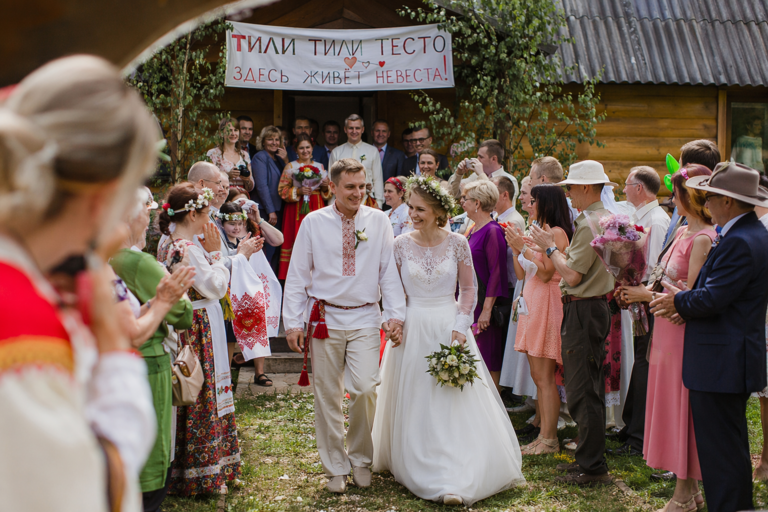
In russian culture, family members are right there taking part—blessing the couple, sharing bread and salt, and joining in at the reception.
-
The wedding ceremony can be done with a civil part, an Orthodox service, or sometimes both on the wedding day.
-
The newlyweds get all the attention with busy rituals like Gorko! toasts, kisses, games, and they even smash crystal on purpose.
-
There is lots of food, vodka, champagne, and shared traditions to turn the reception into one long wedding celebration.
-
Plenty of couples mix old and new ways, but they keep that real russian wedding feeling alive.
Introduction
If you’re Australian and want to know about a russian wedding, you’ll see that it has a lot of meaning, laughs, and family involved. A wedding ceremony in russia goes from simple paperwork, to a church event, and then to a big party full of games and toasts. These ways of doing things tell you a lot about russian culture. It feels proper, but also fun. If you know the main rituals, you will see why russian weddings stand out and why many people still follow these traditions.
Essential Russian Wedding Traditions Australians Should Know
Some of the most important customs in a russian wedding take place before, during, and after the wedding ceremony. In russia, the traditions can include a ransom for the bride, a blessing in church, crowning, family-led welcomes, and some playful reception games.
What makes the wedding day stand out is the way russian culture mixes meaning with having fun. The wedding celebration will often include parents, witnesses, the bridal party, toasts, kisses, and some acts that show the couple are starting a new life together. Here are the customs about a russian wedding that people in australia should know first.
1. Paying the Bride’s Ransom
One thing many people know about is the ransom. Before the wedding ceremony starts, the family members, bridesmaids or parents of the Russian bride will hide her. The groom has to get her back by doing some funny or cheeky tasks.
These challenges are set up to show the groom’s love and make people laugh. Sometimes, he needs to pick out the bride after seeing a bunch of lipstick marks. He might run into a fake bride, or have to do other silly jobs. If he can’t do one of them, he will have to give a payment, like cash, flowers, a box of chocolates, or maybe even a bottle of champagne.
When Australians see all this, they may think it’s pretty dramatic at first. But it’s really all for fun. The best man will normally be there to give a hand. This ransom part brings some energy and gets everyone in a good mood before it is time to start the wedding ceremony.
2. Traditional Engagement Customs
Engagement and wedding day customs can be a bit different in a Russian wedding. The engagement in Russia is usually about everyone agreeing, getting ready, and what the families want. The wedding day is more about the big event, celebrating together, and special meanings.
Older russian customs sometimes had the dowry as a part of getting engaged, where now, couples focus more on staying true to one another and making plans. You might see wedding rings being used during an engagement, but in Orthodox russian tradition, the rings are not as important as the crowning in church later on.
This difference means a lot. Engagement is about looking ahead and showing you want to be together. The wedding day is the real moment when everything has legal, church, and public meaning. On this day, people see the most wedding customs, and the couple shares these moments with family and friends.
3. Betrothal and Blessing Rituals
In a traditional Orthodox service, the betrothal is the first part of the ceremony. The couple stands at the church entrance. The priest gives a blessing. This starts things off in a serious and sacred way.
At this time, they get lit candles. The couple holds these candles through the rest of the service. There are prayers and scripture readings after that. This shows the union is about more than just a social event. In Russia, this part of the ceremony is a good example of how religion guides marriage traditions.
Family members also play a big role here. They give blessings and make special gestures over the heads of the couple. This shows support for what is to come. For many, this is one of the most important parts of the day.
4. The Crowning Ceremony
The crowning is usually the big moment in a russian wedding, especially in the Orthodox tradition. Here, things are not just about rings. This part of the wedding ceremony is all about the crown on the bride and groom’s heads.
The bride and groom stand on a rose cloth near the altar. The priest runs the service. Sometimes, family or friends hold the crowns above their heads before they are put on. The couple also drinks wine from one cup. After that, they go three times around the lectern with the priest.
This crowning shows the bride and groom as king and queen of their home. It also means they have to take on new roles and sometimes give up things for each other. For Australians who may be used to faster wedding ceremonies, this crowning is full of strong meaning and is very impressive to see.
5. Smashing Crystal Glasses
After the couple is announced as married, there may be a custom called smashing crystal glasses. The parents give a glass to each of the newlyweds. The newlyweds throw the glasses down with force. It is noisy, simple, and everyone remembers it.
The meaning is found in the shards. Each broken piece shows a year of happy marriage. It links the moment to prosperity and good times for the couple in their future. An everyday glass becomes a strong sign of hope for what is coming.
This is a detail that makes a russian wedding special. On the wedding day, people in a russian wedding do not only talk about the symbolism. They act it out in front of everyone. Both the guests and the couple get to see and hear the tradition happen.
6. Role of Parents and Family
Parents and other family members at a Russian wedding do more than just watch. They help shape the big moments, starting in the morning and staying active right through the reception. This brings a strong sense of support from the whole family.
Before the ceremony starts, the parents might join in by hiding the bride for a ransom game. Later on, they bless the couple. They also meet the pair at the reception with bread and salt. This gesture is filled with good wishes for the couple’s future. It also shows their move into married life.
There is a fun custom at some Russian weddings that shows who might be the head of the household. The couple each takes a bite from a loaf that is covered in a lot of salt. The one who takes the bigger bite is said to lead at home. People see it as just a bit of fun. But because the parents and other family members are there, it feels more important.
[russian wedding, head of the household, bigger bite, family members, russian, ransom]
7. Bride-Napping and Rescue
Sometimes one ransom is not enough at a russian wedding. Some wedding celebrations bring the joke back with another round of bride-napping. Guests might “kidnap” the russian bride and hide her during the wedding celebration, either at the reception or close by.
The groom will need to save her, often by paying another ransom or having to do a funny task. The bridal party often joins in on the fun, and the best man can be a part of it as well. Like the first joke, this part is there to make people laugh, not to create real worry.
It really shows how the russian wedding builds games into the event. The wedding celebration is not just about food and dancing for people. There is also time for laughter, fun, and a bit of happy mayhem for all at the reception.
8. Gorko! Toasts and Kisses
At a russian wedding, when people are at the reception, they often shout, “Gorko!” That word means “bitter.” People do this after a toast. It lets the newlyweds know they should kiss, so the drink can become sweet instead. This is one of the best-known russian wedding things.
For the first toast, you might hear someone say, “For the newlyweds.” Everyone takes a sip. Then, the whole room shouts, “Gorko!” The bridal couple kisses, and people in the room count out the seconds together. If the guests think the kiss did not last long enough, they can ask the couple to kiss again.
The mix of toasts, lots of laughing, and everyone joining in really brings up the joy at the reception. Instead of just toasting quietly, everyone gets involved. For people in Australia, all this might feel fun, bold, and it brings everyone together.
9. Cleaning the Floor Game
Another russian wedding custom makes cleaning up a fun game. On the wedding day, guests toss money onto the floor, and the bride has to pick it up. Sometimes, as she cleans, the guests drop more money to make things messier.
This is one of the russian wedding games made to get everyone at the wedding party involved. It brings movement and lots of laughs. The money the bride collects can also help the newlyweds when they start their new life together.
For those looking at it from Australia, it may seem strange. But that’s the idea. At a russian wedding day, even small things have both humour and a reason behind them. These games help keep people in the room playing and having fun long after the formal ceremony is done.
Unique Elements of Russian Wedding Ceremonies
A russian wedding is special because it mixes official steps, church ceremony, and deep meaning all in one big tradition. The civil ceremony makes the marriage legal and real, while church parts add more feeling for the new couple.
You can also see the meaning in how everything looks. Wedding rings are important, but there are also crowns, candles, bread, veils, and cups that both people share. All these bits help make russian weddings stand out. The next parts will talk about how these things are used.
Religious vs Civil Wedding Ceremonies
In Russia, a marriage becomes legally recognised through registration at the official office, often called ZAGS. Some couples keep this civil ceremony very small. Others pair it with a more formal event or a full Orthodox service.
The biggest difference is purpose. The civil ceremony handles the legal requirement, while the religious wedding ceremony focuses on sacred ritual, prayer, and symbolism. Couples may even complete the paperwork before the wedding day so they have more time for celebration later.
|
Type |
Main features |
|---|---|
|
Civil ceremony |
Official registration, signing papers, short format, legal requirement for marriage recognition in Russia |
|
Civil ceremony with formal touches |
Registration plus a brief ceremonial event, often around 15 to 30 minutes |
|
Orthodox wedding ceremony |
Betrothal, blessing, lit candles, scripture readings, crowning, common cup, processional movement around the lectern |
Both paths appear in modern weddings, and many couples choose the combination that suits their family, faith, and timing.
Symbolic Gestures and Items
In a russian wedding, you can see symbolic objects used in clear and open ways. These objects are not just there for decoration. They are part of the story about the couple, their family, protection, and what life they will have together.
Here are some of the best-known examples:
-
The crown shows the couple are like rulers in their home. It stands for the main moment of the wedding.
-
Wedding rings are used in the ceremony but the crowning is often more important in the russian Orthodox way.
-
The bridal veil is tied to modesty and to protection. It helps keep the bride safe from harm.
-
Bread and salt are given to the couple as they start their life together. They also hint at who could be the head of the household.
-
Crystal glasses are special. When these ones break and you see all the shards, people hope it means happiness and prosperity for the couple.
All of these things together make a russian wedding full of meaning and feeling. People do not just watch what happens. They look for what each thing the bride and groom wear and use, from the crown to the veil, silly little rituals, and even the shards of glass, say about their new life.
Blending Modern and Traditional Practices
Yes, you will often see a russian wedding that blends old tradition and new styles. Some couples pick just the official registration, but others add an Orthodox service, visit city landmarks for photos, or host a long party with classic games.
This mix is a part of real life for many. A bridal couple might want a simple legal event, but also keep customs like Gorko! toasts, sharing bread and salt, or even the ransom game. These little things connect them to their family’s past. In big places like Moscow, it is normal to see modern looks sitting right beside old russian ways.
It’s not strange at all. It is one good way people use to step into their new life and still hold on to tradition. This makes each russian wedding look a bit different, but it always keeps its heart.
Russian Wedding Reception and Food Traditions
The wedding reception is where you can really see a lot of russian culture. The food is everywhere, and there are plenty of toasts. People in the wedding party are there to join in the fun, not just sit quietly. It is truly a big social event.
At a russian wedding, the tables are packed with all sorts of savoury food, drinks, and sweets. You will find bread, caviar, vodka, and champagne at the celebration. If you want to really understand the reception, you should take a closer look at the menu traditions.
Signature Wedding Dishes
Food at a russian wedding is generous and offers a lot of choices. The wedding celebration does not just have a small meal. There is a big spread, so people can eat while they listen to toasts, play games, and dance on the wedding day.
Common foods and things people do with food include:
-
Caviar is seen as a special treat and is part of a big reception table.
-
Dumplings are a popular and filling choice.
-
Herring and pickled foods are served with the cold dishes.
-
You can find meat, chicken, and fish to give the guests more options.
-
There is often a heavily salted piece of bread or loaf. The new couple both take a bite from it. The one who gets the bigger bite is said to be the leader at home.
This mix of food shows that on this day, food has both a real use and a meaning. Some dishes are there just to feed everyone, but others are there to show respect, share luck, or say something about what the new couple’s life may be like after the wedding celebration.
Traditional Drinks and Desserts
Drinks play a key role in how the reception moves along. There are lots of toasts, and the wedding party often has a bottle on each table so that people can fill their own glasses. This keeps the mood fun and lively for a long time.
Typical drinks and sweets at a wedding party are:
-
Vodka, which is the main drink at the reception and is often on every table.
-
Champagne, used for toasts and sometimes during the ransom of the bride tradition.
-
There can also be cognac or scotch, as well as wine and juice to mix.
-
Desserts and big sweet tables, especially if it’s a large celebration.
-
A bottle of champagne or some chocolates are sometimes given for fun during the ransom customs before the wedding.
All these choices fit in with how the day goes. People keep eating, drinking, making toasts, and then do it all over again. This means the wedding is full of good food, drink, loud chat, and lots of warmth. Desserts are not just at the end—they’re part of the whole party and make the experience even bigger.
Conclusion
In short, knowing about russian wedding traditions can make any celebration stand out. It helps people see the beauty of different cultures. When you add things like bride-napping or the fun Gorko! toasts, the day becomes full of good memories. These russian customs bring joy and help everyone feel close.
Australians who want to include russian wedding traditions in their big day get the best of both old and new ways. This mix making the event better for all the people. By using these unique customs, you honour the couple’s roots, and also bring their friends and family together to celebrate.
If you want to find out more or could use help with russian wedding toasts or traditions, feel free to reach out!
Frequently Asked Questions
How do Russian wedding rituals differ across regions?
Russian weddings are different across Russia. A russian wedding can change based on the place, the religion, and local habits. Some spots in Russia care a lot about the Orthodox parts. Others might care more about the civil events, simple games, or getting together with people from their area. The wedding party and wedding day plans can also swap around, mainly if the celebration goes for two days.
What makes Russian weddings unique compared to Australian weddings?
A russian wedding can be full of ritual and tradition, more than what you’d see at a normal Australian wedding. The wedding ceremony usually has things like crowning, blessings, and shows strong family ties. When the party starts, you get ransom games, Gorko! kisses, and bread rituals. For a new couple, these traditions are often shown in front of everyone.
Are there any special games or activities during Russian wedding celebrations?
Yes. A russian wedding celebration may have things like the bride ransom, bride-napping, and games where people collect money from the floor. There are also fun contests that friends or a Tamada lead. These activities get the wedding party to be part of the fun, so it is not just eating and dancing. It helps the russian wedding celebration be lively and enjoyable for everyone.