Key Highlights
-
Portuguese weddings usually bring together church or civil events with lots of family around and parties that stay strong into the early hours.
-
Many wedding traditions in Portugal use symbolic gestures, serve good food, play music, and focus on time with those you love.
-
In Portuguese culture, godparents, close family, and the official witnesses are seen as very important right through the day.
-
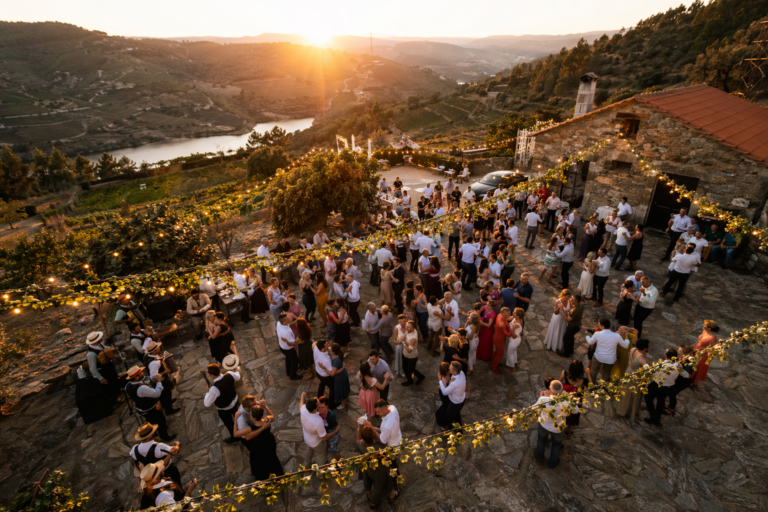
A destination wedding in Portugal will often get going later and keep the reception rolling right into the early hours.
-
You find good food, folk dances, and all sorts of local ways of doing things in Portuguese weddings. These things make weddings feel warm, full of life, and hard to forget.
Introduction
If you are an Australian couple looking to have your wedding in Portugal, it’s good to know a bit about how things go there before you set your plans. Portuguese wedding traditions are about faith, family, food, and having big parties that often last until after midnight. With this mix, every wedding celebration has that laid-back but special vibe.
No matter if you choose Lisbon, Porto, or the Algarve, you’ll see there is so much charm and warmth in Portuguese culture. The customs you find at Portuguese wedding traditions will make your day feel more personal and hard to forget.
Wedding Traditions in Portugal: A Comprehensive Guide for Australians
For Australians, the most common Portuguese wedding traditions often focus on bringing everyone together. Family plays a big part. There can be either a Catholic ceremony or a civil ceremony. You will also see symbolic rituals, shared meals, and big parties that go later into the night than you might think. These wedding customs are more about having time together and enjoying the day, rather than being on a tight or rushed plan.
If you want a destination wedding, Portugal is a good choice for both new ideas and old wedding traditions. You can pick a civil ceremony. You can also go for a Catholic ceremony if you fit the rules. Some people get a legal ceremony somewhere else and have a blessing in Portugal. The next sections will show you the different wedding customs that shape the day and tell you what to expect.
1. Engagement and Proposal Customs in Portugal
In Portugal, many couples start their journey to marriage in a simple and family-focused way. Instead of a big, showy moment, the traditional Portuguese way puts their promise to each other first. It’s also about bringing both families together before the wedding. This makes the start of the marriage feel solid and steady.
After both people decide to marry, picking the wedding date is a key step. This choice is even more important if you want a wedding in another place because the weather in Portugal can make a big difference to your day. The warmer months from March to October are often a good choice for this. Some couples also choose later times in the day, so guests are more comfortable.
Before the big day, there are some old customs. The time before the ceremony lets people get ready and think about what’s coming. Lots of couples spend time with their close family, get a last blessing, or have a quiet morning on their own. For many, these calm moments before the wedding are as special as the ceremony itself.
2. The Role of Padrinhos and Madrinhas (Godparents)
One big part of Portuguese wedding culture is the padrinhos and madrinhas, also called godparents. In a traditional Portuguese wedding, they are not just there for show. The godparents are some of the most trusted people the couple has, and sometimes, they can be the official witnesses too.
You will see these people play important roles in a traditional Portuguese wedding ceremony. The godparents often help the couple plan for the big day. They also stand with the couple at important times, showing how strong family and friendship can be. Their role is bigger than the usual best man or maid of honour people in Australia would know for a wedding party.
Because traditional Portuguese weddings are all about the people and the relationships, couples choose their godparents very carefully. Most of the time, they are close family or good friends who really know them well. This makes a wedding ceremony full of meaning right from the start. Their role does not just feel for show — they help make the day special for everyone.
3. Pre-Wedding Family Gatherings
Before the wedding day, portuguese families like to come together in smaller and meaningful ways. These moments let everyone enjoy a calm build-up, and they give the couple time to be with the people who are closest. For australians who are used to a fast pace, this slower start can be quite nice.
The immediate family and close family members might share breakfast or lunch. They could also have some quiet time while they get ready in the morning. These get-togethers are not just handy. They show the change as two people get set to start a new life, and the focus stays on being there for each other, not just putting on a show.
Common gatherings before portuguese weddings can be:
-
a simple meal with parents, siblings, and close family members
-
time to share honest words before the bride or groom gets dressed
-
small moments to be with family members before other guests get there
These traditions answer a lot of questions. Yes, portuguese weddings do have small things that the bride and groom do with their family before it all starts. Most of the time, it all begins with the family.
4. Portuguese Bridal Shower Traditions
Portuguese brides often like to celebrate with their close friends before the wedding, but these meetups are usually small and close, not flashy or over the top. If there is a bridal shower, it matches the feel of most portuguese weddings: warm, friendly, and about being together. It’s not really about showing off, but more about sharing joy.
If it’s a destination wedding, these times with friends can fit the new place. It could be a small lunch, just hanging out, or even a private moment with friends. In Portugal, people are pretty relaxed, and you see this simple style, especially at the coast or in a vineyard.
This sort of event before the wedding day gives the bride a bit of time to stop and breathe before things get too formal. It’s also a chance for close friends to support her in a personal way. So although the style might change, the reason stays the same: keeping close, sharing support, and leading gently into the wedding day.
5. Choosing the Wedding Dress and Attire
Choosing a wedding dress in Portugal is about more than just looks. It has to fit the feel and weather of the wedding day too. Many Portuguese celebrations start later and go on into the early hours, so comfort is just as important as style. This really matters in the warmer parts of the country and during summer.
Portuguese brides who know their wedding day will be long think about how much they will move, what the heat will be like, and all the little details that come up. There is one part of the day that can stand out to people who have not seen it before: the bride’s shoe might go around the room, with guests putting in money. Because of this, it is smart to pick secure shoes.
When you choose what to wear, think about:
-
a wedding dress that keeps you comfortable on a warm wedding day, in the afternoon or at night
-
shoes that will stay on your feet if there is a shoe dance or money collection
-
clothes that will feel good as your wedding day goes from start to the early hours
When portuguese brides focus on these things, it helps them enjoy all parts of the wedding day, from the start through the early hours. By planning for tradition and comfort, you help make great memories for everyone.
6. Blessing Rituals for the Bride
In some parts of Portugal, mainly in rural regions, the bride often gets quiet blessings before the wedding starts. It is not a big show. These moments are quite personal. They show family ties, faith, and remind us that marriage is about deep feelings, not just paperwork.
If the wedding is a catholic ceremony, these blessings can feel even more special. No matter how things look, it is about backing the bride, showing respect, and sharing good wishes for her future. These symbolic gestures often happen in private, not with all the guests around.
Australians might find this a nice touch to add to their own day. It does not change the main plan. A parent saying something small, a calm second before getting dressed, or a family moment can keep things real and personal while still sticking with the heart of tradition.
7. Symbolic Rituals During the Ceremony
Portuguese wedding ceremonies use symbolic gestures to make the day special. In church weddings, these acts often happen as part of a formal service. In other types of ceremonies, people can change these moments to suit their style. Still, they keep their strong feelings and meaning.
The ceremony means more than just legal vows for many couples. It is also a way for families to show their support. People share the same values. The couple starts a new life together. Because of this, even small things done on the day have real meaning in Portuguese wedding ceremonies.
Some traditional elements people might see are:
-
the presence of official witnesses or godparents who stand by the couple
-
blessing moments that link to faith, family, or tradition
-
small gestures used to show unity and bring good luck during the wedding
If you want to know what is in a traditional Portuguese wedding ceremony, these symbolic gestures and rituals are a big part of it.
8. Traditional Portuguese Wedding Ceremony Elements
Traditional Portuguese wedding traditions usually focus on a Catholic ceremony or a civil ceremony. In Portugal, a Catholic ceremony is legal if the couple meets the rules. A civil ceremony, on the other hand, is run by the local registrar. It can be at the registry office or a spot the couple picks.
If couples want something more personal, they can choose a wedding blessing or a humanist ceremony. This is not legally binding by itself. This choice can help Australians who want the style of a wedding ceremony in Portugal without having to complete all the legal steps there.
A traditional Portuguese wedding ceremony may look like this:
-
church setting for couples who can have a Catholic ceremony
-
civil ceremony with official registration
-
blessing at a place like a restaurant, villa, beach, or olive grove
So, if someone asks what is in the ceremony, it can change. It all depends on which legal or religious way the couple wants to go.
9. Civil Wedding Ceremony Practices
A civil ceremony in Portugal is done by the local registrar. You can have the wedding at the Conservatória do Registo Civil or pick your own special place. This is a good choice for Australians who want a destination wedding in a spot they choose.
You do not have to live in Portugal to have a civil ceremony. The same goes for same-sex couples. Same-sex marriage has been legal in Portugal since 2010. This rule makes it easy for people coming from other places to get married, while still feeling part of local wedding customs.
Even when the legal part is quick, the wedding party can still be warm and special. Many couples have a bigger celebration after the civil ceremony, or add a blessing too. This lets you mix a formal moment with your own way of doing things.
10. Unique Portuguese Superstitions and Beliefs
Portuguese culture has many small wedding beliefs that bring good luck and share meaning, instead of fear. These customs fit into the wedding in simple ways. If you are a guest, you may find them fun and sweet. But for families, these ways mean something more, as they come from old traditions and raise feelings about family staying together.
One of the best-known superstitions happens when people put money in the bride’s shoe. This act sends wishes of support and good things to the couple’s new life. It makes the bride’s shoe become a clear part of the wedding.
Here are some examples of what people may do at portuguese weddings:
-
collecting money to offer good luck to the couple
-
doing simple acts that show wishes for a happy and wealthy life
-
keeping old family ways to show care and wish for good days ahead
So, there are some special superstitions that you may find at portuguese weddings. Still, these ways feel more happy and fun instead of worrying.
11. The Portuguese Wedding Coin Tradition
One of the most talked-about symbolic rituals in Portuguese weddings involves money being collected for the newlyweds. In practice, this is often done through the bride’s shoe rather than a formal coin exchange, but the meaning is similar. Guests contribute money as a gesture of care, celebration, and good luck.
For Australians, this can seem unusual at first. Yet its purpose is easy to understand. The act symbolises practical support for the couple and goodwill for married life ahead. It also creates a fun, interactive moment during the wedding celebration.
|
Element |
Meaning |
|---|---|
|
Bride’s shoe passed around |
A visible way for guests to give money to the couple |
|
Wedding coin or cash gift |
Support for the couple’s new life together |
|
Good luck symbolism |
Wishes for prosperity, stability, and happiness |
|
Group participation |
Shows that family and friends are part of the marriage journey |
That is the meaning behind the Portuguese wedding coin tradition: generosity, luck, and community support.
12. Signature Portuguese Wedding Foods
Food really is at the heart of a Portuguese wedding. Couples like to pick menus packed with local flavours. There’s always a strong focus on people feeling full and happy. For many guests, the meal isn’t just one small part of the day. It stands out as a highlight, mostly because Portuguese wedding parties often have long dinners with a few courses.
If you want to know what traditional Portuguese foods often show up at wedding celebrations, there are a few must-haves in every region. Sweets, soups, and unique drinks can give your menu and dessert table a special flare that people remember for a long time.
Common wedding foods and drinks may include:
-
caldo verde as a comforting Portuguese favourite
-
pastel de nata on the dessert table for a classic sweet touch
-
port wine as part of the drinks selection or late-night hospitality
These tastes make the whole day feel truly Portuguese. But they also work well for guests from anywhere.
13. Traditional Portuguese Wedding Cakes
The wedding cake is a big part of a Portuguese celebration, and you will find it gets served a bit later in the night when the party is lively. Cutting the cake is not an early thing. It’s done when everyone is having a good time, which fits the longer and more laid-back style in Portugal.
People may call the wedding cake “bolo de noiva.” In a lot of Portuguese weddings, the cake will sit with other sweets on the dessert table, instead of being the only thing to eat at dessert. This way, there is more on offer for the guests, and all get to try some as the night goes on.
If you are an Australian couple, it’s good to think about cake timing. If the reception keeps going into the early hours, the wedding cake can be a nice treat to pick people up, not just something formal. The best way is to make the cake a fun part of the wedding, not just the last event.
14. Music and Dance: Fado, Vira, and Corridinho
Music is a big part of Portuguese weddings, especially after dinner when the real party starts. If you wonder if there are any traditional Portuguese wedding dances, yes, there are. Folk dances like Vira and Corridinho belong to the heart of Portugal and help bring a local feel to the dance floor.
Fado is a bit different. It has a softer feel and is more about thinking than dancing, but it is still a key part of Portuguese music history. Some couples like to use it to set a mood before the party gets busy and wild. Others prefer live bands and songs that keep the crowd moving late into the night.
Popular music at Portuguese weddings can be:
-
folk dances like Vira
-
Corridinho for a lively, local vibe
-
live bands that keep everyone on the dance floor all night
This mix of music helps a traditional Portuguese wedding feel local and full of energy.
15. Wedding Day Parade and Noisy Celebrations
Portuguese couples often spend their wedding day in a way that is open, social, and full of life. People say these events keep going for many hours and can last into the early hours. Instead of things getting quiet after dinner, the celebration usually picks up and gets stronger as the night goes on.
Noisy fun is a big part of a Portuguese wedding day. There is always music. People get more and more involved, and the mood gets even happier after the formal bits are over. For Australian wedding guests, this can feel less split up than weddings at home. Here, the whole thing flows together, and the party goes on all night.
At these weddings, wedding guests are never just there to watch. They add to the spirit for the whole event. You will see people dancing, giving gifts, talking during speeches, or just sharing meals together. Everyone brings their own life to it. That energy is a huge part of Portuguese wedding culture.
16. Money Dance and Shoe Dance Customs
A well-known part of some Portuguese wedding celebrations is when people pass around the bride’s shoe for guests to put money in. People might call this the money dance or shoe dance, but the main thing is it’s about collecting money, not really a dance.
This is done to be fun and to help the couple out. Everyone enjoys having a go, and the bride and groom get a helpful gift from the people they know. It also reminds couples when they plan something like this that the right shoes do matter. If the bride’s shoe is going to be used, it should stay on her foot well and it should be easy to hold.
Here’s what you need to know:
-
The bride’s shoe can get passed around to people at the wedding celebration
-
The group puts in money as a lucky gift to help the married pair
-
The shoe should be a good and safe choice because people will keep handling it
The shoe dance makes the wedding feel more fun and brings a special message to the day. It’s a tradition many people look forward to, and it’s clear why it stays around.
17. Toasts and Speeches by Family and Friends
Toasts and speeches are a big part of the long dinner at Portuguese weddings. These moments are not rushed. They are shared during the meal, and dinner often takes about two and a half hours. This is because there are a few courses and people give speeches through the night. The whole thing moves at a slow and social pace.
Couples need to talk to the caterer when they plan these speeches. If you are not clear about when to speak, the flow of food can get mixed up. It is best to see toasts as part of the night, not just something you add at the last moment.
Close family and the wedding party make these moments special. What they say brings everyone together and helps people see what makes Portuguese weddings feel so close and friendly. You often have more than one short time for someone to speak. The night can hold many gentle words of thanks, which is great for a wedding full of close family.
18. Exchange of Wedding Gifts
Wedding gifts in Portugal be a bit more hands-on than what a lot of Australians are used to. Instead of a list, it’s common to give money during the wedding. One fun custom is popping cash into the bride’s shoe. It lets everyone join in, and you can see the support right there.
These wedding gifts are not just helpful for the couple. They are also ways to show your wishes for good things ahead. When guests give money or make a contribution, it stands for blessing, luck, and helping the couple have a good life together. So, even if the gift is simple, it means a lot.
You might see wedding gifts include:
-
cash gifts given as part of the day
-
acts that show luck and support for the new couple
-
guests getting involved, not just dropping off a present and leaving it at that
This way of giving shows how portuguese couples like to celebrate their wedding day—with everyone taking part in moments filled with both fun and meaning through these symbolic gestures.
19. After-Party and Late-Night Festivities
One thing that stands out to Australians at portuguese weddings is how late they end. The party at the reception venue often kicks off around 8 pm and goes right into the early hours. Many places do not have strict finish times, so if food and plans work out, it can go on until sunrise.
This setup changes the whole feeling of the day. Instead of fitting everything into the afternoon and early evening, couples let the big day stretch out. There is more time for dinner, speeches, cake, and dancing, so the party builds up in a smooth way rather than feeling rushed.
When you are at the reception venue late at night, the party can feel really good, out under the stars. For guests, it also means you should plan things out a bit. Stuff like late-night food, sorting out how to get home, and comfy shoes are a must. portuguese couples know how to keep the night going, with lots of energy, good times, and the aim to make every minute last.
20. Modern Adaptations and Blended Customs
Portugal brings together old ways and new ideas in a good way. The people here may still go for a traditional wedding, but a lot of wedding planners like to try new things. So, you get to respect local customs while making the day your own. You can shape it to fit your background, what you like, and who is on your guest list.
If you are an Australian planning your wedding in Portugal, this gives you a chance to mix things up. You can fill out the legal papers at home, and then have a wedding blessing in Portugal. You might like to keep the late-night style of the party but add your own touch to the ceremony. These new ways make the day feel real, while not being set in just one way.
Blended choices often include:
-
combining an Australian legal marriage with a Portugal-based blessing
-
mixing local timing and food traditions with personal ceremony details
-
preserving cultural identity while adapting customs for international guests
This is also one way Portuguese wedding receptions stand out from those in other places. They hold on to what is old, but they always leave space for your own style.
Unique Roles of Family and Friends in Portuguese Weddings
Family and friends are not just in the background at Portuguese weddings. They are right at the heart of the day. It is the close family who turn up early. They help with getting ready and bring warmth to the start. Good friends also play a big part. They make the day lively and support the couple in every way they can.
This says a lot about Portuguese life. In Portugal, the way people value each other stands out. Portuguese families treat weddings as big events that everyone shares in. It is not just for the couple, but for all who care about them. The feeling of being close runs through everything, even the wedding ceremony. That is why it’s worth seeing what makes the people around the couple so important at portuguese weddings.
Involvement of Extended Family Members
Extended family members often play a clear part in traditional Portuguese wedding culture. The wedding is about much more than just the couple. It is also for their big group of family and friends. Because of this, a Portuguese wedding ceremony can feel warm, full of layers, and packed with social moments.
On the big day, family members might join pre-wedding meals and private moments to get ready. They are usually there at the large party as well. Having all the family involved sets the mood and keeps everything tied to old shared memories. For Australians, this can feel a lot more about “us” than the classic couple-focused wedding you might see at home.
If you ask what goes on in a traditional Portuguese wedding ceremony, the answer gives you more than just the official vows. Family members—in one way or another—always add something. Even when they do not stand in the spotlight, family still help shape the day with their help, with being there, and with those deep family ties.
Responsibilities of the Godparents
Godparents play a key support role in a traditional Portuguese wedding ceremony. In Australia, most people think of a best man or maid of honour, but in Portugal, these people often do much more. They are chosen from close family or trusted friends. The role is not only official but also about being there for the couple in a personal way.
The job of godparents can start before the ceremony and does not end when the day is over. They get involved in different parts of the day. They are there as a sign of support, not just for show.
Their responsibilities may include:
-
standing beside the couple during important ceremony moments
-
acting as official witnesses where required
-
offering guidance and support beyond the role of a best man
So, if you want to know what you get in most traditional Portuguese weddings, godparents are always one thing that stands out.
Participation of Friends in Rituals
Close friends do much more than just show up at Portuguese weddings. They set the mood and help make the day special, especially when it comes to getting ready, giving speeches, and hitting the dance floor. For Portuguese couples, friendship is a big part of family and the wedding. It goes right into the wedding ceremony itself.
At destination portuguese weddings, close friends can help in real ways. They might be with the wedding party during prep, support with a first look, help everyone relax, and keep the party going late at night. They make both the big and small moments feel more warm and full of life.
Close friends might do things like:
-
be with the wedding party in the morning while getting ready
-
give a toast or help move things from one part of the day to another
-
join in dance floor traditions and help with traditional gift-giving
When you look at what a traditional portuguese wedding ceremony includes, it’s easy to see. It’s not just about set customs, but also about help and excitement from the people who are closest to the couple.
Wedding Timeline and Planning Tips for Australians
If you know about Australian weddings, you will see that Portuguese weddings start much later. They also move at a slower pace and can last a lot longer. This will change the way you think about things like what to wear, photos, food, travel, and how happy your guests will be.
When you plan a portuguese wedding, it helps to work backwards from when the wedding ceremony starts. The time of year, weather, when the sun sets, and how long people stay out that night all matter for portuguese weddings. The next parts show what the day is usually like and what people from Australia need to know before they pick a time for their big day.
Typical Structure of a Portuguese Wedding Day
A typical wedding day in Portugal usually starts with relaxed morning preparations and builds steadily toward a late ceremony and long evening celebration. Portuguese wedding culture is shaped by climate, light, and the local comfort with very late receptions. That is why couples are often advised not to start too early.
Ceremonies ideally begin around 4 pm, though in hotter months many couples move them to 5 pm. After that comes a cocktail hour, dinner with speeches, and then the main party. Whether the couple chooses a civil ceremony or another format, the broader rhythm often stays similar.
|
Time |
Typical wedding day structure |
|---|---|
|
8:00 am – 12:00 pm |
Morning preparations, hair, makeup, photos, calm start |
|
12:00 pm – 4:00 pm |
Lunch, dressing, final touches, possible first look |
|
3:30 pm – 4:00 pm |
Guest arrival |
|
4:00 pm – 4:30 pm |
Ceremony, often later in hotter months |
|
5:00 pm – 7:00 pm |
Cocktail hour and family portraits |
|
7:30 pm – 10:00 pm |
Dinner and speeches |
|
10:00 pm onwards |
Dancing, cake, snacks, festa into the early hours |
Pre-Ceremony Activities and Traditions
The time before the wedding ceremony matters more than many people think. In portuguese weddings, there is no rush in this part of the day. It is often about quiet time, being with close family, and taking some photos. This slow start lets the couple relax before the guests come and before the main events begin.
The morning and early afternoon are often used for things like getting to beauty appointments, getting dressed, spending some time in private, and having a light meal with close family or friends. Some couples decide to do a first look as well. A first look gives them a private moment before the ceremony. It also lets them have more time later for photos with people and being with guests.
Some good ideas for this pre-ceremony time are:
-
a beauty and dressing plan with some extra time just in case
-
having a light lunch with close family or friends
-
a first look photoshoot if you want to keep the day easy and relaxed later
This plan helps show how the timing usually works for portuguese weddings. The day starts slow and calm, and then turns into a long day full of being with people.
Reception Customs and Differences from Australian Weddings
Portuguese wedding receptions are not like Australian ones in many ways. The biggest differences are in the timing, how long they go, and the pace. These weddings often start late in the day. People usually do not sit down for dinner until sometime in the evening. After that, the party may go on until the early hours of the morning. At some reception venues, it could even last until sunrise.
Because of this, Portuguese wedding receptions do not feel rushed. Couples get the time to have a cocktail hour, take photos, serve a few courses, listen to speeches, cut the cake, and then get on the dance floor. There is no need to hurry from one part of the night to another. The event moves along slowly so guests can settle in and enjoy. It is not all packed into a short time.
Key differences to know about:
-
ceremony and dinner start later
-
receptions last longer with room for more speeches and different courses
-
the dance floor is open much longer than at most Australian weddings, and people might stay until the early hours
For Australians, the best thing to do is simple. Plan your day to last, not to go quickly. The goal is for everyone to enjoy each moment in a steady way.
Conclusion
To sum up, looking at the wedding traditions in Portugal lets you see the many small things that make these days so special. The roles of padrinhos and madrinhas, along with all the tasty Portuguese wedding foods, help make the day even more joyful. Knowing about these wedding traditions will help you enjoy your own special day more. It can also help bring together wedding traditions from Australia and Portugal. Celebrate these unique customs, as they can help make your special day one to remember. If you have questions or want advice for your wedding, you can always ask for a chat.
Frequently Asked Questions
What are the most important wedding traditions in Portugal?
Some of the biggest wedding traditions in Portuguese weddings are about family taking part, godparents helping out, Catholic or civil weddings, giving money as a symbol, eating big meals together, and dancing late into the night. If you are going to a destination wedding, you will see that these wedding traditions show how much traditional Portuguese culture is about family ties, making people feel welcome, and keeping old ways alive.
How do Portuguese wedding celebrations differ from Australian ones?
Portuguese wedding traditions make the wedding celebration go longer and start later than what many Australians are used to. The ceremony will start a bit later in the day. Dinner takes more time as well. People often party into the early hours. Close family is an important part of the day. You really see them be right there with the couple. This helps the wedding to have a different cultural identity. It also makes everyone feel a shared sense of new life.
Are there any unique superstitions linked to Portuguese weddings?
Yes, there is a well-known Portuguese tradition at a wedding ceremony where the bride’s shoe gets passed around so guests can put money in it. It’s seen as a good luck gesture for the couple and their new life. This bit of Portuguese tradition is light and fun. It is about symbolic gestures, not about fear, during the ceremony.
What traditional Portuguese foods are served at wedding celebrations?
Traditional Portuguese wedding foods are loved by many guests. Dishes like caldo verde are common. Sweet treats such as pastel de nata are also found at many weddings. There will often be port wine on the menu. You can spot these on the meal or dessert table. They help give the day a truly local taste that people remember for a long time after.