Key Highlights
-
A nigerian wedding is about bringing both families together, not just the bride and groom.
-
Many wedding traditions in nigeria start before the wedding day. Both families meet each other at this time.
-
The bride’s family and the groom’s family often give gifts and ask for respect before the wedding.
-
Guests wear family clothes, called aso-ebi, to show they are close to the family and to give their support.
-
The dance floor is a big part of the day. There will be music, couple dances, and a lot of good energy from everyone there.
-
Customs like drinking palm wine, sharing kola nut, and the money spray are what make a nigerian wedding special and full of meaning.
Introduction
For people in Australia, being at a Nigerian wedding can feel full of life and joy. You will see that it is not just about the two people getting married. The day is also about family, culture, food, good music, and showing respect. A Nigerian wedding ceremony can have some traditional events, a religious ceremony, or both. These events may be on the same day or happen over a few days. Nigerian wedding traditions are not the same everywhere because there are many groups in Nigeria. It is good to learn about the usual wedding traditions first. This will help you enjoy the nigerian wedding, know what is going on, and take part with the others.
The Essence of Nigerian Wedding Traditions
At the centre of Nigerian wedding traditions is joining two families. A Nigerian wedding ceremony is full of colour, music, gifts, and symbolic acts. These acts show respect, unity, and joy.
Some common wedding customs are family introductions, dowry talks, shared food, traditional clothing, money spray, and dancing. These get everyone in the wedding party involved. Every part shows off the cultural heritage and makes the celebration have a strong community feel. The sections below explain how these parts come together.
The Cultural Significance Behind Nigerian Weddings
In Nigerian culture, marriage is not just between two people. It involves the families, the relatives, and the whole community. The wedding traditions often begin long before the actual event. Family members meet, they give and receive gifts, and both sides get involved.
A traditional Nigerian wedding shows the couple’s background. Nigeria is home to many ethnic groups, so the ceremonies change with family roots, religion, and local way of doing things. Yoruba, Igbo culture, and Hausa weddings are the most well-known. Each has its own style.
Symbols are important as well. Things like clothing, food, the kola nut, palm wine, and formal greetings all have meaning. These details are not just for looks. They are there to show who you are, to give respect, and show the marriage is important for all families watching.
Vibrancy and Community in Celebrations
If you go to a Nigerian wedding for the first time, you will see a big crowd. The wedding is about the community. You will find extended family, friends of friends, and neighbours there. The guest list is not strict. People care more about everyone sharing the joy.
The wedding party is just part of things. Parents, aunties, uncles, and older guests each have something to do. There is a lot of food, the music is loud, and the room is always busy. You will not sit quietly for long.
The dance floor is at the centre of it all. That’s where everyone comes together, all the people and all the ages, to cheer for the couple. It is all about starting a new home and a new life. The fun and energy help Nigerian weddings stay in your mind. They are special and full of cultural heritage.
The Meaning of Key Rituals and Symbols
Many Nigerian wedding traditions have a deeper meaning. The things people do or give can show trust, blessing, gratitude, or that the families accept each other. That is why wedding traditions are still important, even as weddings change in the way they look or the things people do.
You often see a few key symbols in many Nigerian wedding traditions:
-
Kola nut is linked with blessing, a good life, respect, and showing goodwill.
-
Palm wine is often part of the wedding when the bride finds the groom and gives him a drink.
-
Bride price, which many see as a sign of respect to the family. It is not seen as buying someone.
For guests, these moments can be some of the most important parts of the day. Nigerian wedding traditions show that, at its heart, the wedding is about family values and understanding between people. It is not just about looks, music, or what happens on the outside.
Pre-Wedding Customs and Family Introductions
Before a Nigerian wedding, there is often an introduction stage. This is when the bride’s family and the groom’s family come together. Sometimes, this may be the first time they meet. They start to make things ready for the wedding.
In this part, both families give each other gifts. They also talk about what they want for the traditional ceremony. The family of the bride might give some things or ask for their needs to be met before the big day can happen. This early part helps everyone see what they need to do. It sets the way for the nigerian wedding and helps all know their part on the wedding day.
The ‘Knocking on the Door’ Tradition
One of the first steps in a traditional wedding is when the groom’s side goes to meet the bride’s family. People sometimes call this visit “knocking on the door.” This is not just a simple drop-in. It shows that the groom and his family are serious and that they respect the bride’s family.
These family meetings give both sides a chance to get to know each other before the wedding day. People often bring gifts, tell each other their names, and talk about what everyone expects. Most of the time, this happens before there is any big public party.
Later on, there are more steps or rituals that build from this first meeting. For example, one part of the ceremony has the bride hold a cup of palm wine. She will move around the room to find her husband. This search means more because the families have already met and shown they accept the relationship. The wedding joins the two families as one.
The Bride Price and Dowry Process
A well-known part of a nigerian wedding is talking about the bride price or dowry. In many Igbo culture families, the family of the bride gives a list of dowry needs to the groom’s family. This needs to happen before the marriage can go forward with full blessing.
The list can have many things. Some are everyday items and some are big items. Stories from many nigerian weddings tell us it can be:
-
clothes and food
-
white goods and other household items
-
large gifts like a new car
Most people say this part is a sign of respect and not just a trade. The women in the bride’s family might look at what the groom brings and check it with the list of dowry. If something is not there, the groom’s family can give money for it instead. The engagement can only move ahead when the family of the bride is happy with what is on the table.
Role of Family Meetings and Introductions
Family meetings are a big part of getting ready for a wedding party because marriage is not just about the couple. Family members like parents, aunties, uncles, and others often want to know who is joining their family. They also like to find out what the plans will be. That sort of wider involvement is quite normal.
In lots of Nigerian families, the extended family can help make choices about timing, gifts, and some important steps. Some people take seniority to heart. For instance, in some Igbo families, younger brothers or sisters might need to wait until an older one gets married before they can get married and have all the approvals.
These meetings get everyone ready for the wedding party itself. They help show that there is support for the marriage. The gatherings also give proper introductions to the future wife and the groom. They let everyone feel that both families are coming together for this special time, not coming in as strangers.
Main Nigerian Wedding Ceremony Rituals
On the wedding day, the main event often brings in formal blessings, signs of respect, and family involvement. Nigerian couples might have a cultural event, a religious ceremony, or both. Each one has its own traditions and feel.
The official Nigerian wedding ceremony might be quick, but a lot happens in a few moments. There is clear respect for the bride’s parents. The bigger family shows acceptance. The couple also show their promise to each other. The next steps show how these things come out during the ceremony.
Traditional Blessings and Prayers
A traditional Nigerian wedding usually has spoken blessings from the parents or elders. These blessings may sound simple, but they are very important. They show that the marriage has the support of the family and the community. This is a big part of many Nigerian wedding ceremonies.
For a lot of couples, there is also a religious ceremony. This might happen in a church, some other place, or on a different day. The religious ceremony can seem more western, while the traditional Nigerian wedding brings out tribal customs, clothes, and local meaning.
When you look at these blessings and prayers, they make the marriage both cultural and spiritual. The bride’s family and the groom’s side do more than just watch. They agree and take part in the wedding. That is one reason Nigerian couples will honour both ways, even if they want a new style for their wedding.
Symbolic Acts and Their Importance
Some of the most memorable moments in a Nigerian traditional wedding are the ones you see played out in front of everyone. These acts may look fun or formal. Each one shows things like respect, care, or trust between the couple and their families.
Common examples include:
-
giving or sharing kola nut as a sign of blessing and goodwill
-
elders being greeted as a sign of respect
-
in some Yoruba weddings, the groom picks up the bride to show strength and care
For guests from overseas, these wedding customs really stand out. They are all about symbols and are seen by everyone. The traditional ceremony feels more lively and close. You get to see family values in action, not just hear about them. That leaves a strong mark on people.
Bride and Groom’s Responsibilities During Ceremony
The couple are not just standing around during the ceremony. They are meant to join in and show respect, promise, and that they are ready to get married. What they do can change based on the group, but the two of them are usually led by family and by what is done in tradition through the whole event.
In Yoruba settings, you may see the groom and his friends lie flat on the ground in front of the bride’s parents. This is a big public way to show respect and to be humble. After this, the bride may do things that have meaning too, like coming close to the groom or giving him a sort of fun and formal intro.
Other family members help shape these times as well. The bride’s mom might take part in offering food and in other welcome customs. The groom’s family is there to back him up during the formal shows. When people talk about the feet of the bride or the feet of the groom, they usually mean these special acts where people show respect, not just how someone stands.
Unique Festivities at Nigerian Wedding Receptions
For a lot of people, the wedding reception is the time when a Nigerian wedding comes to life. The main ceremony might not take so long, but the reception goes on much longer. There is music, people get up and move, and everyone feels close.
Wedding guests will see there is an abundance of food. There is always something happening, and it can get busy. Couple dances, family entrances, and unexpected moments keep all the eyes on what is going on. If you are there as an Australian guest, this is when you will feel the warmth and energy in the room most.
The Grand Entrance of Couples
The couple’s entrance can be one of the biggest moments at the reception. Wedding guests usually stop what they’re doing and look at the bride and groom when they arrive. They wear eye-catching outfits. There’s music, energy, and it feels exciting.
This entrance isn’t just about the two of them. It often shows the connection between the bride’s family and the groom’s family too. Each family will come in with pride. Sometimes they wear matching fabrics or colours, so you know who belongs to which side.
When the couple gets on the dance floor, everything feels even more alive. People move closer, cameras go up, and the wedding party joins them. If you are seeing this for the first time, it’s a good chance to see how joy, family ties, and fun come together at Nigerian receptions.
The Money Spray Custom
One thing that catches the eye in Nigerian wedding traditions is the money spray. At the reception, some older wedding guests can throw notes over the bride or over both people as they dance. This is often done on or close to the dance floor and helps make things feel exciting and fun.
In these wedding traditions, the money spray is a way to show love and to send the couple good wishes as they begin life together. It feels happy, open, and generous. Sometimes, guests will press notes onto the couple too while the music plays.
The wedding party are there to help out when this happens. Bridesmaids will pick the money up from the dance floor and put it in bags. For people from outside who have not seen it, the money spray is a part of Nigerian wedding traditions that makes the night feel special and different from other weddings, especially the usual western ones.
Dance Performances and Cultural Displays
Music and dancing are a big part of the whole reception. At a traditional Nigerian wedding, you will hear songs people know well, and those tracks bring certain dance moves that everyone enjoys. When the right song plays, the dance floor really comes alive. You do not need to know each dance step to be part of it.
Guests often find a few things stand out:
-
The dance floor has people of all ages, not just those in the wedding party.
-
Couple dances often spread out and get the whole family and community moving together.
-
The music choices show off both cultural heritage and how fun the night can be.
This is what makes a reception at a traditional Nigerian wedding very interactive. Instead of sitting out and watching, many people join in. If you are one of the overseas guests, the strong group feeling is a happy surprise. The room is not a stiff or formal place. It is a good time, about rhythm, dance, and taking pride in family and what it means to be part of a special nigerian wedding.
Traditional Attire and Dress Codes
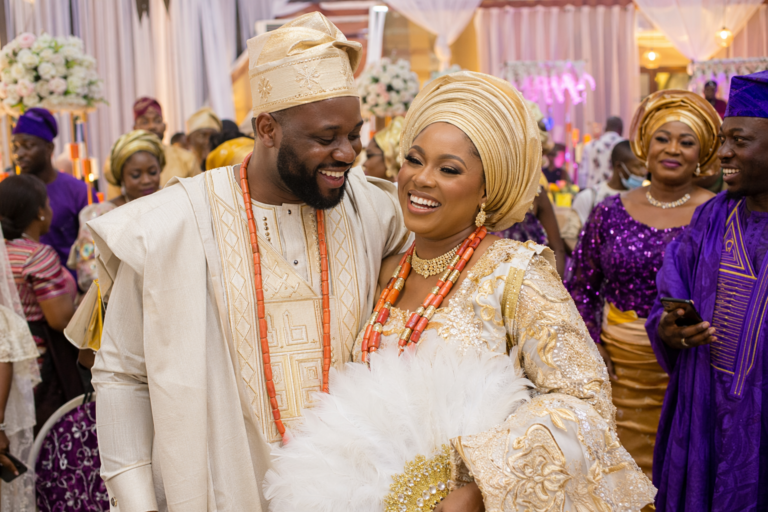
Clothing has a big role in how Nigerian weddings look and feel. People wear traditional clothes that are bold and full of colour. These outfits help show their family identity. You can see matching family clothes, bright patterns, and special accessories everywhere.
For the guests, the dress code is often more organised than what you see at many Australian weddings. People wear family clothes, formal outfits, a lovely wedding dress, and add a head tie too, all at the same time. These choices are not just about style. They are about being part of the group, having a good time, and showing respect.
What is Aso-Ebi and Its Role
Aso-ebi is one of the most well-known things you will see at Nigerian parties. The words come from Yoruba and mean family clothes. It is when groups of people linked to the couple wear matching fabric or outfits.
At a wedding, the bride and groom usually pick colours and the fabric months before the big day. Then, they tell some wedding guests what they should wear. Some groups get different outfits or colours, so you can easily see who is on the bride’s side or the groom’s side, or who is in the wedding party or close friends.
Wearing aso-ebi is much more than a fashion choice. The clothes are a sign of respect and support, and they show a shared identity. Some wedding guests even get their material made into designs they like best. For other people at the wedding, this idea helps show why Nigerian weddings are so neat, put-together, and stand out so much.
Outfits for Brides, Grooms, and Guests
Brides and grooms often pick outfits that show their background. A bride might wear a white wedding dress for a religious ceremony. After that, she can change into clothes from her culture for the party. This helps the couple honour both what’s new and what’s part of their roots.
For example, traditional Igbo bridal outfits can have a lace blouse, a bright skirt, coral beads, and a head tie. The Nigerian groom might also wear something from his own group or match the colours with the bride. Doing this makes the two look good together.
Guests are often expected to dress up, too. The bride’s parents, bridal party, and close friends may all wear planned fabrics or colours. A wedding planner might step in to help with timing and make sure everything works well, but the main idea is the same: what people wear is part of the celebration, not just in the background.
Accessory Choices and Fashion Statements
Accessories are just as important as what you wear. At many Nigerian weddings, they finish off the look and let you show your status, your group, and pride in your cultural heritage. That’s why guests look well put together from head to toe.
Common accessory choices include:
-
a neat head tie that makes the outfit stand out and gives it some extra style
-
coral beads or bold jewellery that match what you’re wearing
-
well-picked fabrics and other touches that make traditional clothes pop
These details are also a sign of respect. People don’t wear everyday stuff to a big family event like this. For Australians going for the first time, wearing the right accessories is not just about looking good. It shows that a Nigerian wedding is about looking ready, being part of something, and doing the day the right way.
Wedding Traditions Across Nigeria’s Major Ethnic Groups
Nigeria is home to hundreds of ethnic groups, so wedding traditions are very different from one place to another. Still, there are three main ones people talk about the most. There is the Yoruba wedding, weddings shaped by Igbo culture, and also Hausa weddings.
Each group does things their own way. They use different symbols, have different things that matter most, and there is a different order of events during each nigerian ceremony, even if some big customs might be alike. This is why you might go to one wedding and see prostration and hear lively MCs, but at another, you hear more about dowry lists or see many religious customs. When you look close at these groups, you really get to know what makes each wedding tradition here special.
Yoruba Wedding Celebrations
A Yoruba wedding is known for its energy, humour, and strong public rituals. Two female emcees called alagas may guide the event and playfully challenge the groom and his friends. A drummer often adds to the pace, making the room feel lively from the start.
One standout custom is Ìdobálè, where the groom and his groomsmen prostrate before the bride’s family. This is a major sign of respect. The bride may later place a hat on the groom’s head, and he may carry her as part of the ceremony. These traditional Nigerian elements make Yoruba wedding ceremonies highly visual.
|
Yoruba feature |
What it involves |
|---|---|
|
Ìdobálè |
Groom and friends lie flat before the bride’s family as respect |
|
Alagas |
Female emcees who lead and entertain during the ceremony |
|
Carrying the bride |
Symbolic act showing care and strength |
|
List of dowry requirements |
May be discussed as part of formal marriage arrangements |
Igbo Wedding Rituals and Customs
In Igbo culture, getting married often means following a clear process led by family members. Usually, the groom is given a list of dowry by the bride’s family. He will need to meet most or all of these requests for the marriage to move ahead, as this shows respect and helps the families come together.
The marriage celebration, called igba nkwu, is a big day. Family members take part in many ways. There are times when gifts are given, the list of dowry items is checked, and there are moments with special food and drink. All these things help make the marriage something the whole families share, not just the couple.
Kola nut plays a big part in these Igbo gatherings. The giving of kola nut stands for blessing, trust, and good will. Also, it is common for some families to have rules about who should marry first. Usually, older children have to marry before the younger ones. This shows that family order is important in Igbo culture, and it can affect when and how people marry.
Hausa Wedding Traditions and Practices
Hausa weddings are an important part of weddings in Nigeria. One thing to know is that wedding traditions can change to fit if the event is Muslim or Christian. This is true for customs in the north of the country.
At Muslim weddings, the religious ceremony is the main focus. Guests could sit apart by gender. There is often not much mixing of men and women, and couples do not show much affection in public, so you might not see any kissing. This gives the day a feel that is not as open as some other weddings you may have been to.
But even with the differences, family is still one of the most important things. The bride’s family is at the centre, and being a good host and holding a traditional ceremony are all a big part of the day. So while Hausa weddings look more reserved when it comes to what happens in public, they still have the same goal as other weddings; to bring two families together in a celebration through wedding traditions.
Evolving Traditions: Modern Influences in Nigerian Weddings
Nigerian weddings keep changing over time, but couples still keep many important wedding traditions. These weddings can now look modern with stylish clothes, a wedding planner to help, and even different events. Still, families always play a big role and many old ways are still followed.
A lot of couples mix a white wedding or a religious ceremony with the usual Nigerian wedding traditions. A wedding planner can help sort out the details of the day. You can still spot Nigerian wedding traditions in what people wear, the music, how families join in, how gifts are given, and at the wedding parties. This gives each wedding a nice blend of new ideas and deep respect for the past.
Integration of Traditional and Contemporary Elements
Many couples now mix a traditional Nigerian wedding with another ceremony that has more of a western style. The religious part may have a white dress and take place at a spot people know well. At the same time, the cultural part keeps strong Nigerian elements in what people wear, the music, and what happens during the event.
This way, families get a chance to honour the things that matter to them. The couple can also hold events on more than one wedding date. These might be days or even weeks apart. Guests might get one invite or two, based on how close they are or how big each event is.
A wedding planner can be there to help, but the important wedding customs from a traditional Nigerian wedding usually stay the same. Families still come together. Wearing traditional outfits is still a key part. Reception rituals get people’s attention as always. So, the look of the day may change, but the goal is clear: use the wedding to bring people together, honour heritage, and show respect to family.
How Technology and Globalisation are Shaping Nigerian Ceremonies
You can see modern touches in the way Nigerian couples plan and show off their weddings now. Even if they hold on to old customs, the look and setup often feel fresh. Wedding ceremonies can now be planned, styled, and talked about in a way that lines up with what is popular around the world.
A few changes are easy to spot:
-
technology is used so guests can learn dances, get updates, and get ready for the day
-
the guest list may still be long, but seating and food planning are done in a more organised way
-
couples may go for professional vendors instead of just counting on family for everything
But even with these changes, some things are the same. Food is still a big part, whether a family member cooks or a Nigerian caterer brings food for everyone. There is still family taking part, music, and special customs that matter a lot. Weddings in Nigeria have been shaped by the world, but the sense of community is still right at the heart of every celebration.
Conclusion
In the end, Nigerian wedding traditions are bright and full of life. These wedding traditions show the rich cultural heritage of the country. From what happens before the big day to the main celebrations, every part has meaning. The money spray is a happy wedding custom, and the clothing is beautiful. These nigerian wedding traditions are special for everyone who goes. If you are in Australia and want to learn more about nigerian wedding customs, it helps to know these traditions. It will make being at a Nigerian wedding even more fun. Take in the beauty and many different ways people celebrate. If you want to know more, or have any questions, do not be shy to ask. Enjoy the journey into the heart of these happy nigerian weddings!
Frequently Asked Questions
What Should Australians Expect When Attending a Nigerian Wedding?
Australians can get ready for lively wedding traditions. You will see many people there. Guests often wear bold outfits. The dance floor is always full. There are usually wedding guests who are friends or even distant relatives, not just the people with a formal invite. The family of the bride and members of the wedding party have big roles on the day. Because of this, the whole event feels like it belongs to everyone from start to finish.
Why Are Some Nigerian Brides Reserved Until a Specific Moment?
Some Nigerian brides can seem a bit quiet at the start of the ceremony. This happens because wedding customs there value formality, and it’s seen as a sign of respect. The bride’s mother and her family give guidance on how she should act. When you hear people talk about the “feet of the bride,” it often has to do with respectful actions during the ceremony, not just how she feels.
What Are the Most Memorable Nigerian Wedding Customs for Overseas Guests?
For many people who visit, the best parts of Nigerian wedding customs are the palm wine sharing, the money spray, and when couples get up to dance with a lot of energy. These moments show the fun and meaning behind Nigerian wedding traditions. They are public and let everyone join in, so people really feel the joy. This is what makes wedding traditions like these stick in the minds of guests, especially those who have come from overseas.