Key Highlights
-
Myanmar wedding traditions bring family, faith, and their cultural heritage together for a warm community day.
-
In most Burmese weddings, a master of ceremony is there to lead the wedding rituals.
-
The wedding day includes blessings, moments that show meaning, music, and everyone in the family has a respected role.
-
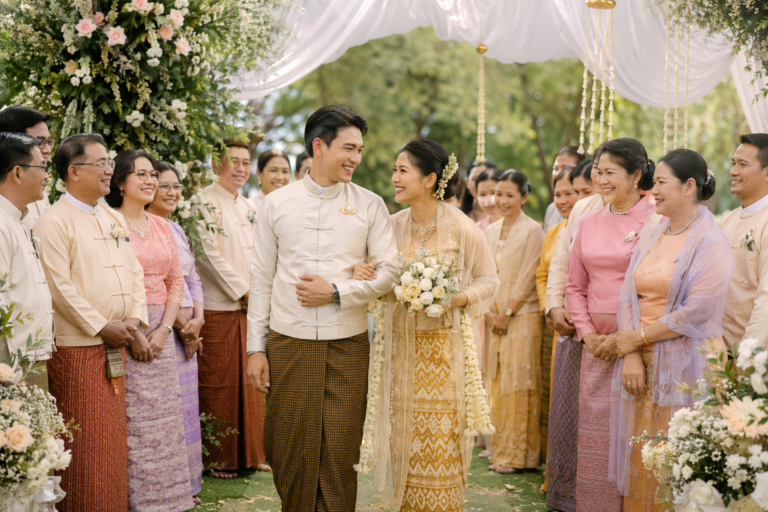
What you wear is very important, so the bride and groom put on silk clothes, jewellery, and the groom will wear his gaung baung.
-
People give gifts such as household items and wedding rings to help the new couple get started in their new home.
-
Good food, hospitality, and joy from being with invited guests help make these weddings a special time for all.
Introduction
Myanmar weddings give a warm view of family life, belief, and how people see their culture in Southeast Asia. For Australians, these wedding traditions may feel both close to home and a little different in a good way. You can see how much the parents, the community, and blessings matter in these weddings. There are also formal rituals and smart clothes for all. In Myanmar, a wedding is not only about the two people getting married. It is also about respect for each other, what everyone values, and letting others know about the new couple. All this is what makes the celebrations so special and full of meaning.
Cultural Significance of Weddings in Myanmar
Across Myanmar, the wedding day is known as a big moment in life. Wedding ceremonies are special in that they bring family, neighbours, relatives, and honourable guests together to show support for a newly married couple. This happens in a public way, with meaning and heart.
For Burmese people and many ethnic groups, wedding ceremonies are a way to keep cultural heritage alive. This shows itself through special dress, music, good words, and the customs they share on the day. The main wedding rituals during these times can include close family taking part, special acts that stand for what marriage means, the community coming to watch, and blessings for a good future, unity, and a happy married life.
Historical Background on Myanmar Marriage Customs
Myanmar marriage ceremony customs show how close family life is to respect in the community. The wedding traditions are formed by ideas from the royal court, Buddhist ways, and a want for the married couple to be seen and respected by all. This is why a marriage ceremony is more than just a private promise between two people.
In the past, arranged marriage was common. Elders and parents would lead these plans and help check if two families would be a good match. Even now, when people can choose their own partners, most families want to give their approval. This lets the cultural heritage be kept alive right from the first talks to the wedding day.
After the main ceremony ends, traditional Buddhists customs are followed at home. The married couple show respect to the parents of both sides. They also get blessings from family. In Myanmar, weddings are planned and shared by families, with the parents deeply involved. Invited guests are part of the day, and there is great care taken to make sure the wedding traditions are kept.
Family and Community Roles During Weddings
At the heart of a marriage ceremony in Myanmar is the family. Parents help plan things, welcome invited guests, and guide the new couple as they start life together. The bride’s family is often more involved, especially when it comes to looking after the bride and greeting everyone.
The community plays a big part too. Relatives, friends, neighbours, and invited guests do not just watch – they join in by being there, giving marriage ceremony blessings or gifts, and having a good time. This turns the wedding into something shared by both families, not just the couple.
In rural areas, people join in even more. More hands get involved, and everyone helps out. Families in Myanmar usually get ready for marriage ceremonies through talking, planning, and involvement from the community. With all that support, the new couple can begin their lives with happiness and support from people around them.
Weddings as a Marker of Social Status
A Myanmar wedding day can say a lot about the family’s social status. The clothes the couple wears, the venue, the jewellery, the music, and how much the family spends all show what they can afford. The bride is usually dressed in fine fabric, with the best jewelleries she has. The groom will come out in smart, traditional clothes.
Wedding customs like these are not just for show. These things are also about showing respect for honourable guests, and for how important the day is. Families want the wedding day to be special, so the couple steps into a happy married life in the right way.
In urban areas, most people have their wedding day in hotels. This is common in big cities, like Yangon or Mandalay, where there are packages and everything is well organised. In rural areas, weddings are usually smaller, and the community helps out. Both in the big cities and in rural areas, people care about family honour and blessing, but the size and feel of the day can change.
Engagement and Matchmaking Traditions
In Myanmar, getting engaged often starts with families talking together. In the past, especially when it was an arranged marriage, the parents of both sides would take charge. They would talk with each other and see if the wedding would work well for both families.
These days, lots of people in the cities pick their own partners. Still, wedding traditions keep the families involved. Engagements are usually respectful and have a formal agreement. People know that marriage is about bringing the two families together, not just the couple. That idea guides the next wedding traditions and rituals.
Arranged Marriages vs. Love Matches in Myanmar
Among Burmese people, you can still find both arranged marriage and love marriage. In the past, families had much more say, especially in rural areas. Now, many pick their own partners but still want support and approval from their families.
That does not mean the old ways are gone. Many families now blend old ideas with their own wishes. Family help stays important because marriage is known to be not just about two people, but something all people in the family share.
-
Arranged marriage has often been common, with elders helping make family calls.
-
Love marriage is now seen often, as more couples go with their own partners.
-
Parents still take part in how things move, even if the match is modern.
-
The negotiated amount comes up later in the gei-bo custom. It’s done with a sense of play and is not what the match is about.
The Betrothal Ceremony and Key Rituals
The betrothal ceremony helps the two families come together. It makes the engagement feel real. This is important in Myanmar wedding traditions. It shows that both households are ready to support the marriage. The event takes place before the bigger wedding day, showing everyone that both sides stand as one.
Parents of both sides play a very important role at this time. Their being there shows trust and support. It tells everyone that the families agree and care about what will come next for the couple. In Myanmar, people often wonder how an engagement works. Most of the time, it is about families talking, saying yes, and showing respect for each other.
Some key wedding rituals at this part could be a gift exchange or giving lucky items for good fortune. It is also common to share silver coins, as people say this will bring wealth to the couple. The feeling at this stage is not loud or fancy. It is simple, thoughtful, and hopes to give the couple a strong start.
Exchanging Gifts Between Families
Gift exchange is a thoughtful and big part of Myanmar weddings. Yes, people give gifts at the wedding day in Myanmar. Most gifts are picked to help the couple as they begin their time together in a new home. Some of these gifts come before the big day, and others are given at the wedding itself.
The main thing is to show support, not just show off fancy things. Friends and family bring household items the couple can use every day, along with special pieces that show hopes for comfort, steady living, and good fortune. Today, new customs like wedding rings go along well with these older wedding traditions.
Here are some common things people give as gifts:
-
household items for daily use in the couple’s new home
-
wedding rings in modern ceremonies
-
tea leaves and other shared offerings linked to hospitality
-
silver coins or cash gifts tied to good fortune
Pre-Wedding Celebrations and Rituals
Before the main event, Myanmar wedding ceremonies often start with quiet but special moments. These times help the couple, their families, and everyone else get ready for the marriage with care and a sense of working together.
In traditional weddings, people usually have blessings, give offerings, gather as family, and get things set up for the day. The goal is simple. They want to start the marriage in a way that brings harmony, good fortune, and a happy married life. The next parts talk more about those steps.
The Blessing Ceremony and Spiritual Preparations
A blessing ceremony is a very important spiritual step before or near the day of a Myanmar wedding. On these special, lucky days, people make offerings in a respectful place. The couple works together to prepare food and bring alms. This shows how they will work together in married life.
Buddhist monks, called the Sangha, might be asked to come. The couple give them food, robes and other gifts. Family elders from both sides help out with these things. They believe this helps to bring good fortune and peace for the pair. The monks then say prayers, share their Parittas and give blessings so the couple will have happiness and protection in their new home.
Some of the usual things you see at a Myanmar wedding are food offerings, special blessings, and a silver bowl that holds money and confetti. Guests can take some of the thrown cash home. People say keeping this brings luck. All these special acts make a calm and bright start for the two people.
Traditional Pre-Wedding Festivities
Traditional weddings in Myanmar build up excitement before the wedding day with music, get-togethers, and step-by-step ceremonies. People start to come in, the families get ready, and you can feel the whole atmosphere lift as everyone waits for the couple to show up. These small moments turn the build-up into a proper celebration.
Music is a key part of it because it helps set the mood. A long time ago, you would often find a traditional Myanmar orchestra playing for the guests. Now, people in big cities are more likely to hear modern musical instruments, especially if the wedding day is at a hotel. Even so, music still marks how special the day is and gets everyone in a good mood.
Before the wedding gets serious, you might see things like:
-
a master of ceremony gets everyone ready for the start
-
there is musical entertainment as people fill up the wedding hall
-
rows of friends and family have a bit of fun later in the day
-
songs that are picked to match auspicious occasions and to honour the couple
Gathering of Relatives and Community Support
Well before the wedding day begins, family come together to help shape how the big event will go. Some give a hand by helping the bride and groom get dressed. Others are there to welcome invited guests, get the food ready, or do the hard work that happens behind the scenes. When everyone helps out, it gives the day a warm feel.
You can really see this community support on the wedding day. People don’t just show up to sit and watch. They come along ready to give, and that changes things. Smiles, greetings, a handshake, or a blessing all mean a lot. In Myanmar, families often mark weddings by getting others involved instead of keeping the event private.
Out in rural areas, you feel this even more. The whole place gets involved. Neighbours and friends make sure they show up to help. The day then belongs to more than one or two people. All this help carries the couple into their new life, holding them up with care from their community and loved ones.
The Traditional Myanmar Wedding Ceremony
A traditional Myanmar wedding ceremony is a formal event. It is full of meaning and is important to the whole community. In South East Asia, these wedding customs are special because they mix family respect, ceremony, and a public blessing in just one event.
During a wedding ceremony in Myanmar, you often see the couple being guided in as they enter. There are also polite greetings to guests, giving of garlands, blessings, music, and warm hospitality after the nuptial ceremony. Each part of the day helps show respect for the union and is also there to wish the couple safety and a good, rich life together.
Arrival of the Bride and Groom
The arrival is one of the biggest moments on the wedding day. People come into the ceremonial hall and excitement fills the air. The couple then walks in at the right time. They are often with their attendants and parents. Everyone looks at them.
The bride’s family is key in the welcome and how they present the bride. They make sure she is dressed in her best clothes and greet the guests with care. At the same time, the groom’s clothes show respect and dress rules. This shows he is ready for his part in the big day.
As the couple steps into the ceremonial hall, everyone sees more than just an entrance. People watch one of the oldest traditions at a wedding day in Myanmar: the couple showing great respect in front of all, with their family close, music playing, and people from the community there to give their support.
Key Rituals and Symbolic Gestures
Myanmar wedding rituals use special actions to show the couple’s new bond and make it matter to everyone watching. When the bride and groom get up on stage, they join their hands and bow their heads to the guests. This shows they feel humble, thankful, and show respect in front of all.
One more thing many people notice is the garlanding of the auspicious couple. Long ago, the couple would put garlands on each other. Nowadays, a couple who has stayed married for many years with only one union may put the garlands and wedding rings on the new pair instead. This way, their strong marriage gives blessings to the new couple.
Common wedding rituals can include:
-
respectful greeting of guests before sitting
-
garlanding of the auspicious couple
-
use of a silver bowl during blessings
-
formal gestures that show unity and good omen within wedding traditions
Involvement of Buddhist Monks and Spiritual Leaders
Buddhist monks often have a big role in Myanmar weddings. Some families want to add a strong spiritual touch. The monks give blessings linked to peace, safety, and good karma. On auspicious occasions, when monks chant, it gives the marriage a special and sacred feel that many people value a lot.
The master of ceremony helps guide the wedding for everyone, but the monks and other spiritual leaders add the morals and blessings. This way, everyone has their own part that works well together. One person shows what happens next and works with the crowd, while the monks give help, calm, and spiritual meaning.
With traditional buddhists customs, it is common for the married couple to show respect to their parents after the wedding. They can also get more blessings at home. People ask what common rituals are, and these acts give the answer. There will be chanting, gifts or food offerings, blessings, and spoken best wishes for a good and strong future as a couple.
Traditional Myanmar Wedding Attire
Traditional Myanmar wedding clothes look fancy and hold a lot of meaning. On the wedding day, the bride’s family helps her get ready with much care. She wears silk or satin dresses that remind people of old royal times. The bride also puts on the best jewelleries her family has.
The groom also wears clothes that are formal and stand out. So, what do you see the bride and groom wear on a Myanmar wedding day? You will find long outfits, classic jackets, fine fabric, and special items that help both look smart and fitted for the ceremony. It shows the couple’s strong link to their culture.
Signature Bridal Wear and Its Meanings
Bridal wear in Myanmar is made to help the bride stand out, look proud, and give a memory that lasts. On this special day, her family will put her in her best clothes and use the best jewelleries they have. The look is formal, smooth, and shows a strong hold on their old customs.
People often say the bride looks like a princess of the royal court in her classic wedding dress. She will have a hip-length jacket with a long sleeve. This goes with a long silk or satin htain-me-thein. It gives her that high-class look. This style is filled with memory, big events, and pride.
For many Myanmar women, this out fit is not just lovely to look at. It is also for showing how much the wedding means. The special day of her entire life is marked with this choice. This is why the bridal look is both nice for the eyes and full of family pride, history, and marks a big day.
Groom’s Attire and Accessories
The groom’s clothes on a Myanmar wedding day are neat and well put-together. He often has on a long sleeve jacket, along with a silk longyi that wraps around twice, called a taung shay longyi. On his feet, he will wear velvet slippers. All these pieces help to make him look smart for his big day.
One important thing in the outfit is the stiff collared shirt. This shirt gives the style a clean and tidy look. Another thing you will notice is the gaung baung, which is the special head-dress. This shows that the day is not just any day, but a big ceremony. When all these are worn together, the groom looks calm and stylish.
These days, some couples also add wedding rings to the exchange or garlanding part of the event. Even when these new touches come in, the main look always stays—long sleeve jacket, silk longyi, stiff collared shirt, and gaung baung for a style everyone knows well.
Jewellery, Headpieces, and Cultural Significance
Jewellery helps finish the wedding day look in Myanmar. It is more than just for show—it holds meaning for both the family and in society. Most of the time, the bride will wear the best jewelleries that her family has. These items are a sign of care, joy, and the value of marriage to their relatives.
Headpieces are important for the groom too. His gaung baung is easy to spot and shows that the event is formal and respects tradition. When you put all these together, the jewellery and the headpieces shape how people see the couple. They also tie the wedding to customs that have been around for many years.
The use of these things is not just about looking good. In Myanmar weddings, people often gift jewellery and personal affects to the couple to help them start their new life together. So, if you want to know what the bride and groom wear on their wedding day, you have to think about more than clothes. It’s also all the things they wear that build their cultural identity.
Meaningful Wedding Symbols and Rituals
Myanmar wedding rituals are full of wedding symbols that show unity, good fortune, and well-wishes for the couple. These actions may seem simple, but each one has a strong meaning for what is to come.
There are common wedding rituals at a Myanmar traditional ceremony, and these are seen as a good omen. Using water, flowers, holding hands, blessings from elders, and respectful acts all bring good luck and help build a close bond. The customs below give you a look at how meaning comes through the whole event in ways people remember.
Water-Pouring Ceremony
The water-pouring ceremony is one of the most well-known moments in Myanmar weddings. In this part, the couple hold hands together while water gets poured over them as a blessing. It is calm and happens in front of everyone. All the guests can see what is going on and it is easy to follow.
A silver bowl is often part of this. Water might be poured from a conch shell or from something else. Using these helps turn a small action into a formal act, and makes it special in the ceremonial hall.
Why is it so important? The ceremony is about cleansing, starting fresh, and wishing the couple good fortune. If you want to know about wedding customs in Myanmar, yes—this is one of the main things done at a wedding. It stands for blessing, being pure, and gives hope for a peaceful life together.
Joining of Hands and Sharing Rice
Joining hands is a clear sign of unity on the wedding day. When the couple hold hands during blessing rites or when they are in front of others, it sends a simple message. It shows they will now go forward in life together. This close contact gives the ceremony a strong and warm touch.
Sharing rice is another act linked with sharing life and taking care of each other. In Myanmar wedding customs, food does not just mean being a good host. It also stands for backing each other, working together every day, and the true side of marriage.
These actions answer what common wedding customs people share. They show how normal things can turn into the heart of the ceremony. Joining hands shows couples are now together. Sharing rice means they agree to help each other and get through things as a team. Both acts are well placed at the start of married life.
Ancestor Honouring and Unity Blessings
Ancestor honouring plays a big part in a Myanmar wedding. It helps the couple feel they are part of something that started long before them. Marriage is not just about a new start. It is about being a link in a long family line. When the couple remember those who came before, they fit their own story into something bigger.
Elders, monks, and other family members give blessings, and that brings even more connection. These blessings are spoken wishes for good luck, for peace, and for a solid life together. The wedding feels full, because the couple are not alone. Memory and help from others are all around them.
Unity is the main thing in these moments. Ancestor honouring is about the past, and blessings from the community are for what will come. Together, these rituals show everyone that a Myanmar marriage is built on their family’s past and everyone’s wish for good luck.
Food, Feasts, and Hospitality in Myanmar Weddings
Food is very important to Myanmar weddings. On the wedding day, families want to serve invited guests well. This shows their warmth, hospitality, and respect. It’s a way to show family pride too. When friends and family arrive, a warm welcome is expected. Setting up a big table that is full of food helps create that good feeling.
There are some foods and drinks that are known to be a part of Myanmar weddings. Many families cook sumptuous food and prepare special traditional dishes, sweets, and drinks for their invited guests. These meals do more than fill you up. They show how much joy there is in bringing two families together. These meals also show abundance, goodwill, and the way people come together on the wedding day.
Traditional Dishes Served at Wedding Celebrations
Traditional dishes are a major part of Myanmar wedding feasts. Served in the wedding hall or reception setting, they help create a generous and festive mood. Food is chosen not only for taste, but also for what it represents: comfort, abundance, and a hopeful start.
Guests may be offered well-known dishes such as mohinga, coconut rice, curries, and tea leaf salad. These foods reflect local flavour and shared enjoyment. In the context of a wedding, they support wishes for good luck and a happy marriage.
Here is a simple guide to common traditional dishes:
|
Traditional dishes |
Role at the celebration |
|---|---|
|
Mohinga |
A familiar fish and rice noodle dish that brings comfort and a strong local identity |
|
Coconut rice |
Fragrant rice often paired with richer foods for a festive meal |
|
Curries |
Hearty centrepieces that add depth and generosity to wedding feasts |
|
Tea leaf salad |
A shared dish linked with hospitality and social gathering |
Myanmar Sweets and Drinks for Special Occasions
Sweets and drinks add a bright and happy touch to Burmese weddings. People usually have these treats after the ceremony or with other snacks. It gives guests something nice to eat or drink as they say their best wishes to the couple.
On big or lucky days like these, sweet foods show that it is a time to be joyful and remember. They match the mood of the wedding day. This is true, especially for the bride who might feel both excited and a bit nervous on this special day of her entire life.
Some sweets and drinks you can find at Burmese weddings are:
-
htoe mont, which is a sticky sweet with glutinous rice, molasses, and cashews
-
shwe htamin, known as a sweet rice that people link with having good things in life
-
other refreshments that are served to guests after the ceremony
-
tea and light drinks that people share at the wedding feast or during chats
On these auspicious occasions, these little touches help everyone have a good time and enjoy the moment.
Community Feasts and Sharing Hospitality
Hospitality at Myanmar weddings is not just about the food. It is also about how the guests are welcomed. People smile, greet each other, and make sure everyone gets plenty of food. The wedding meal is there to help people feel welcome and happy to be part of the day.
The community in rural areas often helps out a lot with weddings. Families and neighbours work together to get ready, give out drinks and food, and look after the guests. In these places, the event brings people together and shows how much they care, not just leaving the job to a few.
The number of guests can change, from small court gatherings to big hotel parties. Still, the reason for each event is the same. There are special foods and drinks, but the heart of it is simple: give good food and show care to everyone who comes to the myanmar weddings. In the end, it is all about people feeling welcome and valued.
Conclusion
To sum up, learning about Myanmar’s wedding traditions gives you a good look into their culture and ways. Australians can really enjoy and connect with what they see and learn. You get to see how the matchmaking works, take part in key rituals, join the fun parties, and taste the food. Each part of the wedding shows the strong values and bonds people share in their community.
When you know more about these things, the experience of going to a Myanmar wedding becomes better. You also grow more respect for the many cultures in the world. If you want to join in a real Myanmar wedding, you can get in touch for a free chat. This makes it much easier to follow the wedding traditions and also helps make the day a good one for you and for the people who welcome you.
Frequently Asked Questions
How do Myanmar wedding traditions compare to Australian customs?
In Myanmar, wedding traditions focus more on family, blessings, and public events compared to many customs here in Australia. On a wedding day in Southeast Asia, people often see families and the community get involved in the day. There are gestures that have special meaning. You can spot the cultural heritage all through the wedding from the start to the finish.
Are there special gifts to give or expect at a Myanmar wedding?
Yes. In Myanmar wedding traditions, people usually give gifts to help the couple begin married life well. On the wedding day, many like to give household items, jewellery, cash, or wedding rings, especially in modern weddings. The gifts are for support, not just for show or as decoration.
Can foreigners participate in traditional Myanmar wedding ceremonies?
Yes, most of the time, if you get an invite, you can go to Burmese weddings, even if you are from another country. In a lot of wedding ceremonies, people who come from outside Myanmar are welcomed, and the couple will treat you as one of their honourable guests. If you respect the local wedding customs, people will be happy you are there. They really value and like having everyone join in the celebration.