Key Highlights
-
Mexican weddings bring together wedding traditions, mexican culture, and Catholic ways to create special moments.
-
Family members play a crucial role before, during, and after the wedding day.
-
La pedida, las arras, and el lazo are some of the most common rituals in mexican weddings.
-
Mariachi bands, vibrant colors, and lots of dancing add life to the wedding celebration.
-
Traditions like la vibora de la mar and el baile del billete keep the dance floor buzzing.
-
Polvorones and other sweet treats make the wedding reception warm and welcoming.
Introduction
Mexican weddings are full of feeling, meaning, and a big community feel. If you are in Australia and want to learn more about mexican culture, these wedding traditions give you more than just pretty sights. They show the ways a wedding can honour faith, family, and both families coming together. There are formal family meetings, lively music, and lots of celebration cookies. Mexican weddings mix old customs with new choices. If you want to find out what is special about these ceremonies, this guide is a good start and will help you get to know them in a simple and friendly way.
Wedding Traditions in Mexico: A Complete Overview for Australians
Some of the most common wedding traditions in Mexico are la pedida, las arras, el lazo, los padrinos, mariachi music, and la vibora de la mar. Each one gives deep meaning to the wedding day and helps link the couple to mexican culture.
These customs are about more than just the ceremony. They show family support, shared jobs, and the hopes you have for married life as well. You’ll see that each tradition brings something special to the wedding celebration. They all shape the day in new and memorable ways.
1. La Pedida de Mano – The Formal Proposal Tradition
La pedida is one of the best-known mexican wedding traditions. It happens after the couple is already engaged. Instead of a private proposal, this is a formal meeting where the groom’s family goes to see the bride’s family to ask for her hand in marriage.
In mexican culture, this is seen as a sign of respect. The visit is usually at the bride’s family home. People might bring gifts like flowers, wine, or special food. The idea is to honour both families and show good intentions before the wedding day.
For Australians, this can feel more formal than what they might know, but that is part of its value. La pedida reminds everyone that marriage is not just about two people joining but also about the families coming together. That’s why it still is one of the most common wedding traditions in Mexico.
2. Las Arras – The Exchange of Thirteen Coins
Las arras are 13 gold coins that are swapped during the wedding day. The groom usually gives them to the bride. It shows he will give and help build their married life. The coins stand for trust and that both people will do their part.
The number 13 is special for some. It has to do with Christ and the 12 apostles. People often bless the coins before they are given to the bride. She puts them in her hands. After the wedding, many couples keep the coins in an ornate box or in some decorative boxes at home.
Nowadays, las arras can also show that both partners share the work and plan to have a good life together. For modern couples, this act is a sign of a joint promise to grow a strong married life. On the wedding day, this small gift means a lot and holds deep meaning. It is something that many carry with them forever.
3. El Lazo Ceremony – Symbolic Binding of the Couple
El lazo is one of the most visual parts of a Mexican wedding ceremony. In this part, padrinos put a rope, a floral garland, or a large rosary around the couple’s shoulders. They do it in a figure-eight shape. This is done during the ceremony.
The shape points to infinity. That is why el lazo is about an eternal bond. The couple stays linked for the rest of the ceremony, to show that they are now joined as one. In a catholic church, people often put it in place before the final blessing.
If you wonder what the Mexican lasso ceremony means, the answer is simple and strong. It shows unity, commitment, and never-ending connection. When you look at mexican wedding ceremony traditions, el lazo is one of the best symbols of marriage and purpose that both people share.
4. Los Padrinos y Madrinas – The Role of Godparents
Los padrinos and madrinas are the godparents who sponsor parts of the wedding. They do more than just stand with the couple. At Mexican weddings, they often give important things for the ceremony. They offer help and their support does not stop at the wedding—it keeps going into married life.
There can be different padrinos for the lazo, las arras, special pillows, or the Bible and rosary. This lets many family members or good friends join in and that makes everything feel more special. Their help might also mean they give some financial support with the wedding expenses.
Yes, Mexican weddings have certain traditions for involving family members, and los padrinos are a big part of that. They play a crucial role, both by doing things and by helping with the ceremony’s meaning. To be picked for this is a big deal, since it shows trust, care, and long-term support for the couple.
5. Mariachi Bands and Traditional Wedding Music
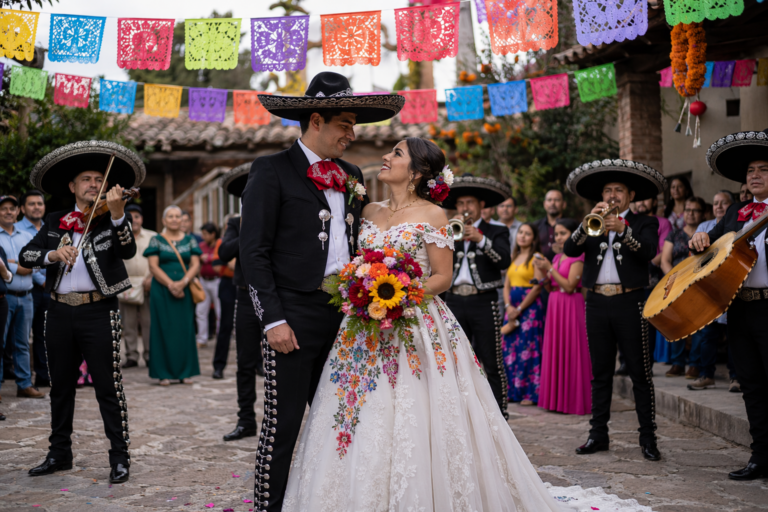
Music has a big influence on the mood at many mexican weddings. Mariachi bands are well-known and are often a key part of every wedding celebration. They wear detailed charro suits and large sombreros, which brings their heritage right into the event.
You may hear mariachi music at the start of the wedding, during the cocktail hour, at dinner, or as part of a special song. The groom may also honour his bride with a song. This makes the mood both happy and personal so everyone feels special.
Mariachi bands are not a type of dance, but they help make special times on the dance floor happen. Their sound brings movement, emotion, and a lot of vibrant colors to the wedding. For guests, the songs from mariachi bands are some of the parts they will remember most from the day.
6. La Vibora de la Mar – The Sea Snake Wedding Dance
La vibora de la mar, which means the sea snake, is one of the most playful dances you can see at mexican weddings. This dance takes place at the wedding reception, right when people are ready for something lively and full of energy.
Family and friends stand in two lines and lift their hands. They make a human tunnel for the dancing couple to go through as everyone sings the song. When the music gets faster, the tunnel closes in with a lot of laughter and cheer.
In some versions, the bride and groom each get up on a chair that someone holds up. They then try to stay steady while people clap and shout for them. This is what gives la vibora de la mar its lively and fun feeling. If anyone wonders if there are traditional dances at mexican weddings, la vibora de la mar is a great example.
7. El Ramo – The Bridal Bouquet Custom
El ramo is another name for the bridal bouquet, and in mexican weddings, it means more than just pretty flowers. In wedding traditions, some brides offer their bouquet to the virgin mary before the ceremony. They do this to ask for blessings for their life together.
The flowers picked for the bridal bouquet can say a lot. Orange blossoms show fertility and purity. Roses stand for love and passion. Calla lilies mean beauty and devotion. These details give the bouquet extra meaning and link it to the wedding dress and ceremony.
El ramo is still loved in mexican weddings today. People like how you can make it your own and still stick with tradition. Some brides throw the bouquet at the reception. Others keep it as a keepsake. No matter what, it stays a special part of mexican wedding traditions.
8. El Baile del Billete – The Money Dance
El baile del billete, or the money dance, is a fun part of the wedding day. Guests pin money to the bride’s dress or the groom’s suit. Then, they get to have a brief dance with the newlywed. This keeps the dance floor going and gives everyone a good time.
This tradition is both practical and festive. The money the guests give helps with things like the honeymoon or a new home. It also shows real financial support for the couple as they begin their married life. It’s a chance for family members and friends to say good luck and share a moment with the bride or groom.
Out of all the wedding day dances, el baile del billete is special. It brings together giving and celebration in a simple way. Besides keeping the dance floor busy, it gives everyone warm and personal moments. This tradition shows how support and generosity from family members and friends can fit into all the fun.
9. Polvorones – Mexican Wedding Cookies
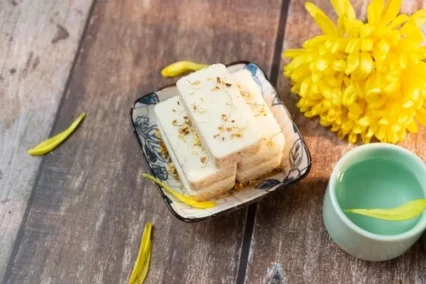
When people talk about what foods you get at mexican weddings, sweets are often a big deal. Polvorones, which are also called mexican wedding cookies, are a top pick and you will see them at a lot of these celebrations.
These celebration cookies are made with lots of butter. They are like shortbread and have some pecans in them. You roll them in powdered sugar to finish, and they taste sweet and soft. Most people serve them during the wedding reception, or hand them out for guests to take home as a treat. They are easy to like, so everyone at the party usually enjoys them.
Authentic polvorones mean more than just being tasty. The cookies stand for care, a bit of hospitality, and keeping up with family customs through the years. A wedding cake might still be there, but mexican wedding cookies bring in something extra special from the culture. For plenty of couples, these small but tasty cookies are a simple way to honour their tradition. They also leave people with a good memory of the day.
10. La Tornaboda – The After-Party Tradition
La tornaboda is the after-party that happens once the main wedding reception finishes. After the formal part of the night is over, the fun keeps going. The mood turns more relaxed and personal. People often celebrate well into the early morning hours.
At la tornaboda, guests can tuck into late-night comfort foods like tamales, pozole, tacos, or menudo. The music changes too. It often blends much-loved old songs with new favourites. This shift brings new energy after a big wedding day.
Many modern couples stick with this wedding tradition because it brings some of the best and happiest memories. It’s not as formal, but everyone still connects and enjoys good times. If you’re curious about which Mexican wedding traditions stay popular, la tornaboda is one that always makes the list.
Key Elements That Make Mexican Weddings Unique
What makes mexican weddings stand out is how the ceremony brings together faith, symbols, music, and the idea that everyone shares responsibility. These wedding traditions are not random at all. Every one of them has a clear purpose and is often connected to family, the people around you, or strong beliefs.
For mexican couples, their special day is shaped by centuries of cultural heritage. You can show respect for mexican heritage at a wedding by using meaningful rituals, giving family special roles, receiving religious blessings, and wearing clothes that have special meanings. The next part explains these things in a simple way.
Family Involvement and Community Participation
Family involvement is one of the best things about mexican culture. At mexican weddings, the couple get support not just from their parents, but from a big group of family, los padrinos, and close mates who help in real ways.
This group effort starts before the wedding day and carries on during it. People join in the decisions, rituals, and with help when needed. They are not just there to watch. Loved ones take part in everything.
-
La pedida brings both families together for a proper and respectful meeting.
-
Los padrinos look after different parts of the ceremony and give good advice.
-
Group traditions at the reception pull the guests in, so everyone can join in the fun, not just sit and watch.
Mexican weddings have special rituals that get family involved. That is a big part of why they feel so warm and together.
Religious Rituals and Blessings
Religious rituals play a large part in mexican weddings, especially if the couple goes for a catholic ceremony. This service might have blessings for things like coins or the lazo, which turn simple items into something special.
The catholic faith shapes many moments besides the main vows. A bride might give her flowers to the Virgin Mary, asking her for help in marriage. In some places, people also show love for the Virgin of Guadalupe, who is also called Lady of Guadalupe or Our Lady of Guadalupe. This can add to the feeling of faith that fills the day.
This is how mexican weddings are different from others. These weddings often mix in roles that include everyone and also bring out deep catholic ceremony symbols. Instead of keeping faith away from the party, mexican weddings put both together from the very start to the end.
Honouring Heritage Through Attire and Symbolism
Attire and symbols are simple, strong ways to show heritage in mexican weddings. What the couple wears and holds can be as important as the vows or the music when it comes to wedding traditions.
The wedding dress often comes with items that mean something special. A bridal bouquet might have orange blossoms or calla lilies that stand for something. A veil can show faith and modesty. Even the colours or things used in the ceremony can say a lot about who they are and where they belong.
-
Use a bridal bouquet with orange blossoms or calla lilies for symbolic meaning.
-
Include vibrant colors in attire, flowers, or decorative details.
-
Wear a mantilla or meaningful veil connected to family or faith.
These ways help the couple show their heritage clearly. They do this in a personal way, but it doesn’t change what the ceremony is about.
Conclusion
Mexican wedding traditions bring something rich and special that can add a lot to the way Australians celebrate. With moments like la pedida and fun events like el baile del billete, you get a mix of love, family, and togetherness. Each part of these customs makes your special day feel warmer and full of meaning. Bringing wedding traditions like this into your plans helps you connect with other cultures. It also makes your big day stand out and gives everyone memories to look back on. If you want to learn more or add things like baile del billete to your wedding, get in touch for a free chat on how to bring these ideas to your event.
Frequently Asked Questions
What is the significance of the thirteen coins in Mexican weddings?
The 13 gold coins in las arras stand for giving, trust, and sharing jobs in married life. On the wedding day, the coins get blessed. Couples swap them to show their promise to help each other after they get married. Many people like to keep the coins in an ornate box at home. This helps them remember their commitment every day.
Which Mexican wedding traditions are still popular today?
Lots of wedding traditions are still a big part of weddings today. People choose la pedida, las arras, el lazo, mariachi music, la vibora de la mar, and la tornaboda for their big day. These customs keep mexican culture alive at weddings. They also get family members involved and make sure everyone has fun on the dance floor.
How do Mexican wedding rituals differ from other cultures?
In lots of mexican weddings, the wedding ceremony includes the catholic faith, family and items that have meaning, like coins or a lasso. Mexican weddings, compared with other cultures, often got a bigger focus on the group, the strong religious meaning, and details for the party, like music and vibrant colors.