Key Highlights
-
A japanese wedding ceremony often brings together old wedding customs with some modern twists.
-
Many japanese couples still want a shinto wedding with a shinto priest at the front.
-
Family members might meet and swap small symbolic offerings before the big day.
-
Days of the year are important, and people stay away from dates that are thought to bring bad luck.
-
Wedding guests need to stick to clear rules, mostly with cash gifts.
-
The outfits, sharing sake, and wedding favours all show what marriage means for people in Japan.
Introduction
If you are in Australia and you are a guest, a friend, or part of a couple getting ready for a celebration with a Japanese touch, it’s good to know what makes a japanese wedding different. A wedding ceremony in Japan can be quite formal. It has a lot of meaning and there is a deep link to japanese culture. Still, you may see some western elements at these weddings, too. These might feel more common to you.
From the rituals at shrines to the way people act as guests, all these things be part of the big day. Once you know about these details, the whole experience will be simple to follow, and you will get much more out of it.
Japanese Wedding Customs Australians Should Know
Some of the most key wedding customs in Japan are about family, meaning, and being formal. Many japanese couples may start with an engagement meeting with both families. After that, there is often a ceremony based on an old wedding tradition. In japanese society, a marriage is not just for the people getting married. It’s also to join both of their families together.
What feels really different is how clear the steps are. There is special sake drinking, cleaning actions, swapping outfits, and money gifts — these stand out when you look at many Australian weddings. To get these wedding customs, it helps to look at what happens before the big day.
Pre-Wedding Rituals and Engagement Ceremonies
Before the main wedding, some couples have a traditional Japanese ceremony called yuino or yui-no. This event brings both sides together and puts a strong focus on family members. It is not as common as it used to be, but you can still see it happen after a proposal sometimes.
At this gathering, the families meet and give each other symbolic offerings. These are not just random gifts. Every one of them means something special for the marriage. For example, a piece of hemp thread stands for the wish that the couple will get old together. A fan shows the hope for growth and good luck.
For Australians, this makes it clear that a wedding date in Japan can be part of a longer journey, not just a one-day thing. It shows that marriage may start with families coming together in a formal way before the big celebration.
Choosing Auspicious Dates for the Ceremony
In Japan, the wedding date is important. Many Japanese couples look at the days of the year carefully before making their plans. People there believe that timing can help the couple have a good start in married life.
Some days are good for weddings because they have auspicious symbols and bring good luck. Other dates are not picked as they might mean bad luck. Even if you pick a new venue or a western style for your wedding, these ideas can still guide the booking of the date.
For Australians, this may seem odd, since it’s common here to choose a wedding date when it’s most easy for everyone. In Japan, the right date feels like an important part of the ceremony too. That focus on timing is linked to the style of the shinto wedding.
The Shinto Wedding Ceremony Explained
A Shinto wedding is one of the most common types of Japanese wedding ceremony in Japan. These weddings are mostly held at a shrine. A Shinto priest leads the ceremony. The mood at this wedding ceremony is formal and calm. It has rituals that show purity, respect, and how the two families become one.
The ceremony has a different feel from many Australian weddings. The structure in a Japanese wedding is highly symbolic. Instead of putting the focus on the couple’s vows, it uses set actions that have a deep spiritual meaning. Two of the main parts of this Japanese wedding ceremony are purification and the sake-sharing ritual, which we talk about below.
Purification and Blessings
At the start of a shinto wedding, the couple gets ready for marriage with a special cleansing. The shinto priest guides this part and makes the feeling in the room very calm and serious. It is not like a regular fun party at all. This step is there to clean and settle the two people before they start their new life together.
There is an old idea behind this. It is about getting rid of evil spirits. In short, it means letting go of things that could hurt the marriage. It lets you know that the ceremony is about more than just bringing people together. It shows how deep and mindful the day is.
For wedding guests, this is often a time they do not forget. It shapes the whole occasion. You see right away that this is not just about rules on paper. The shinto priest makes sure that the event is a blessing and shows marriage as real, serious, and meaningful.
San-san-kudo – Sake Sharing Ritual
The san san ku do ritual is a key part of a Japanese wedding celebration. Instead of using just words, the bride and groom both drink from three sake cups. These cups are called sakazuki. Each person has three sips, making nine sips altogether. Nine is a lucky number in Japanese culture.
This ritual says a lot. At first, the sips are about the bride and groom and their union. The next part shows that all people have some flaws like hate, wanting things, and not knowing everything. The final sips are about breaking free of these flaws. This is why the san san ku do has strong meaning for people at a wedding.
The feeling does not end with just the new couple. Family members are also part of this ritual. They take sips from the sake cups too. This links both families and shows that everyone will share the work and worries of life together. In this way, the sake cups become more than just cups—they turn into symbolic offerings that tie the marriage and both households together.
[japanese wedding], [family members], [symbolic offerings], [wedding celebration], [san san ku do], [sake cups]
Traditional Attire for Brides and Grooms
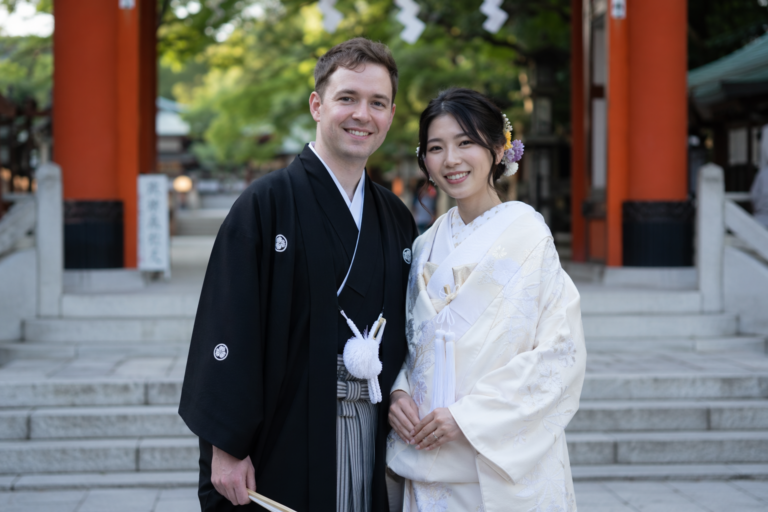
Clothing is a big part of the look at a japanese wedding. In a usual setting, japanese brides often have on a white shiro-muku. The groom will wear a black formal kimono. Family members also care about what they wear. Married women in the family are likely to come in black tomesode for the big day.
You will see that changing outfits is pretty common, especially for the bride. This shows something about the meaning of the day and also her style. To get a good idea of these clothes, it helps to look first at what people wear in a classic bridal outfit. From there, you can look at the new fashion picks people go for now.
Shiro-Muku and Other Outfits
In a traditional wedding, the look you spot most often is the white kimono, called shiro-muku. Many Japanese brides wear this in Shinto-style ceremonies. The white stands for being pure and shows that the bride is joining her new husband’s family. This look is very formal and plain, but it has a lot of meaning.
Not every bride will stay in all white the whole day. Some put on a more colourful wedding kimono known as iro-uchikake later on. The little things matter too. The bride might have a small bag called a hakoseko, a little sword called a kaiken, and even a fan tucked in her obi, all standing for a happy future.
For men, people expect to see a formal black kimono called montsuki. In the family, you’ll often see the black tomesode, which has a black base color and is worn by married women. The black makes it formal and right for the occasion.
Modern Takes on Japanese Wedding Fashion
In recent years, you will find that many couples at a japanese wedding go for more than one look. The day may start with the bride and groom in kimono, then change into western style clothes for the reception. This means that guests are able to see a few different styles across the day.
A popular option is for the bride to put on a white wedding gown, even if the couple is not Christian. Some of them also like to have things such as a church setting, an exchange of rings, wedding cake, bouquet toss, or honeymoon plans that all show western elements. These new ideas do not get rid of japanese wedding customs, but sit right next to them.
Having all these available options gives couples the chance to keep what means a lot to them while trying out something different. For Australians, this mix of styles may feel both familiar and fresh. It’s a good example of the way japanese weddings can welcome something new and still hold on to old customs.
Gifts, Etiquette, and Cultural Expectations for Guests
If you are one of the wedding guests, there is a certain way to act from the time you get the invitation. You should reply in writing. People need to dress in a formal way, and not try to take any attention away from the couple on their big day. Women should not wear full white, and men mostly wear dark suits.
When it comes to gifts, cash is the usual thing to give. It is common for wedding guests to get wedding favors. Sometimes, people choose these gifts from gift catalogs. These customs might seem formal but they show care and respect for the special day. The way wedding guests give gifts is special and stands out.
Shugi-bukuro and Other Unique Traditions
One of the best-known customs for guests is giving cash in a shugi-bukuro. This is a decorative envelope. You hand it in at the wedding reception before you sign the guestbook. The amount you give can depend on how close you are to the couple and where you live. It is important to use clean, new notes. You should also write your name on the front. Make sure people can read it.
A few lesser-known traditions stand out for Australian guests. These shape the whole day and not just what you bring as a gift. These customs always look well-planned. People show respect and care for the couple and the families at every step.
-
Guests usually send back a written RSVP quickly, even if they are not coming.
-
Cash wedding gifts are liked more than things for the home like electrical appliances.
-
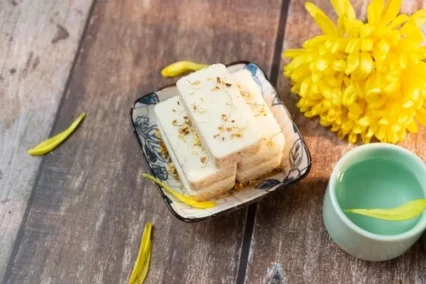
Many couples give wedding favors called hikidemono. These can be sweets, elegant tableware, or gift catalogs with available certificates.
-
Receptions often star speeches and performances. Sometimes, there is a special opening of the lid of a sake barrel.
Conclusion
To sum up, knowing about Japanese wedding traditions can make your time at these lovely events much better. There is a lot to see, from the deep meaning of Shinto rituals to what the traditional clothes stand for. Each part has its own story. If you are Australian and going to a Japanese wedding, be sure to learn about the rules and ways of giving gifts like Shugi-bukuro. These things show you care and want good things for the couple. Taking part in these steps helps you show respect for the couple’s background and lets you see how other people celebrate. Celebrate love with a true wish to learn from each new tradition, and make the day special for everyone.