Key Highlights
-
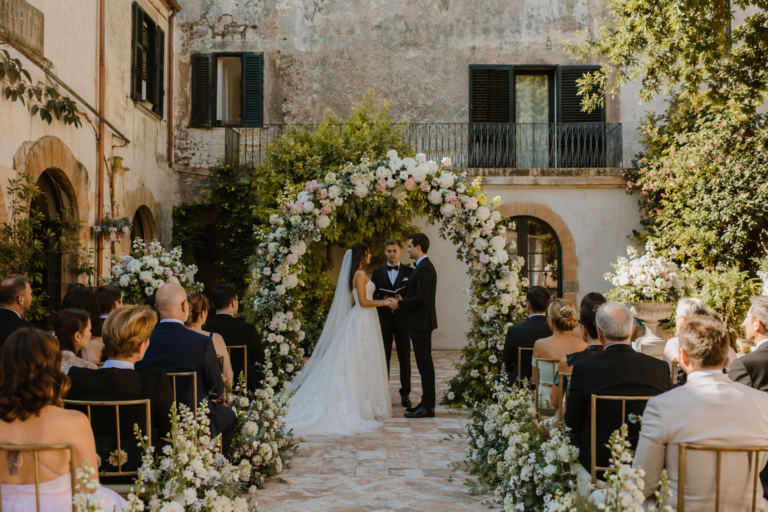
In Italian wedding traditions, the focus is on good luck, family, and joy that everyone shares.
-
Most Italian weddings will pick Sunday for the wedding ceremony. They try not to have it on a Friday because they think there is some bad luck on that day.
-
La serenata is a sweet part of the wedding. The groom comes to sing or play music for the bride before the big day.
-
All the guests get involved. They throw rice, join in the dancing, and help make the wedding festivities very lively.
-
The wedding feast is a big deal in Italian culture. There is lots of wine, many courses, and people celebrate until late.
-
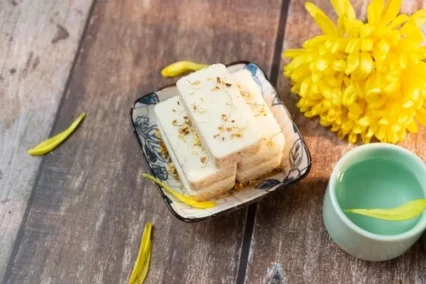
The wedding cake at an Italian wedding could be a millefoglie. It is a light wedding cake that comes with layers of puff pastry.
Introduction
Italian weddings are full of warmth, meaning, and good times. If you are a couple in Australia and planning your special day, or you are just going to one, it helps to know about the wedding traditions that happen through each part. From the wedding ceremony right up to the last dance, many things show off Italian culture, family, and hopes for a bright future. Some things are fun, some mean a lot, and all of them give your wedding its heart and make it stand out.
Italian Wedding Traditions and Customs for Australians
Italian weddings mix romance, a rich cultural heritage, and a lot of good luck symbols. Some common customs on the wedding day include the family leading the planning, lucky rituals, showering the couple with rice or confetti, and a big wedding feast. The wedding guests also get bomboniere, which is a special gift to thank them for coming. Most parts of an italian wedding tradition are there to help bring good luck to the couple when they start this new part of life.
For many Australians, it can be quite different because these events are so interactive. At italian weddings, wedding guests do more than just watch the couple. They go up to congratulate them one by one, get on the dance floor, and join in all the fun from start to finish. There are a lot of customs that make these celebrations stand out and give everyone a good time to remember. Let’s talk about what shapes these special events.
1. The Engagement and La Serenata (The Serenade)
One of the most romantic pieces of Italian traditions is la serenata. This normally happens right before the wedding day. The groom honours his bride in front of everyone. This moment is very special and full of love. It helps set a loving mood before the wedding starts.
Usually, la serenata has some music and is done as a small show for the bride. The groom shows his love and makes a memory with their family and friends. For the couple, it is a real and warm way to share the joy as their wedding day gets close. This tradition makes couples feel closer.
If you are planning all of this from Australia, a wedding planner might make it easy for you. They can change things so everything suits you best. You could add live music, have a small get-together, or give the bride a happy surprise near your venue. For lots of couples, la serenata is not about how big it is. It is the love, the feel of the night, and bringing some good luck for their new life together.
2. Pre-Wedding Superstitions and Symbolic Rituals
Italian weddings often include rituals that stand for good luck and to keep bad luck away. Many of these ideas may seem small, but they mean a lot. Families like to stick with these customs because, in Italy, getting off to the right start can set up the marriage for the future.
A lot of these old traditions help stop bad luck before the wedding starts. For example, Friday isn’t a great day for a wedding, but Sunday is felt to be the luckiest day. On the big morning, couples may use a few rituals that people believe protect them for years to come.
-
The groom sometimes takes a small piece of iron with him in his pocket to keep evil away.
-
The bride may put a tiny tear in her veil. People say this brings good luck.
-
In some towns, the bride can’t look in the mirror before the ceremony, unless she takes off a shoe or glove.
These good luck customs go with things like the wedding ring. All together, they show that Italian weddings are all about love, and making sure there is meaning in every part.
3. Traditional Italian Wedding Attire and Dress Codes
Italian wedding attire might be different to what many people in Australia expect. Many brides wear white, but it can also be cream or another soft shade. That’s what makes it nice—there is a bit of choice, but what guests wear is still important.
For wedding guests, there’s one main thing to remember: don’t wear white. Even if the bride doesn’t wear white herself, it’s still set aside for her. Black can often be fine to wear at italian weddings, which is not what most people in Australia think.
-
Don’t pick white unless the couple says it’s okay.
-
Plan to wear neat, smart clothes instead of something too laid-back.
-
The bridal party will usually dress in a style that matches how formal the day is.
The wedding band and any other extras are important too. But what you wear at italian weddings is mostly about respect, looking good, and fitting in with the happy feel of the day rather than following strict fashion rules.
4. Wedding Invitations and Family Involvement
Italian weddings often have a lot of help from family. This is because marriage is not just about two people. It is a big moment for their families too. The wedding day is shaped by the people who want to be part of it. This all makes the day feel warm and shared.
The invitations for Italian weddings are more than just for getting people there. They show who is close to the couple. They help everyone know what kind of day to expect. The day is often full with a ceremony, greetings, eating, dancing, and time for photos. If the wedding is outside Italy, the guest list can get big. This happens because the people want everyone to feel welcome.
Most of the wedding planning sticks to old ways, but it also works for what suits the couple best. Some couples use a wedding planner for help with the small things that come up. Still, their family will have in their say on most things. Family is often there when the wedding guests arrive. They stay in to help at the venue and the big Reception. The celebration often feels open and real, not just put on for show.
5. The Italian Wedding Ceremony: Key Customs
The Italian wedding ceremony often feels much more lively and friendly than in a lot of other places. Guests do not just sit and watch. They smile, greet each other, and join in with the mood. This be why the ceremony feels so warm and full of life.
Some wedding ceremonies are held in a church, but civil ceremonies can also take place at the town hall. In some traditions, the couple might walk in together to show they are about to start their life together. Family is important too. You will see the groom’s mum and the bride’s dad play real parts in how things start.
When it is time for the exchange of rings, the focus is on everyone who is there as much as on the couple. People join in songs, prayers, and give their best wishes once the wedding ceremony ends. The newlyweds do not leave in a hurry. Instead, there is rice, confetti, and lots of good wishes from people around them.
6. Southern vs. Northern Italian Wedding Differences
Italy is rich in regional differences, so there is no single formula for every wedding. Local customs shape how families celebrate, and this is especially true when comparing Southern Italy with other parts of the country. Even when the core values stay the same, the style can vary.
In Southern Italy, celebrations are often remembered for strong family participation, energetic dancing, and a big wedding feast. Other regions may keep the same Italian tradition but express it in quieter or slightly different ways. The common thread is that each area keeps its own traditions alive.
|
Region Focus |
Typical Wedding Feel |
|---|---|
|
Southern Italy |
Strong family presence, lively wedding festivities, dancing, and generous food traditions |
|
Other Italian regions |
Similar customs with local customs shaping timing, dress, ceremony style, and reception details |
|
Across Italy |
Shared emphasis on hospitality, symbolism, and celebrating the couple with guests |
7. The Grand Entrance and Processional Order
The entrance can really set the feel for the whole wedding day. In some Italian weddings, the bride and groom walk to the place together. This is quite different for Australians, as we are used to both coming in on their own. It shows their partnership right from the start.
When the couple gets there, the guests often stand outside and then walk in after them. For the processional, the groom might walk in with his mother, and the bride with her dad. These little things make the main event feel close to family while still being formal.
Small acts matter too. At the altar, the bride may hand over a flower from her bunch to the groom’s mum. It is a small but nice way to show respect and a special bond. These moments really add to the wedding day and carry on through all the wedding festivities.
8. Traditional Italian Wedding Feast and Signature Dishes
Food is a big deal at an Italian wedding reception. The wedding feast is not just a small part of the day. It is the real focus that brings everyone together for hours. People eat, talk, make toasts, and celebrate. Wedding guests from Australia often see this right away.
Wine is the usual drink, and it is often served before or during the meal. The goal is to show hospitality and make all the wedding guests feel welcome. No matter what is on the menu, the feel is the same: you get a generous, joyful meal.
-
Wine is often used for toasts and keeps flowing through the celebration.
-
Couples put on a spread of signature dishes, not just a quick meal.
-
Wedding favours like bomboniere usually come out at the end of the meal.
This attention to food is a big part of why italian weddings are so fun and stand out.
9. The Millefoglie Wedding Cake and Cutting Ritual
Unlike some other places, the wedding cake in Italy is not always the main visual focus at a wedding reception. The cake is important, but it is often just one part of the whole meal and not the big highlight of the night. This gives the wedding a different kind of flow.
One of the most loved options is the traditional Italian wedding cake called the millefoglie. This Italian wedding cake is famous for its crispy, light layers of puff pastry, filled with a soft and smooth vanilla custard. Sometimes, couples pick fillings like chocolate or strawberry, but you can usually see straight away that it is an Italian style.
Cutting the wedding cake is still a big moment in the night. It is a good time for the couple and their guests to gather and share something together, even if the dessert show is not as big as it might be in Australia. Sugared almonds usually have the stronger meaning for Italians, while the cake brings a nice touch of sweetness and good looks.
10. Music, Dancing, and the Tarantella
Music brings a lot of energy to Italian wedding festivities. It starts with the newly married couple’s first dance and carries on with group dancing as the night goes on. The whole point is for everyone to join in and have fun together. People are invited to get up and dance instead of just sitting and watching.
A special tradition is to tie colourful streamers to the hands of the newly married couple for their first dance. As they dance, guests hold the streamers and wind them around the couple. It’s a way to wish them good luck, and it makes a happy moment everyone will remember.
-
La tarantella is a traditional Italian dance to bring good luck to the couple.
-
People take hands, dance in a circle, and swap directions when the music gets faster.
-
Older music and group dances help keep the party going strong.
If you want to add some Italian style at a modern Australian wedding, this is a fun way to do it without changing everything.
11. Bomboniere (Sugared Almonds) and Their Meaning
Bomboniere are a key part of italian weddings. They are used as wedding favors that guests get to take home. People give them as a way to say thank you for being at the big day. Each bomboniere comes with a small gift, some ribbon, and confetti. In this case, the confetti is sugared almonds, not pieces of paper.
These sugared almonds have a strong meaning in italian culture. The bittersweet taste is meant to show how married life has both happy and tough times. There is a reason for how many you get, too. Odd numbers of almonds are known to stand for unity. Odd numbers can’t be split in half.
Most people add five or seven almonds for good fortune. When you get five, they may show happiness, health, wealth, fertility and long life. If you want to have a spirit of italian weddings in australia, bomboniere is a simple yet lovely tradition to use.
12. Money Gifts and The “Borsa” Tradition
Cash gifts are a common part of many Italian weddings. People do not just bring gifts. They often give money in envelopes to help the couple start their new life. It is useful, kind, and a part of old customs in Italy.
This is linked to the borsa tradition on the wedding day. The bride might carry a satin bag or a small satin bag, sometimes around her neck, during the day or at the party. Guests put their envelopes in the bag. This makes giving money a happy moment that everyone can see.
At some weddings, the men put money in the borsa if they want a dance with the bride. The tradition is fun, but at the same time, it helps pay for the wedding costs. When you add this to other parts of italian weddings, like wedding favours and eating together, you see how much everyone shares and works together to make the day special.
13. Unique Regional Customs for Italian Weddings
Regional differences play a big part in Italian weddings. Families in Italy each keep their own traditions, so the same kind of celebration can look very different, based on where the couple is from. This is one reason why italian weddings feel so personal and special.
You will see some customs only in certain areas. In some places, the bride and groom break a glass vase after the ceremony. The number of pieces is said to show how many happy years they will have. In other spots, people tie ribbons at the door or venue. This is meant to show that the couple is stepping out of their old life and into their new one.
Italian communities in other countries also keep these local customs. This happens a lot in spots like Melbourne. Even when the legal side, like the marriage certificate, follows Australian law, families still use their own traditions. They bring in old gestures, songs, favoured foods, or blessing rituals from Italy. These many customs help families feel close to home, no matter where they are.
14. Incorporating Italian Traditions into Modern Australian Weddings
You don’t have to follow every custom to have an Italian style on your wedding day. Just a few simple touches can help you honour your roots and keep up with a modern Australian feel. The important thing is to pick what works for you and your special day.
Many couples bring in food, dancing, and small touches that mean something. They don’t try to copy every tradition. This is a good way to celebrate, whether you have a local or destination wedding. Family can join in as much or as little as you want.
-
Serve bomboniere with sugared almonds for your guests at the reception.
-
Add la tarantella or dancing with streamers for a fun way to get everyone up and about.
-
Choose a millefoglie or another Italian wedding cake as your dessert.
These ideas let you enjoy the culture. Your wedding day will be full of joy but still feel like you and your partner.
Conclusion
All up, using Italian wedding traditions can make the wedding much more special for couples and their families in Australia. From singing love songs to the colourful Tarantella dance, each part of these wedding traditions has deep meaning and reminds you of the joy that comes with love. If you add these rituals in, you honour the Italian background and make your special day your own. You might go for the eye-catching millefoglie cake, or have all the family join in. No matter what, these traditions bring people together and bring fun to the day. So, if you are getting ready for your wedding, think about using some of these charming wedding traditions. They can help you make your special day one you and your loved ones will remember.
Frequently Asked Questions
What are the most popular Italian wedding traditions for Australians to include?
Popular choices are bomboniere with sugared almonds, la tarantella, a millefoglie wedding cake, and doing things with family at the wedding ceremony. These wedding traditions are easy to add in. They feel real to Italian culture. They also help make your special day more about you, without needing to change everything in the wedding.
How can Australians respectfully embrace Italian wedding customs?
Start by getting to know what the custom means, not just how it looks. A wedding planner can help you bring in Italian traditions the right way. Look at local customs, especially ones about family, being friendly, and good fortune. Make sure to explain these well so wedding guests understand and feel part of the day.
What are the key differences between Italian and Australian wedding celebrations?
Italian weddings stand out because families get very involved, there are lots of special rituals, and the wedding feast goes for longer. For the people there, the main event is not only the ceremony. It’s about coming together and enjoying the whole day. Also, there are strong regional differences. Each area does things in their own way, which is more noticeable than at a standard Australian wedding.