Key Highlights
-
Iranian weddings be all about family honour, big celebrations, and lots of meaning. These things make them stand out in a good way.
-
A Persian wedding ceremony often go around the sofreh aghd. This is a table filled with symbolic items.
-
Wedding traditions don’t just start on the wedding day. They begin before, with proposal customs and how people get engaged.
-
Family members and close relatives take part in the whole wedding ceremony and help carry each moment.
-
At the wedding reception, you get music and dancing, plus gifts and a big wedding celebration for everyone.
-
Food, sweets, and local touches help every event stand out as a true Persian wedding.
Introduction
If you are an Australian guest, a planner, or just want to know more, learning about wedding traditions in Iran can help you get more from the whole experience. Iranian weddings bring close relatives, friends, and the community together. People know these weddings for strong family bonds, lovely meaning, and a lot of joy.
A persian wedding feels both close to what you may know, but also brings something new. Every part of the big day, from what happens before to the main event and after, is done with care and respect. These wedding traditions show deep cultural roots and make it a special time for everyone.
Foundations of Iranian Wedding Traditions
Iranian wedding traditions are made up of history, family, and deep meanings. These customs don’t just shape the wedding ceremony but also the way two people start their life together.
In Persian culture, having a wedding is a big social event. It’s not just something private for the couple. The marriage contract is a key part, and close family are always there. Special symbolic items are picked with care. All these things aim to bring good wishes for wealth, sweetness, togetherness, and a happy future. The next parts talk about where these wedding traditions come from and what they mean.
Historical Origins of Persian Marriage Customs
Persian marriage customs have a long history. Many parts of the wedding ceremony in Iran go back to old Zoroastrian times. Now, there are Muslim, Jewish, Christian, mixed, or not religious weddings. Still, lots of the old ways are part of every persian wedding. This is why a persian wedding can feel both ancient and new.
Empires come and go, religions change, and families move to other places. But the main things stick around. The marriage contract is always a big part of the wedding ceremony. There are still the special moments and rituals in front of close relatives and other guests.
Some of the most important wedding traditions in Iran are the formal asking for marriage, the steps for getting engaged, the sofreh aghd, making sure both people say yes, sugar blessings, and, of course, a big reception after. These wedding traditions help the couple be close to family. They connect to their heritage and remind them of all the hopes people have for their new life as a couple.
Key Cultural Values Shaping Weddings in Iran
What really shapes iranian weddings? It’s not just about tradition. It’s also about the values behind these traditions. In persian culture, weddings show things like respect, family unity, and a feeling of celebration. Family members and close relatives are more than guests on the day. They take a real part in everything that goes on.
You can see these values in different ways:
-
Symbolic items are used to share wishes for good things like sweetness, money, having kids, being pure, and safety.
-
Family members often take the lead at key times, from the first visits to the official blessings and other parts of the ceremony.
-
The wedding party and other people help make the day brighten up with music, energy, and lots of help for the new couple.
Different cultures across Iran may highlight special traditions, types of dress, music, or food. Even with these changes, iranian weddings everywhere keep a strong feel of honour, warmth to guests, and bringing people together. This is what makes them stand out.
The Wedding Journey – Order of Events
For a lot of Australians, the biggest question is simple: what happens first? In Iranian weddings, the order of each event starts long before the wedding day. Families get together early. They meet, make plans, and start to celebrate what is coming.
When the new couple shows up for the wedding ceremony, many important things may already have happened. There might be a proposal visit. There is usually a formal engagement and sometimes henna night traditions as well. All these things bring families closer. They make the lead-up to the wedding ceremony feel right, and each step helps set the mood for the day and the parties after.
Courtship and Proposal (Khastegari)
Khastegari is usually the first step in the Iranian marriage process. This is when the groom’s family goes to the bride’s home to ask for her hand in marriage. The meeting is done with respect and often includes tea, some sweets, and real but warm talk.
This time matters a lot because it lets both the groom’s family and the bride’s family meet in an open and fair way. In the past, family approval was very important. Now, in modern times, couples might first pick each other and then do khastegari just to show respect.
If you want to know the normal order of things at an Iranian wedding, khastegari comes before the engagement ceremony and well before the wedding day. It is the first step that helps both families get to know each other, share ideas, and agree on their plans.
The Engagement Ceremony (Baleh Boroon)
After the couple says they want to get married, baleh boroon is when their formal engagement starts. The word baleh means yes. So, this is when everyone celebrates that the bride says yes. It is the time when the couple moves from just liking each other to an official stage. The moment is warm, full of joy, and focused on the family.
At the engagement ceremony, people often give the bride gifts like jewellery. Sweets are also passed around to bring a sweet start to the couple’s life together. The families talk about real plans too, such as when it will happen, where to hold it, and how the costs will be handled. Sometimes, the relatives of the bride invite others over for this happy occasion.
Many people attend, like the relatives of the bride, a close friend of the bride, and others they care about. This makes it both a personal gathering and an official step for the couple. There are special rituals before any wedding ceremony in Iran, and baleh boroon is one of the best examples to see this happen.
Henna Night (Hanā Bandān) Rituals
Henna night, or hanā bandān, is an up-close part of the wedding journey that’s all about fun and good wishes. There are a few ways it can go, but the heart of the night is putting henna on the bride’s hands as she celebrates with the people who are dearest to her. There is music, laughter, and a lot of care shown.
This is a night that feels more relaxed than the main wedding ceremony. The bride’s close friends and female relatives get together and see it as a time when she goes from her old life to her new life. Things like dry henna and pretty ways of showing it off also help make the night feel big.
Some ideas that come with henna night are:
-
Putting henna on the bride’s hands as a way to show beauty and a step toward her new life
-
Spending time with close friends before the wedding day
-
Wishing for good luck and a happy marriage
The Role of Family in Iranian Weddings
Family is not just something in the background at Iranian weddings. It is a big part of every step, from the start to the end. Family members are there to help set things up, host, give blessings, and show their support to the couple in many ways.
You will see close relatives and female relatives often take key roles at the wedding ceremony and other related events. This shows how much people respect their elders. It is also about how important family ties are and the idea that a wedding joins not just two people but two families. The next parts will show how family members give their support in real ways during Iranian weddings.
Parental Involvement and Blessings
Parents play a big part in many Iranian weddings. Right from the first proposal all the way to the wedding ceremony, parents help out with a lot. They make decisions, host get-togethers, and give support to the couple. Their being there makes the day feel real and adds kindness.
In some wedding traditions, the bride’s mum will spend months getting ready for the ceremonial spread. Parents also make sure close relatives come together and keep the idea alive that a marriage is a family thing, not just something for two people.
Their blessings mean a lot. These blessings link the marriage contract with good feelings between families, and keep things going from one family to another. When someone asks about the most important wedding traditions in iranian weddings, having parents involved is always one of the top things to talk about. It shows respect, thanks, and faith, and helps both families see that their kids are starting married life with their full support.
Extended Family and Community Participation
Beyond parents, the bigger family and community give Iranian weddings plenty of social energy. An Iranian wedding is known to be a big event where a lot of people help out. Aunts, uncles, cousins, family friends, and neighbours all add something, and they each bring life to the party.
This help can go on after the wedding ends. Relatives may welcome the couple to their new home and help them meet others in the area. In some Iranian traditions, loved ones invite the couple over during the first weeks after the big day. This shows support and brings everyone closer.
You will see community help in these ways:
-
There’s a big, lively wedding party feel.
-
Family members help with the steps of the wedding, giving gifts, and looking after the guests.
-
Many keep visiting to help the new pair settle into the new home.
Across Iran, styles and the size of the party might change. But you will always find family, friends, and the feeling of the group at the heart of iranian weddings and their wedding party. The support is always there, whether the wedding is big or small.
Pre-Wedding Preparations and Celebrations
Before the wedding party starts, the couple and their families often meet a few times to get ready for the big day. These events are not just extras. They are a big part of Iranian wedding traditions and they have their own ways and meanings.
The engagement ceremony is important, as is giving wedding gifts and all the things the families do to prepare. All these things help to set the mood for the wedding party early on. It also makes the lead-up to the big day a time for everyone, not just a short wait. For example, people often share sweets or give the bridal dowry. These are both well-known parts of many weddings like this.
Sharing Sweets (Shirini Khoran)
Shirini khoran is a sweet tradition that comes with saying yes to marriage and times of celebration. The words mean sharing sweets with others. This act shows hope that the couple’s future will be happy and their life together will be sweet. People may see this custom at the engagement or when both families get together.
The ritual is easy but means a lot. Everyone eats sweets to mark a happy change in life. The couple and their families use this to set a friendly feel before a bigger wedding celebration starts.
Shirini khoran is often about these things:
-
Everyone feels happy for the couple’s choice to get married.
-
Giving and eating sweets to show kindness and coming together.
-
A hope that married life gets off to a sweet start.
There are some special traditions before the wedding ceremony in Iran, and this one shines as one of the most welcoming for all.
Gathering the Bridal Dowry (Jahaz Baran)
Jahaz baran is a special way to show the bridal dowry or her things before the wedding. In this tradition, the items the bride will use in her new life are put out or given in a fun setting. These things can be household items, family treasures, and other wedding gifts.
This ritual shows care, effort, and pride. It marks when the bride steps into her new life and sometimes moves to her new home. Guests may also use this time to give more wedding gifts or blessings if they did not get a chance earlier.
So, jahaz baran usually happens during the wedding events, either before or after the main ceremony. It is not only about the objects. It is a way to show support, give thanks, and help the couple start their new life with kindness and useful things.
Wedding Attire and Fashion
Clothing at a Persian wedding is all about looking good and showing meaning. At these weddings, you often see modern clothes next to visual traditions from the past. This gives the whole event a polished feel, but it still keeps that sense of being part of the culture. That mix is what stands out at a Persian wedding.
The wedding dress the bride wears, the outfit for the groom, and the things like jewellery or a veil are often important symbolic items. These bits each have their own meaning. Style can change between groups and places, too. The next parts will talk about what couples usually wear, what style differences there are in different parts, and which accessories have special symbolic meaning.
Traditional Dress for Brides and Grooms
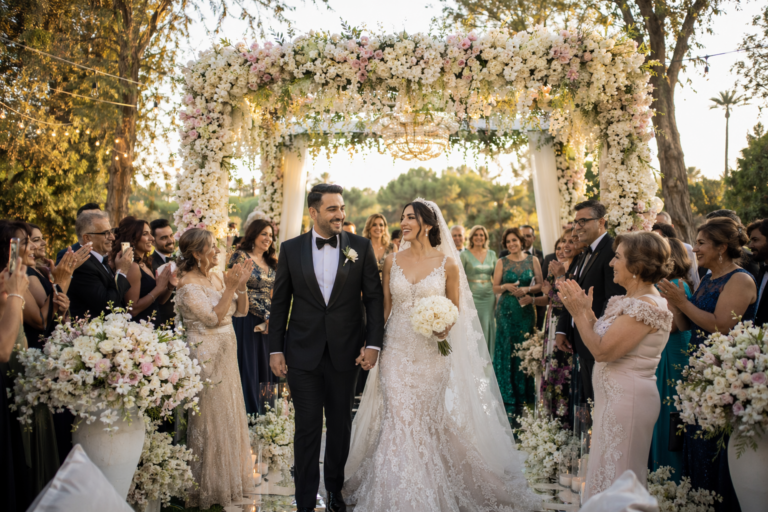
Many modern Iranian brides choose a white dress for their special day. This can look familiar to guests from Australia. Still, the style often shows some cultural touches. You might see detailed embroidery, gold on the dress, or a light veil that brings in an old Persian look. The whole style mixes new beauty with memories from the past.
Most grooms pick a suit, but some wear pieces that come from Persian royalty. These can be things like jackets with stitching or sashes around the waist. The way they dress is to show respect, joy, and that they are ready for a new life with their partner.
Important features may include:
-
A white dress with touches from Iranian culture.
-
Some gold or symbolic items that stand for light, purity, or signs of good times ahead.
-
Groom outfits that show respect and keep things formal.
Clothes might not be the first thing people think about, but they are still one of the main wedding traditions. What you wear on your wedding day shows honour, who you are, and what this new life really means.
Regional Differences in Wedding Fashion
Wedding attire in Iran is not the same everywhere. The provinces of Iran have many different cultures and local ways of doing things. Because of this, the styles can change in colour, decorations, and in how much people wear traditional or modern clothes. This mix is what makes iranian weddings so special.
In some places, the couple and guests like to wear Western-style outfits. In other places, you might see patterns from older styles, gold touches, many layers of fabric, or small details that show where people come from in Iran. Guests often wear clothes that are very fancy and bright at these weddings.
So, how do iranian wedding traditions change from one region to another in the provinces of Iran? You can see this when it comes to what people wear. different cultures bring their own taste to wedding clothes, but all still try to keep the feeling of a good time, beauty, and respect for family. This helps show the many types of wedding traditions in Iran, but inside one shared culture.
Jewellery and Accessories of Symbolic Value
Jewellery in Iranian weddings is not just for looks. It can carry wishes for a happy marriage, more money, and safety. At engagement celebrations, people often give jewellery to the bride. This gift shows the groom’s promise, and that both families say yes to the marriage.
Some things worn or used at these events have a clear link to meaning in the ceremony. For example, gold coins show up on the wedding spread and mean good fortune and feeling safe about the future. You will see mirrors, candles, and veils play a part too. These are displayed or worn in both old and new ways to show love and hope for the couple.
Keeping away bad luck is important as well. Some symbolic items put on the sofreh aghd—like herbs and incense—are there to protect against the evil eye. Because of that, these accessories have an even deeper meaning. Jewellery and all these other little things are not just for show. They help give good thoughts and wishes to the couple at their wedding.
The Persian Wedding Ceremony (Aghd)
The aghd is the main Persian wedding ceremony and one of the best known parts of Iranian weddings. At this time, the couple sits in front of their guests. Important traditions take place and the marriage contract is agreed to, all while the room is filled with meaning.
The centre of this ceremony is the sofreh aghd. It is a spread of symbolic items that sits in front of the couple. Each thing on this table stands for a wish or an important value, like sweetness, having children, staying pure, being wise, and having plenty in life. The next parts will cover the spread, the big moments of the ritual, and how poetry and music are involved in the Persian wedding ceremony.
The Sofreh Aghd – Symbolic Wedding Spread
A sofreh aghd, set up for the wedding ceremony, is the main focus of an Iranian wedding. This wedding spread is not just pretty to look at. The items on it are picked with care, and each one has a special meaning. Family members play a big part by helping create it. This shows how everyone is there for the couple. You will find sugar cones, which stand for sweetness in the couple’s new life. There’s also the mirror of fate. It is put there to show the couple their future together. The sofreh aghd also holds traditional foods, sacred books, and fancy fabrics. All of these things show off Persian culture and the joy that comes with the start of a new life together.
Key Rituals During the Aghd Ceremony
The aghd is known for its special rituals. At the start of the wedding ceremony, the couple sits in front of a spread. The officiant asks both if they agree to marry. The groom answers first. The bride can choose not to speak the first two times, while friends and family make jokes about it. On the third time she is asked, the bride says yes.
One of the key moments happens with sugar cones. Female relatives or married women grind the sugar cones over a piece of cloth held above the couple’s heads. This is done to shower them with sweetness. In some families, this sugar is later mixed into water for the couple to drink.
The marriage contract comes next. The couple signs it, often near a holy book or another text that means a lot to them. Sometimes, the couple may also feed each other honey. All these acts show consent, blessings, sweetness, and how serious they are about sharing a life together.
Poetry, Music, and Their Significance in the Ceremony
Poetry and music play a big part in giving Iranian weddings their meaning. Often, the ceremony includes lines from poets like Rumi or Hafez along with prayers. These words help the couple and their guests feel close to their culture, love, and memories. Many people say it makes the day feel special and deep.
Visual shows mean a lot in these weddings as well. One well-known moment is when the groom looks at his wife’s reflection in the mirror after she lifts her veil. Someone often takes a photo of this. People like this because it shows both the couple’s shared way in life and the joy they get when they first see each other as husband and wife.
Music and spoken art are part of the ceremony too. They often show up as:
-
Poetry that talks about love, lessons, and nice wishes.
-
Music that is traditional and helps set a good mood before or after the formal part.
-
Folk songs that link the day to family, friends, and all those old feelings.
This helps make Iranian weddings warm and full of meaning, with the reflection of his wife and folk songs forming a lovely part of the ceremony.
Festivities at the Persian Wedding Reception
After the ceremony ends, things usually change from a formal mood to a fun and lively party. The wedding reception is where people eat, dance, cheer, and enjoy being with friends and family. It can seem big, friendly, and you really get to connect with others.
A persian wedding party is known for its music, dancing, and cultural acts that bring everyone together. Guests often dance, join in different customs, and give wedding gifts. Up next, we talk more about music and dance, what makes the wedding reception special, and why wedding gifts and favours matter.
Traditional Music and Dance Performances
Music and dance are a big part of the Iranian wedding celebration. Once the ceremony is over, the party often turns into an energetic scene with a mix of Persian pop, classical music, and folk songs. People do not just watch—they jump in and join the fun. This helps the event feel more like a big get-together for everyone, not just a show.
At most weddings, close friends and family members usually step onto the dance floor early. This gets things going for everyone else at the party. The excitement can grow fast, especially when the crowd hears songs they know well. These moments show one of the biggest ways that Iranian wedding traditions truly use music and dancing as a key part of the day.
You might see or hear:
-
Persian pop tracks that keep the wedding celebration fun and lively.
-
Folk songs that show off cultural pride and a strong link to where people come from.
-
Group dancing, where close friends and family members enjoy the moment together.
Cultural Performances Unique to Iranian Weddings
Some cultural performances at an Iranian reception can be both fun and have meaning. One popular example is the Persian knife dance, or raghseh chagoo. In this tradition, people pass the cake knife around and play tricks on the new couple before they get to use the knife to cut the cake.
This part is usually light and has a showy feel. The new couple might have to win over or even playfully pay off the dancer to get the knife back. This is a modern favourite among many Persian communities and brings lots of laughs to the party.
Examples of cultural performances include:
-
The knife dance before cake cutting.
-
Group dances that bring everyone into the fun.
-
Reception traditions that mix good times, symbolic items, and having all the people joining in.
These traditions show that at a persian wedding, music and dance are not side shows. They are a big part of the whole experience for the new couple.
Gift Giving Traditions and Wedding Favours
Wedding gifts are a usual part of Iranian weddings. People expect to see them, and most will bring something. If the couple does not put out a registry, money is fine. Many people give money because it helps the couple as they start their new life. It is a way for family and friends to show they are here to support them.
Close relatives might give things that hold meaning, like items that remind the couple of the family, things for the house, or what can help the couple do well. Sometimes, people give symbolic items around traditions like jahaz baran or when family visit the newlyweds after the wedding. In short, gift-giving can be part of traditions before or after the big day.
Common gift ideas at Iranian weddings include:
-
Money, which is useful and always welcome.
-
Family members giving gifts that the couple can use as they start their life together.
-
Wedding favours or sweets. These often show symbolic items and the happiness everyone shares.
Giving gifts lets people show their love, wish well, and keep up strong family ties.
Food, Drinks, and Sweets Served at Iranian Weddings
Food plays a big part in Iranian weddings. It often stays in the minds of guests long after the day ends. At a wedding ceremony, the meal is not just about filling people up. It is about showing kindness, plenty, and the tastes that have been loved in the families and towns where the people come from.
There can be many kinds of food, sweets, and drinks, from the special spread at the ceremony to the big meal at the party after. In iranian weddings, each dish can mean something, not just taste good. The next parts talk about tasty main dishes, well-known sweets, and drinks that help finish the night the right way.
Popular Traditional Dishes on the Wedding Table
At Iranian weddings, you’ll often see traditional foods like saffron rice, kebabs, and stews called ghormeh sabzi. The dishes are rich in flavour and stand for things like abundance, hospitality, and a sense of celebration. This helps the wedding turn into more than just a simple meal. It becomes a big feast.
On the wedding spread and the ceremonial table, you might spot special foods with meaning, too. One kind is specially baked bread, such as sangak, which can show prosperity. The bread is often served with feta cheese and fresh herbs. People share it with all the guests after the ceremony, to spread the couple’s happiness.
Some of the most common kinds of food at Iranian weddings include:
-
Saffron rice, kebabs, and stews made with herbs.
-
Specially baked bread served at the wedding.
-
Bread with feta cheese and herbs, shared from the wedding spread.
These are the kinds of food most often linked to Iranian weddings.
Classic Iranian Desserts for Celebrations
No Iranian wedding celebration or wedding party feels quite right without sweets on the table. Along with the wedding cake, you will often see many small desserts set out in nice displays. These treats are there because people want the couple’s future to be filled with a sweet life.
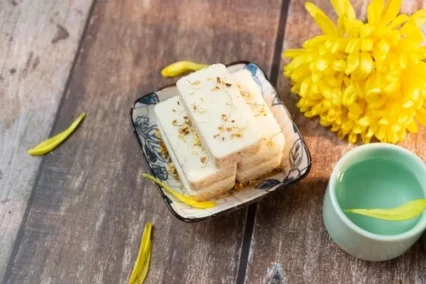
You will find things like baklava, noghl, marzipan-style sweets, chickpea biscuits, and rice flour cookies, like nan-e berenji. Zoolbia and bamieh, which people call light doughnut balls or syrupy fritters, also turn up a lot at weddings. They are well-loved on wedding party tables and at other happy gatherings.
Classic desserts can include:
-
Rice flour cookies, or biscuits made from almond or chickpea.
-
Baklava and sugar-coated almonds.
-
Light doughnut balls like bamieh, plus zoolbia.
All these sweets stand for a sweet life and let guests join in on the good wishes for the couple.
Signature Beverages and Refreshments
Drinks at Iranian weddings are all about making people feel welcome. Tea is always there, and sharbat, which is a sweet and cool drink, is often given out on the wedding day and at the wedding party. These drinks help guests handle the rich foods and stay fresh while the party goes on for a long time.
Things like rose water and cardamom are sometimes added to drinks, giving them a lovely Persian taste. You might see pistachios and dried rose petals used as a topping, which makes the drinks look nice but not too fancy. The little things like this are a big part of the cultural feel at iranian weddings.
Signature drinks might be:
-
Tea, served during the whole wedding party.
-
Sharbat, a sweet drink that helps cool you down.
-
Drinks with rose water and cardamom, given to honour the new couple and everyone there.
All together, these drinks make the wedding day about warmth and sharing.
Modern Influences and Regional Variations
Iranian wedding traditions still play a big part in people’s lives, but they don’t always stay the same. In modern times, many couples change these wedding traditions. They do this to fit in with their religion, where they live, what they like, and what their families want. This helps keep the old ways alive and makes them work for the new world.
Across the provinces of Iran, and for people who live outside the country, each place does things a bit differently. Some wedding traditions are big and follow the old ways. Others are smaller or mix in ideas from other places. In the next two sections, we look at how things are in cities and in the countryside, and talk about how these wedding traditions keep changing over time.
Urban vs Rural Wedding Customs in Iran
Yes, there can be differences between urban and rural Persian wedding customs, though the core values often remain similar. In urban settings, weddings may be more condensed, more personalised, and more influenced by global event styles. In rural areas, customs may feel more communal and tied to older local practices.
That does not mean one is more authentic than the other. Across the Middle East, and especially in Iran, different cultures maintain tradition in different ways. The biggest differences often relate to scale, style, and how strongly local customs shape the event.
|
Setting |
Common Features |
|---|---|
|
Urban |
Shorter timelines, modern styling, fusion elements, flexible ceremony formats |
|
Rural |
Stronger local customs, broader community presence, more visibly traditional wedding customs |
|
Shared in both |
Family involvement, symbolic rituals, celebration, and hospitality |
How Iranian Wedding Traditions are Evolving
These days, Iranian couples pick the wedding traditions that matter the most to them. Some choose to follow all the old customs. Others care more about the cultural parts and leave out religious parts. This has become usual for people living outside Iran and at fusion weddings.
Persian wedding traditions have changed over time but still keep their essence. Couples might take a multi-day event and make it only one day. They might mix Western outfits with strong Persian touches, or have a ceremony that feels more modern and less about religion. No matter these changes, family members are almost always a big part of it. The wedding party also stays at the heart of the celebration.
Weddings now are shaped in a few new ways:
-
The new couple has more say in which parts and rituals they want to keep.
-
There is more of a blend between Persian style and Western ideas.
-
The events are shorter, fitting today’s busy life but still keeping what is important.
There is a strong balance between change and keeping old ways. This is a big reason why Persian wedding traditions are still loved and last through time.
Conclusion
In the end, learning about Iranian wedding traditions helps you see the many parts that make these weddings so special. From how these weddings started, to the main steps followed, to the way family is involved and the great food served, everything shows what is special to this group of people. These wedding traditions don’t just show love and being together, but they also show how much family and tradition matter in Iranian life. Now, as Australian couples look to wedding traditions from different cultures, using some of the ideas from Iranian wedding traditions can give more heart and meaning to their day. If you’re thinking about using any of these ideas for your wedding, feel free to get in touch for some help!
Frequently Asked Questions
What makes Persian weddings unique compared to Western ceremonies?
A persian wedding is special because the wedding ceremony has a lot of symbolic items, especially with the sofreh aghd. Close relatives often get involved and play a big role. There is a mix of family tradition, poetry, music, and a very social wedding party mood. It’s not just about the couple, but about everyone being together.
How is the Sofreh Aghd decorated and what does it symbolise?
The sofreh aghd is a wedding spread. It is set out with things that each have meaning. You will see a mirror, candles, honey, bread, fruit, nuts, coins, and a special book. People also use sugar cones on the wedding day. They rub the sugar cones over the couple for a sweetness ritual. All these symbolic items on the sofreh aghd stand for blessing, lots of good things, wisdom, and harmony.
Are there major differences between northern and southern Iranian wedding customs?
The information put together shows that customs are not the same in every place in Iran. This does not go into the ways people in the north or south do things, but you can see differences in local dress, music, and how people celebrate at a persian wedding. But when you look at the wedding ceremony and the wedding party, you notice people stick to values that matter to all. This is true even though there are many wedding traditions in the provinces of Iran and in different cultures.