Key Highlights
-
Indonesian wedding traditions show just how rich Indonesian culture is. You see lots of different customs, since there are so many ethnic groups in Indonesia.
-
A wedding ceremony in Indonesia often starts with pre-wedding steps like lamaran, seserahan, siraman, and Midodareni.
-
Javanese weddings can be very different from Balinese weddings or those in Sumatra. Wedding customs change a lot from one area to the next.
-
Family members and elders are at the heart of both the wedding ceremony and the wedding reception. They help guide a lot of what goes on.
-
Many wedding celebrations are big and formal. These events are tied to things like social standing, wedding traditions, and blessings.
-
Some modern couples mix in their own region’s wedding customs with Australian style and new ideas when they plan their Indonesian wedding.
Introduction
Indonesian wedding traditions are big on colour, meaning, and family. For Australians, they can seem both fun and new. This is because Indonesian culture has a lot of different ways people celebrate, and these come from many groups and ideas. Some wedding celebrations feel small and close. Others be large parties with long steps, fancy clothes, music, and lots of food. If you will go to, help at, or want to learn about an indonesian wedding, it’s good to know what’s behind each moment before looking at the main parts of the wedding.
Wedding Traditions in Indonesia: Culture and Customs for Australians
An Indonesian wedding is the time when family fills a big role. People show their faith, but also what it means to belong to their local group. There, the wedding ceremony is all about wedding traditions. Most times, there will be a gift swap, cleaning rituals, prayers or blessings, special clothes, and set ways to run the event. It can all lead to a huge party that brings together many people.
The look and feel of an Indonesian wedding can change. That is because wedding customs are not the same for everyone. There are different traditions for each of the ethnic groups, like the Javanese, Balinese, Batak, Sundanese, Toraja, and Minangkabau. These different ways make the Indonesian wedding stand out. If you want to know what it is all about, you should learn why people get married in the first place.
1. The Significance of Marriage in Indonesian Culture
In Indonesian culture, people see getting married as one of life’s biggest steps. This is more than just two people joining together. It brings their families, old wedding customs, and everyone’s wishes into the one day, giving the event true meaning in their community.
That is why a lot of weddings are called big and detailed. The marriage ceremony is not just for the couple. It can show the family’s social standing and how much they want to do things right. At these events in big cities, there will be large places, stage decorations, many guests, and a wide choice of food.
People in Indonesia also think that when you have a bigger celebration, you might get more blessings. The parents of the bride and the groom usually have a big say in the wedding too. Many parents feel that making the wedding large means you respect, care for, and show commitment to family. The wedding customs in these events are important, and a lot of this thinking shapes how people act, even before the wedding day starts.
2. Pre-Wedding Customs: Lamaran (Proposal Ceremony)
Before most traditional Indonesian weddings, the couple starts with lamaran. This is a formal proposal between families. It is not a public party, but shows real plans about getting married.
At this point, the wedding couple always brings in the immediate family. It is very important for them to get the permission of their parents. The meeting means both families can talk about the wedding in a nice way. Lamaran is different from the wedding ceremony. It is quieter and sticks to family talks rather than a big show.
To a lot of Australians, lamaran is closer to a special engagement visit than a wedding day. The feeling is more private, not about fancy displays. A traditional Indonesian wedding and wedding ceremony will often have some ritual clothes, a big walk for all to see, and a big meal or party. Lamaran, however, is more about what both families want, their say, and making sure everyone will work together for the wedding.
3. Seserahan: Traditional Gift Exchange
Seserahan is one of the main parts of an Indonesian wedding, especially if you go to a Javanese one. It is when family members from both sides give various gifts to each other. This shows care, that they are ready, and that there is goodwill between families.
These gifts are often made to look nice and brought by family members before the main part of the ceremony. The sets of parents play a big role too, as this ritual means the two families join together, not just the couple. In some weddings, the gifts can be seen in red baskets or in other decorated containers to give a formal feel.
Common things given in seserahan are:
-
gold jewelry or other jewellery
-
clothing, fruit, and sweets
-
personal belongings for the bride or the groom
When guests are there, they can see this wedding custom as a way to show both the meaning behind things and the use of practical items together in an Indonesian wedding.
4. Siraman: Purification Ritual Before the Wedding
Siraman is a special ritual you’ll find in many Indonesian wedding traditions. This happens before the marriage ceremony. The bride and groom are washed with water that has flowers, herbs, or spices in it. This is done to help them feel clean and ready for their wedding day.
The mood during siraman is gentle and often full of emotion. Family elders will take a water jug and pour water over the couple. Then there’s a showering of flowers. This shows that they are letting go of the past and starting a new part of life together.
Many Australians notice siraman as one of the wedding traditions that makes an Indonesian wedding different. It stands out because every step means something. Siraman is not there just to look nice. It is about renewal, getting pure, and giving a blessing from family before the marriage ceremony starts. The showering of flowers and use of the water jug is very important. It marks a good start for the bride and groom on their wedding day.
5. Midodareni Night: Blessings for the Bride
Midodareni is a special night that happens right before the wedding. It mainly focuses on the bride. It is a quiet and close moment in the celebration. At this time, blessings are given, and the bride stays near her home and with family members.
This part is mostly about the bride’s family and close family members. It does not have a big guest list. The feeling of the night is calm. It helps the bride get ready for marriage and is an important step as she moves from being a daughter to being a wife. Sometimes, personal belongings are sorted or made ready as she begins her new life.
This night is special because of its gentle and caring feeling. People might think of big reception halls or parties when they hear “wedding.” But in Indonesia, there are also quiet moments with family. Midodareni is the part that shows family closeness, blessings, and prayer are just as important as the big, public parts of the day.
6. The Wedding Attire: Regional Styles and Symbolism
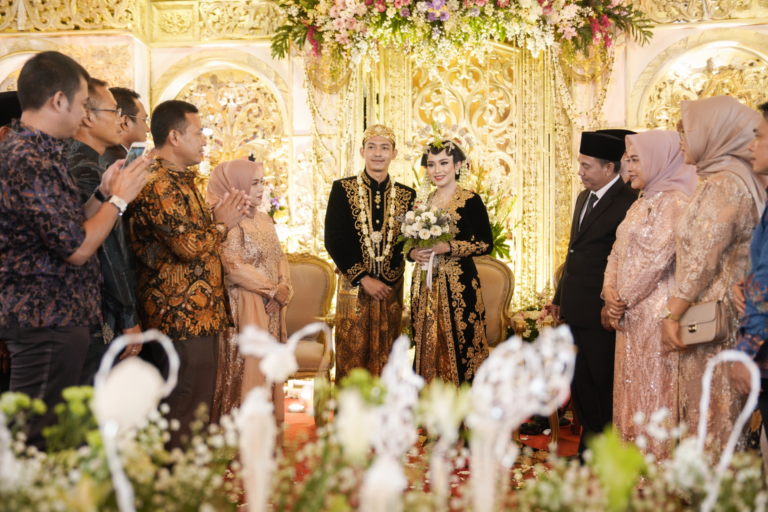
Traditional wedding attire is a big part of Indonesian wedding celebrations. Every place in Indonesia has a look that is special to them. The colours, fabrics, and things worn with the clothing show off the local way of life. People in Java might wear batik, while Balinese couples might wear kebaya styles. The clothing is more than just clothes—it shows who you are.
At many weddings, people use what they wear to show their status and the reason for the event. Gold attire and gold jewelry are often picked to give a more fancy look and to mean something special. Some couples now also like to wear a western wedding dress. This is usually done for the wedding reception or during the photo session.
You might see something like:
-
regional dress for the marriage ceremony
-
a western wedding dress for the wedding reception
-
traditional accessories with a modern touch
This is how today’s Indonesian weddings keep older ways while also being new and what couples want now.
7. Main Wedding Ceremony: Rituals and Sequence
The main wedding ceremony is often seen as the centre of the wedding day. By this time, the earlier steps have helped get the couple and both families ready. After that, the day goes forward with the legal, religious, and social part of saying a marriage is official.
The order of the day can change, but most weddings start with some pre-wedding rites. These come before the main wedding ceremony and then the wedding reception. In some customs, the bride’s parents have a big role. They may welcome everyone, give blessings, or present the bride before the couple moves on with the marriage ceremony.
For Australians who go to these weddings, the day can feel a bit long because an Indonesian wedding often has a lot of different parts, not just one short service. This longer set of parts is meant to be enjoyed. Each bit adds something, and the whole wedding tells a story of family help, being there for each other, and coming together in front of everyone.
8. Sungkeman: Honouring Parents and Elders
Sungkeman is an important part of many Javanese weddings. At this time, the couple will kneel or bow to the parents of the bride and the parents of the groom. They do this to ask for blessing, say sorry for any mistakes, and look for help to start their new life together.
What is most important in sungkeman is the act itself. The couple shows deep respect. It lets everyone see that they do not enter marriage without showing thanks to all who helped raise and guide them along the way.
Here, the real symbol is not just an item on display. It is found in what the couple does and how they act. The body language, words, and feelings all show how much this moment means. Many people say that sungkeman stands out in Indonesian wedding ceremonies. It feels honest, formal, and truly tied to the big family values that play a part in every part of life.
9. Panggih: The Bride and Groom’s First Meeting
Panggih is the first big meeting for the wedding couple in Javanese tradition. Even if they know each other well already, this part of the wedding celebrations helps show that this meeting means a lot. It makes things feel more serious and special.
This usually happens after all the earlier things are set up, and it comes before or during the main part of the ceremony. The groom walks in a certain way, and sometimes he comes with a procession of ladies or helpers. He makes his way to the front of the bride. The whole thing looks formal, not like a normal get-together.
For the people who come to see, panggih shows the usual steps you will see in a Javanese tradition. It’s more than someone just turning up. This is the couple moving from each of their families into a new life together. That is why this moment stands out for the wedding couple, and it gives them and their families something to remember, before they go on with the rest of the celebration.
10. Tying the Knot: Religious and Legal Aspects
An Indonesian wedding is more than just about culture. It also has religious parts and legal steps. The marriage ceremony is seen both as a ritual and as something official. This makes the day feel well planned.
For many couples, the religious ceremony is the most important part. It is when they show their bond in front of their family and all the people. Civil registration is needed to make the marriage real in the system. This is important even when customs are not the same in every group.
Having all these things together makes an Indonesian wedding stand out. For most couples, family tradition, faith, and legal steps happen on the same day. If you are from Australia, the day may feel like more than just one event. Each step has its own meaning and weight.
indonesian wedding, marriage ceremony, civil registration
11. Unique Wedding Traditions from Java, Bali, and Sumatra
Indonesia has many ethnic groups. Every group has its own way of holding weddings. This is why wedding customs in Indonesia are not the same everywhere. Javanese weddings, Balinese weddings, and weddings in west Sumatra all show different traditions, different styles, and different things that matter most to people.
In Java, you will see things like seserahan, siraman, sungkeman, and panggih at the wedding. In Bali, there is a lot to look at, with colourful scenes, lots of dances, and giving offerings. Over in west Sumatra, you will see local customs. Many people there are from the Minangkabau group, so that gives their weddings a special style. This all means that wedding customs in Indonesia can look and feel very different depending on where you go.
A lot of people in Australia want to know if there is one way to hold an Indonesian wedding. The truth is there is not just one way. Some customs most people know, but the details change with the place, family, and cultural backstory. The next part will show you more about these different traditions in each place.
12. Balinese Wedding Offerings and Ceremonial Dances
Balinese weddings stand out for the way they look and the feel of the ceremony. There are many bright colours and music. One of the big parts of Balinese weddings is the offerings and the dances. Both bring the special and joyful mood to the day.
In a typical wedding reception in Bali, people make offerings by hand. These show their deep respect and hope for good things to come. Dance is also big here. The Legong dance is one that many people watch. You see dancers move in a soft way, and there is traditional music. All these things show the heart of the culture and help everyone get into the spirit of things.
People in other places of Indonesia might do things a bit different. But, there are two things the same in most weddings – using symbols and putting on performances. These are not just for show. They help show that this is both a serious and a happy time. Balinese weddings make it clear that you can have both a spiritual feeling and a good celebration, all at once.
13. Batak Ulos Cloth and Mandok Hata Blessings
In north Sumatra, Batak culture has its own strong way of doing wedding celebrations. One of the best-known features is ulos cloth. This is a traditional piece of clothing that holds deep meaning in family life and at any ceremony.
At a wedding, ulos cloth stands for blessing, protection, and a link between generations. Another important thing is mandok hata. This is a type of spoken blessing or special words given during the ceremony. All these traditions show that an indonesian wedding often uses both items and words to share family support.
Batak ways also include showing respect to elders. Two things people might do are touching feet and asking for blessing. These things matter a lot. For Australians, knowing this can help. These steps show how much meaning the people in north sumatra put into cloth, words, and how families act with each other, and it’s not just about making a big show.
14. Sundanese Ngaras and Saweran Rituals
In West Java, you will find that Sundanese tradition brings its own style to wedding customs in Indonesia. Two famous examples are ngaras and saweran. Both show the way local identity shapes the wedding.
Ngaras is about showing deep respect to parents. Saweran is when people throw or give small things to share blessings and hope. These ways can look different from Javanese or Balinese wedding ceremonies, but they still have the same values. You see thanks, wishes for good times, and a focus on family in all of them.
This is a big thing for Australians who want to compare ethnic groups in Indonesia. The looks of the wedding customs might change from one place to another, but the main idea is the same. Weddings are always about showing respect, joining two families, and building fresh hope for the future in the language and way of the people there.
15. Importance of Family and Community Participation
One reason Indonesian weddings stand out is because there are so many family members and close friends who join in. The day is not just for the bride and groom. Family, neighbours, and friends all get involved and play a big part in the event.
This way of having lots of people involved makes the whole day bigger and feel different. There may be many family members in the wedding party, and sometimes there are hundreds or thousands of guests. Because there are so many people, these gatherings feel like a big deal for everyone, not just something private between two people.
You may see:
-
family members helping with traditions and formal bits
-
close friends taking part in the walk-ins, dances, or helping out
-
people from the area coming together to witness and celebrate
For many Australians, having this much group involvement makes Indonesian weddings very different from the smaller wedding styles you might know.
16. Traditional Wedding Feasts and Signature Indonesian Dishes
Food is a big part of the Indonesian wedding. Large receptions give people much to eat, and the food really shows the hosts’ kindness, respect, and joy for the day. People often remember the meals as much as the whole ceremony.
Some foods mean something special. Yellow rice is very important and often means a big day with lots of good things. The wedding cake also comes, especially at new-style parties, and this shows how different things can be at one wedding but still keep their meaning.
You’ll usually see these at an Indonesian wedding:
-
yellow rice in the middle for the big moment
-
a wedding cake as a new twist for these events
-
big tables full of all kinds of tasty and sweet foods
If you are from Australia and are invited, the feast is more than just sharing food. It is one way people show their blessings, their place, and their happiness together.
17. Music, Dance, and Entertainment at Indonesian Receptions
The wedding reception in Indonesia is known for being lively. There is a lot of energy in the room. You will see music, dance, and other entertainment that makes the formal part feel like a big celebration. At big events, it can feel more like a show or party rather than just sitting down for food.
In many places, you will see traditional acts. Some dances are there to have people remember their roots, and music from the area helps set the mood. These days, many receptions also play popular songs, decorate the stage a lot, and go for a polished, modern look.
The mix of old and new is very clear to see. The couple can have cultural entertainment and still keep a modern wedding reception style. Australians will often think the set-up feels common or like home. However, it stands out because of the sounds, dance, and meaning that are very Indonesian.
18. Modern Influences on Indonesian Weddings
Modern Indonesian wedding celebrations bring together old ways and new trends. The couple will often go with their family’s old rituals, but show them in a more current way that fits city life and changing styles.
One example is how the western wedding dress sits with old-style clothing. Another is when people use a professional photo studio or do a planned photo session to save the day in a smart new look. The new things do not take away from the old ones. They add more to it all.
This shows how different cultures have been met, while the local side still stands out. A wedding can mix in the old rites, follow family roles, have a bit of shine, and use new photo styles, all in the one day. For Australians, this means an Indonesian wedding can seem rooted and open to change, but not lose what makes it its own.
[Keywords: indonesian wedding, wedding celebrations, different cultures, western wedding dress, professional photo studio, adaptation of western wedding dress, photo session]
19. Blending Tradition with Contemporary Australian Elements
For an Australian couple or guest, it can be good to mix Indonesian wedding traditions with what people like here, as long as it’s done in a kind way. The big idea is not to take away too much from the customs, but to know what parts really mean a lot to the family.
Some wedding celebrations might keep the usual Indonesian wedding traditions at heart, but can change things like where it’s held, the time, or how it looks. This helps different cultures fit together. It makes sure one isn’t bigger or stronger than the other.
You can find a middle ground by having everyone wear the traditional dress in one part, then move to a more well-known party style later. Australians often like it when the use or meaning behind each part is shared with them. This way, the day holds onto the culture but is still welcoming and simple to enjoy for all who come.
[Keywords: wedding traditions, indonesian wedding, wedding celebrations, indonesian wedding traditions, different cultures]
20. Intercultural Marriages: Navigating Mixed Customs
An intercultural marriage can open up a whole lot of exciting possibilities. But there is also the need for good and clear communication. When you have someone from Indonesia and someone from Australia, different customs might change things. These can include what people wear, how many guests to have, how the ceremony goes, and what part the family plays.
The best thing to do first is find out which parts of the marriage ceremony matter the most for both sides. In many Indonesian families, the marriage ceremony is not just something personal. It is also important for the wider family. That is why choices like timing, the meaning of symbols, and who takes part need to be handled with deep respect.
A mixed wedding will work better when both people explain their traditions, so things are not just guessed. Some couples pick one main cultural style, while others mix in different customs from both. What really counts is having clarity, being polite, and showing a shared respect for all the people there—not just sticking to the plan.
Key Symbols and Meanings in Indonesian Wedding Rituals
Many Indonesian wedding rituals use important symbols instead of words. Things like flowers, water, cloth, food, and certain actions all say something about blessing, being pure, good luck, respect, and family togetherness. These touches help make the wedding ceremony special and easy to remember.
For the wedding couple, these symbols are not just decorations. The symbols show everyone that they are moving forward and starting their married life. When you look at some well-known examples, it can help Australians understand these parts of an Indonesian wedding a lot more.
Jasmine Flowers: Purity and Blessings
Jasmine flowers are seen a lot in many Indonesian wedding events. They have a strong link with purity and blessing. The way they smell and their soft look make them perfect for parts of the wedding that are about getting ready, looking good, and having hope.
At a time called siraman, which is a cleaning ritual, people mix the flowers with water that is used to wash the bride and groom. This shows how important jasmine flowers are before the big day. The flowers stand for cleaning, starting fresh, and having a calm feeling before starting a life together.
Jasmine can also be seen as a protective symbol during the whole event. Guests may not be told what it means, but you can see what it is saying by how it looks at the wedding. Jasmine lets people see that nature’s things are used to share values in Indonesian wedding customs.
Coconut Water: Unity and New Beginnings
Water is already important in the symbols found at an Indonesian wedding day, especially when it comes to things like washing or cleansing. Coconut water also makes sense in that bigger picture, because people link it to things like being fresh, to life, and to moments of change. On the wedding day, it often stands for starting new.
This meaning is about being simple. It isn’t like jewellery or fancy clothes. Instead, coconut water points to what we really need, and to sharing day-to-day life with someone. That’s why it suits the idea of coming together as one. Marriage, after all, is about working on a future together, from small things up.
For people in Australia, this tells us that not every wedding day symbol must be costly or fancy. In the indonesian wedding tradition, everyday things from nature mean a lot. Coconut water can show a fresh, hopeful start, a joined goal, and the beginning of something new.
Rice and Money Showers: Prosperity and Fortune
Rice and money showers are found in some Indonesian wedding customs. They stand for good fortune and bring hope for a happy life. These acts may be simple, but the message is clear. People want the couple to have plenty, get support, and have a safe future together.
At weddings, rice is a symbol of food and keeping things going. Money showers also bring the idea of getting good fortune and help for the new couple. These two things together show how giving gifts has meaning. They connect daily needs with big hopes for the future.
These things are important because they mean:
-
rice is about having enough to eat and getting ongoing good fortune
-
money showers show that support and good luck will be there
-
public blessing says that everyone wishes the couple well for the future
For guests, these traditions really show how wedding customs in Indonesia use everyday things to show care and high hopes for a new start.
Differences in Wedding Traditions Across Major Indonesian Ethnic Groups
There are many ethnic groups in Indonesia and they shape wedding traditions in their own ways. While themes like family blessing, gifts with meaning, and a formal event can be seen in many places, the way people do these things is not the same everywhere. It can be very different from one part of the country to the other.
Javanese weddings often give a lot of time to the right order and quiet customs. Balinese weddings stand out because of the things they offer and the way they act out their ceremonies. In Sumatra, Batak and Minangkabau people use their own family signs and spoken blessings.
When you look at wedding traditions for each place, you can see how wedding customs change from area to area. This can help Australian readers understand all the different ways people in Indonesia get married.
Javanese Wedding Highlights
Javanese weddings are among the most structured in Indonesia. In central Java and nearby regions, the ceremony often includes a sequence of linked rituals, each with its own emotional and symbolic role. This gives the marriage ceremony a strong sense of order.
Common Javanese tradition elements include seserahan, siraman, Midodareni, sungkeman, and panggih. There may also be customs such as comparing birthdates through Primbon, or public processions like kirab pengantin in Yogyakarta. In Solo, the pengantin solo tradition adds anticipation by keeping the couple apart before the ceremony.
Here is a simple comparison table:
|
Javanese weddings element |
Meaning or function |
|---|---|
|
Siraman |
Purification before marriage |
|
Midodareni |
Blessings and preparation for the bride |
|
Sungkeman |
Respect to parents and elders |
|
Panggih |
Formal first meeting of the couple |
|
Seserahan |
Gift exchange between families |
Balinese Wedding Distinctions
Balinese weddings are well known for how beautiful and special the whole wedding ceremony looks. You will find lots of colour, big performances, and that strong temple feeling. When you compare them with Javanese weddings, Balinese weddings are brighter and have lots of visual offerings. The place almost feels like a temple, and you see a lot of dance.
The way people dance during the wedding day is the main difference here. In Bali, you see more dancing than at weddings in many other places. These dances make the whole event feel serious but also bring out a party mood at the same time. What people wear and how every little detail is decorated turns Balinese weddings into a very bold and open moment.
What sets the two apart most is where they put the focus. In Javanese weddings, the ceremony is usually more about sticking to the right order and showing care through family gestures. But at Balinese weddings, it is all about the special offerings, the body movements, and how everything looks. Australians might think they know about Balinese weddings because lots of us go to Bali. Still, it’s good to take in what the wedding ceremony in Bali really means and not miss what makes it special.
Sumatra and Batak Cultural Nuances
Wedding traditions in Sumatra are not all the same. North Sumatra and west Sumatra each have different identities. This shows just how many ways there are to celebrate in Indonesia.
In Batak culture, which you see in north Sumatra, there are some special rituals. They use ulos cloth. Elders give spoken blessings. People show respect to those older than them. Bridesmaids might also do the Tarian Piso Surit dance at the reception. The way they do things is about family and the people around them.
A minangkabau wedding in west Sumatra has its own way of doing things. You can’t say that all weddings here are the same as in Batak culture. So, for Australians, here’s what to know: Sumatra does not have just one style when it comes to weddings. It helps to know the right regional name. Every group in this area has its own key symbols and things they expect, and these matter a lot.
[wedding traditions,north sumatra,west sumatra,minangkabau wedding]
Planning an Indonesian Wedding from Australia
Planning an Indonesian wedding from Australia is about more than just choosing the place and the food for your wedding reception. You should know about the family’s wishes, the way rituals work, and any local customs that help make the day special from the start.
If you are an Australian couple, it helps to start with some questions. What parts of the indonesian wedding do you need to keep? How fancy do you want your wedding reception to be? Who is in charge of what? Once you know these things, you can make the day both respectful and easy to manage. It will feel right for everyone.
How to Respect Local Customs as an Australian Guest
If you are an Australian guest at an Indonesian wedding, the best thing to do is watch first and follow what the family does. Local customs could be a bit more formal than in Australia, especially when it comes to the elders and during some parts of the ceremony.
It is good to ask some friendly questions before the wedding celebrations, so you know what is expected. Check if there are special greetings, seating plans, or clothes that you should wear. Showing deep respect is more important than getting everything just right. Families often notice when people are making a good effort and paying close attention in a calm way.
A few helpful things to remember:
-
dress neatly, and try not to stand out for the wrong reasons
-
watch the wedding party and close family, then do as they do
-
treat special moments with quiet attention and respect
Joining in the right way at an indonesian wedding is not really about being an expert. It is more about being there, being patient, and trying to show deep respect for their local customs.
Understanding Dress Codes and Gift Giving
Dress codes at Indonesian weddings can feel more formal than what many people from Australia are used to. The wedding traditions in Indonesia put a lot of value on how people present themselves. So, it is a good idea to check what you should wear to the ceremony and reception before you go.
You might see the wedding party in traditional clothing. As a guest, you should aim to look neat and respectful. If the family lets you know about a colour theme or would like a certain type of dress, do your best to follow that. This shows that you understand their wedding traditions and respect what is important to them.
Giving gifts is important as well. Since the wedding traditions could already include set ways to give, you should pick gifts that are thoughtful and show some care. Don’t go for something too flashy. If you are unsure what is right, it helps to ask someone close to the couple about what people usually do. It is often good to bring a small and respectful gift instead of going all out.
Choosing Between a Traditional or Modern Celebration
Choosing between a traditional Indonesian wedding and a modern wedding does not have to be one or the other. Many couples mix things up. They keep the wedding traditions and customs that mean the most, but they also change how things look and feel to suit what people like now and what works best today.
A traditional Indonesian wedding has a lot in it. There can be pre-wedding customs, special clothes from different regions, and a longer ceremony. Western weddings are not as long. They often focus less on family and more on the couple. If you or your family have connections in Australia, this can make you think about what day works best, where you should have the wedding, and what your guests might want or expect.
For a lot of people, the best way is to use both styles. You can stick with important Indonesian wedding traditions like getting family blessings or doing a gift exchange. Then, you can go with a more modern look for everything else, or make the reception feel simple and easy. This way, you keep what’s important in indonesian wedding traditions, but the wedding is also clear, easy, and fun for everyone, whether they know western weddings or traditional Indonesian wedding styles.
Conclusion
In the end, wedding traditions in Indonesia are full of meaning. When you go to an Indonesian wedding or plan one, you see how much the people value family, community, and their beliefs. For Australians, this is a good way to celebrate love with colour and respect. From the Lamaran proposal to the big feasts, every part of an Indonesian wedding shows how important other people are. If you take part in these customs, it will make your day special and show your respect for their beautiful culture. Interested to learn more about Indonesian wedding traditions and want help with the day? Get in touch with us for a free chat. Enjoy this great journey and make memories that last!
Frequently Asked Questions
What are some must-see rituals in an Indonesian wedding?
Some of the most memorable parts of an Indonesian wedding are in the traditions. In Javanese weddings, people often remember siraman, seserahan, sungkeman, and panggih. In Balinese weddings, you see a lot of offerings and also special ceremonial dances. All of these moments add real meaning and feeling to the wedding ceremony. That is what makes Javanese weddings and Balinese weddings stand out. These wedding traditions are important to the guests and help make indonesian wedding traditions special.
How can Australians participate respectfully in Indonesian wedding traditions?
An Australian guest needs to follow local customs at wedding celebrations. Dress in a way that is respectful. Watch what the wedding party or close family are doing and take cues from them. When the wedding is shaped by different cultures, paying quiet attention helps a lot. It is fine to ask polite questions. It is more important to show respect than to know every detail before the day.
What is the typical order of events in a traditional Indonesian wedding?
A typical order of events often begins with pre-wedding steps like lamaran, seserahan, or siraman. After these, it’s time for the wedding day and the marriage ceremony. Once they get through the ceremony, the wedding reception comes next. The bride’s family and the wedding couple might also join in for more blessings or a formal get-together, based on what their custom is.