Key Highlights
-
An indian wedding is made up of a few events, not just one wedding ceremony.
-
Many wedding rituals start before the wedding day, like the haldi ceremony, mehndi ceremony, and sangeet.
-
A hindu wedding often is about the sacred fire, some vows, and steps the couple take to show their bond.
-
Family traditions help set the mood, flow, and meaning for each celebration.
-
Wedding guests will see lots of colour, music, and will be part of the day with a bit of etiquette as well.
-
Customs change with each region, community, and family, so every indian wedding looks a bit different.
Introduction
An indian wedding is full of joy and meaning right from the start to the end. If you are in Australia, these indian wedding traditions can look detailed at first. But once you know what each wedding ceremony stands for, it will get much clearer. There are colourful events before the wedding day starts. The wedding day itself is also packed with meaning. Each part of the ceremony has real emotional and cultural worth. This guide will help you understand the indian wedding, so you can see why it matters to the newly married couple and their families.
Understanding Indian Wedding Traditions for Australians
For Australians going to their first indian wedding, these events can feel a lot bigger and longer than they guess. This is because indian traditions often have a number of celebrations. Each event has its own wedding customs. There is a set time for everything, and each family member will have a role.
In many indian wedding ceremonies, the main things to see are blessings, acts with meaning, and strong family traditions. You will see the bride’s family say hello to the groom’s family. There are shared meals, music, and different rituals that go on for days. To truly take in this indian wedding, it helps to learn about the meaning, what makes each event different, and the special things that stand out.
The Importance of Weddings in Indian Culture
An indian wedding is not just one event. It is a big rite of passage that joins two people and brings their families together too. That is why these celebrations can go for a few days and have many special moments linked together.
The wedding rituals show commitment, respect, blessings, and acceptance. Family members do not just sit and watch. They join in with every part. They welcome, give gifts, bless the couple, sing, dance, and help the couple at every stage. This is why there is such a strong shared feeling at the wedding.
Many indian weddings follow certain traditions. These include pre-wedding events, the groom’s arrival, the garland exchange, vows around the sacred fire, and emotional farewell moments. Each wedding ritual adds deep meaning and cultural value. This is what makes an indian wedding feel very important.
How Indian Wedding Traditions Differ from Australian Customs
For many Australians, what stands out most is how big an indian wedding can be. Indian wedding traditions do not just have one ceremony and one reception. There can be many celebrations and events. Your wedding day might start early, finish late, and even move from place to place, so you could be at more than one wedding venue.
Another big thing is what people wear and how much colour is used. An indian bride will wear bright rich colours, lots of jewellery, and special clothing for the day. Guests also need to dress well. It is not just about looking nice. The colours and outfits matter. Some colours will not be right for some events. There are many indian wedding traditions where you change your clothes for each part.
If you are a guest, get ready for music, group traditions, rituals, and to join in more than you might at a typical Australian wedding day. There are tricks that change between North and South Indian traditions, and what each family or community does can shift too. The format might be different, but the key meaning behind the indian wedding is always there.
Key Elements That Make Indian Weddings Unique
What makes Indian weddings stand out is how meaning, fun, and family all come together. The wedding planner can help with running the show. But the real spirit is in the customs, which have meaning and invite everyone to join in.
A lot of important rituals in a Hindu wedding are simple to spot once you know them. They often have acts around the sacred fire and give clear signs for what is to come. There are things you can see, moments where people show they accept each other, get blessings, and start their married life.
-
The sacred fire sits at the heart of the main ceremony and is a witness to the couple’s vows.
-
People swap floral garlands to show they accept each other.
-
The mehndi ceremony brings fun and colour before the wedding day.
-
There is music and dancing, and these help the family get close during all the events.
-
The end of the ceremony soon brings emotional farewell and welcome moments.
Regional Diversity in Indian Wedding Traditions
Indian wedding traditions come from many different regions, so they can look very different. The main goal of a wedding ceremony is the same, but the steps, clothes, and meaning of each part of the day can change, depending on where you are or which group you belong to.
Indian wedding customs do shift based on location and community. The ways of North, South, East, and West India all focus on unique rituals, special symbols, different entrances, and what each family chooses to highlight. If you live in Australia, knowing about these big patterns can help you see why every indian wedding will be unique, and you can’t explain all of them with just one idea.
North Indian Wedding Rituals and Customs
A North Indian wedding is all about big celebrations, lots of colour, and excitement. One part many people talk about is the grand entrance of the groom. He might arrive on a decorated horse and his family dances around him. There is loud music, and the energy is high. This grand entrance helps make the event feel special right from the start.
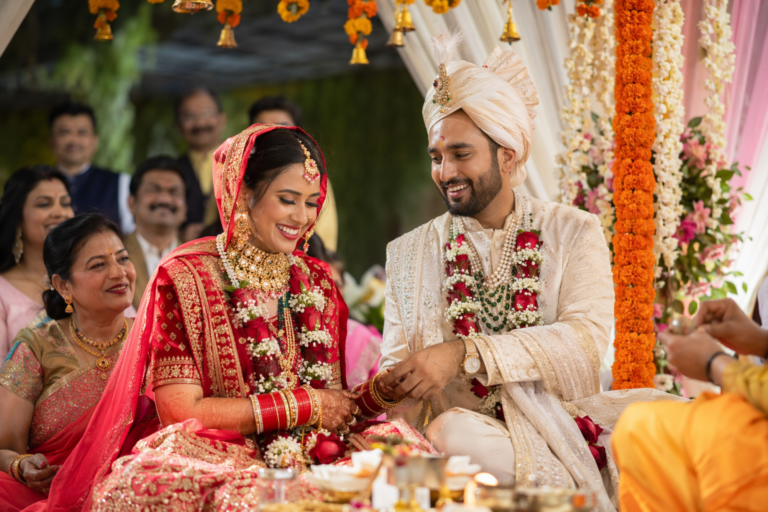
Not long after, the couple take part in the jai mala. This is when they put flower garlands on each other. It stands for accepting one another. Many people like to take photos of this moment. When the groom’s side gets to the venue, their families also often carry out some welcome rituals.
A key part of a North Indian wedding are the vows near the sacred fire. Along with this, the wedding has several pre-wedding celebrations. There are events like the roka, sagai, haldi, mehendi, and sangeet. These give the indian wedding a lively feel with many steps before the main day.
South Indian Wedding Rituals and Customs
A traditional Indian wedding in the South can look and feel different to others, even if the big idea is always the same. The material collected shows that there are regional differences, so people in Australia should know there is not just one way things happen.
At some traditional Indian weddings in the South, you might see the bride’s forehead marked with a special sign, or a sacred necklace called a mangalsutra. These things mean a lot in the ceremony. They can show if a woman is married, give a blessing, and be about starting a life together. What happens with these signs can change from one family or group to another.
This is the main thing to remember when you look at Indian weddings between the North and South. The customs do change. It could be the clothes people wear, the order of what is done, and what goes on before or after the main ceremony. Even how people talk about the wedding night or what happens right after can shift depending on the custom.
East and West Indian Wedding Traditions
East and West Indian wedding traditions show a lot about the local culture, what the community values, and family traditions. Each indian wedding ceremony is different. This is good for wedding guests to know, since it helps them understand what is happening at each wedding.
The bride’s parents can have a bigger part in some families. You might see this when they give blessings, exchange gifts, or welcome guests. In other weddings, music, what people wear, or the way things happen may be more important. No matter what, the main goal of a wedding ceremony stays the same, even if the little things change.
Do things change depending on where or in what group the wedding is? Yes, they do. So, if you are a wedding guest, the best thing you can do is watch closely, listen to what the hosts tell you, and remember that each wedding is a special way of showing culture. There isn’t just one fixed way indian wedding traditions will look.
Influence of Community and Religion on Wedding Customs
Community and religion strongly influence wedding customs. The compiled material notes that ceremonies vary by region, religion, and family traditions, and that variety is part of their beauty. This is why guests may notice changes in prayers, symbols, clothing, or the pace of religious ceremonies.
In hindu weddings, rituals around vows, the sacred fire, and symbolic steps are often central. References to hindu texts such as the bhagavad gita and broader ideas around duty, partnership, and goals of life may shape the meaning families attach to the ceremony, even when not every detail is explained aloud.
|
Influence Area |
How It May Affect the Wedding |
|---|---|
|
Community customs |
Shapes dress, music, timing, and guest behaviour |
|
Religious ceremonies |
Affects prayers, chanting, sacred symbols, and ritual focus |
|
Family traditions |
Guides who leads rituals and how blessings are given |
|
Overseas celebrations |
Adapts venue, scheduling, and scale while keeping core meaning |
Main Rituals in Hindu Wedding Ceremonies
Hindu wedding ceremonies usually lead up to the main ceremony. The focus is on symbols, spoken promises, and special moves around the area. If you want a straight answer, it is best to start with the sacred fire and the important vows made by the couple in front of it.
The key wedding rituals often have the mandap setup, the easy garland exchange, the fire ritual, and the couple taking their sacred steps together. Each marital vow shows their promise, the work they will share, and how they treat each other as equals. The next parts show these wedding rituals in more detail, so you can follow along at a Hindu wedding ceremony with no trouble.
The Mandap: Centre Stage of the Ceremony
The mandap is where the main part of the wedding ceremony takes place. It is often in the middle of the wedding venue, and most people can see it. The couple, their close family, and the people leading the wedding are there for the big moments of the wedding ceremony.
A lot of customs happen at the mandap. Because of this, people treat the mandap with respect. Guests should watch what is going on, stay quiet when there are prayers or chanting, and not walk too close. If the sacred fire is there, people do not wear shoes in this area.
The mandap also shows how two families are coming together. The bride’s family may help welcome people, give blessings, and guide the couple into place. If you are in Australia and it is your first time at this kind of wedding ceremony, looking at what is happening at the mandap is a good way to understand what is going on.
The Sacred Fire Ritual (Agni)
The sacred fire, sometimes called the holy fire, is a big part of a Hindu wedding ceremony. It is there as a witness to the marriage and gives real meaning to all the promises the couple make.
This ritual with the fire is important because it makes what you say in front of it feel strong and real. In the material from North India, the walking around the fire is said to be a vow you take about love, duty, respect, and being together. That is why this moment is handled with a lot of care.
People who come to watch should be respectful when they are near the sacred fire. Stay quiet when prayers are happening, put your phone away, and take off your shoes when you are near the mandap. If you want to know what it means, it goes like this: the sacred fire is there to show that the wedding ceremony is about a pure promise, with god as a witness, and it is about real commitment.
Saptapadi: The Seven Sacred Steps
Saptapadi means the sacred steps a couple takes together during the wedding. To put it simply, it is one of the clearest signs of partnership in a Hindu marriage. The bride and groom move forward together, side by side.
There is a marital vow with each step. These steps show hopes for shared responsibility, respect, and support in married life. The rounds explain promises connected to love, duty, and being there for each other. This is why people often see this moment as a key turning point in the ceremony.
Many times, people focus on the right foot as the couple starts to move. What matters more though is why they are doing it, not just how. Saptapadi stands for a promise to walk through life together and chase the same values and goals of life as a couple.
Exchange of Garlands (Jaimala)
The garland exchange, also known as Jaimala or Jai Mala, is one of the main wedding rituals you see in an Indian wedding. In this tradition, the couple put floral garlands around each other’s necks. This shows they both accept and welcome each other, and everyone there can see it.
This part of the wedding can be both serious and a bit of fun. In North Indian weddings, friends often lift the groom during the exchange to make it more fun and to get everyone laughing. It’s a special way for families to make memories while still honouring this special moment. That balance of respect and happiness is a big part of many Indian wedding traditions.
For people at the wedding, the meaning is simple. The garland exchange means the couple is agreeing to start a new life together. It’s a way for the couple to show both families they want to begin their marriage. This usually happens before other wedding rituals, around the fire, so it really marks the start of everything.
Pre-Wedding Ceremonies and Their Significance
Indian weddings usually go on for a few days. The fun and joy start before the couple takes their main vows. Each pre-wedding event has its own meaning. Some bring the couple good luck, and some help families get to know each other better.
The wedding planner can look after the big or small details. But the real special moments come from indian traditions like the haldi ceremony, mehndi ceremony, engagement, and sangeet. These moments help get the couple and their families ready for the main wedding day. The next parts tell you more about how these events take place.
Haldi Ceremony: Turmeric Blessing
The haldi ceremony is a fun event that happens before the wedding day. In this ritual, people put turmeric paste on the bride and groom. This is meant to clean them and keep them safe. It is also meant to make everyone happy. The paste can be made with turmeric, rosewater, and sandalwood. The meaning behind this is to bless the couple before they get married.
The family believes it brings good luck. People say the haldi ceremony protects the couple from evil spirits. It also helps them look fresh and bright for the big day. During the ceremony, things often get lively. Family members and friends might put extra haldi on each other for fun.
This is just one reason why an Indian wedding can last for days. The haldi ceremony is not small or unimportant. It builds a joyful moment full of laughter, blessings, and excitement that everyone shares. The bride’s parents, her close family, and friends are all part of it. Their presence makes the event feel even more close and special.
Mehndi Ceremony: Henna Designs
The mehndi ceremony is all about having henna put on the bride, and sometimes the groom as well. It is one of the most enjoyed pre-wedding events. This is because it mixes beauty, meaning, and time with family and friends in an easy-going way.
On the bride’s hands, people draw intricate henna designs. These often go up across the arms. Sometimes, the groom’s initials or his name is hidden in the pattern. This small touch adds a bit of fun. Female family members and other guests can get simple henna designs too while they are there.
This helps show why the wedding goes on for many days. Mehndi is not just to look nice. It gives families a chance to come together, sing, have a laugh, and get into the celebration. It also gives the bride a special chance to feel honoured in a place filled with joy, style, and close care from all.
Sangeet: Music, Dance and Celebration
The sangeet is one of the most lively pre-wedding events. It brings both families together with music, dancing, and fun before the main wedding ceremony. If you go as a guest, this is often the time when the room feels the most friendly and open.
There are dance shows, friendly teasing, and lots of traditional songs at this event. Some families practice planned dances, while others just let it flow and have fun. No matter what they do, the sangeet lets family members and the wedding party come together and feel close before the serious wedding ceremony starts.
Indian weddings can last a few days and it’s not only because of the rituals. Events like the sangeet do a lot for the culture. They make both sides feel closer, help people relax, and make the whole thing a shared family moment. That is a big part of indian traditions.
Engagement and Tilak Rituals
The engagement ceremony, often called sagai in North India, is where the couple makes a formal promise to get married. Rings might be swapped, the elders from both sides give their blessings, and the families come together to celebrate in a well-planned way.
There is the tilak custom too. Here, the bride’s family puts a mark on the groom’s forehead. It is a show of respect and says he is welcome. This ritual makes clear that the bride’s family is happy to share their future with the groom’s family. On an emotional level, it is a way for the family to give the daughter’s hand.
These early rituals help pick the wedding date and confirm what will happen next. For the people who come to the ceremony, these steps show that Hindu wedding celebrations don’t happen in just one big burst. The show of commitment comes in a few steps. Each one has blessing, being accepted, and letting everyone know what is happening.
What You’ll Need to Get Started with Indian Wedding Traditions
If you are thinking about a traditional indian wedding, getting ready is so important. A wedding planner can make things easier for you. He or she can handle guest lists, times, and many events. This is very helpful if different parts of the wedding are at more than one wedding venue.
When you start with indian wedding traditions, you need to plan ritual items, clothes that fit the occasion, and what kind of feel you want at each event. Things like attire, decorations, good music, and the special objects for the ceremonies help to make the day what it is. In the next parts, you will find the basics explained in a simple way.
Essential Items for Rituals and Ceremonies
Planning an Indian wedding is not just about tables and where people sit. There are items for the wedding ceremony that are important for the religious ceremonies. People at the wedding will see these and should treat all these things with respect.
The list can change based on the family and how they do things. Still, some things show up a lot in indian wedding plans. These help shape the day and show the big moments of the whole wedding ceremony.
-
A sacred fire setup for all the main vows.
-
Floral garlands that the couple swap with each other.
-
Space set up near the mandap for the main parts of the day.
-
Gift envelopes, some sweets, or shagun used for blessings and giving things to others.
-
Music setups for before and after the main day.
If you want to know what is needed to plan an Indian wedding, begin with ritual items, the order everything happens in, and explaining things for guests. These basics let everyone know what the big moments are and how they can join in the right way.
Choosing Traditional Attire for Bride, Groom, and Guests
Clothing is one of the first things people notice at an Indian wedding. Outfits for these days are bright, dressy, and often chosen for each part of the event. It’s clear that what you wear should fit the function you are attending, not just the whole party.
An Indian bride is often seen in bright shades, like red. Guests should try not to wear red or white. An Indian groom will have special clothes to match his family’s customs and the feel of the event. The bridal party and close family also dress with a lot of care.
-
For women, you can wear a lehenga, saree, or anarkali.
-
At the main part, people like to see formal Indian outfits.
-
For the Haldi, lighter shades in yellow, gold, or orange are a good choice.
-
For Mehndi, it’s best not to wear long sleeves if the henna will go on your arms.
-
Guests need to check if the invite tells you a dress code and follow it.
Finding Appropriate Decorations and Music
Decorations and music set the mood for every event. At a wedding venue, your guests will see colour, detail, and a bit of movement, especially if there are a few events going on. Even small choices can make people feel a warm welcome and show that it’s a special time.
Music is different for each part of the wedding. The sangeet is full of dancing, people putting on a show, and a good sense of fun. The main ceremony, though, feels more careful and people pay more attention. Traditional songs can be a part of family times, especially before the wedding, and this helps people get involved, not just sit and watch.
Think about what the event is for when you pick decorations. The haldi is full of life, so bright colours and an open area work well. The main ceremony, though, should have a respectful place around the mandap. No matter what, decorations should make sure everyone is comfortable, can see what’s going on, and move about easily.
Step-by-Step Guide to Experiencing Indian Wedding Traditions
If you have not been to many Indian weddings, it is good to think of the celebration as happening in different stages. A wedding planner may help with timing and what to do each day, but the wedding guests will always need to know what each part is for and what their part will be.
There are many events before the main day, and there is also the moment where people say goodbye and then arrive at the new home. Every part has its own feel and proper way of doing things. In this guide, we will take you through the steps so you know what to expect. This way, you can join in with respect and feel sure of yourself.
Step 1: Preparing for Pre-Wedding Festivities
Start by seeing the pre-wedding events as important parts of the wedding, not just things you can skip. These get-togethers are the reason why so many Indian weddings go on over a few days. They are there to get the couple ready, bring both sides of the family closer, and build up the excitement before saying their vows.
If you are going as a guest, read your invite carefully. At times, you have to let them know if you will attend each event or not. Each part may need you to wear different outfits, get there at certain times, and know what is going on. The wedding party often helps make these moments feel warm and friendly.
-
Check to see which events they have asked you to come to.
-
Dress right for the occasion, especially for the haldi ceremony and mehndi ceremony.
-
Expect lots of colour, music, and family to get involved in everything.
-
Be on time because some rituals start early.
-
Be ready to join in with songs, a dance, or other simple traditions.
These first events show indian traditions at their best and help all the guests relax and get into the fun.
Step 2: Participating in Core Wedding Rituals
The main wedding ceremony is when all the important wedding rituals take place. This is the part where the meaning of the event is clearest for many people. You will see the couple stand under the mandap. There will be prayers or chanting. The couple will then say their vows.
The sacred fire will usually be in the centre of it all. The couple move around it, say their promises, and do things like the garland exchange and saptapadi. These are not just for show. These things are really the heart of the wedding.
-
Watch as the couple walks around the sacred fire.
-
Stay quiet while prayers or chanting happen.
-
Keep your phone away when things get serious.
-
Don’t wear shoes by the ceremonial area.
-
If the family covers their head or does something special, follow their lead.
If you want to know what really happens during a Hindu wedding, be sure to pay attention during this part. This is when most of the big things happen.
Step 3: Understanding Family and Community Roles
One of the most obvious things about Indian weddings is how much you see both the bride’s family and the groom’s family at every part of the celebration. The bride’s family and the groom’s family do not just stand to the side. They set the mood, help welcome people, and make sure everything flows in the right way.
Family members can lead blessings, get processions going, look after guests, give gifts, or help out with rituals for the couple. At certain times, the bride’s family will welcome the groom’s family in a special way. At other times, all the family members join in and everyone has a good time together with dancing, eating, and sharing in the ceremony.
People coming to the wedding should know that family traditions will shape many parts of the day. That means the way things go at one wedding might be very different from another, even though they are both Indian weddings. The best thing to do is watch what happens, take any tips with a good attitude, and see that having family together is part of what these weddings are all about.
Step 4: Attending Post-Wedding Celebrations
After the main ceremony, the mood can change very fast. One of the hardest moments is when the bride leaves her parents’ home. This emotional farewell, often called bidai, is a big step as she gets ready to join a new family.
The meaning behind this keeps going after she leaves. In North India, the bride goes into her new home with welcoming rituals. These could be an aarti or the rice pot custom. These show that there will be plenty, give blessings, and welcome her by the groom’s family.
For wedding guests, the parts after the main ceremony can be happy and touching too. You might notice tears, thanks, and a special welcome for the bride as a married woman. It is good to respect how everyone feels and remember, the marriage is more than just the main day.
Etiquette and Cultural Expectations at Indian Weddings
Good manners help you enjoy an Indian wedding and stop you from feeling unsure. There are often lots of events, different places to go, and special customs at the wedding. Even small acts of care can make a big difference to the hosts and family members.
Wedding guests should think about when to arrive, what to wear, the kind of gifts to give, and how to act during rituals. The main idea is simple: be respectful, be on time, and take part with an open mind. In the next parts, you will see the main things you need to know at an Indian wedding so you can get it right.
Gift-Giving and RSVP Etiquette
RSVP is a big part of Indian wedding etiquette. Invitations often include more than one event. That means wedding guests may need to reply to each one on its own. If you let them know early, it helps families and planners get ready with the right seats, food, and event times for the wedding date.
Giving gifts at an indian wedding is simple but has a lot of meaning. You only need to give one good gift, even if you go to more than one event. Sometimes, the couple would rather get money. People usually put cash in a fancy envelope. Many like to give an amount that ends in one, like 101, because it shows good things and wealth.
-
Read the invitation closely to see if there are single RSVP details for each part.
-
Reply in time so the wedding party knows what to do.
-
One suitable gift is enough. There’s no need for gifts for each event.
-
A pretty envelope is best if you give cash.
-
Even if you can’t make it, send a small gift.
Doing all this shows you care about the couple, their families, and makes the big day easier for everyone involved.
Behavioural Norms for Guests
At an Indian wedding, it’s important to pay attention and be aware of what’s going on. The guests are welcome to join in, but not get in the way. If you’re new, much of it can feel strange, so it helps to watch family members and follow their lead.
Being on time is key. Some events happen at other places. If you are late, you might walk in while there are prayers or an important part of a ritual. When things get serious, it’s best to keep quiet and pay attention. But when the lively times start, especially when the dancing and music kick off, people like it when you join in and have a good time.
-
Arrive on time and let yourself work out how you’ll get from one place to the next.
-
Stay quiet when people are praying or doing chanting.
-
Put your phone away while the ceremony goes on.
-
Don’t wear your shoes near the mandap or any space that’s sacred.
-
Say yes to dancing, if you want to, when they ask.
Getting this mix of showing respect and joining in is a big part of indian wedding etiquette. Watching what family members do at any time can help you know what to do.
Respecting Religious and Community Customs
Respect starts with knowing that every Indian wedding is not the same. There are different religious ceremonies, Indian traditions, and ways of doing things in each area. These shape what guests will see at the wedding. If you see something new to you, just watch quietly first.
During the ceremony, look out for how people show respect. The sacred fire means a lot, so guests should not act too casual near it. In some families, women cover their heads with a scarf. If you notice this, you can do the same if you feel happy to join in.
You do not have to read hindu texts to do the right thing. Still, it helps to remember that many things done at the wedding come from old beliefs and values. The best thing is to be polite, show some humility, and want to follow the hosts’ customs. Cultural etiquette at an Indian wedding is about being ready to respect others, not about doing every step perfect.
Celebrating Indian Wedding Traditions Abroad
Indian wedding traditions are still strong outside India because families find ways to fit them in without letting go of the important parts. No matter if you hold the wedding ceremony in Australia, the united states, or some other place, you can keep the key rituals with good planning and help from your community. People might change how the wedding goes to match the local venue or timing. But the special moments, like blessings, pre-wedding events, and family customs, are still most important.
It is this mix that lets indian wedding traditions move across the world. Families hold on to the things that count, like bringing two households together, letting everyone join in to celebrate the couple, and welcoming someone new to the family. People who come to these weddings overseas see something special: how indian wedding traditions can be kept alive, but also change a bit to suit new places. This makes every indian wedding feel good and strong, with roots in the past but open to something fresh too.
Indian Weddings in Australia: What to Expect
In Australia, indian weddings often keep their different parts, but they also fit in with how things work here. A wedding venue might hold more than one part of the wedding. Sometimes the fun is spread over different places. This helps families keep their customs while also working with local rules and busy schedules.
Having a wedding planner can really help with this. There are lots of outfits, the times for all the ceremonies, travel needs, and telling the guests what is happening. Planning is a big job in making indian wedding traditions run well in a new country. It’s also important to send clear invitations and have separate RSVP details.
For wedding guests, an indian wedding in Australia still feels very real. You will see colour, many rituals, music, and families joining in. There are some changes in how things are done or the time they happen. That mix is good. It shows how traditions follow people and keep going in a new home.
How Indian Communities Adapt Traditions Overseas
When people from India celebrate something overseas, they often change how they do things to fit the new place. They do this more for practical reasons than anything else. Families might make some events shorter, put functions together, or use local businesses. Still, they hold onto the main indian wedding traditions that show blessing, commitment, and the start of a new life.
Family traditions really hold everything together. Even if the wedding day goes differently than it would in India, the relatives still lead the rituals, pick what comes first, and tell everyone what matters for the couple. This helps keep the wedding true to its roots.
So this is how indian wedding traditions work overseas: they change things up but do not lose their heart or identity. The whole ceremony might look a bit different when it comes to time or how big it is, but it still has that strong Indian feel. That happens because the deep feelings, the symbolic things people do, and the part families play all stay the same.
Conclusion
To sum up, Indian wedding traditions show the rich culture and big mix of people in the country. There are grand moments like the Saptapadi. There are also small, close pre-wedding events. Each part is there for a reason. They come together to celebrate love and growing as one. When you know the meaning behind these Indian wedding rituals, you get more out of it. This is true for Australian guests as well. You may start to see why each tradition matters so much.
When you get ready for an indian wedding, try to learn about these traditions. They can give you great memories and help you make close bonds with others. If you want to know more about indian wedding traditions, you can organise a free chat to go over the details and plan a day you and your loved ones will never forget!
Frequently Asked Questions
What are the main traditions followed in an Indian wedding ceremony?
A wedding ceremony often has different wedding rituals. There is usually a garland exchange. The couple will also walk around the sacred fire. Families give blessings during the ceremony. Wedding guests will see important actions that show acceptance and the start of a new life together. These steps make it clear to all that the two families are now joined.
Why do Indian weddings often last several days?
Indian weddings can go on for a few days because the pre-wedding events are just as big as the main ceremony. The haldi ceremony, mehndi ceremony, and sangeet pull family members in to be part of it. These moments let everyone get ready and make the couple feel close before the main day. The celebration grows little by little, instead of happening all at once.
What attire should guests wear at an Indian wedding?
Wedding guests need to pick formal, traditional clothes when they can and stick to the dress code for the event. The indian bride often wears red, so guests try not to wear that colour or white. People at these weddings usually have high dress standards, especially at the ceremony and at bridal party events.
Are there differences between North and South Indian wedding traditions?
A north Indian wedding and a south Indian wedding can be different in the order of rituals, the symbols they use, and how the whole event looks. The sacred fire is still a big part of the wedding ceremony for both sides. But the family traditions, what people wear, and the things you see in the event can change based on where you are, the community, and how each family likes to do things.