Key Highlights
-
At a Danish wedding, you will see lots of symbolic wedding traditions. These are about wishing the couple good things like prosperity, fertility, and a happy new life.
-
At the wedding venue, the groom usually gets there first with the best man. The bride is the last one to come in.
-
You might see many Danish wedding traditions. People toss rice, there is a bridal waltz, and some playful moments happen during the wedding party.
-
Some Danish customs are all about good luck. Others are there to stop bad luck before the wedding day comes.
-
If you are an Australian guest, you can look forward to a warm wedding party. That comes from all the family members and the unwritten rules at the venue.
Introduction
If you are going to a Danish wedding, it helps to know the local wedding traditions before the day starts. The way danish wedding traditions mix special rituals and easy-going fun makes the wedding party feel close as the happy couple start their new life together. If you are from Australia and heading to a wedding in Denmark, these customs can seem a bit familiar in some ways, but other things will be new. From the moment you get to the wedding venue to when everyone gathers for the reception, you will find the time filled with warm moments, clear signs full of meaning, and ideas from different cultures shaping the day.
Key Features of Danish Wedding Traditions
Many Danish wedding traditions are all about showing meaning. Danish couples like to keep customs that show love, bring couple prosperity, and share their hope for a good new life together. These acts may be simple, but the meaning is clear to the wedding party and to the family.
Just as key, the Danish customs will be flexible. There are some wedding traditions most people still use, though some are not as common these days. This gives Danish couples the choice to keep what works for them. The next parts talk about how these choices for the wedding day and wedding party often start even before the day of the wedding.
The Significance of Engagement in Denmark
In Danish wedding traditions, getting engaged has always meant a lot. People say a man should talk to the future father-in-law first and get his blessing before he asks his girlfriend to marry him. Only after getting that “yes” from her dad does he officially ask her to be his wife.
This tradition connects the engagement with the family, not just the love between the couple. For many Danish couples, it was the first big, public moment leading up to their wedding day. It also shows the old way of thinking about family in Danish culture – like who has the responsibility or who should be respected.
Now, some still follow this Danish wedding tradition and others choose not to. This is good to know, especially if you are foreign couples wanting to get married in Denmark. Not every old custom is still important these days. Danish wedding traditions can still mean a lot, even if you don’t do everything your parents or grandparents did.
Common Customs Before the Wedding Day
Before a danish wedding starts, there are a few simple things people do. Some of them are about family roles, and others have to do with luck, signs, and hoping the couple will have prosperity. Usually, the wedding party and family members take part in these traditions.
A well-known danish customs tip is that the groom and the bride do not sleep together the night before the wedding. People say this helps stop bad luck. The bride might also wear or hold special things to bring happiness to the marriage.
-
The couple stays apart for the night before the wedding.
-
The bride may wear something old, something new, something borrowed, and something blue.
-
Families often support the couple well before the ceremony starts.
For most guests, these little things are seen as some of the most usual parts of a danish wedding.
Traditional Danish Wedding Ceremony Customs
A traditional Danish wedding usually starts with a planned order for who arrives. The groom gets to the venue first with his best man. The bride comes in last and she is often with her bridesmaids, her mother or other loved ones. This order gives the wedding ceremony a sense of excitement.
One of the well-known Danish wedding traditions is when the father gives the bride away. At a traditional Danish wedding, this moment is about the bride starting her new life as a wife. After this, the wedding ceremony moves into more wedding traditions that have special meaning for the couple.
Unique Rituals at the Wedding Ceremony
One of the main parts of a danish wedding ceremony is how everyone enters. The groom gets there first with his best man. He then stands and waits for the bride, who comes in last. This makes her entrance really special and helps give the event its flow.
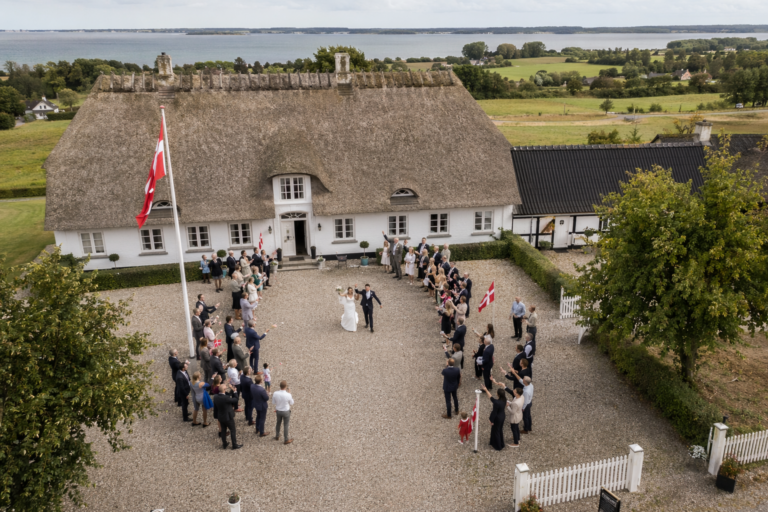
Another important bit in danish wedding customs is when the father gives the bride away. It shows the step she takes from being a daughter to being a wife. After the ceremony is done, people go outside and throw rice at the newlyweds. The rice stands for couple prosperity, fertility, and good luck.
-
The groom is usually first to arrive at the venue.
-
The bride often enters last with close relatives or attendants.
-
Rice is thrown as the couple leaves the ceremony.
The danish bridal waltz and first dance come in at the reception. Even then, they keep that same meaning going through the wedding day.
Symbolic Acts for the Bride and Groom
Several Danish wedding traditions focus on the bride and groom. One is the old way where the father gives the bride away. This shows a big change for her, as she becomes part of a new family in marriage. For some, this act is still very special.
Another Danish custom takes place right after the ceremony. People throw rice at the newlyweds. In danish wedding traditions, this act means you are wishing them good things. The rice stands for prosperity, fertility, and happiness. It is not about the show. It is more about all the guests sending their public blessing to the couple.
At the danish wedding party, the bride and groom also get lots of fun attention. In these wedding traditions, people look for ways to make everyone smile and get closer. Many guests cheer when the couple kiss for all to see. These moments show how danish wedding traditions mix meaning and fun times with family and friends.
Wedding Attire and Dress Code Expectations
There is not a lot of compiled information on what people wear at a Danish wedding. Still, there are a few things most people expect. On the wedding day, the bride might carry special things. These are often something old, something new, something borrowed, and something blue. This means what you wear is a tradition in a Danish wedding, not just about how you look.
For guests, the best way to know what to wear is to look at the event you are going to. Danish customs focus more on people’s roles, the timing, and the wedding ceremony than one set way everyone has to dress. The next parts talk about what you might hear about and what guests need to notice on the wedding day.
Traditional Danish Wedding Attire
There is no detailed national costume description in the compiled information, so traditional Danish wedding attire is best understood through symbolic pieces and ceremony roles. On the wedding day, the bride’s outfit may include meaningful items rather than a strict historical look.
For Danish couples, this means attire can carry old beliefs into a modern celebration. The clearest example is the bride wearing or carrying something old, something new, something borrowed, and something blue. Each piece is linked to continuity, optimism, good fortune, fidelity, and love.
|
Attire element |
Meaning in a traditional Danish wedding |
|---|---|
|
Something old |
Connection to the bride’s past |
|
Something new |
Hope for the future |
|
Something borrowed |
Good luck from a happily married person |
|
Something blue |
Fidelity and love |
So, Danish wedding attire is often symbolic first and formal second.
What Guests Should Wear to a Danish Wedding
If you go to a Danish wedding, it’s best to pay attention to how formal the day feels instead of trying to follow a strict national dress code. Danish customs focus more on who does what in the ceremony, special acts that mean something, and what happens at the reception, not strict rules about wedding clothes.
Still, you should know that some people have clear roles to play. Bridesmaids often walk in with the bride, and the best man goes in with the groom. Male guests are usually part of the fun after the main event, when everyone joins in.
If you are Australian, it’s a good idea to dress smart for the venue and be ready in case there are formal moments with the family. Your outfit should fit in with the day and not take the focus away from the couple or their traditions.
Celebratory Moments and Reception Highlights
Danish wedding receptions are all about feeling good and getting everyone involved. Family members and friends don’t just sit and watch. They get in on the fun by cheering, standing around the couple, or taking part in playful things at the venue. This really helps set the mood at a danish wedding.
One of the special parts of the night is the bridal waltz. This is seen as the first dance between the newlyweds. There are also some fun danish customs, like the couple kiss and a wedding cake tradition. If you want to see what makes danes celebrate in their own way, you have to watch the dance floor and look at the people gathered close by. It’s one of the best ways to enjoy a danish wedding.
The Bridal Waltz and Wedding Dances
The bridal waltz is one of the best-loved moments at a danish wedding. People know it as the danish bridal waltz, wedding waltz, and sometimes just the first dance. The newlyweds do this dance together before midnight. It marks the first big step they take as husband and wife.
While they dance, their guests stand around them in a circle and clap along to the music. This simple act lets everyone take part in the fun. Instead of leaving the pair alone, the crowd gets to share in their happiness and the happy mood grows.
-
The bridal waltz usually happens before midnight.
-
It shows the start of life as a married couple.
-
Guests form a circle and clap to support the newlyweds.
Many guests find this is what they remember most about the reception at a danish wedding.
Toasts, Kisses, and Fun Reception Traditions
Danish wedding receptions are not just formal events. They bring a lot of fun and let the wedding party get involved all through the wedding day. At a danish wedding, guests like to join in. They often speak up, get close to the couple, and turn small traditions into fun memories.
One big part of a danish wedding is how open everyone is about showing feelings. The couple kiss is something the crowd likes to see and encourage. This leads to happy little breaks in the party. The vibe during the bridal waltz is the same, where people don’t just watch. They help build the moment and make it lively.
-
Guests often pull in close around the couple when big stuff happens.
-
The group claps and turns every dance, like the bridal waltz, into something fun for everyone.
-
When the couple kiss, it brings laughs and a friendly feel.
-
The danish wedding party is most exciting when people join in and do things together.
There is talk about a wedding cake tradition at danish wedding receptions, but the info stops there and gives no more details.
Quirky and Memorable Danish Wedding Rituals
Some Danish wedding traditions really stand out. They can feel playful, superstitious, or a bit surprising to people who are not from there. These Danish customs help make every danish wedding a time to remember. They often mix serious moments with funny ones. This keeps the wedding party happy and involved from start to end.
You will find this in rules before the wedding that deal with bad luck, and in signs for good luck too. The way people act during the wedding party also shows this mix. Even though you may not get much information about the wedding cake, you can tell that danish couples like to have rituals that feel both important and fun.
Cutting the Groom’s Socks and the Bride’s Veil
The information given does not talk about a custom where the groom’s socks get cut or the bride’s veil gets trimmed. Because of this, we can’t say for sure if these are real Danish wedding traditions, or how scissors or cutlery might be used at a danish wedding.
What the information does show is that danish wedding traditions often mix fun with meaning. You get things like the bridal waltz, rice being thrown, and having to sleep apart before the wedding. Danish customs build a wedding day where there is a bit of humour as well as old ways to do things.
-
There’s no solid detail here about cutting the groom’s socks.
-
There’s no solid detail here about trimming the bride’s veil.
-
The main thing the information points out is other fun-filled customs.
This shows that guests can expect some odd or fun traditions at danish weddings, but they shouldn’t think that every story they’ve heard will happen at every wedding.
Popular Superstitions and Good Luck Practices
Many Danish wedding traditions are based on ideas about good luck and bad luck. One clear one is that the bride and groom do not sleep together the night before the wedding day. People say this makes sure their marriage is safe from bad luck.
There are also things people do to wish the couple well. At the end of the wedding, guests throw rice on the newlyweds. This is a way to wish them a good life, with plenty of money and children, and that they will be happy together. It is also common for the bride to wear or carry something old, something new, something borrowed, and something blue. This is to add more good meaning for the wedding day.
-
Sleeping apart before the wedding is linked to avoiding bad luck.
-
Rice throwing expresses hopes for prosperity and fertility.
-
Symbolic bridal items are connected with good luck and love.
These Danish customs show that symbols are still a big part of how people enjoy and remember a danish wedding. This mix of old and new wedding traditions can make the day special for everyone.
Conclusion
To sum up, Danish wedding traditions mix old customs with fun moments that many Australians will find both interesting and warm. Each part of a Danish wedding shows what people in Denmark value, from what happens when you get engaged, to the happy times at the wedding party. Knowing about these Danish wedding traditions can make your time as a guest feel much better, and you will see all the joy in their big day. You might see a sweet bridal waltz or hear talk about ways to bring good luck at a danish wedding. If you take part in danish wedding customs, you will make some great memories. If you are going to a wedding in Denmark, get ready to be surrounded by love, laughter, and danish wedding traditions. Enjoy every part of these special events!
Frequently Asked Questions
What should Australian guests expect when attending a wedding in Denmark?
Australian guests will find that a Danish wedding feels warm, social, and full of meaning. Some wedding traditions that you might see are the groom getting to the wedding venue first, while the bride comes in at the end. People throw rice outside the wedding venue for good luck. The bridal waltz is always fun and gets everyone going. Danish couples also like to have their guests join in and be involved throughout the day.
Are there any significant differences between modern and traditional Danish weddings?
Yes. In Denmark, some traditional wedding customs include asking the father for his blessing, giving the bride away, and following old luck rituals. Today, many danish couples pick only the customs that they like best. Still, they keep that special wedding party vibe and enjoy all the important moments together.
How do Danish weddings typically celebrate family and community?
Danish wedding traditions bring family members and the wedding party right into the moment. You will see family have a part in the ceremony, and guests join in by clapping, cheering, and throwing rice to bless the couple. These danish wedding traditions help turn the start of a new life for two people into a community event. With these danish customs, everyone in the wedding party feels part of something special.