Key Highlights
-
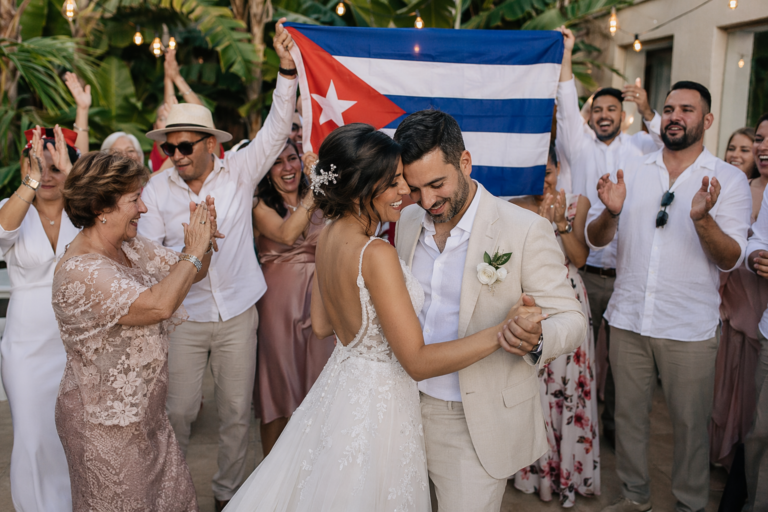
Cuban wedding traditions bring together family values, good music, food, and a bit of meaning for a joyful wedding ceremony.
-
At a Cuban wedding, you will often see las arras, the classic gold rings, and a strong presence from padrinos and family.
-
Wedding guests expect lively music and a full dance floor. Everyone looks forward to the money dance.
-
Cuban culture brings out the special day with the right clothing, tropical style, and plenty of colour.
-
Food is a big part of the day, with roast pork, black beans, plantains, cake, and drinks being in the spotlight.
-
Many of these customs are still around, even when couples add some modern touches or have their wedding outside Cuba.
Introduction
Cuban wedding traditions are full of warmth, music, meaning, and strong family ties. If you are in Australia and want to know about a wedding ceremony shaped by cuban culture, these traditions help show how love is put on display with style and heart. Most wedding traditions are still easy to spot, but some have changed over the years. Couples might add new touches or get married away from Cuba. Still, the main things stay the same in any cuban wedding. Family, happiness, music, food, and everyone being there to back up the new couple are what matter most.
Historical Roots and Evolution of Cuban Wedding Traditions
Cuban wedding traditions come from a mix of history, beliefs, and things families do every day. Over time, the wedding ceremony became more than just a formal day. It turned into a big celebration of Cuban culture. The music, food, rings, and simple but meaningful acts are all important.
Today, many couples still follow key wedding traditions that show their Cuban heritage, even as they add modern touches. You can see classic gold bands, family getting involved, lively parties, and meaningful acts like las arras at many Cuban weddings. These things all mark the beginning of a marriage. The roots are old, but the way people celebrate keeps changing with time.
Influence of Spanish, African, and Indigenous Cultures
Cuban wedding traditions come from more than one culture, not just one. The wedding ceremony shows strong Spanish roots. You often see things like las arras, exchange of rings, and padrinos at these events. These bring meaning and shape to the wedding day.
At the same time, you feel the African influence in how lively the celebration gets. There is music and dancing, and people come together with lots of energy at the wedding reception. For many in Cuban culture, the big part of the day is not only about a promise between two people. It’s a celebration with family and friends, making the wedding more than just a formal event.
You do not see many Indigenous customs on the surface. Still, the bigger mix of cultures in Cuban life helps show why Cuban wedding traditions are different and special. Today, many couples keep the old ways—like special rituals, great food, bright celebrations, and caring deeply about being together.
Traditional Values and Family Heritage
Family values are at the heart of cuban wedding traditions. The wedding ceremony is about more than just the couple getting married. It also gives thanks to the people who have shaped their lives, guided them, and helped with their new life together. This makes the wedding day feel like something everyone shares from the start.
The role of padrinos shows this idea well. In cuban culture, these godparents play a big part in the wedding ceremony. The padrinos help at important moments, like buying or carrying the wedding ring. Their support, both with feelings and with help on the wedding day, shows how family is linked to the event.
You can see this in how the celebration is held. People serve the meal the family way, keep guests involved, and make sure everything is tied to the couple’s roots. For many, a cuban wedding is more than just a party. It is a way to show belonging, care and the keeping of family lines through time.
[wedding ceremony]
[wedding traditions]
[cuban wedding]
[cuban culture]
[cuban wedding traditions]
[new life]
[wedding day]
[family values]
[wedding ring]
Adaptation of Customs Over Time
Customs in Cuba have kept changing. Cuban couples still keep the core of the wedding ceremony close to their heart, but many now mix old symbols with modern touches. This helps them celebrate a new life and still hold on to what the wedding traditions mean.
For example, the classic yellow gold band is still the first choice for many, but now some couples pick white gold or platinum. Some people put engravings with names or the date inside the ring. These small changes show how cuban wedding traditions can bend but not lose their truth.
The same thing happens with how people plan and style their special day. Themed weddings, beach locations, and personal décor have got more popular, especially for those couples who want a unique experience. Even now, the big things stay there: family is at the centre, symbolic gestures during the event, a joyful meal, and music that keeps the party going.
Pre-Wedding Rituals Unique to Cuba
Before a cuban wedding ceremony, there are a few wedding traditions that build excitement for the wedding day. Some of these are more formal, but others are just things families do for luck or because it is part of their custom. These moments help get the couple ready in their heart and in how they mix with other people before their special day.
In Cuba, there can be a few things done before the wedding ceremony. The family might make an announcement. People can give blessings to the couple. The bride might get a bit of beauty preparation. There are also superstitions in place, like the groom not seeing the bride before the wedding. These things come together to make everyone look forward to what is coming. The rest of this explains in what way people show these rituals at a cuban wedding.
Engagement Celebrations and Family Involvement
An engagement at a cuban wedding is not only about a big moment between two people. It is more about how families take part right from the beginning. Family values are at the heart of every choice and every part of the wedding ceremony. It soon becomes something all family members work toward, not just the couple.
In cuban culture, you will see relatives get involved in nearly every detail. This help can be with rings, carrying special or symbolic things, or being there as padrinos beside the couple. The whole family comes together in these ways. It makes the time before the wedding ceremony feel close and special for everyone.
The social part is also big. As soon as someone shares the news, good wishes come in from both family and the bigger cuban wedding community. That early support is important, as the beginning of a marriage in cuban culture is about more than the two people. It is about all the people who want to help, show support, and make sure the couple starts off well.
Blessings and Formal Announcements
Before the wedding ceremony, couples use family time and good wishes to welcome the big day. In cuban culture, the announcements about the wedding aren’t always fancy, but they do mean a lot. They tell family that the special day is coming and invite them to join in.
Blessings are often shaped by old customs and what people believe brings good luck. Some families think the date is important for luck, and others like signs that promise good things. These traditions before the wedding help set a happy mood as the couple gets ready for married life.
Common ideas tied to these times include:
-
keeping the groom from seeing the bride before the ceremony for good luck
-
choosing a date considered fortunate by the couple or family
-
including something old, something new, something borrowed, and something blue
These actions are simple, but they give extra meaning to the day.
Popular Pre-Wedding Beauty Practices
On the wedding day, cuban brides usually get ready with a strong focus on how they look and what it means. Beauty steps are often linked to the bride’s dress, the veil, and finishing touches. The goal is to look good at the wedding ceremony and also show respect for tradition.
Most of the information shows that what the bride wears affects her beauty choices. A long veil, a tiara, or a flower crown are often seen. These each have their own meaning. They help give the bride her overall style for her special day and link her look to old customs.
Popular beauty choices for the big day include:
-
wearing a long veil to show modesty and obedience
-
picking a tiara or flower crown to stand for beauty and womanly charm
-
adding these items with lace and ruffle details to the bride’s dress
For many, these last touches are just as important as the hair or make-up. They help finish off the cultural look on the wedding day.
Cuban Wedding Attire and Symbolism
Wedding attire at a cuban wedding brings together tradition, style, and meaning. The cuban wedding dress is usually what people notice first at a wedding ceremony. It is made with white fabric. There is often lace, and the bride wears a long veil. These all carry a special meaning that has been there for many years.
When it comes to extras, they pick each item for both style and what it means. These are not just about how things look. They say something about the moment too.
These days, modern couples like to add their own personal style. But even if they do that, what people wear still shows their promise to each other, the beauty of the day, and how important a wedding is. In the next parts, we will talk more about this.
Traditional Dresses for Brides and Grooms
A cuban wedding dress for a wedding ceremony is usually long and made to stand out. You will often see the dress looking elegant, with lace and ruffles. These details show off the bride’s figure and make her look formal. The wedding dress is nearly always white.
The bride’s dress also has a long veil. This veil stands for modesty and obedience. On top of this, the bride may wear a tiara or a flower crown. These pieces make her outfit look more feminine and special for the wedding ceremony. When you put all these things together, it gives the bride a classic look for a cuban wedding.
You do not get as much detail about the groom’s look, but it is clear he will be in a formal suit. This matches the feel of the day. The formal suit for the groom is simpler next to the wedding dress. This makes the couple look well-matched without being the same. It also helps keep the tone of the day respectful and classic.
Influence of Cultural Colours and Accessories
Even though the bride’s wedding dress is usually white, you will often see lots of vibrant colors around a Cuban wedding ceremony. People use bright decorations, choose tropical flowers, and pick other themed items for this special day. This helps make a strong difference between the classic white dress and the fun, warm mood of the whole event.
The accessories for the bride matter, too, because they have deep meaning. For example, the long veil is there to show modesty. A tiara or flower crown is added to show beauty and a sense of being female. These choices are there for a reason on the special day. They help the bride decide how she wants to look when she gets married.
Some of the most common wedding ceremony accessories and style ideas are:
-
a long veil, which ties to tradition and can mean something special
-
a tiara or flower crown to finish off how the bride looks
-
tropical flowers and lots of vibrant colors used during the event
So, even though the dress stays classic, every other part of the wedding ceremony is bright, lively, and very festive.
Guests’ Attire and Bridal Party Styles
Wedding guests in a Cuban celebration are as much a part of the look as the couple. The details show bright décor, themed weddings, and places set up for fun. This means that what people wear goes with the feeling of the day. It lets people show their own style but they still need to keep in mind the event.
A bridal party, if there is one, would go with the mood picked by the couple. If the wedding venue has a beach theme, uses Cuban music, or is set up like the 50s, the way people dress will match to that idea. This helps the day feel put-together but keeps things lively.
In Cuban culture, how you look matters because the party is big and in full view. The guests are there to enjoy, dance, eat, and cheer for the new couple. What they wear adds to the feel of the day, especially if the place is filled with tropical flowers, bright lights, and colourful decorations.
Structure of a Typical Cuban Wedding Ceremony
A typical Cuban wedding starts with a serious mood and later turns into lively fun. The wedding ceremony often has a ring exchange, and family members take part. There are also special customs, like las arras, that happen on the wedding day. These parts of your special day help show how much the couple care for each other.
After these moments, people enjoy food, music, and dancing. Guests join in with shared rituals. This change—from the important promises to the big gathering—makes a Cuban wedding both meaningful and fun. The next sections will show what happens in each part of the special day.
Religious and Spiritual Elements
Religion and spirituality can be seen in a Cuban wedding through symbols, simple acts, and the feeling of getting a blessing to start a marriage. People usually say that when the exchange of rings happens, it is often done with a lot of meaning. Sometimes, padrinos hand the rings to the priest or wedding official. That can make the wedding ceremony feel even more serious for the couple.
Las arras are another part of cuban culture that show the place of faith. These 13 gold coins stand for Christ and the 12 apostles, so the ritual has a clear Christian side. But it’s not just about wealth. When couples use las arras, they show that they will both take care of each other and their home and that there is trust between them.
As well as religion, people in Cuba really believe in good luck, especially on the wedding day. There are lots of common wedding superstitions in Cuban culture. Some people make sure the groom does not see the bride before the wedding ceremony. Others pick lucky days to get married, or they wear special items with meaning. All these practices show how customs, ideas about luck, spiritual feelings, and wedding ceremony traditions mix together for many on this special day.
Unique Rituals and Symbolic Gestures
One thing that makes cuban traditions stand out is the use of simple acts with deep meaning during the wedding ceremony. People do these things with their hands, and the acts carry a lot of weight. They show there is a new start for the couple, trust, and both people are there for each other. Family and friends also join in to help the couple as they begin their married life.
The most well-known gesture be las arras. People often call these the unity coins. At this part of the cuban wedding, the groom gives 13 gold coins to the bride. This action says he means to take care of their home. At the same time, the bride accepts to use what they have wisely. The meaning of this is nearly as important as when the rings are given in the wedding ceremony.
Key symbolic gestures include:
-
las arras, or unity coins, presented during the ceremony
-
padrinos carrying or presenting the rings
-
moving an engagement ring to the left hand to join the wedding band
All these parts be what make a cuban wedding rich in meaning, close to the family, and full of deep feeling from start to finish. The wedding ceremony mixes love and support, showing these cuban traditions in every step.
Exchanging Vows, Rings, and Unity Ceremonies
Saying vows and swapping wedding rings is at the heart of a wedding day in Cuba. People in Cuba place a lot of value on the ring, with many loving the classic yellow gold band. This is not about having something shiny, but about showing how strong and true a couple’s promise can be.
On the special day, padrinos might give the rings to the priest or the person running the wedding. This shows how much family means at weddings. Sometimes, engagement rings will be worn on the right hand before the ceremony. After that, you move it over to your left, right next to the wedding band.
Unity in these weddings is often shown with las arras. These are 13 coins, not more rings. Las arras are given in the ceremony along with the vows to show a shared goal. When you put all these together, the special day feels well made, honest, and full of meaning, with family standing by through it all.
Role of Families in Cuban Wedding Celebrations
Family values play a big part in almost every step of cuban wedding traditions. In both the wedding ceremony and the wedding reception, family members do more than just watch. They help plan, support, witness, and celebrate when the couple gets married. This makes the day feel like something everyone shares, not just the two people getting married.
Extended family gives both emotional strength and practical help. This comes through their roles in the wedding, sharing food, and taking part in the fun. In cuban culture, a wedding is really a family event, with everyone involved. The sections below show how family support is a part of cuban wedding traditions.
Parental Participation and Community Connections
Parents being there at a Cuban celebration is a big part of the support the couple gets from those around them. Even though most of the information talks more about padrinos than the parents, one thing is clear. The wedding ceremony, and the whole special day, comes together because family is involved from the start.
In Cuban culture, the special day does not just link two people together. It ties the couple to their community. Good wishes, some helpful advice, and just being there really matter a lot. Weddings in Cuba are big social events, so the help you get often goes past the home. This is one reason why the celebration feels so good and open to everyone.
Family and community support on the wedding day can look like:
-
helping out with the planning of the wedding ceremony and getting things ready for the day
-
standing beside the couple for key moments, such as being padrinos
-
taking part as full guests at the celebration and not just being there to watch what is going on
This strong support from family and community shows that marriage is not just something for two people. It’s seen as a step in building bigger ties between families and the wider group around them.
Extended Family Roles During Reception
When the formal ceremony finishes, extended family often plays an important role at the wedding reception. In cuban culture, the special day is full of energy. Relatives chat, dance, make toasts, and help with meal service, making things lively. Their presence makes the room feel connected and full.
The feast shows this family-centred style. Traditional food is served in a way that invites everyone to join in together. Eating becomes time for people to talk and connect. This matters because the special day is not just about the couple. It is about all people coming together with them.
Extended family keeps the mood going all through the evening. They back the first dance, join the money dance, get wedding guests on the dance floor, and help keep things upbeat. In many ways, they help move the wedding reception from one big moment to the next.
Intergenerational Involvement and Support
Intergenerational support is a big part of many Cuban traditions. In most families, older relatives keep customs going, while younger family members bring energy to the wedding ceremony. This helps the day feel linked to the past, but it also fits the couple’s new life together at the same time.
The idea of passing things on is seen best in the wedding ring. The information often tells us that the ring is a family item in the making. It could one day go to future generations. This adds more meaning to both the cuban wedding and to the idea of holding on to family values.
You can see this support when people keep up old traditions. Things like superstitions, music, food choices, and small symbolic acts keep going because both young and old join in. So, a wedding ceremony is more than just one day. It joins cuban traditions, today’s happiness, and hopes of what the future will bring.
Festivities: Music, Dance, and Entertainment
Music is a big part of Cuban wedding traditions. It helps set the mood for the reception. It lifts everyone’s spirits and keeps people on the dance floor all night. On the wedding day, the music is not just there in the background. It is at the heart of the whole celebration.
Cuban music makes special moments feel like you share them with everyone, through things like the first dance, live bands, or everyone joining in. From slow romantic songs to music with faster beats, the feeling and movement keep the night going. The next parts will talk more about the most well-known dance and music customs at a cuban wedding.
The Money Dance and Meaning Behind It
The money dance is one of the most famous cuban wedding traditions. It often happens at the wedding reception. It gives wedding guests a clear way to help the new couple as they start their new life together. On the wedding day, it brings fun, energy, and kindness to the whole event.
At this special dance, guests move around the couple and throw dollar bills on them. Some men may pin money to the bride’s dress if they want to dance with her. This makes the money dance both a moment of joy and a helpful gift for the couple.
What it means is easy to see. The money dance is more than just fun. It helps the couple as they plan for a new home and future together. It also keeps the dance floor busy and shows the strong community spirit that makes cuban wedding traditions so special.
Popular Wedding Songs and Musical Performances
Cuban wedding songs can be anything from slow, romantic tunes to fun, fast songs that get everyone up and moving. The music is a big part of a cuban wedding, with the energy staying high whether there are live bands or a DJ. The main thing is to keep people in the moment and dancing together.
Romantic songs play a big role, especially during the first dance. This part means a lot, as it’s one of the most emotional times of the whole wedding ceremony and signals the start of the couple’s life. After the first dance, the music shifts to faster cuban music so the party can go all night.
Most couples choose:
-
live bands that play both old and new cuban sounds
-
romantic songs for their first dance
-
party music like salsa or reggaeton as the night goes on
This mix helps the wedding ceremony move smoothly into a lively party, but it still keeps that feeling of love right at the heart of it all.
Dance Traditions: Conga, Salsa, and More
Dance traditions are a major part of the reception in cuban culture. The compiled information highlights salsa and modern party rhythms, and it also shows that dancing is expected, not optional, once the celebration gets going. The dance floor becomes a place where guests, family, and the couple all mix together.
Salsa is the clearest dance reference in the source material, but the festive tone also suits conga-style group movement and other social dances that keep the room active. What matters most is participation. These dance traditions turn the wedding into a shared celebration rather than a staged performance.
Here is a simple overview:
|
Dance or Style |
How it fits the celebration |
|---|---|
|
Salsa |
A signature Cuban social dance that matches the lively reception atmosphere. |
|
First dance |
A romantic moment for the couple that marks the start of married life. |
|
Money dance |
A guest-focused custom combining dancing, support, and celebration. |
|
Party dancing |
Open-floor dancing driven by bands or DJs that keeps energy high. |
Traditional Cuban Wedding Food and Drinks
Food and drinks are a big part of a cuban wedding. The whole wedding feast is seen as part of the main event, not just a meal between things. The food is made to be filling and full of taste, so people can keep going and enjoy the party.
Most of the time, you will get food like roast pork, black beans, rice, yuca, plantains, sweet treats, and good tropical drinks. The cuban wedding cake has an important role as well. It often comes with flavours like guava or tres leches. The next parts talk about the main foods and drinks people get at a cuban wedding.
Signature Cuban Dishes Served at Weddings
The main dish at a traditional cuban wedding feast is often lechón asado, or roast pork. This pork is marinated in a sauce called mojo. The sauce has sour orange, garlic, oregano, and cumin in it. The pork is then slow-roasted so the skin goes crisp and the meat gets tender. In cuban culture, this dish is not just food for the table. It is the event that brings everyone together.
The meal usually has simple side dishes that remind you of home. You will see black beans and rice, served together as congrí or arroz moro, on nearly every plate. Yuca con mojo is served often too—with soft cassava and a strong garlic-citrus sauce.
Plantains finish off the meal. People get tostones for a salty taste, and maduros for something sweet. All these dishes together make the cuban wedding feel big, warm, and friendly. The food helps everyone enjoy time at the table, before heading back to the dance floor.
cuban wedding
cuban culture
dance floor
black beans
roast pork
cuban wedding feast
Desserts, Cakes, and Popular Drinks
Dessert at a Cuban wedding is often much more than just a wedding cake. These days, couples may have tiered cakes, but many still like a soft sponge cake soaked in light syrup or flavours from fruits like guava or pineapple. Tres leches is another favourite for a cuban wedding cake.
The different desserts on the table are often just as important as the main cake. Guests can enjoy things like flan, pastelitos with guava and cream cheese, or arroz con leche sprinkled with cinnamon. These sweet dishes help people feel at home and make the meal feel special.
Popular dessert and drink options for a cuban wedding include:
-
Guava cake or tres leches as the main wedding cake
-
Flan, pastelitos, and arroz con leche on a dessert bar
-
Rum cocktails such as mojitos and piña coladas, sometimes made with aged rum
These wedding drinks keep every moment fun and make sure the menu has a true tropical taste.
Conclusion
Cuban wedding traditions bring together history, culture, and family values. They help make the day special for the couple and their guests. At a Cuban wedding, things start with pre-wedding events and end with big, fun parties. Each part shows off a unique heritage. Many people in Australia can add these Cuban traditions to their own weddings. When you use Cuban wedding traditions, you celebrate your roots. You also make special memories that bring families and people together. If you want to include cuban wedding or cuban traditions in your wedding plans, don’t wait to ask for help. With the right support, you can have the celebration you want.
Frequently Asked Questions
Which Cuban wedding traditions are still popular among couples living in Australia?
Many cuban wedding traditions can be a good fit for australian weddings. Some main ones are the money dance, classic gold rings, family roles, lively music, and lots of good food on the special day. Cuban couples may still keep some symbolic parts of the wedding ceremony, like las arras. At the same time, they can change the wedding to suit local venues and what people want now. These wedding traditions help to make the wedding feel warm and full of life for everyone.
Can Australians incorporate Cuban customs into their destination weddings?
Yes, people in Australia can use cuban traditions in their wedding ceremony. They can do this by adding things like symbolic gestures, tropical décor, cuban-inspired music, and a big, festive meal. At the wedding ceremony, it is also good to add things such as las arras or a money dance. This lets all the wedding guests feel and enjoy cuban culture, but there is no need to change the whole event.
What food and drink options are recommended for a Cuban-style wedding celebration?
For a cuban wedding meal, you can have roast pork, black beans with rice, yuca with garlic sauce, and plantains. On the wedding day, you can end your meal with a cuban wedding cake like guava cake or tres leches. There are also many cuban drinks to enjoy, like mojitos, piña coladas, or other drinks with rum.