Key Highlights
-
In a traditional chinese wedding, many things happen before the wedding day. There are betrothal gifts, picking the right date, and families making plans together.
-
Chinese wedding customs put the tea ceremony in the middle of the wedding ceremony. This is to honour parents and older family members.
-
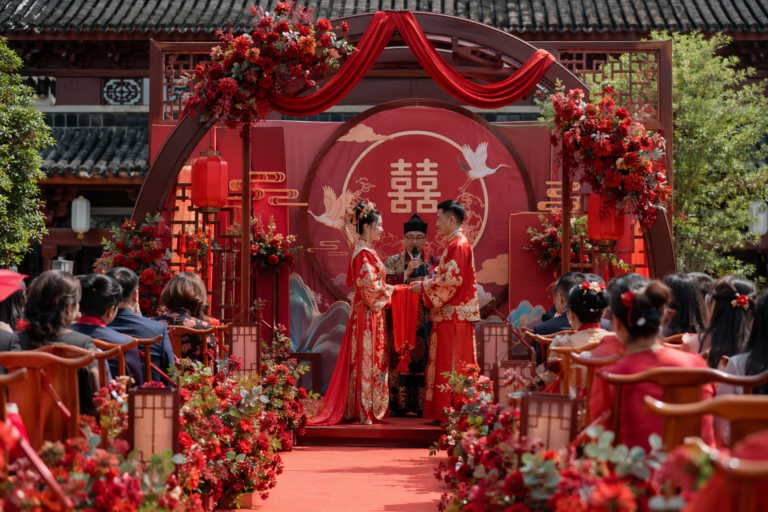
Red, gold, and Double Happiness decorations are used to bring good luck, happiness, and wealth to the wedding.
-
Guests most often give hongbao. They do not bring boxed gifts like at some other weddings.
-
Wedding customs are different in each area, with Southern China having its own way.
-
Modern couples in Australia like to mix their heritage rituals with local ways to celebrate.
Introduction
Chinese wedding traditions are full of meaning. They are about showing respect for family and following special routines at the right time. If you are an Australian guest, partner, or someone helping to plan, knowing about these wedding customs will help you feel closer to the couple. From giving betrothal gifts to sharing a meal at the banquet, every step is tied to chinese culture and strong family values. You will see how old ways are still in their day, even when couples want things to be more relaxed or modern.
Understanding the Essence of Chinese Wedding Traditions
A chinese wedding is not just about the two people getting married. It is also about their families, showing respect for old people, and wishing the couple a good married life. In a traditional chinese wedding, most wedding traditions start before the marriage ceremony.
For many chinese people, some of the most important things are betrothal, finding the right day, getting the marriage bed ready, hair combing, fetching the bride, the tea ceremony, and the wedding banquet. Each of these is there for a reason and connects the couple to family history.
Historical Roots and Evolution of Chinese Wedding Customs
Chinese wedding customs go back a long way. In the zhou dynasty, people already followed formal steps for marriage. These steps, known as the Six Etiquettes, shaped many parts of the wedding. These include the way of proposing, matching date of birth, giving betrothal gifts, picking a good date, and having the main wedding ceremony.
In the han dynasty and later on, the types of clothes, fabrics, and things used in ceremonies changed a lot. While old records mostly talked about rich families, we still see the main ideas in them today. Things like family honour, good luck, and respecting elders matter now as they did back then.
When the qing dynasty came, the style of clothing changed again. Clothes like the qipao started to show up in weddings. Even as some things changed, chinese wedding customs kept certain parts that are still clear to see. Now, a chinese wedding ceremony often has key family traditions, blessing rituals, and a special meal. This meal is full of meaning and is a big part of wedding traditions still now.
The Symbolism of Marriage in Chinese Culture
In chinese culture, marriage is about more than two people coming together. It is about keeping the family going, showing thanks, and being part of a big celebration. The marriage ceremony is not just a promise between the couple. It also brings two families together. The couple is expected to show respect to their parents and ancestors.
All day, there are symbols that point to good luck and good fortune. The colour red is found everywhere. The chinese see this colour as a sign of happiness, prosperity, success, fertility, honour, and loyalty. Gold is used as well. It stands for wealth. You may see dragons, phoenixes, and mandarin ducks. These show there will be harmony and a lasting partnership.
Marriage can still be a sign of social status. In the past, who you married often depended on money and family rank. This still matters in some ways now. The strong meaning shown through the colours, gifts, food, and rituals speaks about wanting a good and stable future, respect, and having all you need. These symbols stay important today.
Choosing an Auspicious Date for the Wedding
In a chinese marriage, the wedding date is not picked by chance. Many families think the right timing gives the couple good luck. This step in wedding traditions is seen as very important.
Couples often go to a fortune teller, a chinese monk, a Feng Shui master, or an older family member to get help choosing a date that will bring good luck. Even now with modern weddings, many people still do this. It lets them link their planning with their family’s old ways.
Importance of Zodiac Signs and Astrology
Astrology has a real place in how many families plan a chinese wedding. People often check the couple’s birth details to see if they are a good match before they even pick a wedding date. The bride’s birthday is sometimes seen as more important when making this decision.
The way this gets done is by matching their zodiac sign and other birth info with a good time for the event. Sometimes, a fortune teller will do all this. In other homes, an older family member helps make the call. It doesn’t matter if the wedding is in a big city or out in a town, the idea is the same. The couple wants to start married life on a good day.
-
The couple’s zodiac sign is checked to see if things will go well together.
-
Astrology is used for finding a wedding date that looks good.
-
The date picked is there to give their marriage a better chance.
Families in city areas and the country might do things a bit different, but picking an ideal moment for married life is something most families think about.
Cultural Significance of Dates and Times
The wedding date picked for a wedding ceremony is usually about more than just what suits everyone best. In chinese culture, people think the day and time you choose can shape how the whole wedding turns out. That’s why families might spend a lot of time checking which date brings good luck.
It’s not only the wedding ceremony that’s planned this way. Other things, like getting the marriage bed ready, are also done on a certain day. Some rituals even happen at a set hour. All this care with timing shows how much good luck means during these moments.
It’s not just the timing, either. The colours used play a big part as well. Red is popular because it stands for happiness, good luck, success, money, having children, and respect. So, when families find the right wedding date and use lots of red, they add even more good wishes and luck to help the couple in their new life.
The Betrothal Ceremony (Guo Da Li)
The betrothal ceremony, also known as Guo Da Li, is a big step in wedding customs. It shows that the match is accepted and respected by both the bride’s family and groom’s family. This event is a clear way to bring both sides together, with focus not just on the couple, but on their families too.
At this time, the groom’s family gives betrothal gifts to the bride’s family. They do this to show their sincerity and wish for good fortune and prosperity. When the bride’s family sends part of the gifts back, it means they accept the match. It also shows they want a good relationship between the two families.
Rituals During Betrothal and Exchange of Gifts
The exchange of betrothal gifts is a big step before the chinese wedding ceremony. It lets everyone know the engagement is real and done in a proper way. This is more than just giving items. It is the families showing, in front of all, that they want to start a new bond with true purpose.
Each thing you see given at this time means something. Some show hope for more money. Others are about the want for kids and a life at peace. That is what the family hopes for when they give these things. Later, the bride’s family gives some of the gifts back to show that they say yes to the new tie, not to turn it down.
-
Gold jewellery may be in the gifts. This is to show the family wants a life with wealth.
-
Dragon and phoenix candles stand for good match and fair union.
-
Things like tea leaves and sesame seeds are used as well. These hold a deep meaning for folks taking part in the event.
-
They might add wine or brandy as one of the betrothal gifts.
In some parts of Southern China, the way the gifts are given can seem extra big and formal. But the heart of the tradition is the same across china: give respect first, the family comes next, and always have a real ceremony.
Role of Families and Community in Betrothal
The betrothal ceremony is very clear about one thing. The family is in charge and they do this together with the couple. The groom’s parents and bride’s parents do not stand at the side. They each take big steps in planning and are seen by everyone as key people for their homes.
At many old-style events, the parents talk about the match. They also pick out what to do, agree on the right steps, and check the gift swap. A matchmaker may join in too. This person can help keep talk easy and help everyone stay respectful. All this keeps things going well. It shows that marriage is something the families do together.
The group of people at the event is important, too. Many times, people from both families stand by and watch. Older people can share their views on what is right. This kind of support means the betrothal ceremony matters even more. It shows that the couple’s union is noticed by the group, others agree with it, and it is all set to lead to the wedding day.
Preparations Before the Wedding Day
Before the wedding day starts, there are many wedding customs that take place first. Families get the spaces ready. They put up wedding decorations, sort out the clothes, and make sure they have the right ritual things for the wedding ceremony. This way, everything has the right feeling and meaning.
In a Chinese wedding, you will see a lot of red and gold. The Double Happiness symbol is everywhere in the home or wedding venue. The bridal chamber or marriage bed is often set up early and chosen for a lucky date. These early steps are very important because they help bring good luck, family blessing, and many children for the marriage.
Double Happiness Symbol and Auspicious Décor
The Double Happiness symbol is one of the most well-known parts of chinese wedding decorations. You will see it everywhere at a chinese wedding ceremony. It is made from two matching pieces for joy. You might notice it in homes, on tea sets, wedding invitations, in the spaces where the ceremony is held, and in party décor. Its message is clear. It stands for shared happiness and good luck for the couple and for their families.
Auspicious decorations do more than make a room look good. They are there to bring in good luck. They also help show what the wedding customs at the chinese wedding mean. That is why you will see many different symbols. Some are traditional, while others might be new, like floral walls or bright signs.
-
Double Happiness can be seen on invitations and tea sets.
-
There can be red floral backdrops in the places for the wedding ceremony.
-
Dragons, phoenixes, and mandarin ducks might be part of the décor as well.
All of these details explain why a chinese wedding ceremony is so special and layered. Everything is done with thought. The room itself can give a blessing before the wedding even starts.
Traditional Colours: Red and Gold
Red and gold are at the heart of chinese wedding customs. Red is linked to love, happiness, doing well, money, luck, having children, honour, and loyalty. Gold goes with the idea of wealth and good fortune. When you put them together, they give the whole look of the wedding day.
You can see these colours in everything—the clothing, decorations, invitations, and gifts. The red envelope is used to give money gifts and wishes. Gold jewelry often comes in during the betrothal and the wedding showing. There may even be a red umbrella, used for protection or in certain chinese wedding styling traditions.
Why does red matter so much for a chinese wedding? People think it keeps out bad things and brings the couple some good energy. That is why you will see red again and again, starting in the family home and all the way to the banquet hall. It is not just nice to look at. It means a lot.
Unique Southern and Regional Wedding Practices
Wedding traditions in China are seen all over the country, but each area has its own way to celebrate. In southern China, people are known for weddings that feel extra bright and full of family. These wedding traditions can be very special and full of detail.
City weddings and country weddings in China can look very different too. The wedding ceremony usually sticks to the same main steps. But things like where it happens, how big it is, and what people expect will change by place. If you are from Australia and you go to a Chinese wedding or need to plan one, you will see these differences. That is why each wedding ceremony will have its own style and feel.
Signature Customs from Southern China
Southern China is known for its lively and well-loved wedding customs. In places like Hong Kong, many couples keep to a set routine, full of different rituals, even when the whole day looks fresh and modern. This is what gives a traditional chinese wedding its own style and flow.
A big moment in these events is the morning trip to collect the bride. The groom and his friends arrive with lots of noise, bright colours, and lots to celebrate. There are also door games the groom has to play. These are used to check how keen he is before he can go to his bride. The door games add some fun to a serious day.
-
In Hong Kong, door games are a much-loved and energetic part.
-
There can be custom sounds like drums, gongs, or even firecrackers when going to fetch the bride.
-
Tea rituals led by family still play a big part in many southern wedding customs.
Southern China has its own special way to do these things. But all the customs share some key ideas. These include family support, showing respect, and a joy that spills out for all to see at a traditional chinese wedding.
Notable Differences Between Urban and Rural Weddings
Urban and rural weddings often share the same symbolic framework, but the experience can feel different. A chinese wedding in a city may be more compressed, venue-based, and blended with Western presentation. In rural settings, family customs may feel more visible and spread across home spaces.
Guest experience can also change. Some weddings keep a formal banquet hall schedule, while others place more emphasis on household rituals and wider local participation. In certain settings, separate wedding feasts for each side of the family may be more practical or meaningful.
|
Aspect |
Urban and rural weddings |
|---|---|
|
Venue style |
Urban weddings often use a banquet hall; rural weddings may centre more on family homes or local community spaces. |
|
Timing |
City events may be streamlined; rural celebrations can feel more extended and tradition-led. |
|
Family involvement |
Both value family, but rural weddings may show more direct elder involvement throughout the day. |
|
Feasting |
Urban weddings may focus on one main reception; some families may hold separate wedding feasts. |
Even with these differences, the goals stay consistent: honour the couple, unite the families, and celebrate with abundance.
Chinese Wedding Day Rituals
The wedding day in a traditional Chinese wedding ceremony is full of things to do, meaning, and time with family. People often start early, and the day can go on for many hours because there are a lot of little events before the big wedding banquet.
In a usual Chinese wedding ceremony, there may be hair combing, getting the marriage bed ready or checking it, going to fetch the bride, playing door games, serving tea to family, bows to show respect, saying vows, and having the wedding banquet. All these show that a Chinese wedding is not just about the couple’s love, but is also about family honour.
Hair Combing and Dressing Ceremonies
Hair combing is often done the night before or right in the morning of the wedding. This marks when the bride and groom step into being adults. It also shows they are starting a new way of life. The hair combing is quiet and done apart, usually in each person’s own home.
Before this begins, the bride and groom might take a shower with pomelo leaves to keep away bad spirits. They then put on new red clothes and slippers. A woman known for good fortune leads the hair combing ritual. She uses incense, candles, a comb, and red yarn with cypress leaves to mark the moment. Groom’s hair and the bride’s hair are each combed four times.
Each stroke brings a special wish, asking for a happy and long marriage, for peace, for children, and for wealth. When it happens in the bride’s family home, it can feel strong and quite deep since it means both saying goodbye and looking forward with hope. Hair combing helps the pair get ready inside for what comes next in the marriage ceremony.
Matrimonial Bed Preparation and Blessings
The bridal bed, also called the marriage bed, gets set up just a few days before the wedding day. The timing for this is picked on an lucky day and hour. People call this An Chuang. It holds meaning for good fortune, babies, and a happy life that lasts a long time.
A family member known for her good fortune is the one who should do this job. She should have her own parents still with her, a husband, children, and even grandkids. The bed gets new red bed linen and pillows. On top of that, there are dried fruits and nuts like longans, persimmons, and red dates.
They put these things on the bed to bring out sweetness, good luck for having children, and a future that stays strong. There is one more important rule: no one is to sit or sleep on the bridal bed. Not until the new couple come back together after all the wedding things are done. This is meant to look after the marriage bed and keep its true meaning.
Tea Ceremony Traditions
The tea ceremony is one of the most important parts of a chinese wedding ceremony. This time gives the couple the way to thank their parents, elders, and the family for all the help, love, and what they did for them.
In chinese culture, the tea ceremony can be at one place or be held in the couple’s respective homes. Some families also add the family altar, so the ceremony connects with their ancestors as well as family who are still around. Because of this, the tea ceremony often feels like the real heart of the wedding day for many people.
Meaning and Process of the Tea Ceremony
In a chinese wedding, the tea ceremony is a way to show respect and say thanks. The couple gives tea to their parents and elders, sharing how grateful they are for their love and help. This is also when the family welcomes the union as something real.
The tea ceremony might be in one home, in two different homes, or close to the family altar. Most of the time, people will use a red tea set with the Double Happiness symbol on it. The tea can have sweet things in it, like dried longans, lotus seeds, and red dates. The couple will kneel or bow first, then serve the tea and say, “Please drink tea.”
The elders have a little sip and then give their blessings. This can be in red packets with money, or a gift of some gold jewellery. These wedding customs make the day special for the couple. It’s not just about good manners—it’s the family’s way to welcome them to a new part of life on the wedding day.
Family Roles and Generational Respect
The tea ceremony is a good example of how wedding traditions see the family as important and how they show respect for older people. Parents are given tea first. This is because they have a big role in the couple’s life. Most of the time, the groom’s parents are served before the bride’s parents, but this can change depending on the plan for the ceremony.
The order of serving the tea means a lot. Usually, it goes with age, family ties, and where someone stands in the family. Grandparents come first, then older uncles and aunties, younger family, and older brothers or sisters who are married might get tea next. That keeps the tea ceremony fair, but it still feels special and close for everyone.
-
Groom’s parents and bride’s parents get the tea first and this shows thanks to them.
-
The elders give back blessings, red packets, or even jewellery when they get the tea.
-
You can see generational respect and family order in who gets served when.
For wedding guests, the tea ceremony answers a big question. Family is not just there to watch things happen. Family members will give their blessings, see what goes on, and be a real part of the couple joining together.
The Chinese Wedding Banquet
The wedding banquet is the big public party that comes after the close family parts of the wedding ceremony. While the tea ceremony is often small and quiet, the banquet hall is where all the wedding guests can share the joy and have a good time together.
This part of the wedding ceremony is usually fancy and full of special foods that mean a lot. The parents often host the meal in many families, showing there is plenty to go around, welcoming everyone, and wishing good things for the future. For many people there, it can be the best part of the wedding day.
Symbolic Dishes and Food Customs
A chinese wedding ceremony usually ends with a grand wedding banquet. This is not the time for casual party food. Every food on the table is picked with care. People want each dish to send a good wish for the future of the couple. The meal is big, sometimes with eight different courses. The number eight is lucky when it comes to a wedding in a chinese wedding ceremony.
Some foods are quite clear about their meaning. For example, fish is for abundance. A suckling pig can show the purity of the bride. Chicken or duck means the family wants peace and unity. It is common to see sweet dishes too. Sweet things stand for fertility and happiness in married life.
-
Fish is served for abundance.
-
Red dates get used in tea and other rituals. They signal sweetness and fertility.
-
Lotus seeds are there to show fertility and keeping the family line going.
-
A wedding cake often joins the table in modern weddings, along with the classic dishes.
These symbolic foods in a chinese wedding banquet do more than just feed the guests. The meal becomes part of the blessing for the pair to have a good life together.
Modern Trends in Wedding Banquets
Modern Chinese weddings usually still have a wedding banquet. Many couples keep the banquet in a banquet hall, but often change how the event looks and runs. Now, some modern couples add Western touches, decorate with their own style, or switch up the order of things.
For instance, a couple might have a Western-style ceremony first. After that, there can be a meal in the banquet hall, and they switch to wearing traditional clothes. The bride might put on a red qipao in the middle of the night. It’s now common to see slideshows of their childhood, an emcee with a modern style, and some mix up language when hosting. This lets people tie their family story in with what’s good for them now.
Wedding guests still look forward to a good party, nice food, and sharing toasts. But the way all this happens is more relaxed these days. This is clear proof of how things change. Modern couples do not throw out the old ways. They work to blend heritage with what fits best in today’s world.
Red Envelopes and Gift-Giving Etiquette
Gift-giving is a big part of Chinese wedding traditions, but the way it’s done isn’t the same as the boxed presents you often see in Australia. The most common thing people do is give a red envelope, or hongbao, with money inside for the couple.
This is both a gift and a way to show the family your blessing. At the wedding, guests give the red envelope to the couple, and someone in the family will often write down the amount. It’s not just about helping out with cash. It also means you wish the couple good luck and want to be part of the family celebration at the Chinese wedding.
Appropriate Gifts for the Couple
For many chinese couples, the best wedding gifts are the ones with money. This way, it is easy and fits the culture, especially if you don’t know the family or what they like. People often choose the amount of money with a special meaning.
It is common to see numbers with 8, as these are linked to good fortune and making money. Guests may give 80, 88, or 800. Sometimes, the family may give jewellery or other personal gifts instead of things for the house.
-
Hongbao with an amount of money that brings good fortune is a popular pick.
-
Gold jewellery is a nice choice for the family to give when they are close.
-
Betrothal gifts work well in formal family deals before the wedding.
If you’re not sure what to get, money in a red packet is usually the safest and best way to go. It is the most respectful choice for giving a gift.
Giving and Receiving Red Envelopes (Hongbao)
A red envelope, or hongbao, is not just a way to give money. It is a big part of wedding customs that bring together guests and the couple’s future. The red packet means a lot. In the culture, red stands for happiness, good luck, and money.
On a wedding day, you will see guests put their hongbao on a table near the door. There may be relatives from both sides sitting there. They take the red envelopes and write down the amount inside. This might seem a bit formal for Australians, but at a wedding like this, it is normal and helps keep things organised.
The hongbao is a sign that the couple gets support from their friends and family. It shows that people are sharing in the responsibility, sending their wishes, and keeping strong social bonds. So, giving gifts is still part of the wedding customs, and the red envelope is the most seen and accepted way to do this.
Bridal Outfits and Jewellery
Bridal outfits play a big part in how a wedding looks. In many weddings, the clothes people wear can say a lot about history, meaning, and how styles change. These things show up in the outfits more than anything else.
A chinese wedding dress can be old-fashioned, new, or even a bit of both on the same day. At some weddings, you might see a qipao, a white dress, or the bride might change into a few different looks. Gold jewelry is common in these weddings. In some older styles or special ceremonies, the bride might also wear a phoenix crown. These extras stand for things like good luck, wealth, and high status, and they are part of many chinese wedding traditions.
Qipao, Cheongsam, and Contemporary Styles
The qipao, or cheongsam, is still one of the most well-known types of chinese wedding dress. It became popular for weddings during the Qing period when clothing styles changed. Now, it stands out as a sign of elegance, tradition, and special events.
On a wedding day, brides now often mix their looks as part of modern weddings. There are many who start their day with a Western-style part such as a white dress, and then later put on bright red for the meal or time with the family. This way, both old and new style can be part of one wedding day.
This mix shows how modern weddings have grown but still hold on to their roots. Today’s couples like to add their own spin, but there is often one outfit that ties back to family and history. That is why the qipao or cheongsam is still such a strong pick.
Gold Jewellery, Phoenix Crowns, and Accessories
Accessories have a strong role in chinese culture. They can say as much as the clothes the bride wears on the wedding day. Gold jewelry has a big meaning because it stands for wealth, a blessing, and shows support from the family. The bride may wear gold jewelry, get it as a gift, or have both.
Some old styles also come with special pieces that show status and that it is time for a celebration. Phoenix crowns come from old ceremonies, but now brides can pick simple jewellery and still hold on to the same cultural meaning. No matter if it is old or new, these things go with wedding customs and bring honour to the family.
-
Gold jewelry is a loved gift that comes from close family.
-
A 24-karat gold pig necklace can stand for having children.
-
Phoenix crowns are from old ceremonies and show beauty as well as standing.
If you are thinking about what gifts will suit the bride, jewellery from her close family is one of the best things you can give. This kind of gift brings together looks, good wishes, and chinese culture for the bride.
Changes and Modernisation of Chinese Weddings in Australia
Today, modern Chinese weddings in Australia still hold on to the main customs, but the way these are done often change to suit local plans, places, and what guests want. This helps keep the day easy to follow, but the main parts of chinese culture are not lost.
At these weddings, you might see tea ceremony with the Australian style of wedding, hongbao being given, or someone wearing a red qipao at the party. For many couples who want to stick to traditions, the idea is not always to repeat the old ways in full. It is more about showing respect for chinese culture in a style that fits with how families live now in Australia.
Integrating Chinese Traditions into Australian Ceremonies
Many modern couples in Australia like to mix things up at their weddings. They blend chinese wedding traditions such as picking a lucky date, playing door games, having a tea ceremony, or holding a banquet, with a Western-style vow exchange. This way, both families get something that feels right for them.
Most australian ceremonies have clear plans and a guest list that brings lots of people together. Because of this, couples often keep things simple and choose the wedding traditions that mean the most. They might have a family tea ceremony before the main party. This keeps the feeling of thanks and showing respect for older family members, but doesn’t mean they need to follow every step from old customs.
This style of wedding shows that wedding customs and ideas can go anywhere with people. Places may change, but the reason for doing these wedding traditions stays the same. Many modern couples in Australia pick what works for them. They use the door games, the tea ceremony, or other wedding traditions that feel right for their family and life.
Influence of Contemporary Style and Local Culture
The provided text can be rephrased into the following sentence in simpler terms under the given instructions instructions:
In short, “2024-06 is a number.”
Common Questions about Chinese Wedding Traditions
Chinese wedding traditions may look a bit detailed at first, especially if you are used to the short way weddings go in Australia. But most chinese wedding customs are really about three main things. They honour the families, they give the couple blessings, and they try to bring good fortune at every part of the day. When you know this, all the small rituals start to fit together.
It also helps to know that not every chinese wedding is the same. Chinese culture is wide and changes from place to place. Some families want to keep every part formal. Others may just have a tea ceremony, a big meal or go with well-known colours. The questions here talk about things people in Australia want to ask when they learn about chinese wedding traditions and wedding customs.
Are there differences in customs between cities and rural areas?
Yes. Urban and rural weddings in China do share the same main idea. But the wedding ceremony is usually shorter in the city and in the countryside, it often happens more in the family home. Chinese people living in these places also change how much they follow old chinese wedding traditions. Their ideas about family and what social status means can be different too.
Why is the colour red so important in Chinese weddings?
Red is an important colour in chinese culture. People see it as a sign of happiness, good luck, being rich, having children, and respect. That is why at a chinese wedding, you will often see things like a red envelope, red clothing, or a red umbrella. These red items are there to surround the couple with good luck and other good things.
What gifts are considered suitable for a Chinese wedding?
The best wedding gifts are usually hongbao with money. The amount often has something to do with good fortune. If you are close family, gold jewelry is also a nice choice. For a formal pre-wedding event, people give betrothal gifts. Things like boxed gifts are not as important as money or family items that mean something.
Conclusion
To sum up, looking at the different Chinese wedding traditions shows a mix of history, meaning, and culture. Picking the right date, having important tea ceremonies, and big, colorful banquets all show how much family, respect, and love mean at these weddings. Now, as these chinese wedding traditions change in Australia, they bring in old ways and new ideas, making weddings even more special for everyone. If you are planning a wedding or just want to know more about wedding traditions, you can ask for a free chat to see how to add these customs to your big day.