Key Highlights
-
Bahraini wedding traditions mix Islam, Arab background, and local Bahraini culture in ways that have meaning for many people.
-
The start of marriage often needs a formal proposal, parental approval, and most of the family is involved.
-
There are marriage celebrations before the wedding. You might see a henna night. There is music, dancing, and all the female relatives meet.
-
The main wedding part is about the nikah and marriage contract, with close family and friends there to see it.
-
What people wear, the gold jewelry, and the gifts that are more than just presents, all show respect, custom, and standing.
-
The big meal makes extended family ties strong. People in the community come together to eat and enjoy lots of food as one group.
Introduction
If you are from Australia and want to know about Bahraini culture, weddings can show you a lot about it. In Bahrain, wedding traditions are about much more than the bride and groom. They show you about faith, marriage customs, hospitality, and how much family means to people there. You see this from the start, when there is a formal proposal, and at every part up to the feast after the nikah. Every step in these bahraini weddings has its own meaning.
This guide gives you a simple look at bahraini wedding traditions, how people celebrate, what clothes they wear, what kind of food you get, and what families expect from each other at these times. All these things help shape the marriages and family life in Bahrain.
The Cultural Significance of Bahraini Wedding Traditions
In Bahrain, wedding traditions mean a lot because marriage celebrations are more than just about the couple. These events show how bahraini culture puts faith, honour, and belonging first. A wedding brings together two families. People put time into planning, do formal visits, and show real respect to elders.
These marriage celebrations also help make bahraini society strong by building up extended family ties and keeping customs alive. Muslim and Arab customs show up in wedding traditions like the nikah, getting yes from the family, certain ways men and women take part, and big meals for everyone. The next sections go into more about how all these shape the whole wedding journey.
Historical Foundations and Societal Importance
Many practices in Bahraini weddings come from old ways that are still important now. Things like the places and styles of weddings might have changed. People do have their weddings in hotels or local halls these days. But the deep meaning of it all is still about family roots, custom, and how people see both families.
In Bahraini society, getting married is a big moment in life. It is not just something the couple decides on their own. The immediate family is there to help and guide everything, right from the proposal up to the wedding day and party. This keeps extended family ties strong and close.
A usual Bahraini wedding starts with the engagement. There are also smaller parties before the wedding. Then there is the nikah, followed by a big celebration. The way these things are done can change from one wedding to another. Still, the aim is the same. People come together with witnesses and family to support the new marriage and show respect to both families.
The Influence of Islam and Arab Heritage
Islam is at the centre of a Bahraini wedding. It’s not just a social gathering, as marriage is seen as something sacred, and the nikah is what gives the marriage its religious shape. For devout Muslims, this marriage contract is both a legal thing and a promise to each other and to God. It is built on consent, trust, and a lot of responsibility.
Arab roots can be seen in how the day goes. Things like family honour, showing guests a good time, giving gifts, and letting everyone know about the new couple are a big part of it. Many families put a lot of work into planning the perfect day. Some prefer to keep men and women apart, or together. Sometimes there is music, and some customs are chosen instead of others to fit in with where a family comes from.
During a Bahraini wedding, you can spot how both customs are mixed. Islam gives deep meaning to the marriage contract, and Arab heritage brings the party to life with its style, rules, and traditions. That’s what makes Bahraini weddings feel like both a big celebration and a sacred union.
Marriage as a Community Event in Bahrain
A Bahraini wedding is not just a big day for the family. It’s also something for the whole community. People come together, not only to see the marriage ceremony, but to join in on the marriage celebrations and to meet the couple as part of a wider group. That’s a big reason why the reception, or walima, is special after the nikah.
The family, including parents, brothers and sisters, elders, and even more distant relatives, stay involved in everything. They help with what needs to be sorted, lend a hand in getting things agreed on, and make sure guests are taken care of. Friends get in on things too, making the wedding season feel like a fun family outing rather than just a single big day.
Because of all this, a Bahraini wedding isn’t just one event, but many parts. There may be an engagement party, a henna night, the religious contract, and then a large meal. At this meal, people from the community come to give their good wishes to the couple. Each step brings support to the new marriage and builds stronger ties with others.
Engagement Rituals and Customs
Engagement rituals are important in Bahraini culture as they mark the start of the road to marriage. This process often begins with a formal proposal and family authorization. It is not treated lightly. Instead, it is seen as an event that shows goodwill, respect, and a good match between both families.
Parental approval matters a lot, especially in families that follow old ways. After this, the families talk about what they want, what gifts to give, and when things will happen. These traditions help set how things will go in a Bahraini wedding. That is why knowing about the engagement stage makes it easier to understand the whole Bahraini wedding experience.
Al-Khitbah (Formal Proposal Ceremony)
Al-Khitbah is the formal time for a proposal in bahraini society. It shows that the people involved are very serious. This step doesn’t just happen between two people. It’s not only about the couple, but also about their families.
The groom’s family goes to meet the bride’s family in a proper and polite way. For Sunni families, the girl’s dad or guardian is asked to agree. In Shia families, a sheikh may ask both the bride and groom to say yes and agree to different parts in a set way. You can see that different families in bahraini society have their own way of doing things.
When both sides say yes, there is often a party, which can be called a melcha. This party might have henna or jelwa events as well. Sometimes, the engagement is a separate event. Sometimes, it happens many months or even years before the actual wedding.
Family Involvement and Negotiations
Family authorization is at the heart of getting engaged in Bahrain. The groom’s family meets with the bride’s family and they do more than just say hello. They talk about real-life steps and symbols that will shape the wedding. It’s common for both families, and their elders, to be closely involved. Parental approval plays a big part in making sure the match is right.
The immediate family helps settle main points before moving forward. This can be things like what sort of event the families want, if the wedding will be mixed or just men and women, and how grand or simple it should be. The family’s income and background also affect what is talked over.
Main topics discussed can be:
-
the mahar or payment given to the bride
-
the shabka, which is a jewellery set as a gift
-
the costs for the venue, food, invites, and decoration
These talks go beyond just money. They show how the two families want to share the marriage with others in a way that is proud and proper.
Symbolic Gifts and Their Meanings
Gift exchange is a big part of Bahraini engagements. It gives the occasion more meaning and adds a special touch. Symbolic gifts show respect, readiness, and goodwill between the two families. The exchange gifts also make the engagement a public step instead of something quiet. Often, these gifts are given along with personal greetings and formal visits.
Gold jewelry is very important. It is pretty, valuable, and shows the commitment between the families. It can also say a lot about their social standing and how serious they are about the engagement. Families can also give sweets, flowers, or other items for the celebration. What they give depends on what they can spend and their customs.
Common exchange gifts include:
-
gold jewelry or a shabka set to honour the bride
-
chocolates and flowers, used as lively engagement presents
-
pastries and confectionery, which are found mostly in Persian-style settings
Each gift is given to show respect. Even if the style changes from one family to another, giving these gifts helps build a strong link between the families.
Pre-Wedding Celebrations in Bahraini Culture
Before the wedding day, bahraini culture often has exciting pre-wedding parties that get both families together. These can be engagement parties, henna night, or other get-togethers that help build excitement. The time before marriage in bahraini culture feels like a festive season, not just one formal event.
Henna night is one of the best-known and loved parts. It often has the couple’s female relatives there in a smaller, warmer group. There is music, sweet food, and simple steps or shared rituals that make people feel closer. These parties get the couple ready to take the next step. They also let families, especially the female relatives, be involved and help out before the nikah.
Henna Night – Customs and Symbolism
Henna night is a well-loved pre-wedding event in a lot of Arab and Muslim groups, and that includes Bahrain. This event can be held during the engagement or close to the wedding day. The focus is mainly on the bride. Most of the people there are female relatives and friends.
On henna day, people decorate the bride’s hands. This is one of the most important things that happens. The henna on her hands is not only for looking good. It is also part of the happy and meaningful traditions. It marks getting ready for a new life, with lots of joy and support. The room is usually warm and friendly. There is much talking, some sweets, and the feel is very classic.
Main things to expect are:
-
putting henna on the bride’s hands to show happiness
-
female relatives coming together to sing, visit, and help
-
treating the night as a different event from the wedding itself
For lots of families, henna night is a more calm and close moment, away from the busy wedding days.
Music, Dance, and Traditional Festivities
Music helps set the mood at Bahraini marriage celebrations. The type of music you hear depends on if the families are more conservative or open. Some may have upbeat performance, others just simple drumming, and some might use very little music. Still, sound and dance often show that the day is a happy, shared event.
Dance can bring life to the party where families like it. At many Arab weddings, music and dance help announce the couple and get people to feel like one group. In Bahrain, the style changes with the family, where the party is held, and the couple’s background. But the aim is quite clear: to get everyone excited and build a good vibe.
You may see things like:
-
traditional drumming to show it’s a big day
-
cultural dance as part of the program for the night
-
a DJ or picked music at hotels or city spots
Music in marriage celebrations is about more than art. It brings people together and gives energy to the wedding.
Inclusion of Friends and Extended Family
Pre-wedding gatherings in Bahrain are not just about the couple. The immediate family is always a big part, but it’s common to have the extended family, neighbours, and good friends included. This wider group helps make the celebration feel more special even before the main wedding day starts.
For most families, these events feel like a family outing that happens over a few days. One night might be about the engagement, the next could be for the henna, and another might be about getting guests ready for the nikah or the reception. This keeps things relaxed and lets the different groups join in when it suits them with both the tradition and their space.
That’s why a Bahraini wedding is often made up of many smaller moments. It’s not like the friends and family just show up on the last day. They all get involved right from the start, and that helps turn the wedding into a bigger event that brings the whole group closer together, not just the couple.
The Traditional Bahraini Wedding Ceremony
The traditional Bahraini wedding starts with the nikah. This is when both sides agree on the marriage contract. It is watched by others and is the key moment that makes the union real in Bahraini society. People may hold this in a mosque, at home, or choose another place, depending on what the family wants.
Aside from the main event, there can be other customs and parties. These may happen before or after the marriage contract. Some families go for a small, simple religious event. But others add bigger parties and cultural ways as well. The next sections show the main steps, what the ceremony means in a religious way, and how things can change for each group.
Main Stages and Key Rituals
A Bahraini wedding ceremony often unfolds in recognisable stages, though details vary by family background, budget, and personal preference. The main stages usually begin with engagement and move through pre-wedding gatherings before reaching the nikah. After that, a reception or walima may introduce the couple more publicly to relatives and friends.
At the centre is the marriage contract. Mutual consent, witnesses, and the agreed mahr are key elements. Qur’an recitation and prayers may also be part of the ceremony, especially in more religious settings. The event can be simple in form while still carrying strong emotional and social importance.
|
Main stage |
What usually happens |
|---|---|
|
Engagement |
Families agree to the match and discuss expectations |
|
Pre-wedding events |
Henna, melcha, or related gatherings may take place |
|
Nikah |
The marriage contract is completed with consent and witnesses |
|
Reception or walima |
Guests share food, prayers, and congratulations |
Religious Aspects of the Nikah (Marriage Contract)
The nikah is the main religious part of a Bahraini wedding. In Islam, this marriage contract is what makes the promise into a legal bond. For devout Muslims, it is the true start of married life. It is all about faith, doing the right thing, and looking forward to a life of mercy and trust.
There are a few parts that make up the nikah. The bride and groom must both say yes. The groom gives the bride a special gift called mahr. There must be at least two Muslim witnesses. An imam can lead the marriage contract at a mosque or home. Prayers are also said, asking for peace of allah for the couple’s future.
You can see Muslim ideas clearly in this part of a Bahraini wedding. The party after the marriage contract might be big and fancy. But the nikah is still simple and full of faith. It is the base of the whole celebration.
Unique Village Customs Compared to City Weddings
Village customs and city weddings in Bahrain can be very different, even when the main religious part is the same. A wedding in the city can happen in a hotel or a modern hall. People may pick styles seen around the world. A village wedding feels more local. It is most often run by family and follows old social habits.
In older homes or a local place, the event will look and feel more close and warm. It is all about friends and people living close by. In newer homes and city places, there is space for bigger things. People can have fancier decorations, hotel food, or different entertainment. It depends on how much people can spend, and what they like. The ceremony stays the same, but the place changes how it feels.
Features you will see more with village weddings are:
-
you see more local venue traditions and less hotel style
-
there are more personal greetings and you see most people from the neighbourhood
-
the immediate family has a closer role in hosting and meeting guests
It is not a strict rule. It is more about the people. Each family shapes the big day in a way that fits us the best and shows our values.
Attire and Jewellery at Bahraini Weddings
Clothes and gold jewelry are a clear part of a Bahraini wedding. They are there to show style, make things look nice, and put the family in a good light at a special time. Traditional clothes still have meaning for people. The fabrics, colours, and styles used often show where the family comes from and what kind of event it is.
Gold jewelry stands out, and it is often given as an engagement gift called the shabka. The bride and groom can dress in a classic way or pick something modern. This can depend on where the wedding is held and who the guests are. The next parts will talk about what people wear, what these items mean, and the way city style is changing these days.
Traditional Bride and Groom Outfits
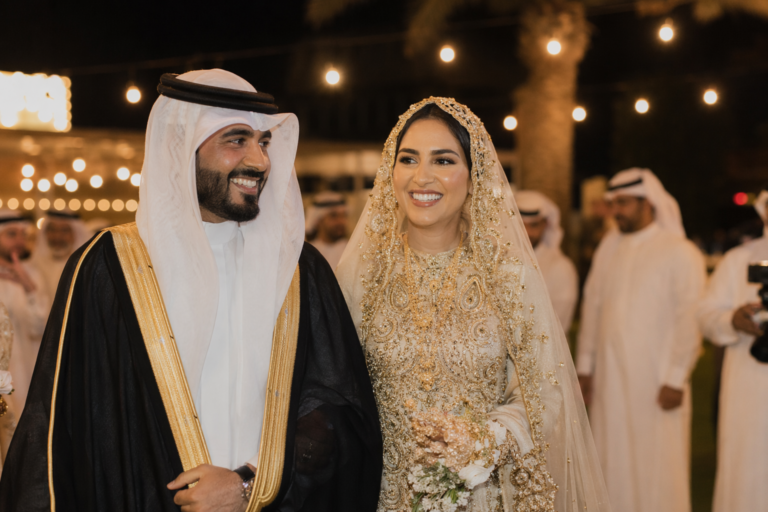
Bride and groom outfits in Bahrain are different across families and types of weddings. But many people still love traditional clothes. Brides like to wear wedding dresses that look rich and special with many nice details. Grooms pick outfits that meet what people expect. They also want to look clean and smart. These outfit choices are important because a wedding is a big family event for all.
What people wear can change depending on who is there. For example, if it is for formal visits or engagement meet-ups, it might be time to wear more simple clothes. If it is the main wedding party, guests expect the outfits to stand out even more. The presence of men, or if the group is all together or men and women are not mixed, will change how people dress and how much they show.
Muslim and Arab weddings often show off with fabrics that feel good, thread work, and colours that stand out. Even if a bride or groom wants a new look, they usually keep the kind of respect and pride that comes from wearing traditional clothing. These outfits help share who they are and what matters on such a big day.
Cultural Significance of Jewellery and Accessories
Jewellery in Bahrain does more than just finish the wedding look. It has emotional, money, and social value for a lot of people. Gold jewelry is known for being a part of engagement customs, gift giving, and showing open respect for the bride. That is why gold jewelry often comes up when people talk about what to plan for the wedding.
These accessories can also show family status and kindness. Sometimes, gold jewelry is a part of the shabka, which is given in engagement events. The pieces are both special gifts and things used to make the bride look nice. Their meaning is not lost after the wedding is over—they stay important for years.
Popular items include:
-
gold jewelry sets that are for the shabka and engagement
-
pretty accessories to go with the bride’s dress
-
things that the bride will keep to remember the start of married life
The reason these pieces matter is because they help turn a beautiful moment into a lasting memory. For many families, gold jewelry is a way to celebrate and show strong promise that will last.
Evolving Fashion Trends in Urban Ceremonies
In city weddings, style has become more flexible. At the same time, there is respect for the main wedding traditions. Places like hotel venues, big halls, and newer homes usually give support to a more clean and modern look. Many couples like to pick outfits that show their regional custom. They also want to look up-to-date and make it personal.
This change does not mean old customs will go away. Changing styles often work with the same key parts: the engagement, nikah, reception, and family photos. Brides can still wear rich, detailed clothes. Grooms can still pick a neat and formal look. The whole style may just seem a bit more international now.
City weddings also often show budget, what the family wants, and what guests expect. Some couples keep to the classic Muslim wedding style but will do some small updates. Others may want a more new and modern look. But the goal is always the same. They want to honour family, fit with the venue, and make the day feel special.
Wedding Feasts and Culinary Traditions
Wedding feasts are one of the clearest ways people show hospitality in bahraini culture. When the formal part of the wedding is over, sharing food helps everyone feel like they are part of the celebration. Guests are welcomed in, given a seat, and offered lots of good food as a sign of care and respect.
A rice dish often plays a big role here. This is true not just in bahraini culture, but in many wedding traditions across the region. The meal can be a midday meal or be served at night. The next parts talk about some well-known dishes, sweets, and why it means so much to share food at weddings.
Popular Dishes Served at Bahraini Weddings
At a Bahraini wedding or in many Muslim weddings, giving guests a big meal is a show of honour. The food is not just a small extra. It is how families say welcome and share the joy of a wedding. Some families will serve the offer of a large meal as a midday meal, and some will offer it later, but the menu is made to be generous and full of flavour.
You will see rice dish choices a lot. There are also warm meat dishes, stuffed chicken or lamb with rice and spices, and shared plates packed with flavour. Some families do things in different ways or on a different budget, but the hope is always the same: good meals that bring people together to celebrate.
Common meals on the table are:
-
biryani, which is a rice dish with spices and usually meat
-
lamb or chicken, stuffed with rice, spices, and veggies
-
mint tea, as a nice way to finish the meal
No matter what the names of the daily meals are in someone’s house, the food served at a wedding is bigger, richer, and great for a ceremony.
Desserts, Sweets, and Symbolic Foods
Desserts and sweets are a big part of wedding hospitality because they stand for the sweetness in a couple’s life. During the festive season of a wedding, these foods help slow down things after all the formal parts. People gather, share, and enjoy more, which brings a good, social feeling. Guests look forward to having these sweets as part of the big day.
In Muslim wedding settings, you will often see plates full of pastries, cookies, and treats made with syrup. Some families also serve dates and figs. This connects the celebration with well-known foods people use on special religious and social days. The exact treats may change from one family to another, but something sweet will always be there.
You may come across:
-
baklava with layers of nuts and syrup
-
ma’amoul filled with dates, nuts, or figs
-
luqaimat, which are fried dough balls in syrup
These sweets are not just tasty. They help show blessing, sharing, and happiness through food.
Sharing Meals as a Community Celebration
Shared dining is a big part of a Bahraini wedding and shows that it’s a community celebration. When people sit together for a large evening meal, it helps turn “congratulations” into more than words. People don’t just watch the wedding happen. They get to join in by eating, talking, and praying for the couple.
The evening meal often brings families and friends together in one spot after the ceremony. In many ways, that meal feels like a big family outing. It lets different parts of the extended family get together. There are times when they don’t see each other very much, so this is special.
This is important because showing hospitality like this keeps extended family ties strong. At a Bahraini wedding, the feast gives a place for everyone at the celebration—relatives and friends alike. The food matters, but it’s the act of sharing the meal that gives people a good memory of the day and makes everyone feel included.
Conclusion
To sum it up, learning about the wedding traditions in Bahrain gives Australians a wonderful look at how others celebrate together. These weddings are full of colour and life. There is a lot of meaning in each step, from the first engagement to all the things that happen before the wedding day. Each part tells a story about the rich culture and close ties of Bahraini society. The traditions, what people wear, and all the good food help make this time so special. All of it brings families and friends together.
If you want to know more, or you are planning a wedding, now is a good time to find out about these beautiful customs. Reach out to us for a free chat and more helpful tips.
Frequently Asked Questions
Are destination weddings common in Bahrain, and what makes them special for Australians?
Destination weddings are sought after in Bahrain because the place brings together Gulf warmth and long-held wedding traditions. For Australians, when they do family planning, the timing of the event is very important. Dates get checked closely against gregorian dates. Some also look at the travel seasons and big holidays, like the international new year, just like guests who come from the united kingdom might do.
What role does music play in Bahraini wedding celebrations?
Music can help set the mood during marriage celebrations. It gives the festive season more energy and fun. Some families like to have dancing, drumming, or a DJ at their weddings. Others may like things calmer and keep the music soft. The way the music is played often depends on what the families value, the place they are at, and the presence of men in either mixed or separate wedding gatherings.
Are there any special customs unique to Bahraini village weddings?
Yes. Village weddings often seem more local and are usually led by family, not like city events. If the wedding is in older homes or small venues in your area, you might get more personal greetings. The immediate family will be around to host and welcome everyone. Guests can also get an honorary place, which shows how close people are in the community.