Key Highlights
-
Many wedding traditions in Argentina start with a small civil ceremony before the main wedding day.
-
For many families, a Catholic Church service is still at the heart of Argentinian wedding traditions.
-
Family members, godparents—los padrinos—and close friends have an important role during the celebration.
-
Guests can get ready for a late wedding reception, with lively celebrations, dancing, and music.
-
Some unique customs are la cinta de la torta, los padrinos, and the exchange of rings.
-
Food, wine, and a warm, social atmosphere make the celebration from start to finish.
Introduction
Wedding traditions show us a lot about how people celebrate love, family, and the community. In Argentina, the wedding day often brings together faith, close family, and a big love for parties that go on late into the night. For people in Australia, these customs might feel a bit the same but also a bit different, especially when you think about weddings in other parts of South America. There will be some things that are more formal, but there are also parts that are light-hearted and easy-going. If you will be heading to one or are thinking about planning a wedding, it’s good to know what’s most important and what you should expect on the day.
Wedding Traditions in Argentina: What Australians Should Know
Argentinian wedding traditions are all about family, the couple’s beliefs, and some special rituals. Often, the couple gets the legal part done first, and then leaves the big, heartfelt moments for the actual wedding day.
This means the celebration might not be what many Australians are used to. There’s a civil part before the main event, and the party can go on well into the night. As you read more, you’ll see how each part of the wedding traditions and the celebration come together for an Argentinian wedding.
1. The Engagement – Proposing with Family Blessings
In many wedding traditions in Latin America, family is part of it right from the start. You can see this in Argentina too. Getting engaged is not just about two people choosing to be together for life. It often brings in family members, making them part of the moment in an important way.
This way of doing things is why the parents of the bride and other people close to the couple often stay at the heart of the wedding celebrations. Instead of seeing the proposal as just something for the couple, many want their family there to show support, give approval, and share in the happy time.
For Australians, this can feel more welcoming and show that it’s not just about the two people. It’s about both families as well. This focus on family is a big part of wedding traditions throughout Latin America, and it shapes much of what happens on the wedding day.
2. Pre-Wedding Celebrations: La Despedida de Soltero/a
Before the main event, couples often have pre-wedding celebrations with friends and close family. In Argentina, these are well-known wedding traditions that turn the time before the big day into a social and joyful part of getting married. It is not rushed and helps everyone feel close.
La despedida de soltero or soltera is a send-off before marriage. It is all about having a good time with the people who know the bride or groom best. This group might be made up of close family or friends, and it depends on how the couple wants it.
For Australian guests, the main point is simple. These moments are not about being strict or formal. They are for everyone to feel connected. These meet-ups get people in the right frame of mind for the main wedding celebrations. The feeling at these events is often very festive, relaxed, and all about sharing time with the people they love.
3. Civil Ceremony: Legal Marriage in Argentina
A civil ceremony is usually the first legal step to getting married in Argentina. This is a smaller event that comes before the wedding day. It is often just close friends and family who are there, not everyone.
The reason for this is simple. In some parts of Latin America, religious ceremonies or a church wedding are not always enough to make the marriage legal. So, couples handle the legal parts at the civil ceremony first. After this, there might be a small meal or a short get-together.
For Australians, this stands out as one of the main differences. The civil ceremony takes care of what is needed on paper, while the main wedding day or church wedding is often more focused on feelings, culture, and family. Some people still give rings or say their vows later at a bigger, more open celebration, but it depends on what the couple want to do.
4. Religious Wedding Ceremonies and Their Importance
Argentina is a South American country where the catholic church has had a big role in wedding traditions. For many people and their families, a church wedding is still seen as one of the most important parts of the day.
Since the catholic church means a lot to couples, religious ceremonies are often felt as the heart of the wedding. Even when modern couples want to get married somewhere else, they might still add things from their faith. This could be a blessing from a priest or something else that matters to them.
This is not always the same as in other places, where the legal part of the wedding is the main event and brings all the emotions. In Argentina, the church wedding can feel like the highlight, even if they have already done the legal part before. This makes the day feel more about tradition and what people share in their beliefs.
5. The Role of Los Padrinos (Godparents)
One big part of many Latin weddings is los padrinos. These godparents often have an important role that is more than what a usual group of bridesmaids or groomsmen would do. In some families, they are married couples picked to guide the couple in their new life.
Instead of having a large group of bridesmaids and groomsmen like you see in other places, Argentinian weddings might put the focus more on los padrinos, the flower girl, and the ring bearer. The parents of the bride and the mother of the groom also often stand close by the couple at the front.
This setup shows the strong place that family, support, and good advice have during the big day. For Australians, it can look quite close and special. Even now, when modern couples change the old ways a bit, los padrinos still stand for people who are trusted and who have an important role in the couple’s life and marriage.
6. Traditional Argentinian Wedding Attire for Brides and Grooms
Clothing for the wedding day shows both style and beliefs. In Argentina, the bride’s wedding dress often includes details from christian wedding attire, mainly if the ceremony is in a church.
A white wedding dress is the usual pick. Some brides like the white dress with features from latin or catholic ways. A long mantilla veil is important for families who want a way to show faith and their history.
Common parts may be:
-
A white wedding dress with simple, neat look
-
A long mantilla veil with lace for a church
-
A white dress that fits a formal church service
-
Groom clothes to match the classic, formal wedding
Australians know the same style, but the wedding dress and look are often more about faith and meaning than just fashion.
7. The Ribbon Pull Cake Ceremony (La Cinta de la Torta)
One of the most fun parts of the wedding cake is la cinta de la torta. This is a nice, social time at the celebration that people really enjoy, and it often gets to be a favourite with guests.
This is how it goes. People put small ribbons in the wedding cake. At the end of each ribbon, there is a small charm. The single women each grab a ribbon and pull. The woman who gets the special small charm is said to be the next bride. The ribbon pull helps the cake do more than just be a dessert.
For people in Australia, this can feel a bit like the bouquet toss but with more action in it. The charm makes it something people can remember. It brings more fun to the celebration without messing with the special flow of the day.
8. Exchanging Rings and Las Arras (Marriage Coins)
Argentinian couples have their own way of doing wedding rings. First, it’s normal for couples to wear silver rings when they get engaged. Then, they switch to gold rings for the wedding.
That exchange of wedding rings shows the step from being engaged to marriage. Moving from silver rings to gold rings in the wedding gives the ceremony more meaning. Some couples also use las arras. Las arras are 13 gold coins blessed by a priest. The groom gives them to the bride.
Las arras stand for support, faith, and the couple’s shared future. This part of the day is seen as one of the big moments by the guests. It shows that marriage is about being there for each other, belief, teamwork, and not just romance.
9. The Procession and Arrival at the Wedding Venue
On the wedding day in Argentina, the way people walk down the aisle often looks different to what you may see in Australia. The wedding party is usually small, and the focus is mostly on the close family and godparents.
The father of the bride is the one who walks her up the aisle in most Argentinian weddings. When everyone gets to the altar, only the couple’s parents and godparents stand close to them. This means the event feels small and very close, with family at the centre.
If you are used to weddings in Australia, you might find this different. Australians often have lots of bridesmaids and groomsmen lined up in front during the big day. The Argentinian style brings something more formal and meaningful. It highlights the support from elders and the family, focusing on those the couple see as key in their new life together.
10. Unique Wedding Rituals and Symbolic Gestures
Many wedding traditions in Argentina have small-symbolic gestures that help make the special day feel full of meaning. These rituals are not just there to look nice. They are about unity, hope, and family being around to support you.
Some wedding traditions come from other Latin American customs, and the couple can pick the ones that mean the most to them. Even if your wedding is modern, these gestures can set the feel for the celebration and tie people to the past.
Some of the best-known examples are:
-
El lazo, which is put around the couple to show the unity in marriage
-
Throwing rice, bird seeds, confetti, or petals onto the couple for good luck and hopes of having children
-
Leaving before the party is over is thought to bring the pair good luck
-
Having a smaller get-together after the wedding so people can keep the celebration going
For Australians, these small wedding traditions and symbolic moments can often be the parts of the celebration that you will remember most from your special day.
11. Special Roles for Family and Close Friends
Family members take part in almost every part of an Argentinian wedding. The close family are there for the legal part, the church, and the party. You will see them close by and involved in what happens.
Close friends are there too. They join in, especially before the big day and at the after-party. But, most of the focus is on family members and godparents. They get an important role that is more than just posing for photos or giving a speech.
If you are from Australia, it can stand out how an argentinian wedding feels like a family get-together before a social one. But, that does not mean it is formal or too serious. In fact, it makes the mood warmer. When you are a guest at these, you join the couple’s close support group. The family members make sure of that.
12. Signature Argentinian Foods Served at Weddings
Food takes center stage during wedding celebrations. At an Argentinian wedding reception, you will often find generous, well-loved flavours. The menu can bring in popular food from Latin cultures or dishes that feel local and warm.
The wedding day meal is not just to feed people. It also helps make the mood and bring people together. Many times, couples pick food that makes people think of family cooking or their favourite local place to eat.
Guests may see items such as:
-
Empanadas, tapas, ceviche, or croquetas as starters
-
Main courses with rice and beans made in a regional way
-
Comfort dishes served as part of the main courses
-
Flan or sweets like it for dessert
At an Australian event, the food is often a highlight. It will be a big part of bringing people together, not just a quick stop before the party and dancing begin.
13. Drinks and Toasts: Malbec and More
Drinks set the mood at the party. When couples want to show off the local taste, Argentine wine is what you’ll often get, with Malbec being a top pick.
A great wine does a lot to make the reception feel special and local. Most of the time, Malbec stands out. But some couples pick other well-known wines as well. It depends on what’s on the menu and who is there.
Common drink options may include:
-
Malbec, which is the best-known favourite for locals
-
Other wine styles like sauvignon blanc
-
Sangria or mixed drinks from the region
-
Cafe con leche served later in the event or with dessert
For Australians, it’s clear: wine plays a big part in the celebration. The drinks list is not just there for no reason—it’s part of what makes the celebration special.
14. Music, Tango, and Dancing Traditions
If you want to know what keeps an Argentinian wedding reception going, it’s the dance floor. There’s a lot of energy, and the music can go on well into the early morning.
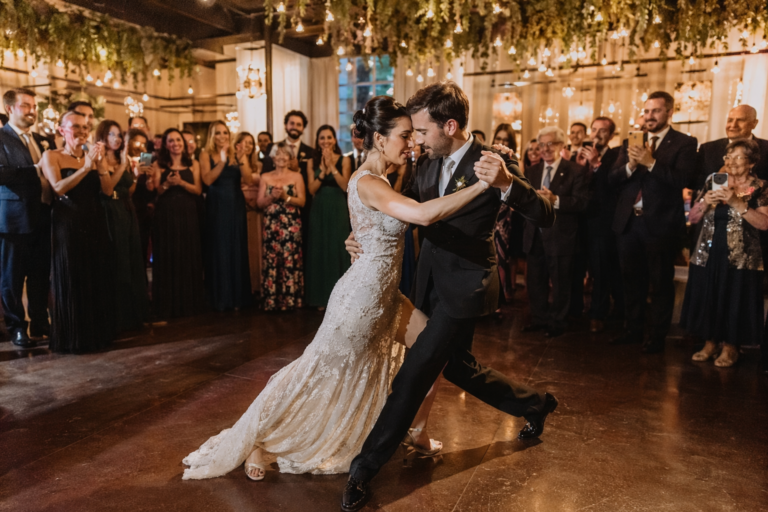
A lot of people think the first dance will be tango, and that is the style most linked to Argentina. But at an Argentinian wedding, it’s just one part of the mix. The first dance can be something old or new. Then, the lineup usually gets into all sorts of music to keep people up on their feet.
You might hear or see:
-
Tango is the most popular dance tied to Argentina
-
Latin pop, reggaeton, cumbia, salsa, or bachata
-
English party songs getting played as well
-
The dance floor busy most of the night
For Australians, you want to make sure you wear shoes you can really dance in at an Argentinian wedding reception.
15. Wedding Reception Highlights and Customs
The wedding reception is where the real party begins. In many cases, it starts late and builds into a full night of lively celebrations, music, food, and group participation.
Unlike shorter receptions, the celebration in Argentina often gives plenty of time to dance, socialise, and enjoy ritual moments. Guests should be ready for a long evening that can stretch to 2 or 3 a.m., especially when the dance floor stays busy.
A few common highlights are shown below:
|
Reception element |
What guests can expect |
|---|---|
|
Timing |
A late start and a finish in the early morning |
|
Music |
A mix of tango, latin pop, reggaeton, and party classics |
|
Dancing |
A central part of the wedding reception |
|
Special customs |
Cake rituals, money dance, and surprise moments |
|
Atmosphere |
Warm, social, and full of lively celebrations |
For Australians, expect a proper night out, not a brief formal dinner.
16. Guest Etiquette and Expectations
In Argentina, being a good guest means showing respect to the couple, their family members, and going with the flow of the event. The main event could be religious, legal, or just social, so you need to look at the invitation well.
Weddings there can be more formal and about the family. The main event usually starts later and the celebration can go on for ages. Some ceremonies are smaller and closer, but the reception is bigger and livelier.
Here are some basics to keep in mind:
-
Stick to the dress code shown on the invitation.
-
Be respectful when there are religious or family moments.
-
Get to the main event on time, even if the party goes on late.
-
Be ready to stay a lot longer than you would at a wedding back home.
For Aussies, it’s all about flexibility. Things might move at a slower pace, but that’s just part of the experience.
17. Wedding Favours and Keepsakes
Wedding favours in Latin culture often mean a lot to people. The items are not just thrown away or seen as extra stuff. The keepsakes are there to remind everyone of the day and the couple.
Some families like to keep wedding favours from past weddings. They even show them off in their homes. This is why these gifts can be more important than many people in Australia might think. A favour can be more than decoration, it becomes part of family memory.
The playful charm from la cinta de la torta follows this same idea. The small charm can show who will be the next bride. So it is a game, but also a keepsake. Favours in Argentina mix meaning, feeling, and fun through a simple act.
18. Modern Trends in Argentinian Weddings
Modern couples in Argentina like to mix old ways with their own taste. They still keep the key parts of a wedding day, but they change things like where it happens, how big it is, or when it takes place, so it fits them.
Some people pick places other than a catholic church for their big day. So, you might see weddings in gardens, museums, haciendas, or spots with history. Others bring some religious parts in, but don’t hold the whole event inside a catholic church. These new ideas show that couples want choice in how things go, but they still try to stick with what their families expect.
A destination wedding feel can really shine from picking a great spot, since the place itself adds to how the day feels. Still, wedding days stick with those main bits: family, food, music, and what matters in custom. What is old is still around, but these days it is shaped to fit the couple.
19. How Argentinian Weddings Differ from Australian Weddings
When you look at Argentina and Australia, wedding traditions can be very different. Timing, family roles, and how people use religion stand out the most. In Australia, one wedding covers the civil and emotional parts of the marriage.
In Argentina, things usually happen in two stages. The civil ceremony comes first. Later, you have a church wedding or big party, which is more about what it means to them. People at these events stay up late, and there is a lot of dancing.
These things show how different cultures make weddings their own. Argentinian customs are not the same as american wedding traditions. In America, people focus more on the wedding party, and the reception does not last as long. Australians notice the change when they see how others do it. Still, it is easy to enjoy once you know what will happen.
20. Tips for Australians Attending an Argentinian Wedding
If you are going to a wedding in Buenos Aires or in another part of Argentina, a bit of planning can help you feel at ease. The celebration may start later, run for longer, and be more about the family than what you may be used to.
Keep in mind that wedding traditions are a big part of the whole experience. What might seem new or odd at first could end up being what you remember the most from the night. Stay open, watch what others do, and follow the lead from the hosts.
A few practical tips:
-
Check the dress code before the big day
-
Eat something light if the party will kick off late
-
Be ready to dance and be up for a long evening
-
Show respect and interest for family-centred traditions
For Australians, the best thing to do is join in, stay easy-going, and enjoy the celebration.
Conclusion
To sum up, knowing and enjoying the many wedding traditions in Argentina can make your time at these joyful events much better. From the warm engagement customs to the fun of the tango on the dance floor, every step of an Argentinian wedding means a lot to the people and shows true care from the community. When getting ready for an Argentinian wedding, remember these things to show that you respect and like the couple’s background. So, whether you eat the tasty local food or join in the special wedding rituals, get into it and make some good memories. If you’re heading to a wedding soon and need a hand or want a few tips, just ask!
Frequently Asked Questions
What makes Argentinian wedding traditions unique compared to other countries?
Argentinian wedding traditions are special because they mix a civil step, a strong link to the Catholic Church, and late-night wedding celebrations. In South America, you see that many different cultures add value to family, meaningful rituals, and dancing. This is why an Argentinian wedding feels more communal and full of life. These wedding traditions make everyone feel part of the event.
Is there a dress code or etiquette that Australian guests should follow at Argentinian weddings?
Yes, people in Australia should stick to the dress code for the wedding day. It is good to be polite during times that are special for the religion. People going to a wedding in Argentina also need to know that the wedding reception will often start late. The party may last much longer than you think. There will be more family customs to follow than you will find in Australia.
What can Australians expect at a traditional Argentinian wedding reception?
Australians know the wedding reception will start later in the evening and be the main event. The celebration is full of lively celebrations and the music is always going. There is a lot of dancing and food for everyone. Family members like to get into it and enjoy the night with all. It is a social time that keeps the energy up and often goes on until early morning.
Comparing Argentinian and Australian Wedding Traditions
Between Argentina and Australia, there is one big difference in how weddings are done. In Argentina, people often have a civil ceremony before the main religious or social party. These wedding traditions show how different cultures go their own way. In Argentina, there is usually more focus on family, faith, and big parties that go all night. This is not as common in Australia.