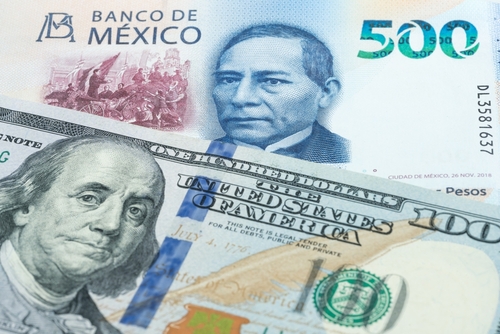
Global sourcing and cross-border partnerships are a common part of running a modern business. Large volumes of legitimate international payments are made every day between manufacturers, service providers, logistics companies, and agencies operating across borders. If you’re preparing to pay a Mexican supplier or vendor for the first time, you’re far from alone.
The process may feel unfamiliar at first. Different currencies, new banking details, and unfamiliar documentation can make it seem more complex than it needs to be. With thoughtful preparation, however, paying a business in Mexico can be a straightforward, repeatable, and compliant process.
This guide walks you through each step — from confirming your agreement to maintaining records — so your first payment goes smoothly and future ones feel more routine.
Is It Legal to Pay Overseas Suppliers?
Yes. Paying a Mexican business for legitimate goods or services is generally legal for U.S. companies. Most countries — including the United States — permit cross-border business payments, provided applicable tax and reporting requirements are followed.
For many small businesses, compliance comes down to a few consistent habits. For example:
- Keep invoices and contracts on file
- Record payments accurately in your accounting system
- You may want to work with a tax professional, especially if your situation involves additional complexity
There is typically no need to overcomplicate the process. Paying overseas suppliers is a widely accepted business practice.
Step 1: Confirm the Business Relationship and Terms

Start with clarity before any money moves.
Review the Contract or Purchase Agreement
A written agreement helps protect both parties. Make sure it clearly outlines what goods or services are being provided, the total amount, payment schedule, and any other agreed conditions.
Confirm Invoice Details
Before paying, verify the invoice includes:
- Legal business name
- Registered address
- Mexican tax ID (RFC), if provided
- Bank account details
- Agreed currency
Agree on Payment Structure
Discuss upfront deposits, milestone-based payments, or net terms — whatever suits your arrangement. Also clarify who covers transfer fees. Clear written terms can help reduce the likelihood of disputes later.
Step 2: Collect Proper U.S. Tax Documentation

Determine Tax Status of the Mexican Business
If you are a business based in the United States and the business in Mexico you’re paying is a foreign entity with no U.S. tax residency, collect Form W-8BEN-E and keep it securely on file. This form confirms the supplier’s foreign status and is commonly used by U.S. businesses working with overseas vendors. If you are working with a freelancer or a contractor, you may want to collect a Form W-8BEN instead, which is used by foreign individuals in some circumstances.
In many cases, U.S. businesses do not issue a Form 1099 to a foreign business for services performed outside the United States. Confirm with your accountant based on your specific circumstances.
Step 3: Verify Banking Information Carefully

This is one of the most important steps. Sending funds using incorrect banking details can cause delays, failed transfers, or potential loss of funds.
Confirm the Account Name Matches the Business Name
The name on the bank account should match the legal business name on the invoice.
Obtain SWIFT/BIC Code
This international banking code identifies the recipient’s bank. Your supplier’s bank can provide it.
Confirm the CLABE
Mexico uses an 18-digit CLABE (Clave Bancaria Estandarizada) instead of a standard account number. This is required for receiving international wire transfers into Mexican bank accounts. Double-check every digit.
Double-Check All Details Before Sending
Verify banking information through a consistent, trusted communication channel — not solely through email. A quick call or confirmation through a verified contact can help prevent costly mistakes.
Step 4: Choose a Payment Method
Several options are available for sending payments to Mexico. Each comes with its own considerations.
International Bank Wire
A commonly used method for business-to-business trade payments. Transfers often take 1–5 business days. Bank wires may include wire fees and a foreign exchange (FX) spread, so factor those into your cost planning.
Trade Finance Tools
For larger transactions — particularly in manufacturing or import/export — letters of credit and escrow services may offer additional protection for both parties.
Cross-Border Payment Platforms
Platforms like Remitly Business offer upfront fee visibility and often allow direct MXN deposits to your supplier’s account. Pricing and delivery timing are shown before you confirm, so there are no surprises.
Step 5: Decide on Currency — USD or MXN
Currency choice has practical implications for both sides.
Paying in USD
This may simplify U.S. accounting. Your supplier’s bank typically handles the conversion, which means the vendor assumes the FX risk.
Paying in Mexican Pesos (MXN)
Your supplier receives a predictable local amount. You secure the exchange rate at the time of transfer, which can help with budgeting.
Whichever option you choose, agree on the currency in writing before sending the first payment. Ambiguity in this area can create confusion.
Step 6: Plan for Processing Time

Timing matters — especially for your first payment.
Bank Cutoff Times
Banks process wires within specific daily windows. Payments submitted after the cutoff may not begin processing until the next business day.
U.S. and Mexican Holidays
Public holidays on either side of the border may delay processing. Check both U.S. federal and Mexican national holidays before scheduling payments close to a due date.
Time Zone Differences
Mexico City operates in the Central Time Zone (CT), while some northern states align with Mountain Time (MT). Factor this in when coordinating with your supplier.
First-Time Payment Reviews
Financial institutions sometimes apply additional review to first-time international payments. Build in extra buffer time for your initial transfer — adding a few business days can provide a reasonable cushion.
Step 7: Maintain Organized Records

Good recordkeeping helps protect your business and simplifies accounting.
For example, keep the following on file for every payment:
- Vendor contract or purchase order
- W-8BEN-E or W-8BEN form
- Invoices
- Payment confirmations
- Exchange rate used at time of transfer
Well-organized documentation supports clean bookkeeping and positions you well if questions arise during an audit.
Common First-Time Mistakes to Avoid

Even straightforward processes can involve a few common pitfalls. Here are some to watch for:
- Not collecting the Form W-8BEN-E or W-8BEN before payment — this can create compliance gaps
- Not confirming currency before sending — misaligned expectations may lead to disputes
- Overlooking FX or bank fees — the amount your supplier receives could differ from what you sent
- Initiating payment too close to the deadline — first-time transfers may take longer than expected
- Failing to verify CLABE or SWIFT details — an incorrect digit can cause a payment to fail or be delayed
Most of these issues can be avoided with a simple checklist before each transfer.
What Happens After the First Payment?
The first payment is often the most involved. After that, the process typically becomes more familiar.
Recipient banking details can be stored securely for future use. Delivery timing often becomes more predictable once you understand how transfers move between your accounts. Clear communication with your supplier can also help strengthen your working relationship over time.
Many businesses that pay Mexican suppliers on an ongoing basis find that the process becomes a regular part of their operations — similar to other vendor payments.
Paying Mexican Vendors Can Be Simple and Predictable
Cross-border supplier payments are common, legitimate, and manageable. U.S. compliance typically centers on documentation — collecting the right forms, keeping records, and recording transactions properly. Clear agreements prevent confusion. A repeatable process reduces operational stress.
The goal isn’t to make international payments feel complex. It’s to give you a consistent workflow you can rely on every time.
If you’re paying overseas suppliers and want a simple, transparent, and compliant way to send international payments, Remitly Business lets you pay directly from the bank account you already use — with built-in safeguards, clear pricing shown upfront, and no need to open new accounts or wallets. Explore how Remitly Business simplifies global supplier payments for small businesses.
Frequently Asked Questions (FAQs)
Do I need to issue a 1099 to a Mexican business?
In many situations, no. If the business is a foreign entity and services are performed outside the United States, a 1099 is generally not required. Confirm with your accountant for your specific circumstances.
What tax form should I collect from a Mexican supplier?
Collect Form W-8BEN-E from foreign business entities. This confirms their foreign status and supports your U.S. tax compliance.
What banking details are required for payments to Mexico?
You typically need the business name, SWIFT/BIC code, and the supplier’s 18-digit CLABE number.
Should I pay in USD or MXN?
It depends on your agreement. Paying in MXN provides your supplier with a predictable local amount. Paying in USD may simplify your U.S. accounting. Either approach can work — just agree on it clearly before sending funds.
How long does it take to send money from the U.S. to Mexico?
Often 1–5 business days, depending on the payment method, banks involved, and whether the transfer is subject to additional review.
How can I reduce risk when sending international payments?
Use secure payment platforms, avoid sharing sensitive banking details over unsecured channels, confirm all account details before the first payment, and maintain proper documentation throughout.