
The Philippines is a major hub for freelance talent. Virtual assistants, developers, designers, customer support agents, and marketing specialists are commonly hired by U.S. businesses working with international contractors. For many business owners, though, sending a first international payment can still feel unfamiliar.
The good news is that cross-border payments are routine for many businesses, and the process is typically manageable when you know what documentation to collect, which payment method to use, and what to expect along the way. With the right preparation, paying a contractor in the Philippines can become a consistent part of running your business.
This article is for informational purposes only and does not constitute tax or legal advice. Consult a qualified professional for guidance specific to your situation.
Step 1: Confirm Independent Contractor Status
Before sending a payment, confirm that the person you’re hiring is genuinely an independent contractor — not an employee.
Contractor vs. Employee
An independent contractor generally controls how and when they complete their work. They often use their own tools, set their own hours, and may work with multiple clients. An employee, by contrast, typically works under your direction and control.
This distinction matters. Misclassifying a worker may create tax and legal complications. Define the scope of work clearly, agree on deliverables and payment terms, and avoid managing the day-to-day details of how the work gets done. When in doubt, consult a qualified professional.

Step 2: Collect Proper U.S. Tax Documentation
This is an important step — and one that is sometimes missed.
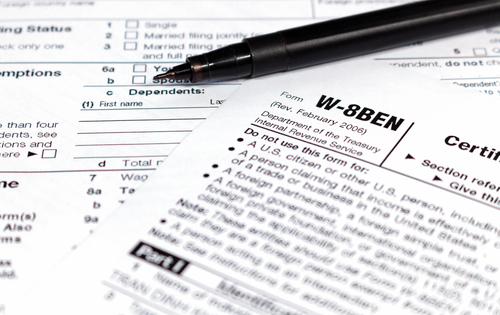
Collect Form W-8BEN or W-8BEN-E
Before issuing a payment to a Filipino contractor, request a completed Form W-8BEN (for individuals) or W-8BEN-E (for entities). This form certifies that the contractor is a non-U.S. person and documents their foreign tax status. Keeping it on file can help support your records.
A common question is whether you need to issue a Form 1099-NEC. In many cases, no. If the contractor is a non-U.S. person performing services entirely outside the United States, a 1099-NEC is often not required. The W-8BEN or W-8BEN-E is generally the key document to collect. That said, tax rules can depend on the specifics, so working with an accountant familiar with international contractor payments is a good idea.
Step 3: Agree on Payment Terms and Currency
Unclear payment terms can create confusion. Getting key details in writing before work begins can help prevent misunderstandings.
Confirm Payment Amount and Frequency
Agree on how much you’ll pay and how often — weekly, bi-weekly, or monthly — and include it in a written contract or service agreement.
Decide on USD vs. Philippine Peso (PHP)
You can pay in U.S. dollars or in PHP. Some Filipino contractors prefer receiving PHP because it can reduce exchange-rate uncertainty on their end. Confirm the preferred currency upfront and reflect it in your agreement.
Clarify Responsibility for Transfer Fees
International transfers often involve fees on one or both sides. Agree in advance on who will cover these costs — you, your contractor, or a shared arrangement.
Establish an Invoice and Approval Process
Ask your contractor to submit invoices before each payment. This helps keep records organized and supports your accounting workflow.

Step 4: Choose a Payment Method
Several options are available for sending money from the U.S. to the Philippines. Each comes with trade-offs in cost, speed, and convenience.
International Bank Wire
Bank wires are widely used. Transfers often take around 2–5 business days, though timing can vary. Both sending and receiving banks may charge fees, and exchange rates may differ depending on the bank or intermediary.
Local Bank Deposit in PHP
Depositing into a Philippine bank account in PHP is a common preference for contractors. It can reduce the need for the contractor to convert currency and may simplify reconciliation.
Cross-Border Payment Platforms
Dedicated payment platforms often offer more transparent pricing than traditional banks. Many deposit funds directly into a contractor’s local bank account. Delivery timelines and fees vary by provider, so compare options before committing.
Remitly Business, for example, is a licensed and regulated provider that displays pricing and estimated delivery time upfront — before you confirm the transfer. Payments go directly from your existing bank account, with no need to open a new account or wallet.
Step 5: Understand Delivery Timelines
Setting expectations on both sides can reduce follow-ups and stress.
Bank Cutoff Times
Banks typically process transfers during business hours. Payments initiated late in the day or on weekends may not begin processing until the next business day.
Time Zone Differences
The Philippines is about 12–15 hours ahead of U.S. time zones depending on daylight saving time. A payment sent on a Friday afternoon in the U.S. may not be received until the following business day in the Philippines.
Philippine Banking Holidays
The Philippines has public holidays when banks may not process transfers. If your contractor has a billing deadline, it helps to factor those dates in.
First-Time Payment Reviews
Some first-time international transfers can take longer due to verification procedures. Building in extra time for the initial payment may help. Once details are established, later transfers are often more predictable.

Step 6: Maintain Proper Records
Good recordkeeping is standard business practice and can help if questions arise later.
Keep the following on file for each contractor:
- Contractor Agreement: Signed scope of work, payment terms, and duration
- W-8BEN Form: Collected before the first payment
- Invoices: One per payment cycle
- Payment Confirmations: Receipts or transaction records from your bank or payment platform
- Exchange Rate Documentation: Especially relevant if paying in PHP
Organized records can support accounting processes and help simplify compliance work.

Common First-Time Mistakes to Avoid
Many payment issues can be avoided with a little planning. Here are common pitfalls:
Forgetting to Collect a W-8BEN
This is a common documentation gap. Request it before the first payment rather than after.
Confusing Contractor with Employee Classification
If the arrangement starts to resemble employment, consider getting professional guidance before moving forward.
Not Confirming Currency Upfront
Assuming your contractor wants USD when they prefer PHP — or vice versa — can create confusion.
Ignoring FX and Bank Fees
Fees can reduce the amount your contractor receives. Make sure both parties understand who is responsible for covering costs.
Sending Payment Too Close to Deadline
International transfers can take time. Sending payment on the due date may increase the chance of delays. Building in a buffer helps, especially for the first transfer.
What to Expect After the First Payment
The first international payment often involves the most setup. After that, the process is usually easier: your bank or payment provider may keep the contractor’s details on file, and timing may become more consistent. With a clear invoice and approval routine, payments can become simpler to manage over time.
Paying Filipino Contractors Can Be a Standard Global Workflow
Hiring freelance talent in the Philippines is common, and there are established ways to pay international contractors. U.S. compliance requirements are often documentation-focused — collect a W-8BEN, keep clean records, and follow a repeatable process that works for your business.
Clear payment terms help prevent misunderstandings. Over time, many businesses find that a repeatable workflow makes international payments feel more predictable and routine.
If you’re looking for a simple, transparent way to pay Filipino contractors, Remitly Business lets you send payments directly from the bank account you already use — clear pricing, and no hidden fees. Explore how Remitly Business simplifies global contractor payments for small businesses.
Frequently Asked Questions (FAQs)
Do I need to issue a 1099 to a freelancer in the Philippines?
Often, no. If the contractor is a non-U.S. person and services are performed outside the United States, a Form 1099-NEC is frequently not required. Consult your accountant to confirm based on your situation.
What tax form should I collect from a Filipino contractor?
Collect Form W-8BEN or W-8BEN-E before issuing any payment. It documents the contractor’s foreign status for your records.
Can I pay contractors in USD instead of PHP?
Yes. Both currencies are used. Some contractors prefer receiving PHP to reduce exchange-rate uncertainty. Confirm the preferred currency before the first payment.
How long does it take to send money from the U.S. to the Philippines?
It often ranges from 1–5 business days depending on the method, banks involved, and when the transfer is initiated. First-time transfers may take longer.
Do I need to withhold U.S. taxes from payments to a Filipino contractor?
In many cases, no — provided services are performed outside the United States and you have a completed W-8BEN on file. Because details matter, confirm with a qualified tax professional.