

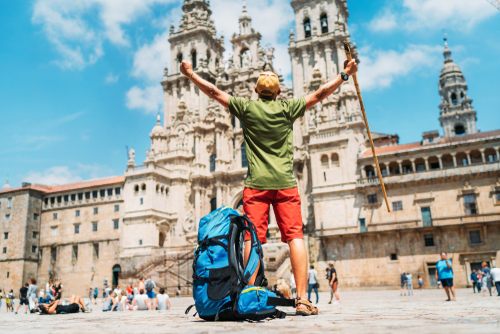
Quick Answer: The Camino de Santiago is a historic network of pilgrimage routes across Europe that ends at the tomb of Saint James in Santiago de Compostela, Spain. Hundreds of thousands of modern travelers walk the Camino each year for spiritual growth, cultural exploration, and physical fitness.
What exactly is the Camino de Santiago?
Definition and Meaning of the Camino
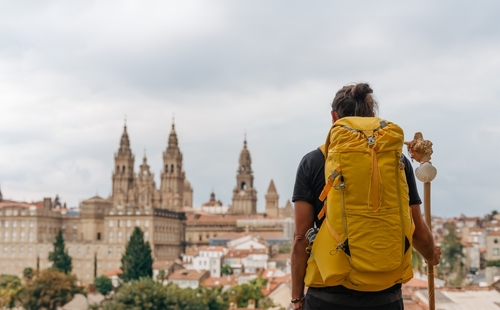
The Camino de Santiago is a vast network of pilgrimage routes spanning across Europe. All of these routes lead to a single destination: the Cathedral of Santiago de Compostela in northwestern Spain. Tradition states that the cathedral houses the tomb of Saint James the Apostle.
Why is it called the Way of St. James?
The name translates directly to “The Way of Saint James.” Saint James was one of the original twelve apostles of Jesus Christ. His historical and religious significance forms the foundation of this Christian pilgrimage tradition. Believers have traveled to his resting place for centuries to seek blessings and forgiveness.
How did the Camino de Santiago begin?
Origins in the Middle Ages
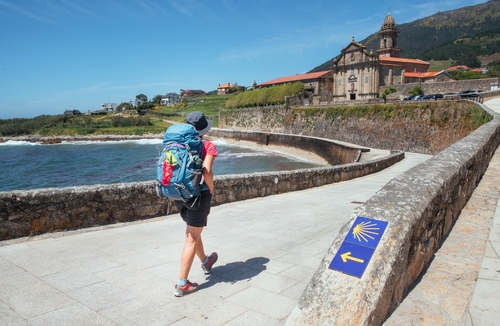
The pilgrimage started in the 9th century after the discovery of Saint James’ remains in Spain. Following this discovery, devout Christians began traveling from all over Europe to visit the holy site. The Camino quickly grew into a massive network of trails, supported by hospitals and monasteries built to shelter the passing pilgrims.
The Camino’s Revival
Interest in the pilgrimage declined during modern periods due to wars and political instability. However, the Camino experienced a massive resurgence in the late 20th century. The Spanish government promoted the routes, and the paths received UNESCO World Heritage recognition. Today, the trails are safer and more accessible than ever.
Why do modern travelers walk the Camino de Santiago?
Religious Pilgrimage
Many people still walk the Camino for faith-based motivations. They follow the same paths that early Christians walked centuries ago. This connection to a centuries-old tradition provides deep spiritual fulfillment.
Spiritual Growth
You do not need to be religious to benefit from the walk. Many travelers seek personal reflection. The quiet paths offer a perfect environment for mindfulness, self-discovery, and healing after major life changes.
Adventure and Travel
The Camino offers a unique way to explore Spain and greater Europe. Walkers experience local food, historic architecture, and beautiful landscapes at a slow pace. Along the way, you meet diverse people from around the world.
Health and Wellness
The journey is a significant physical challenge. Walking daily improves cardiovascular health and builds endurance. Unplugging from daily stress also provides profound mental health benefits.
Which Camino de Santiago route should you choose?
Camino Francés
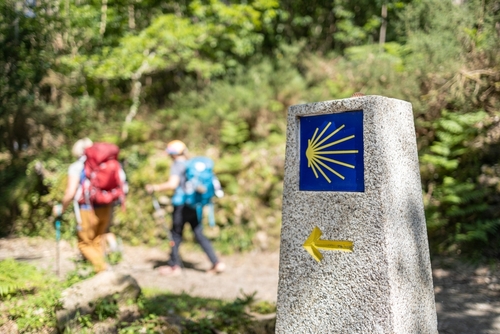
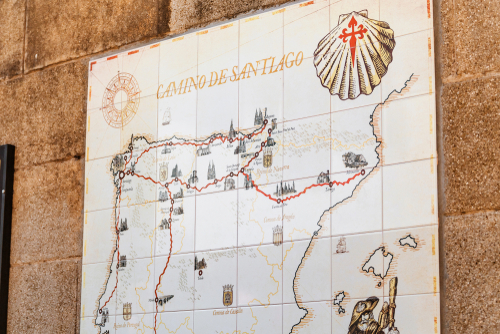
The Camino Francés is the most popular route. It starts in Saint-Jean-Pied-de-Port, France, and spans nearly 500 miles. Choose the Camino Francés if you want a highly social experience and excellent infrastructure. It is ideal for first-time pilgrims.
Camino Portugués
The Camino Portugués starts in Portugal, typically from Lisbon or Porto. You can choose between the Coastal variant or the Central variant. Choose the Camino Portugués if you prefer a flatter, slightly shorter journey with stunning ocean views.
Camino del Norte
The Camino del Norte runs along the northern coast of Spain. It offers spectacular scenic views of the ocean. Choose the Camino del Norte if you want a greater physical challenge and prefer a cooler, wetter climate.
Via de la Plata
The Via de la Plata is the longest major route in Spain, starting in the south. Choose the Via de la Plata if you want a solitary, less crowded experience through rural Spanish landscapes.
Camino Primitivo
The Camino Primitivo is the original historical route. It features rugged mountain terrain. Choose the Camino Primitivo if you are an experienced hiker seeking a physically demanding and deeply historical path.
How long does it take to walk the Camino de Santiago?
Typical Route Distances
The time it takes depends entirely on your chosen route and walking speed. The Camino Francés is approximately 500 miles and takes most people 30 to 35 days to complete. The Camino Portugués from Porto takes about two weeks. The Camino del Norte and Camino Primitivo vary but generally require several weeks of sustained walking.
The Last 100 Kilometers
You do not have to walk an entire route. To earn the official Compostela certificate, you only need to walk the last 100 kilometers, about 62 miles, into Santiago. This is a very popular option for travelers with limited time, usually taking around five days.
How physically difficult is the Camino de Santiago?
Physical Challenges
Walking the Camino requires physical effort. You will walk an average of 12 to 15 miles daily. Terrain variations include steep hills, rocky paths, and paved roads. Weather considerations, like intense summer heat or heavy spring rain, add to the physical strain.
Mental Challenges
The Camino tests your mental resilience. Fatigue builds up over multiple days of walking. Homesickness and minor aches can make staying motivated difficult. Mental preparation is just as important as physical fitness.
Is the Camino suitable for beginners?
Yes, the Camino is highly suitable for beginners. Different route options cater to all fitness levels. Training recommendations include walking regularly in your hiking shoes for a few months before your trip.
What are the Pilgrim Credential and Compostela certificates?
Pilgrim Passport (Credencial)
The Pilgrim Passport, or Credencial, is a document that identifies you as a pilgrim. You present it at accommodations to access special pilgrim hostels. You also collect stamps along the route at churches, cafes, and hostels to prove you walked the path.
Compostela Certificate
The Compostela is an official certificate of completion. To meet the eligibility requirements, you must present your fully stamped Pilgrim Passport in Santiago. You must prove you walked at least the final 100 kilometers or cycled the last 200 kilometers.
How much money does it cost to walk the Camino?
Budget Pilgrimage
A budget approach costs roughly $30 to $50 per day. You will stay in basic hostels, called albergues. You can use affordable dining options, like cooking your own food or buying the discounted “pilgrim menus” at local restaurants.
Mid-Range Experience
A mid-range experience costs $60 to $100 per day. You can book private rooms in guesthouses. This budget also allows you to use luggage transfer services, meaning you only carry a small daypack while walking.
Luxury Camino Options
Luxury options cost $150 or more per day. You will stay in boutique accommodations and historic hotels. Many people book guided tours that arrange all meals, transport, and lodging in advance.
What are the essential items to pack for the Camino?
Essential Clothing
Pack light. Use a layering strategy to adapt to changing temperatures. Bring weather-appropriate gear, including a high-quality rain jacket and quick-drying shirts.
Footwear
Footwear is your most important gear choice. Many modern walkers prefer lightweight trail runners over heavy hiking shoes. Pair your shoes with moisture-wicking sock recommendations, like Merino wool, to prevent blisters.
Important Accessories
Trekking poles help reduce the impact on your knees. Reusable water bottles ensure you stay hydrated between towns. Always carry first aid essentials, focusing specifically on blister treatment and pain relief.
What does a daily routine look like on the Camino?
Morning Routine
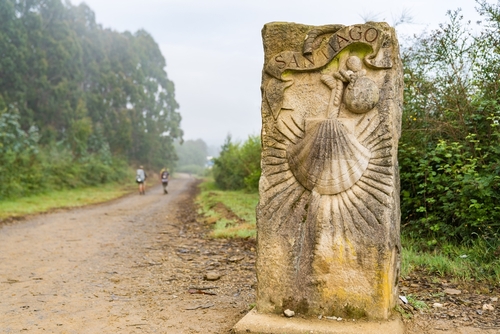
Pilgrims prefer early starts. Most people wake up around 6:00 AM to beat the afternoon heat. After packing up, breakfast stops usually involve coffee and toast at a local village cafe.
Walking Stages
Most walkers cover their daily distances at a steady pacing, finishing their walk by early afternoon. You will take short breaks every few hours to rest your feet and grab a snack.
Evening Activities
Afternoon check-in at your accommodation is a priority. After showering and doing laundry, the evening focuses on the pilgrim community experience. Walkers gather for communal dinners to share stories and rest for the next day.
When is the best time of year to walk the Camino?
Spring
Spring, April and May, offers beautiful blooming landscapes. The weather is generally cool, though rain is common. Crowd levels are manageable.
Summer
Summer, June through August, is the most popular time to walk. The weather is hot, especially in central Spain. Expect very high crowd levels, meaning you must book accommodations in advance.
Fall
Fall, September and October, provides cool walking temperatures and stunning autumn colors. The trails are less crowded than in summer, making it an ideal time for a peaceful journey.
Winter
Winter, November through March, is for experienced adventurers only. Many hostels close during these months. You will face freezing temperatures and snow on higher elevations.
Frequently Asked Questions About the Camino de Santiago
Do you have to be religious to walk the Camino?
No, you do not need to be religious. People walk the Camino for health, adventure, cultural appreciation, and personal reflection. All respectful travelers are welcome.
Can you walk the Camino alone?
Yes, walking the Camino alone is incredibly common and highly encouraged. The trail is well-marked, and you will easily meet other walkers along the way.
How many people walk the Camino each year?
According to the Pilgrim’s Reception Office in Santiago, over 400,000 people complete the journey and receive their Compostela certificate annually.
Is the Camino de Santiago safe?
Yes, the Camino is very safe. Violent crime is extremely rare. Basic common sense regarding personal belongings is enough to keep you secure.
Can Americans walk the Camino?
Yes, Americans can walk the Camino. U.S. citizens can stay in the Schengen Area, which includes Spain, France, and Portugal, for up to 90 days without a visa.
Is walking the Camino de Santiago worth it?
The Camino de Santiago offers a secure and fulfilling way to experience Europe. It combines history, culture, physical challenge, and personal growth into a single journey. Millions of people have found clarity and joy on these ancient paths.
We encourage you to choose a route that fits your personal goals and schedule. Taking the first step requires courage, but the supportive pilgrim community will guide you the rest of the way.



