

Key Highlights
Here’s a quick look at what you need to know about the weather in Iran:
-
Iran has different climates, and some parts of the country go through four seasons.
-
You can get daily and hourly forecasts for cities like Tehran. These give you details about wind speed, precipitation, and humidity.
-
It is usually hot and sunny in June, July, and the other summer months. This is true in the capital too.
-
There are 10-day forecasts that show high and low temperatures, so you can plan your week.
-
Visibility is often good, especially when there is a clear sky in the forecast.
-
Resources like AccuWeather show you weather maps and send alerts. These will keep you updated.
Introduction
Are you thinking about a trip to Iran, or do you just want to know about the weather there? Knowing about the weather is important if you want to have a good time. Iran, from Tehran that is busy and crowded, to its many different places, has many types of weather. In this guide, you will get everything you need. You will learn how to read daily forecasts, find out about the ways regions are not the same, and see how the seasons change. Let’s look at what the weather in Iran and cities like Tehran can be like, so you will know what to expect and can get ready for any kind of weather.
Understanding Iran’s Weather Patterns
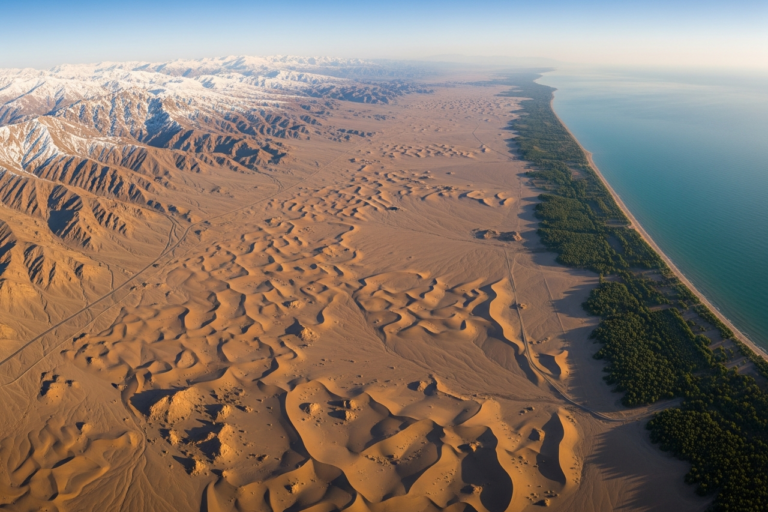
Iran has different types of weather because it is big and has many kinds of lands. The central area of Iran is dry and hot. But near the Caspian Sea, the weather is more mild. So, while one part can be very dry and hot, another area can be wet with high humidity.
Things like wind speed and how high the land is can change the weather a lot. Because of this, how much precipitation there is can be very different from one place to the next. That is why it is important to look at local forecasts when you want to know the weather in Iran. Next, we will talk about how weather in Iran changes in each region and season.
How Iran’s Climate Varies by Region and Season
The climate in Iran is not the same everywhere. It changes a lot based on where you are and the time of year. If you look at the northern parts near the Caspian Sea, you will see that the air has more humidity and there is more precipitation. This makes that area full of green plants all through the year. But the central and eastern parts, most of them are deserts. These places are very hot and dry in the summer.
The mountains in Iran, like the Alborz mountains near Tehran, have cooler days. In the winter, there can even be snow. In the summer, these mountains are a good place to get away from the heat. By the coastline in the south, along the Persian Gulf, the winters do not get too cold. But the summers there are very hot and full of humidity.
Wind speed can also change from one spot to another. In many places, you might feel a gentle breeze. But sometimes, the wind can pick up and get quite strong in the plains. In most areas, the sky is clear and there is a lot of sunshine. This is true, especially during summer. That makes it a good time for people who want to do outdoor activities, if they can deal with the heat.
Average Monthly Temperatures and Seasonal Conditions
Seasonal conditions in Iran bring distinct changes in temperature and weather. Winters can be quite cold, especially in the north and west, with temperatures often dropping below freezing. Spring and autumn are generally mild and pleasant, making them popular times for visiting. These seasons often see a moderate amount of precipitation.
Summers, particularly in June and July, are typically hot and dry across much of the country. In cities like Tehran, sunny days are the norm, and the temperature can climb significantly. For example, forecasts for early June show high temperatures consistently in the 30s Celsius (90s Fahrenheit).
Here is a glimpse of the expected daily high and low temperatures in Tehran for early June, illustrating the typical conditions you might encounter.
|
Date |
High Temperature (°C/°F) |
Low Temperature (°C/°F) |
|---|---|---|
|
June 3rd |
33°C / 90°F |
21°C / 70°F |
|
June 4th |
33°C / 92°F |
21°C / 70°F |
|
June 5th |
32°C / 89°F |
19°C / 67°F |
|
June 6th |
33°C / 91°F |
22°C / 71°F |
Iran’s Daily and Hourly Weather Forecasts
For the best planning, you should check daily and hourly weather forecasts for Iran. These reports show you what the day will be like. They tell you about the temperature and if it might rain. They also tell you the time of sunrise and sunset. This is great if you want to plan your activities, like hiking or going around a city.
By looking at these forecasts, you can get ready for your day. You will know if you should take sunscreen if it is sunny or take a light jacket if it is cooler later. Next, let’s see how you can check live weather and get detailed hourly reports for big cities.
Current Weather Observations and Updates
Getting up-to-date weather info is easy. You can see the current weather for places all over Iran, so you know what it feels like right now. For example, if you check Tehran, you might see that it is 29°C (84°F) with a soft wind coming from the northwest. This helps you get a good idea of the weather outside at this time.
The updates give you more than just the temperature. There is usually data on the humidity, and in Tehran, it can get as low as 7% on some dry days. Reports also tell you about visibility. It’s not rare to see “Very Good” visibility when there is a clear sky. This type of info comes in handy for people who want to take photos or do things where it’s good to have a clear view.
When you use these live updates, you can change your plans at the last minute if you need to. For example, you will know right away if the wind speed goes up or the humidity shifts. You can always be ready for the weather in Iran, stay comfortable, and make better plans wherever you go.
10-Day and Hourly Weather Forecasts for Major Cities
It is easy to plan ahead when you use the 10-day weather forecasts for cities like Tehran. These forecasts help you see what kind of week you will have. You can check high and low temperatures, wind speed, and normal conditions each day. For June in Tehran, the forecast often tells you there will be lots of sun. You will see the heat go up to 37°C—about 99°F. There is most often no rain or precipitation during this time.
If you need more detail for the day, the hourly forecast is helpful. You can track how the temperature and wind speed will change as you go from one hour to the next. For example, in the evening, it could start at 28°C and then cool down to 22°C by morning. At the same time, you might feel a soft breeze coming from the north-west.
Take a quick look at the sample weekend weather for Tehran and what you and other people might get if you visit:
-
Friday: Some sun and clouds, with a moderate breeze, and the high will be 32°C.
-
Saturday: Sunny most of the day, a light breeze, and it can go up to 33°C.
-
Sunday: Another day with sun, a moderate breeze, and the temperature gets to 34°C.
-
Monday: Still sunny, with a high of 34°C.
You can use these forecasts to see what is coming, and get ready for
Navigating Weather Alerts and Tools in Iran
Being safe when you are in Iran means you need to know where to check weather updates. You have to understand what weather alerts mean. Some days the weather will be fine, but high wind speed or storms can still happen anytime. So, it is important to use good and trusted sources when you want to know about weather changes. This helps you to be ready for any risk in the country.
There are many websites that give the latest weather reports. For example, AccuWeather and BBC Weather tell you what the weather will be like. With these websites, you can look at the weather for any city in Iran. They also let you know if alerts are active. In the next part, you will see how to find these alerts. We will also talk about where you can check updated weather maps.
Identifying Active Weather Alerts and Warnings
It is important to know where to check for weather warnings to stay safe in Iran. The best weather services like AccuWeather and BBC Weather will show big banners or messages on their city forecast pages if there are any warnings. These alerts are for things that might put people or travel at risk.
Weather warnings can be about many things. There might be alerts for high wind speed, and this can change travel plans or what people do outside. Some warnings are for heavy precipitation, which could bring flooding. Others might talk about poor visibility. This can happen when there are dust storms, especially in some of the dry places in Iran. Each warning will tell you what the problem is and how long it could last.
Right now in cities like Tehran, there are no big weather warnings, and forecasts show calm and clear weather. But, you should still check for alerts before you travel or start your day, because things can always change. This is a simple way to stay on top of weather in your area and keep safe.
Weather Maps and Tracking Resources
If you want a better look at the weather, it helps to use interactive maps. These maps let you see weather patterns across all of Iran, not just one city. You can watch clouds move, see where precipitation is, and look at temperature changes as they happen. This gives you a good idea of what is going on. A lot of weather websites and apps—like AccuWeather—have easy-to-use weather maps.
You can choose what you want to see on these tools. You might turn on layers to get info on things like wind, pressure, or satellite views. This is good for people who travel between places in Iran and want to see what will come next with the weather.
If you want the best results, use these helpful resources for watching weather in Iran:
-
BBC Weather: Gives detailed weather forecasts, past data, and an outlook map for the Middle East.
-
AccuWeather: Shows real-time radar, satellite maps, and has alerts for severe weather.
-
Online Search: When you search “weather map Iran,” you will find many options with interactive parts.
-
Mobile Apps: Most top weather services have apps where you can see maps and get new forecasts anywhere you go.
Conclusion
To sum up, it is important to know about the weather in Iran if you plan to go or stay there. The country has different climate patterns. These can change a lot from one region to another and from one season to the next. If you keep up with the latest forecasts and weather conditions, it will help you enjoy your daily life more.
You can use the latest alerts and many tracking resources on the web. By doing this, you will get the news you need to change your plans, stay safe, and have a good time in Iran. There may be sunny places in the south and snowy spots in the north. Every region in Iran is special in its own way, and the weather makes it even better.
For the best and most current weather forecasts, be sure to check trusted sources and use good tools.
Frequently Asked Questions
How accurate are weather forecasts in Iran?
Weather forecasts in Iran, especially for big cities, are usually accurate for things like temperature and visibility. Today, with new forecasting tools, we can also trust predictions for wind speed and short-term precipitation. But with Iran having lots of different land types, what you get in some mountain places or far-away areas may not always match the main forecasts.
What are typical summer conditions in Tehran?
In Tehran, the summer months, including June, are hot and dry. The sun shines most days, and you usually see a clear sky. Temperatures often go above 33°C (90°F). Humidity in Tehran is low, so the heat does not feel very heavy. Evenings cool down a bit, but they stay warm and nice.
Where can I find up-to-date weather information for Iran?
You can get the latest weather updates for Iran on top sites like BBC Weather and AccuWeather. These websites show forecasts for different cities. You will see details on temperature, wind speed, and humidity. They also have weather maps and alerts to keep you in the know.



