

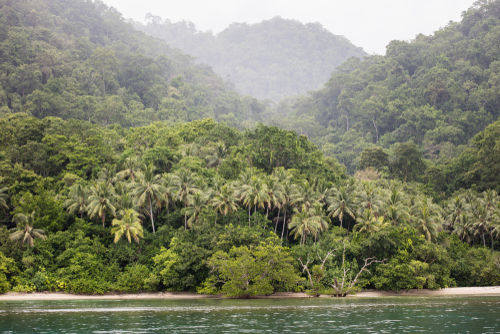
Key Highlights
- Papua New Guinea has a tropical climate. It stays warm all year.
- There are two main seasons in the country. One is a wet season with heavy rainfall. The other is a dry season.
- The weather changes a lot between the hot, humid coastal areas and the cooler and wetter highlands.
- The dry season runs from June to October. This is usually the best time to visit new guinea.
- You can get good weather forecasts and warnings from official places like the Bureau of Meteorology.
- People should get ready for high humidity, strong sun, and some rainfall in papua new guinea at any time of year.
Introduction
Are you planning a trip to Papua New Guinea? It is good to understand the weather there before you go. This unique place sits just south of the equator and has many types of climates. There are hot and wet coastlines, along with cooler mountain areas. The weather changes a lot from one area to another. This guide gives you a simple run-down of the climate in Papua New Guinea. It will help you get ready for your visit no matter the time or part of the country you go to.
Climate Overview of Papua New Guinea
Papua New Guinea has a tropical climate. This means the weather is warm and humid most of the year. You will not see the four main seasons that many places have. Instead, the weather in Papua New Guinea is split into two main seasons: the wet season and the dry season. Each season has its own features.
Humidity is a big part of the tropical climate in this country. The temperature does not change much from month to month. But, the amount of rainfall goes up and down, depending on the season. Now, let’s take a closer look at how the dry season and wet season shape the climate, so you can get a good idea of what to expect in new guinea.
Key Weather Patterns and Year-Round Temperature
Papua New Guinea is near the equator, so it stays warm most of the time. In coastal and lowland parts, daytime temperatures are usually between 28 and 32°C (82 to 90°F) for the whole year. The air temperature is steady. You won’t see big changes, so there is a tropical feeling every time you visit.
At night, it stays warm too. The temperatures go down just a little after the sun goes down. This is what you get in places close to the equator. You do not need to bring clothes for cold weather. The high humidity makes the air feel even warmer than what the thermometer shows.
The warm air all year long is something special about New Guinea and Papua New Guinea. Temperatures do not change that much. The biggest difference during the year is the amount of rainfall and how much moisture you feel in the air as the seasons shift.
Seasonal Changes: Wet and Dry Seasons Explained
The biggest weather change in Papua New Guinea happens because of its two main seasons. These are based mainly on how much rainfall there is. If you know about these cycles, you can plan your trip better and pack what you need.
In the wet season, which is from December to March, Papua New Guinea gets heavy rainfall and high humidity. There are a lot of strong rain showers, often in the afternoon. The dry season is quite different and brings a break from this rain.
Here’s a simple breakdown of the main seasons:
- Wet Season (December to March): There is high humidity, and the rainfall is heavy and happens often.
- Dry Season (June to October): Rainfall is lower, humidity goes down, and there is more sunshine. This makes the dry season a good time for people to travel in Papua New Guinea, especially in June and October.
Regional Climate Differences in Papua New Guinea
Papua New Guinea’s weather changes from place to place. The land has both flat coast and tall mountains, and this creates different types of weather in each region. The biggest reason for these changes is altitude. This is what shapes the temperature and moisture in Papua New Guinea.
The coastal areas get hot and sticky, and the highlands are cooler and more wet. Because of this, you need to think about the weather when you plan your trip. If you go to both the coast and the hills, you must be ready for different weather in each place. Let’s talk more about what you can expect for weather in coastal areas and also in the highlands. We will also take a look at new guinea rainfall patterns by region.
Weather in the Coastal Areas vs. Highlands
The difference between Papua New Guinea’s coastal areas and highlands is easy to see. The coastal areas are very tropical. There is high humidity. Temperatures stay warm all year. You will be hot and may feel sticky most of the time. It is a good place for beach fun. But you need to stay hydrated and use sun protection.
When you go inland and reach higher places, the weather is very different. The highlands are cooler because they are at a higher altitude. The days are warm and nice. But it can get cold at night. The mountains catch moisture. So, there is a lot of rainfall and the air can be misty, even in the dry season.
Key differences include:
- Coastal Areas: Hot, high humidity, and steady daytime temperatures.
- Highlands: Cooler, most at night, with more rainfall and mist because of altitude.
Average Rainfall and Temperature by Region
To give you a clearer idea of regional variations, let’s look at some specific data. The capital, Port Moresby, has a distinct microclimate. It is located in a rain shadow, making it relatively drier than many other parts of the country, a detail shared by some parts of northern Australia.
In contrast, places like Lae on the north coast receive some of the highest rainfall totals in the world. The highlands, while cooler, also experience substantial rainfall. This regional variability is crucial for planning your travel itinerary. Daytime temperatures are generally consistent in the lowlands, but rainfall and humidity can differ greatly.
Here is a simplified look at typical conditions:
| Region | Average Daytime Temp | Rainfall & Humidity |
|---|---|---|
| Port Moresby | 28-31°C (82-88°F) | Lower rainfall, distinct dry season |
| Coastal Areas | 28-32°C (82-90°F) | High rainfall and high humidity |
| Highlands | 20-25°C (68-77°F) | Very high rainfall, cooler and misty |
Weather Forecasts and Official Updates
When you travel in Papua New Guinea, it is good to stay up to date with the latest weather forecasts. The weather can change fast, so knowing what is coming helps you plan your day and stay safe. This is true whether you go hiking in the highlands or if you dive on the coast.
You can get weather information from many places. Official meteorological services like Australia’s Bureau of Meteorology share data for the Pacific region. There are also online platforms and apps that give forecasts. Some use satellite images from NASA. The next parts will show you how you can look up these forecasts and know what weather warnings mean.
How to Access Current Weather and 10-Day Forecasts
Finding weather forecasts for Papua New Guinea is easy if you know where to look. For what you need each day, or for the week ahead, using online weather services is a good way. Many of these give lots of details for places like Port Moresby.
You can check details like the temperature, if it will rain, and how the wind will be. This can help you get ready for the day. A 10-day forecast helps you plan the days to come. But weather in places like this can change fast. Tropical weather is often not the same as the forecast, so keep that in mind.
To find the weather in new guinea or Papua New Guinea, you can:
- Official Meteorological Websites: Australia’s Bureau of Meteorology has a part just for Papua New Guinea.
- Global Weather Apps: Good weather apps on a phone can give the most recent forecasts for the place you want.
- Satellite Imagery: To look at a wide area, check out satellite maps from providers like NASA. You can see the clouds and storms this way.
Understanding Weather Warnings and Extreme Events
Papua New Guinea is a beautiful place to visit. However, people who go there need to know about some types of bad weather that can happen. It is important to understand these dangers and to know what weather warnings mean when you visit Papua New Guinea.
The biggest trouble in Papua New Guinea is from cyclones. These strong storms can happen between November and April. Cyclones bring fast winds, a lot of rain, and large waves. The rainfall can be heavy at any time in the year, and this can cause flash flooding or landslides. This is common in the highlands and in areas near rivers.
Travelers should listen for official weather warnings if the weather changes. Warnings might include:
- Tropical Cyclones: Updates about where the storms are going and how strong they are.
- Heavy Rainfall: A warning if big rainfall may cause floods.
- Tsunami Information: Alerts from the Pacific Tsunami Warning Centre for the area.
People in Papua New Guinea should keep an eye out and be ready if the weather turns bad. It is always best to check what news and local weather reports say before traveling, especially in the highlands during cyclone season from November to April.
Weather’s Impact on Travel and Tourism
The weather in Papua New Guinea is important for travel and tourism. There are wet and dry seasons, and these can change how easy it is to get to some places in new guinea, what outdoor fun you can enjoy, and what you should pack for your trip. If you plan your visit around the weather, your trip can be a lot better in the end.
When it’s the wet season, there can be heavy rain. This can make roads that are not paved hard to use, and it may mess up flights. The dry season has better weather for people who like to go trekking, diving, or exploring by the beach or in the forest. No matter which season you come in, the tropical climate means you need to use sun protection and have the right clothing. It’s smart to get ready for this type of weather. Now, let’s look at the best times to go and some other top things about the weather in papua new guinea for travelers.
Best Time of Year to Visit Papua New Guinea
The best time to visit Papua New Guinea depends on what you want to do there. But for most people, the dry season is the top choice. It is both popular and handy. In this season, it is easier and more comfortable to see New Guinea and its many places.
The dry season is usually from June to October. These months see less rainfall, not as much humidity, and more sunny days. This is the best time for most outdoor fun. You can hike the Kokoda Trail in the highlands, spot birds, or see festivals. Most cultural events in Papua New Guinea are held during this part of the year.
There is a good reason people suggest the dry season:
- Better for Trekking: Trails have less mud and you will have a safer walk.
- More Sunshine: Great for diving, snorkeling, and time at the beach.
- Fewer Travel Disruptions: Roads and airstrips stay open and safe to use.
So, if you want to get the most out of your trip to Papua New Guinea or see what New Guinea has, June to October is a good time.
Weather Considerations for Travelers
When you get ready for your trip to Papua New Guinea, it is very important to pack for the weather. In Papua New Guinea, you will need to handle the strong sun, high humidity, and sometimes rain. You want to stay safe and feel good the whole time you are there.
The sun feels very hot in this place, even when there are clouds in the sky. You cannot skip sun protection. Because of the high humidity, be sure to pack clothing that is light and lets your skin breathe. Clothes with moisture-wicking fabric work well because they dry fast. This will help you, as things here can stay wet for a long time.
Make sure you put these things in your bag:
- Sun Protection: High-SPF sunscreen, a wide-brimmed hat, and sunglasses are a must.
- Lightweight Clothing: Choose loose-fitting, breathable fabrics to combat the humidity.
- Rain Gear: A lightweight waterproof jacket is always a good idea, even in the dry season.
Conclusion
To sum up, it is good to know about the weather in Papua New Guinea. This is true for people who live there and for those who want to travel. The local weather can be different if you go from the coastal areas to the highlands. This shapes the way people go about their day and make plans to move around.
If you know more about how the weather changes each season and the main weather trends, you can pick a good time to visit new guinea. This also helps when you want to go outdoors for anything. No matter if you are getting ready to travel or you just want to stay up to date, it is smart to check the weather forecast and think about any risks. This will help make your visit better. If you need advice for your trip or want more info, you can always ask.
Frequently Asked Questions
What are the main weather hazards in Papua New Guinea?
Some main weather problems people face in Papua New Guinea are tropical cyclones and heavy rainfall. Cyclones may happen from November to April. These storms and heavy rainfall can cause things like flash floods and landslides. Papua New Guinea is in a spot where there is also a risk of tsunami. That is why it is good to follow official warnings about extreme events in New Guinea.
How does Papua New Guinea’s weather impact daily life and activities?
The weather has a big impact on how people live every day. The main seasons in New Guinea decide when farmers plant and gather crops. When there is heavy rainfall, it can create problems for getting around and make it tough to travel. During the daytime, high humidity and steady temperatures mean people in New Guinea like to do most jobs or go out when it is cooler. This way, they can avoid too much heat and humidity.
Where can I find reliable weather information for Papua New Guinea?
You can get up-to-date forecasts and rainfall info for Papua New Guinea on official weather websites like the Bureau of Meteorology in Australia. There are also global weather apps and websites that show new data for cities like Port Moresby. If you want a bigger look at the weather, you can use NASA’s satellite images to see what is going on across new guinea.



