

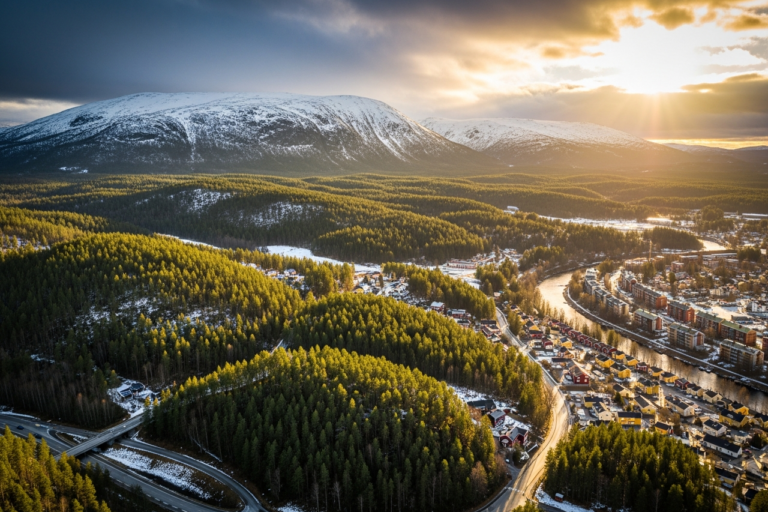
Key Highlights
-
Sweden has weather that is not as cold as you might think for its northern latitude. This happens because the warm Gulf Stream brings heat.
-
There are three climate zones in the country. Because of this, there are big changes in weather in different places.
-
Southern Sweden is mild. The winter here is not too cold. Northern Sweden gets a subarctic climate and has cold winters that last a long time.
-
There are four seasons in Sweden. Each season gives a new thing to do or see.
-
Daylight hours in Sweden change a lot. In summer, the far north has the midnight sun. In winter, in that same area, the nights can be so long you do not see the sun for days.
Introduction
When you think about Sweden, you may picture snowy places. This is true for some parts of the year. But the weather conditions in this northern Europe country can be very different. The warm Gulf Stream helps Sweden be warmer than many people think. You get four seasons in Sweden—spring, summer, autumn, and winter. Each one has its own things that make it special. That is why this part of Europe is a good place to visit at any time of the year.
Understanding Sweden’s Climate Zones
Sweden is a long country. Because of this, the weather can change a lot from one part to the next. You will see different weather in the north, the center, and the south of Sweden.
In southern Sweden, you get a temperate climate. This means the weather is not too hot or too cold. In northern Sweden, there is a subarctic climate. This gives you long and cold winters. The middle part, called Svealand, sits between the two. It brings a mix of both kinds of weather. So you see, Sweden has many types of weather across the country.
Distinct Differences Between Northern and Southern Sweden
The weather in northern sweden and southern sweden is very different. In the area called Götaland, which is in the south, winters are mild and you do not see much snow, especially along the coast. Summers in this part of sweden are pleasant, and the average temperatures are usually between 15 and 25 degrees Celsius.
When you go north to norrland, the weather changes a lot. Many people think the cold winters you get in northern sweden happen all over the country, but that is not true. There are long and cold winters in norrland, with freezing days that can last for months. You will see much more snow here than in the south.
Even though winter in the north is hard, the summers in northern sweden can still be nice. Many days will be around 15 degrees Celsius. Sometimes, it can even get up to 30 degrees. This big difference between north and south is a key part of why the way sweden’s weather works is so interesting.
Influence of Geography on Local Weather
Sweden’s geography has a big effect on its weather. The country stretches from 55°N to 69°N. Because of the wide latitude, Sweden is in both temperate and subarctic zones. This long stretch from north to south is why there are many kinds of weather in the country.
One of the most important things controlling the climate is the Gulf Stream. The Gulf Stream is a warm ocean current. It brings mild air to Sweden, especially in the south part of the country. This keeps temperatures from getting as cold as in parts of Russia that are at about the same latitude. The long coastline along the Baltic Sea is also important. It makes coastal areas more humid and changes temperature there.
This geography changes daily life in Sweden. People in the north plan much of what they do around the long, snowy winters. But in the southern part of the country, life fits milder and more temperate weather.
Sweden’s Main Weather Patterns and Annual Seasons
Sweden has four clear seasons. The weather can change a lot from one time of year to the next. In spring, the country wakes up with new life. In winter, it is dark and feels cozy. Each season in Sweden stands out in its own way. There is change in precipitation too. In the south, people get more rain. In the north, snow is common when it is cold.
One thing that stands out in Swedish weather is how much daylight changes. It really depends on what part of the country you are in and which season it is. These big changes in daylight and precipitation shape how people live in Sweden.
Typical Seasonal Changes Throughout the Year
Each season in Sweden has its own feel, and the country goes through big changes as the year moves on. The change from one season to the next is something that people in Sweden look forward to. The hours of sunshine can swing a lot, and that affects how people plan their days and even when they have national holidays.
The year goes by in a smooth way, and you get to see a new side of Sweden when each season comes. Here’s what you can expect about the daylight hours, the weather, and what people do during each season:
-
Spring (March–May): It starts to get warmer fast, all the snow melts away, and there are many more daylight hours. The weather in spring is not easy to guess, but everything in nature starts to come back to life.
-
Summer (June–August): Summer comes in with mild or warm air and long days because there is a lot of daylight. If you are in the far north, you see the sun stay up all day and night. It is the time when people talk about the midnight sun.
-
Autumn (September–November): The air gets cooler little by little, and there is more rainfall. The trees in the forests become bright with lots of colors. Up north, the first snow sometimes falls as autumn heads into November.
-
Winter (November–March): Winter in Sweden is cold and dark for most of the country. It is a
Notable Extreme Weather Events and Phenomena
Sweden is known for not being as cold as you might think for how far north it sits. But the country still gets some wild weather. The weather can be much different depending on where you are, and the seasons play a big role. In the north and the middle of Sweden, there is a lot of snow during the winter.
Sweden also has other things you do not see everywhere. Along with normal things like changes in wind speed or how much rain or snow falls, some things in Sweden really stand out. People love these things and visitors often come to see them.
Here are some of the things you can see in Sweden:
-
Northern Lights (Aurora Borealis): In northern Sweden, the sky can fill with the northern lights when winter nights are very long and dark.
-
Midnight Sun and Polar Night: In the far north, you get weeks when the sun does not set at all in the summer. This is called the midnight sun. In winter, there are weeks when the sun does not rise. This is called the polar night. People get a lot of time with sunlight, or almost none at all, because Sweden is so high up in latitude.
Average Temperatures Across Sweden
Understanding the average temperatures across Sweden helps illustrate the distinct climatic differences. The country has seen its temperatures rise faster than the global average, but significant regional variations remain. Winter temperatures in the far north are drastically different from those in the south, showcasing the impact of latitude. The south experiences milder conditions, while the north endures much colder winters.
To give you a clearer idea, here is a breakdown of average temperatures in Sweden’s main climate zones. As you can see, there’s a noticeable drop in temperature as you move northward.
|
Region |
Climate Zone |
Average Winter Temp. |
Average Summer Temp. |
|---|---|---|---|
|
Southern Sweden (Götaland) |
Temperate |
-2°C |
17°C |
|
Central Sweden (Svealand) |
Humid Continental |
-5°C |
16°C |
|
Northern Sweden (Norrland) |
Subarctic |
-15°C |
14°C |
What to Expect in Winter and Summer
Winter and summer in Sweden feel very different. Summer is a joyful time. There are long summer days and people love to be outside. They visit parks and spend time at cafes while the sun stays up, even late at night. Up in Norrland, the days are even brighter. The daylight can last all night because of what is called the midnight sun.
Winter is much more quiet. People in Sweden spend more time inside, especially in midwinter. Up north of the Arctic Circle, the sun never comes up for a long stretch, called polar night. During this time, people in Sweden get together indoors with their family and friends. They light candles to make things warm and cozy because it is so dark.
But even when it is cold, people find ways to stay active. Winter in Sweden brings fun holidays like Christmas. Many also enjoy winter sports and get out into the snowy world to make the most of the season.
Rainfall, Snow, and Daylight Hours
Precipitation in Sweden changes a lot depending on where you are and the time of year. In the south, it will be mostly rainfall, and even in winter, the weather stays mild, with rain coming down more than snow. If you go further north, the precipitation you get in winter is mostly snowfall. This is great for those who like winter sports.
But the biggest change in Sweden is in daylight hours. In summer, people all over the country see long daylight, with the sun still up late at night, even in the south in places like Malmö. In the far north, there will be times when the sun does not set for weeks; it stays light all day and night.
In winter, though, everything flips. The south may have a few hours of daylight, but in the far north, there is what they call polar night. This means the sun does not come up over the horizon at all. The way daylight can change so much is a big part of life in Sweden.
Conclusion
To sum up, it is important to know about the weather in Sweden if you live there or plan to visit. The country has different climate zones and changing seasons. This means you can see many kinds of weather in Sweden during the year. In the north, you will find snow. In the south, the weather is often less cold. If you know about the weather in the area, you will enjoy your time in Sweden more.
If you want to spend time outside or just watch the seasons change, check how hot or cold it can be. Knowing about days when the weather can get wild will also help you pick what to do. Always look up live weather news before you travel to Sweden. This way, you can get ready for anything that comes your way.
Frequently Asked Questions
How Reliable Are Live Weather Updates for Sweden’s Major Cities?
Live weather updates for big cities like Stockholm are very reliable. The forecasts use real-time weather data from the Swedish Meteorological and Hydrological Institute (SMHI), which people trust. This means the date weather information you get for temperature, precipitation, and wind is always right and current.
What Should Travelers Pack for Sweden Based on Typical Weather?
Layering is important. If you travel in autumn or during cold winters, you should pack warm clothes. Bring waterproof outerwear to deal with rainfall or snow. You will also need strong boots, especially when it is very cold. If you want to do winter sports, you should have gear made for that. In summer, pack light clothes, but you should still bring a jacket for cool nights.
Where Can I Check Current and Forecasted Weather for Swedish Cities Online?
You can get up-to-date weather conditions for cities in Sweden, like Stockholm and Gothenburg, online. The websites that use data from the Swedish Meteorological and Hydrological Institute (SMHI) give good and real-time information. They also have forecasts for many days so you can plan your activities in Sweden with ease.



