

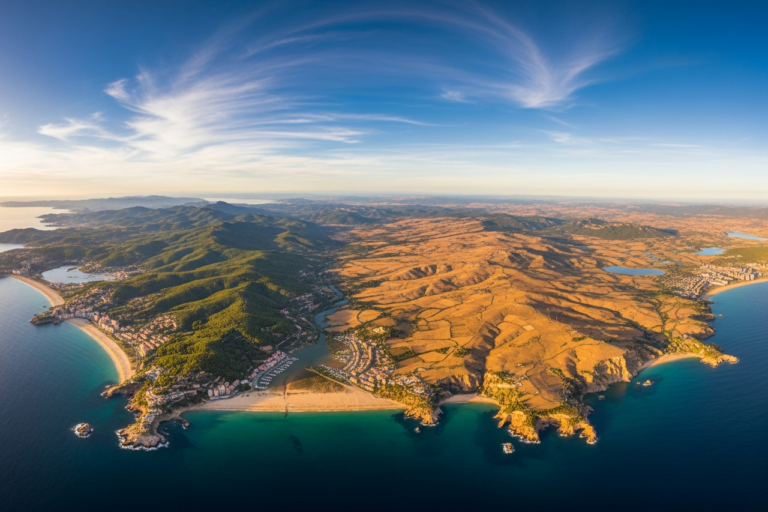
Key Highlights
-
Spain has different weather conditions in each area. The country gets hot summers and mild winters in the south. The north is cooler and has more rain.
-
The country has several climate zones like Mediterranean, Oceanic, and Continental. Each one gives you a new experience.
-
In the summer, there are many hours of sun and high temperatures. Winters are usually mild, but the coldest month can be chilly, especially inland.
-
Northern Spain has weather from the Atlantic. It gets more rainfall and wind speed changes here.
-
Spain’s big cities like Barcelona, Madrid, and Seville all have their own unique climates. This affects the best time you would visit.
Introduction
Are you thinking about a trip to Spain? You will have a great time! The country is famous for being one of the sunniest spots in Europe. There are many weather conditions you can experience here. The sun shines bright in the south. Up north, you will see green land. Spain’s weather is as different as its people and places.
Spain is between the Atlantic Ocean and the Mediterranean Sea. This spot gives the country unique types of weather. So, you can visit Spain any time in the year. If you know what the weather will be like, you can make the most of your trip. You will be ready for a fun Spanish holiday.
Key Climate Zones Across Spain
Spain’s land is different in each part of the country. Because of this, there are many weather types in Spain. It is easy to see how the weather can go from hot to cool. The country is special, and there are a lot of changes as you go from place to place.
The southern and eastern coasts of Spain have hot summers and mild winters. The weather here comes from the sea, so you can expect many sunny days. The north coast, though, is near the Atlantic Ocean, so it has cooler days and more rain.
Some places inside the country have a different kind of weather called the continental climate. All of this shows how you can find what you like in Spain. If you want beaches with lots of sun or mountains full of green views, it’s there.
Let’s talk more about these places. We will go from the warm Mediterranean coasts to the green north. We will also look at the big, open areas in the middle of Spain.
Mediterranean Climates: Coastal Cities and the Islands
The Mediterranean climates shape much of Spain’s coast. This includes busy cities like Barcelona and Valencia. The country is known for its hot summers and mild winters. People like to visit here all year. If you come in the summer, you will find sunny days and high heat. It’s great for the beach.
Rain does not come often in these places, and in the summer it is very dry. Most rain falls in autumn and winter, but it is not heavy. Rain rarely lasts long or stops your plans. Because of this, there are still many sunny and clear days, even when it is cooler.
This nice weather helps the coastal parts of the country to be loved by many. Warm seas, lots of sun, and mild winters bring people from all over. You can look forward to a good trip in Barcelona, Valencia, or other spots in Spain in any season.
Oceanic Climates: The Green North
In the north of Spain, the weather is not like it is in the south. People call this part “Green Spain.” There is an Oceanic climate here. Cities such as San Sebastian are by the Atlantic Ocean. These areas get more rain and their temperatures stay moderate most of the year. This is why the land is so green and full of life.
The winters are cool, and there are a lot of rainy winters. Sometimes strong winds blow in from the Atlantic Ocean, too. January is the coldest month. Still, when summer comes, the weather is really nice. It is warm, but not too hot to be outside and enjoy your day.
Even though summers here are a bit cooler than on the Mediterranean coast, it still can get pretty warm now and then. The humidity can be high, but this weather is good for people who want milder summer days and green views all around.
Continental and Semi-Arid Zones: Inland Spain
The middle part of Spain, including Madrid, has a type of weather called a continental climate. This means there are big changes in temperature from summer to winter. The hot summers here can be much stronger than what you find in other parts of the country, while winters are cold. This is very different from the softer weather on the coast.
In summer, Madrid gets very hot. It can be one of the hottest places in all of Spain. In winter, when the coldest month comes, it gets pretty chilly. There is more wind speed on the high land around the city, so it can feel even colder. Some days, the weather conditions make it hard to see clearly, so visibility might get low at times during the year.
Still, this kind of weather also has good points. Spring and autumn bring nice days, with mild air and plenty of sunshine across the heart of Spain. A lot of people think these seasons are the best time to enjoy Madrid and other places inland. You get to be in the country when it is not too hot or too cold.
Typical Weather Patterns by Season
Knowing about Spain’s weather each season can help you pick the best time for your trip. The country has four different seasons. Each one shows a new side of Spain. Summer can be very hot, while winter is cool and fresh. Weather in Spain can also change a lot by the time of year and where you are.
So, if you want to enjoy the sun at the beach or spend a quiet time in a city, it’s good to know what the weather is like. This will help you pack the right things and really enjoy your visit. Now, let’s see what summer is like in Spain. After that, we will talk about the other seasons in the country.
What to Expect in Spanish Summers
Spanish summers, mostly from June to August, are known for hot summers with lots of sunshine. In the south and center of the country, it can get very hot. This is a great time to be on the beach or by the pool. Cities near the sea, like Malaga and the Balearic Islands, get long days. You have an early sunrise and a late sunset, so there is plenty of time to have fun.
Humidity can go up too, mostly in places by the sea. In cities like Majorca, the heat with humidity makes it important to drink enough water. Cities inside the country, like Madrid, get dry air with very hot weather, mainly in July and August.
To enjoy the hot summers, many people follow the local way: go outside in the morning or later in the afternoon. Take a break during the hottest part of the day. Make sure to bring light clothes, sunscreen, and a hat to stay safe and cool.
Winters, Autumns, and Springs in Spain
Outside of summer, the weather conditions in Spain change and give you a new experience. The country is still lovely, though. Many people say that autumn and spring are the best time to visit, especially in months like April, May, September, and October. During these months, you can have good temperatures and there are not so many people, even in the most popular cities.
Spain is known for mild winters, mainly in the southern and coastal places. December is the coldest month for much of the country, but a city like Malaga can still get long hours of sunshine with nice daytime temperatures. There is more rain in winter, mostly in northern parts.
Spring is a good time in Spain. The country sees lots of flowers and the air starts to get warm but does not get too hot. Autumn gives a cool feeling and the leaves begin to change. Both these seasons are great if you want to explore cities and the countryside without the strong heat of summer.
Notable Regional Weather Differences
The weather in Spain’s main cities can be very different. Barcelona, which is by the water, has a different feel than Madrid. Madrid is more inland, and then there is Seville, which gets lots of sun in the south. The reason for these changes is where each city is on the map. This can change things like the temperature and how much humidity there is.
It helps to know about the weather in these areas when you make travel plans. Do you want nice sea air near the coast, dry hot air further in, or a warm climate like you find close to the tropics? That will help you pick a city in Spain that works for your trip. Let’s look at the weather in Barcelona, Madrid, and Seville and also talk a little about what the weather is like on the islands.
Weather in Barcelona vs. Madrid vs. Seville
The weather conditions in Barcelona, Madrid, and Seville offer three very different Spanish experiences. Barcelona, on the Mediterranean coast, has hot summers and mild, somewhat rainy winters. Its coastal location means humidity can be a factor, but sea breezes offer some relief.
Madrid, in the center of the country, has a continental climate with very hot, dry summers and cold winters. The temperature difference between seasons is much more pronounced here than in coastal cities. Seville, in the southern region of Andalusia, boasts one of the hottest climates in Europe, with scorching summers and very mild winters. Rainfall is low, especially in summer.
To give you a clearer picture, here is a general comparison of average summer weather conditions.
|
City |
Average Summer Temperature |
Humidity |
Rainfall |
|---|---|---|---|
|
Barcelona |
81°F (27°C) |
Moderate to High |
Low |
|
Madrid |
88°F (31°C) |
Low |
Very Low |
|
Seville |
95°F (35°C) |
Low to Moderate |
Extremely Low |
Unique Weather in Canary and Balearic Islands
Spain’s islands have some of the best weather in the country. The Balearic Islands, like Majorca and Ibiza, are in the Mediterranean Sea. They have hot summers and mild winters. Rain is not common, especially from June to August. These islands have lots of sunny days.
The Canary Islands are set off the northwest coast of Africa. They are well known for their spring-like weather all year. Because of where they are, the temperature doesn’t change much as the seasons go by. You will get warm, sunny weather if you visit in July or in January. That is one reason why many people pick them for a trip at any time.
Both of these island places are great for people who want a lot of sunshine and warmth. The Balearic Islands are a good pick for a classic summer beach trip. The Canary Islands are perfect if you want to get away from cold weather in the winter. They always have mild and nice weather conditions.
City-Specific Weather Reports and Forecasts
When you get ready for your trip to Spain, you should check the weather for each city you go to. The weather report for the whole country will not show you how much the weather can change from city to city. If you know what the weather will be like in Madrid, Barcelona, or Malaga, you can plan your days and pick out your clothes better.
It’s easy to find good information. There are a lot of places online where you can look up recent weather for any city in Spain. Here, you will learn how to find the most up-to-date weather and what you should know about the accuracy of local reports. This way, you will always be ready.
How to Access Current City Weather (Madrid, Barcelona, Malaga, and More)
It is easy to check the weather for cities in Spain like Madrid, Barcelona, and Malaga. There are many websites and weather apps that give you the latest details. You will get real-time updates and reports, so you know what the weather will be like when you get there. If you want a fast update or a look at the next 10 days, you can find it quickly.
When you use these tools, it makes your travel planning simple. You can find out if you need to bring a jacket for night time, or see when is the best day to go to the beach. The weather can change suddenly, so it is good if you check before you travel and during your stay.
Here are some ways you can get the weather for Spanish cities like Madrid and Barcelona:
-
Online Weather Websites: Websites like AccuWeather, The Weather Channel, and AEMET (Agencia Estatal de Meteorología) from Spain give the details you want.
-
Mobile Weather Apps: Your phone can give weather info with its app, or you can download one for new updates and alerts.
-
Local News Broadcasts: You can watch TV or listen to the radio in Spain for weather segments that come from local news programs.
Understanding Local Forecasts and Accuracy
When you check the weather forecast for Spain, you will find that it is usually right, especially for the next day or two. The Spanish weather agency, AEMET, gives data people trust. Many good weather apps and sites use their news. Their updates are pretty good for the coming 24 to 72 hours.
Still, weather conditions can be hard to guess for more days out. This is true for every place, not just Spain. If you are by the sea or in the mountains, things can change fast. A forecast may say you will get sun, but you might get clouds or a quick shower because of local changes. It is best to check the weather every day while you are on your trip.
Most detailed forecasts for Spain also tell you about wind speed, humidity, and visibility. If you know about these, you can plan your day better. This is even more important if you want to go hiking or do water sports. Things like wind speed, visibility, and humidity can make a big difference during these activities.
Weather Extremes and Anomalies in Spain
Spain is famous for nice weather. But the country does get strange and harsh weather sometimes. Hot summers can bring record heat. Cold days and heavy snow show up, too, mainly in the middle and north mountain areas. These times can mess things up, but they are just part of Spain’s climate.
It is good to know about the country and the odd weather. If you know things that have happened before, you will get why today’s weather matters. You will also be ready if something strange pops up. Next, I will talk about some of the big weather records and how wild weather could change your plans when you travel in Spain.
Record Temperatures and Unusual Events
Spain is a country that has had some very high and low temperatures. In the hot summers, heatwaves can make it get very hot, mostly in the south. Andalusia is a place in the south that feels this the most. Cities there have some of the highest temperatures in Europe. This shows how strong the summer heat can get in parts of Spain.
But, things change in the coldest month. Winters are usually mild in the country, but sometimes there are cold snaps. Northern and central Spain can get freezing weather and lots of snow. This can stop travel and cause problems. These cold weather conditions are not as common in the south, but they show that Spain has many kinds of weather.
Besides hot and cold days, the country also gets strong weather like heavy rain, floods, or even droughts. Most people do not have to worry about these every day. But these events show how the weather can change a lot and remind us of the power of nature in Spain.
How Weather Conditions Can Affect Travel
Bad weather can change your travel plans in Spain, so it is smart to get ready for it. Most of the time, you will not face big problems, but it helps to know what can happen. If you know what to watch for, you can deal with tough weather and keep your trip going. Things like wind speed and low visibility can cause changes to your travels.
For example, high wind can stop ferry services if you plan to visit the islands. Fog or heavy rain can make it hard to see and may slow down flights or make it risky to drive. In the winter, snow in the mountains can mean roads are closed. During hot summers, the heat can shut down hiking trails because of fire risk.
Here’s how weather conditions might affect your travel in Spain:
-
Transportation Delays: High wind speed, heavy fog, or snow can slow down or even stop flights, trains, and ferries.
-
Activity Cancellations: Is the weather bad? Things like boat tours, hiking, or beach days may not happen.
-
Road Closures: Lots of snow in winter or wildfires during summer can shut down roads. This happens more in mountain or country areas.
-
Health Precautions: If it is too hot in summer, you need to take care. Drink water and rest during the hottest time of the day.
Conclusion
Understanding the weather in Spain helps you plan your trip and enjoy your time in this lively country. The weather changes in many parts, like the Mediterranean coasts, the green north, and the dry plains. Each place in Spain has its own kind of weather.
If you know about the usual weather patterns in every season and notice how regions are different, you can get ready before you go. Look at trusted forecasts for each city to help with your travel plans.
In Seville, you can feel warm sunshine. In Barcelona, you may get cool breezes. When you know what to expect, you can enjoy your visit even more. Keep checking for updates, accept whatever weather comes your way, and have fun in Spain!
When you want to plan more, you can look at live weather updates or forecasts made for your travel plans.
Frequently Asked Questions
Where can I check the weather in Spain right now?
You can check the weather conditions in Spain on trusted sites like AEMET (Spain’s national weather service). You can also use well-known apps like AccuWeather. These pages and apps give current forecasts for places like Madrid, Barcelona, and Malaga. They help you plan your day better.
How does Spain’s weather affect travel plans?
Weather conditions in Spain can change your travel plans, especially when things get bad. High wind speed can delay ferries. If there is low visibility because of fog, flights could get held up or stopped. In winter, snow can close mountain roads. It is always a good idea to check the weather before you go, so you don’t run into any problems.
Are weather forecasts in Spain reliable?
Yes, weather forecasts in Spain are mostly good, especially when it is for the next one to three days. The country gives out the data, and it is quite trusted. If you are in a city like Madrid, you can count on the weather report. But in some places like the mountains or near the coast, the weather can still change fast.



