

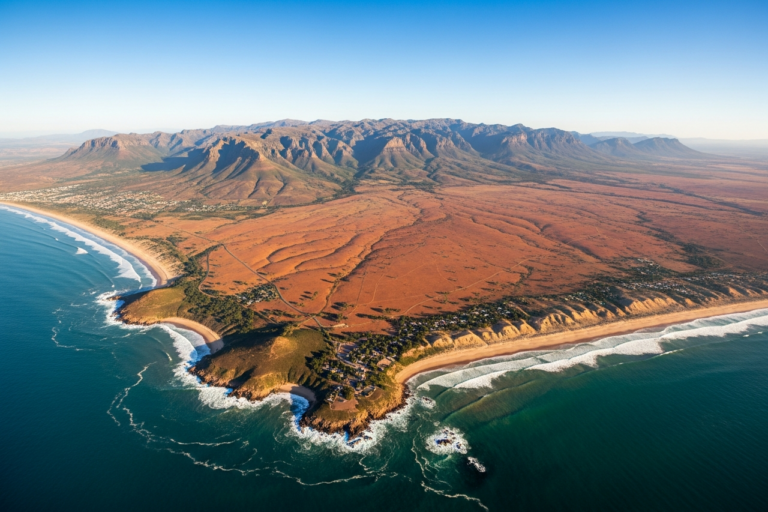
Key Highlights
-
South Africa has many kinds of weather. There are dry deserts in the northwest. The east coast gets a lot of rain and feels warm.
-
In most places in South Africa, rain comes in the summer. But Cape Town and the Western Cape have what is called a Mediterranean climate, so they get rain in the winter.
-
There is a lot of sunshine in South Africa. The country sees about 2,500 hours of sun each year.
-
The average annual rainfall in South Africa is around 464 mm. This is much less than what other parts of the world get.
-
The temperatures in South Africa change because of elevation and ocean currents. It is not just the latitude that makes the difference.
-
Along the coast, the weather is different. The west coast has the cold Atlantic Ocean, and the east coast sits by the warm Indian Ocean.
Introduction
Are you planning a trip to South Africa? It is good to know how the weather works there. Many people think Africa is the same everywhere, but that is not true. The weather in South Africa is different from many places. The country is in southern Africa and you will find all types of weather. There are hot and dry deserts, but also green areas near the sea. This guide helps you know what south africa weather patterns are like. You can use this to know what to take with you, no matter when you go or what place you visit.
Overview of South Africa’s Climate
The weather in South Africa is often sunny and dry, but it is not the same everywhere. South Africa is known as a semi-arid country. The average annual rainfall is about 464 mm, which is much lower than what the world gets. Because South Africa is in the southern hemisphere, its seasons are not the same as those in North America and Europe.
The high elevation in South Africa plays a big part in its climate. Most of the country is on a large plateau, so it is cooler than some other places at this latitude, like Australia. These things come together to make a mix of different climate zones across this area of southern Africa.
Key Features of South Africa’s Weather Patterns
South Africa has many types of weather that change by region. The weather can change from day to day. Still, there are some things you can count on that go with the area and season. For example, if you are in the middle part of South Africa, you will see lots of sunny weather most of the year.
In the summer months, many parts of South Africa, and the highveld, will start the day with clear skies. Later in the afternoon, there will often be afternoon thunderstorms. These storms do not last long. They are strong but usually end fast and leave the air smelling fresh. In the winter, the weather is different. Some main things to know about winter in South Africa include:
-
Dry, sunny days: Winter days will be nice, mild, and full of sunshine in many places in the middle of Africa.
-
Cold nights: Even though the days are pleasant, winter nights and mornings can get very cold, sometimes almost to freezing, mostly on the high plateau.
It is good to know these weather patterns before you plan what to do, like going on a safari or seeing the cities. Because there are warm days and cold nights, it is best to wear layers of clothing so you can stay comfortable any time of day.
How Seasonal Variations Shape the Climate
South Africa is in the southern hemisphere, so its seasons are the opposite of what you find in the north. Summer months there are from December to February. Winter months are from June to August. These changes shape the country’s weather in a big way and affect what you will get when you come for a visit.
During the summer months, most of south africa has its rainy season. The weather gets warm and humid. It can rain a lot. There are often afternoon thundershowers that help the land look bright and green. This is a good time to see plants grow fast and see active animals. But know that the heat can be strong or even extreme in some spots.
The winter months are different. Most of africa gets dry air and the days are mild, with a clear blue sky. At night, though, it can get very cold. The western cape does not follow this rule. This area has something called a mediterranean climate. That means the winter months will be wet and the summer months are dry. This switch in rainfall makes south africa a good place to go any time of year, because you will always find somewhere with good weather.
Regional Weather Differences Across South Africa
The weather in south africa can change a lot from one place to another. This can be because of how high up the land is or the ocean currents, not just because of latitude. You will see many microclimates in the country. You can go a short way and get from a hot, dry desert to a cool, misty mountain in no time. This mix of weather is one of the things that makes south africa stand out in africa.
The northwest part, close to namibia, is very dry. Over on the east coast, it is more humid and feels almost like a tropical place. The grassland area in the middle has a different climate with bigger changes in how hot or cold it gets from day to night. We will talk about how these changes in weather show up between the coast and inland. You will also learn what kind of weather you get in the big cities.
Coastal Versus Inland Weather Characteristics
The weather along the coast and inland in south africa can be very different. The country has a long coast that is shaped by two big ocean currents. The cold benguela current cools the west coast, while the warm agulhas current warms the east coast. These currents make the weather along each coast unique, and this is a big reason for the wide range of climates in south africa.
The west coast is cooler and a lot drier because of the cold benguela current. People see less rain, and the air is mild. On the east coast, the warm agulhas current brings a lot of heat and moisture. This area gets a humid, subtropical feel which many people like for beach trips. Both these places feel very different compared to the inside of the country.
-
Inland Plateau: The middle part of africa is higher up, that means the elevation is more, so it stays cooler. Hot and cold change fast from day to night. In the winter, days are bright and dry but it gets cold at night.
-
Coastal Strips: Right by the sea, land comes right down to the water. The weather there is not as extreme. There is not much change from day to night.
So, as you travel in south africa, you find very different weather. The west is dry, the east is wet and hot because of those ocean currents, and the high ground in the middle of africa can get cool fast when the sun goes
Weather in Major Cities: Cape Town, Johannesburg, and Durban
The weather in South Africa’s major cities reflects the country’s regional diversity. Johannesburg, located on the high interior plateau, has dry, sunny winters and summers with afternoon thunderstorms. Durban, on the eastern coast, is subtropical, with warm, humid weather and rainfall year-round.
Cape Town, in the Western Cape, stands apart with its Mediterranean climate. It has wet, cool winters and dry, warm summers, often accompanied by strong winds. While a 10-day weather forecast for Cape Town will give you current specifics, its patterns are opposite to the rest of the country.
Here’s a quick comparison of the climates in these three major hubs. Notice how the average annual rainfall and temperature patterns differ significantly.
|
City |
Climate Type |
Summer (Dec-Feb) |
Winter (Jun-Aug) |
|---|---|---|---|
|
Cape Town |
Mediterranean |
Warm, dry, and sunny |
Cool, windy, and rainy |
|
Johannesburg |
Temperate Plateau |
Warm with afternoon thunderstorms |
Dry, sunny days and cold nights |
|
Durban |
Subtropical |
Hot, humid, with high rainfall |
Warm, sunny, and pleasant |
South Africa’s Distinct Seasons
South Africa is in the southern hemisphere. That means the seasons here are not the same as what people get in North America or Europe. The summer months in south africa go from December to February. The winter months are from June to August. Each season has its own feel that you can see in the different parts of the country.
This change in the weather affects many things. It can decide when is good for wildlife watching. It also can tell you when is good to go to the beach. In the next part, you will see what the main seasons are like in south africa. This will help you pick a time for your trip based on the weather you want.
What to Expect in Summer (December–February)
Summer in South Africa, from December to February, is a time when most places have warm to hot days with plenty of sunny weather. The inside parts of the country and the east often turn very green because of the rain. In these places, afternoon thunderstorms are a regular thing. The storms usually come up fast and then the sky clears up, so the air feels fresh after.
For people who want to visit the coast, the summer is a bit different. On the east coast, the warm Agulhas Current keeps things hot and humid. There is lots of rain here, which makes this place feel like a tropical getaway. On the other hand, the Western Cape, with Cape Town, gets dry weather. There is a lot of clear skies, but it can also get windy. Here is what you can expect from the summer weather in Africa:
-
Hot, sunny days are seen often, mostly in the northern regions and the Karoo.
-
Afternoon thunderstorms help take the heat off, especially in cities like Johannesburg.
-
The Cape has wonderful, dry days that are great for checking out the vineyards and beaches.
February is known to be the hottest month, so it is best to pack some light, cool clothes. If you plan to travel to places with rainfall, bring some rain gear too.
Winter Conditions (June–August) and What They Mean for Visitors
If you plan to visit South Africa during the winter months, from June to August, you will have a great time. Still, you need to pack the right clothes. Many people think that all of Africa is hot all the time. But south africa’s winter has sunny, warm days and very cold nights, with early mornings also being chilly, mainly inside the country.
When you are in the highveld, you get nice clear days. This weather is great for being outdoors. But the heat goes away after the sun sets. Then, it gets cold fast. In cape town, it’s a different story because of the mediterranean climate. Here, winter brings the rainy season. There are cool, rainy, and windy days. So, what stands out during the winter months?
-
Most places have sunny, nice days with fresh, cool air.
-
It gets cold at night and early in the morning. You need a jacket and things like a hat and gloves.
-
In cape town and the western cape, expect rainy weather that is also cool and windy.
The best thing to do for your winter trip is to wear clothing in layers. A fleece or down jacket will also help in the cold. You can use it in the morning when you go on safari or at night when you walk around the city.
Rainfall Trends and Weather Hazards
South Africa is a mostly dry place. The average annual rainfall is about 464 mm. This is much lower than what is normal around the world. Rainfall in Africa depends on where you are and the time of year. Most parts of South Africa get rain in the summer. But the southwestern part gets rain during winter.
This different way of how rain comes helps shape both the climate and the land. South Africa is mostly safe from very bad weather. But there are some problems, like flooding, after big rainfalls in some areas. If you know about these trends, you can get ready for your travels in South Africa.
When and Where It Rains in South Africa
Rainfall patterns in South Africa are distinctly regional. For most of the country, the rainy season coincides with summer, typically from mid-September through April. During these months, brief but heavy afternoon thunderstorms are common, especially on the highveld plateau.
The major exception is the Western Cape, including Cape Town, which has a Mediterranean climate. Here, the rainy season is in winter, from approximately April to early September. The rest of the year is generally dry and sunny. The Garden Route and parts of the Eastern Cape can experience rain year-round.
The amount of rainfall, measured in millimetres, also varies. The east coast is the wettest, while the west coast and interior are much drier.
|
Region |
Rainy Season |
Characteristics |
|---|---|---|
|
Most of the country (e.g., Johannesburg) |
Summer (September–April) |
Afternoon thunderstorms |
|
Western Cape (e.g., Cape Town) |
Winter (April–September) |
Cold fronts with persistent rain |
|
East Coast (e.g., Durban) |
Year-round |
Warm, humid rain |
Common Weather-Related Challenges to Consider
While South Africa mainly has good weather, there are a few things you need to know before your trip. Because the country is semi-arid, heavy rains at times can cause flooding and lead to soil erosion. This mostly happens in places that are more open to risks.
In cities and places with lots of factories, air quality can be bad, too. This gets worse in winter when cold air holds in the pollution. Some parts of Africa can go a long time without rain, so drought can happen. To keep safe, check the local forecasts on trusted sites like AccuWeather before you go, and while you travel. Here are some of the common weather issues:
-
Intense Thunderstorms: In summer, storms can drop a lot of rain, blow strong winds, and even give hail.
-
Strong Winds: If you visit Cape Town, you will notice the wind. The city is well known for powerful winds all year. Many people call it the “Cape Doctor.”
-
Sun Exposure: There is a lot of sunshine in south africa. You might get sunburn or heat exhaustion if you are not ready.
If you watch out for these weather issues and check the weather everyday, your trip will be safe and fun.
Conclusion
To sum up, knowing about south africa’s weather can help you a lot in africa. It makes travel and daily life better. The climate changes from place to place and season to season. If you are ready for these changes, you can see and do more in this beautiful country. Sometimes you get hot days in summer, then cold nights in winter. Every season brings its own things to enjoy and its own things to watch out for.
Keep an eye on rainfall and watch out for any weather problems. Stay up to date and plan with care, and you will get the most out of your time in south africa. If you want answers or need help for yourself, reach out and get assistance to make your trip easier.
Frequently Asked Questions
Who Provides Official Weather Updates in South Africa?
The South African Weather Service (SAWS) is the main government source for weather forecasts and alerts in South Africa. Many people who live in or visit south africa also like to get their daily weather updates from other places. They often use international services such as AccuWeather. These trusted weather apps give good and clear forecasts for the different areas in africa.
How Does Weather Affect Safari Travel in South Africa?
Weather has a big effect on safari trips. In the dry winter, it is easier to see animals. They come together near water and there is not much grass, so they are out in the open. When the summer is wet, the land gets green and you can see baby animals. It is also a good time for birds. At the same time, the thick plants make it harder to spot animals. You will find sunny weather during both the dry and the wet season.
Where Can I Find South African Weather Photos and Updates Online?
You can look for the latest weather photos and news from South Africa on social media. Try searching for hashtags like #SouthAfricaWeather on apps like Instagram and X. You will also find photo galleries on websites of news outlets and tourism boards. The South African Weather Service puts up some pictures and updates on the internet, too.



