

Key Highlights
-
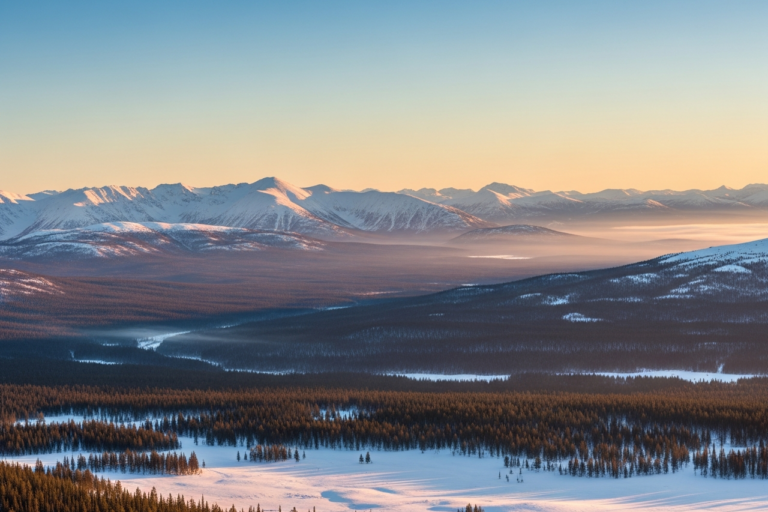
Russia has a mainly continental climate. There are warm to hot summers, and winters can be very cold with lots of snow.
-
The country covers many climate zones. It goes from a polar climate up in the Arctic, to a humid subtropical climate in spots like Sochi.
-
Big cities like Moscow get large shifts in the seasons. Summer is usually warm, but sometimes there are torrential downpours. In winter, there is snow and cold.
-
Forecasts for Russia are not always the same. This is because the country is so big and weather can be very different from one place to another.
-
Seasonal changes can have an effect on many things, such as the length of time from sunrise to sunset. This is easy to see, especially in the northern cities.
Introduction
When people think about the weather in Russia, they often picture snow and cold. But there is much more to it. Russia covers land in two continents, so the climate there changes a lot. Towns like Moscow do get cold in the winter. Still, they also see good sunshine in the summer.
The size of Russia is huge. Because of this, some places are icy while others can be nearly warm like places near the ocean. If you want to know about the weather in Russia, you have to think about many things. Air quality and humidity also matter a lot when we talk about the weather in this large country.
Climate Zones and Weather Patterns Across Russia
Russia is a huge country, and this makes the weather change a lot in different places. The main climate in Russia is called continental. That means there are big changes in the temperatures from summer to winter. But that’s not everything you need to know. In the north, you will see the arctic tundra. In the south, by the Black Sea, it is more like a humid subtropical climate. There is a lot of variety in the weather patterns across the country.
Most of European Russia, like Moscow, has a humid continental climate. Summers there can be warm, and you often get partial sunshine. Winters are cold. Many areas are far from the sea. This, along with mountain ranges, affects the local humidity and air quality a lot. This also changes what the weather is like from one place to the next. Let’s look at these places and find out more about their different weather and what makes them unique.
Main Climate Regions from West to East
Starting in the west, there is the city of Kaliningrad on the Baltic Sea. The area has an oceanic climate. Winters are mild and summers stay cool here when you compare it with the rest of Russia. This place gets weather from the Atlantic, and that helps keep its temperature steady all year.
As you go east to the middle of Russia, you find cities like Moscow. This part of Russia has a humid continental climate. The people here see warm summers and winters that are cold with snow. If you travel deeper into Siberia, cities like Krasnoyarsk and Chita get much colder. They have a subarctic climate. The winters are very harsh, but summers are not as bad, although they do not last long.
In the Russian Far East, cities such as Vladivostok see a humid continental climate too, but it is influenced by monsoon winds. This makes winters dry and cold, while summers are warm and damp. There are good sites like AccuWeather. These places give you accurate forecasts for all of these areas. This shows how the weather can change a lot from one part of Russia to another.
Seasonal Weather Changes and Temperature Extremes
Russia is known for the big changes each season brings. The weather can be very different in winter and summer. Russia’s summers are warm or very hot. But in most parts, winters are not just cold—they are very cold.
When the seasons change, there is a clear shift. In much of Russia, you get almost all the winter precipitation as snow. In summer, it rains a lot, and sometimes this means heavy rain, like torrential downpours. Wind speed is higher in winter. The wind can be harsh and biting during this time.
Because of these big shifts, Russia sees some of the biggest temperature changes on Earth.
-
Winter: In the Sakha Republic, it has gotten as low as -67.8°C (-90.0°F). That is among the coldest temperatures in the world.
-
Summer: In the Kalmykia Republic, it has reached up to 45.4°C (113.7°F) in summer. This is a huge difference from the winter.
Russia’s winter and summer both show how wind speed and torrential downpours, together with the temperature changes, make things very different at different times of year.
Weather in Major Russian Cities
The weather you get in Russia often changes based on where you go. You might visit the Black Sea city of Sochi and feel very different than if you travel to Novosibirsk in Siberia. With the country’s huge size, the climate is not the same across major cities.
For instance, places in European Russia, like Moscow, Samara, and Chelyabinsk, all have a climate with four clear seasons. But Khabarovsk, which is in the Far East, gets wet weather that feels a lot like a monsoon. Sochi is not like the others—it has a warm, wet climate and winters there are much easier. Let’s take a look at what the weather is usually like all year in some of these main cities.
Typical Year-Round Weather in Moscow, Saint Petersburg, and Siberia
In Moscow, the weather changes dramatically throughout the year. Winters are long and cold, with average daily temperatures well below freezing. Summers are warm and bring more sunshine, with average temperatures around 19°C (66°F). Humidity levels are highest in the winter and fall. For a 10-day forecast for Moscow, checking a reliable weather service is best, as conditions can change.
Saint Petersburg, being coastal, has a slightly more moderate climate than Moscow but is known for being damp and cloudy. It experiences cool summers and cold, though not as severe, winters. Siberia, a vast region, is famous for its extreme cold. Cities here have some of the coldest winters on Earth but can experience surprisingly warm, short summers. Air quality can vary in these urban centers based on industrial activity and weather patterns.
Here is a comparison of average temperatures:
|
City |
Average January Temperature (°C) |
Average July Temperature (°C) |
|---|---|---|
|
Moscow |
-6.2 |
19.7 |
|
Saint Petersburg |
-4.8 |
19.1 |
|
Irkutsk (Siberia) |
-17.6 |
19.0 |
Differences in Winter and Summer Conditions Across Cities
The change between winter and summer in Russia is big. This is clear when you look at different cities. A summer day in the south of Russia is very different from a winter day in the north.
For example, Murmansk is a city that sits above the Arctic Circle. In winter, Murmansk has what is called a polar night, so the sun does not rise, and it stays dark for a long time. It gets very cold, too. In the summer, Murmansk gets a polar day, so the sun does not go down at all, giving 24 hours of daylight. Sochi, a city down in the south, is nothing like this. Its winters are not very cold, and it usually rains. In the summer, it is hot and sunny. That is why many people like to visit Sochi when they want to relax by the beach.
You can see how different the weather can be in these cities:
-
Murmansk: Has long, dark winters with polar nights, and summers where the sun almost never goes down.
-
Sochi: Winters are mild and not often cold enough to freeze, while summers are hot and good for the beach.
-
Omsk (Siberia): The winters can get very cold here, but the summers do warm up a lot. It gets both very cold and very hot, depending on the season.
-
On a day in June, you could see cold and rainy
Frequently Asked Questions (FAQ)
Are you curious about the weather in different parts of Russia? Many people wonder how the climate is not the same in cities like Moscow, Vladivostok, and Sochi. In the summer, you may get partial sunshine and warm afternoons. But, in winter, there can be torrential downpours or lots of snow in some spots. If you want to plan what to do, you should check forecasts from AccuWeather. This matters a lot for sensitive groups who watch things like humidity and wind speed. Keep in mind, the weather can change fast from day to day!
What are typical winter temperatures in Russia?
Winter weather in Russia is not the same everywhere. In European cities like Moscow and Kazan, you will often see average temperatures between -10°C and -5°C (14°F to 23°F). In Siberia, it can get much colder. Sometimes, the cold goes below -30°C (-22°F). When there is high humidity, cold air can feel even worse. Air quality in these places can also go down when there are temperature inversions.
When is the best time to visit Russia for good weather?
The best time to go to Russia for good weather is in summer. June and July are the top months. In these months, you will see the most sunshine and warm days in many places, even Vladivostok. The days are nice, often with partial sunshine. This is a good time for sightseeing or enjoying the outdoors.
Does Russia experience a lot of snowfall and how long does it last?
Most places in Russia get a lot of snow during winter. There is snow in big cities like Moscow, and you will see it from November to April. In Siberia, cities like Irkutsk and Chita get even more snow. The snow lasts longer there, and it is often heavier, too. In the summer, there is still some rain. Sometimes it comes as heavy showers or torrential downpours.
Conclusion
Knowing the climate in Russia is important for anyone who wants to travel in this big and different country. Russia has many climate zones, and the weather changes from season to season. Each part of the country gives people special things to see and do. You might want to go to big cities like Moscow or Saint Petersburg, or you might want to visit the wild places of Siberia. No matter where you go, if you know about the usual weather, it can make your trip better. You will see cold winters with lots of snow, and there are also mild summers that are great for outdoor fun. The weather in Russia is as different as its people and ways of life. Think about all of this before you start your trip. If you want more tips or details to help with your travel plans, feel free to ask!



