

Key Highlights
-
Peru’s weather is very different in each area. There are three main parts: the coastal region, the mountain highlands, and the Amazon rainforest.
-
The country has two main seasons. There is a rainy season and a dry season, and they start at different times in each part of Peru.
-
The coastal region, where Lima is, is a warm desert. It has mild temperatures and gets little rain during the year.
-
The Andean highlands are dry from April to October, and this is the best time if you want to go trekking.
-
The Amazon rainforest is always hot and wet. There is a wet season in the rainforest, and it brings heavy rainfall.
-
You need to know about these changes in Peru’s weather to pick the best time for your trip.
Introduction
Are you getting ready to visit Peru, the home of the Incas? It is important to know about the weather to have a good trip. Peru sits in South America and has many different places to see. The weather patterns can change a lot based on the time of year and the regions of the country you go to. You can find the dry coast next to the Pacific Ocean, tall Andes mountains, and the green Amazon jungle. Peru’s weather changes in each spot, just like its people and ways of life. This guide shows what to look for, so you can pack well and enjoy your time in Peru.
Understanding Peru’s Climate Zones
Peru sits in South America and has big differences in its land. There are three main climate zones in Peru. When you travel, the weather you get depends on where you go. You might visit the coast, climb in the Andes Mountains, or walk in the Amazon Basin. Each of these regions of the country gives its own type of climate.
Because the land changes so much, you see many climates. Peru has a subtropical desert climate, a temperate climate, and a tropical climate. The coast has one kind of weather, the mountains have another, and the rainforest is different too. Knowing this can help you get ready for your trip.
Coastal Region: Characteristics and Weather Patterns
The coastal region of Peru is where you will find Lima, the country’s capital. This part of the country is actually a desert. The area has a subtropical desert climate. That means there is very little rain here all year. If you check a weather forecast for Lima, most days will show less than a 5% chance of any rain.
The Peruvian coast stands out because of the cold Humboldt Current. This current moves north from the south and flows along the Pacific Ocean. It keeps the air cooler. It also brings a long-lasting fog and lots of low cloud, mostly during the winter from June to September. Even though there is almost no rain, humidity stays very high. It often goes above 80%.
People can expect mild temperatures most of the time on the Peruvian coast. The summer, which is from December to April, brings more sun and warmer days. Highs can reach around 26°C (79°F). In the winter months, the coast can be cooler and have more clouds, but the weather is still very mild.
Andean Highlands: Distinctive Seasonal Shifts
When you travel in the Andean highlands, which people also call the Sierra, the weather has two main seasons. These are the dry season and the rainy season. As you go up in altitude to the Andean plateau, you will notice that the weather and temperature can change a lot.
The dry season is from April to October. In these months, you get clear and sunny days. At night, it can get very cold. This time is usually the best for trekking and seeing sites like the Sacred Valley. You will have many days with bright sunshine. But when the sun sets, you should be ready for cold temperatures.
The rainy season is from November to March. In these months, rain usually starts in the afternoon. The skies have more clouds, but nights can feel a bit warmer. The land in the highlands gets fresh and green, but the rain may change your travel plans, especially in this sierra region.
Amazon Rainforest: Humidity and Rainfall Overview
The Amazon rainforest in Peru is like a place all its own. It has a hot and humid climate all year. The humidity is always high, often more than 80%. This makes the air thick and really damp. The amazon rainforest gets a lot of rainfall all year, so it really lives up to the name.
The Amazon Jungle has its own wet season from November to April. During this time, there is heavy rainfall. You will see intense downpours, and the rivers can get big. This is when the rainforest looks the most alive and full.
From May to October, it is the “drier” season. But even in these months, in the amazon basin and in places like Manu National Park, you might still get rain. A sudden shower can always happen, so whenever you go, make sure to bring waterproof gear for your trip into the amazon rainforest.
Weather Seasons in Peru
Peru has two main weather seasons. These are the dry season and the wet season. But, when they happen can change a lot based on where you are in the country. The weather in the Andes and the Amazon is much the same when it comes to seasons. The coast, though, has a very different weather pattern.
Knowing when the rainy season and dry season take place is key for your trip. The time of year you visit will help you get the most out of it. You may get clear, sunny days for trekking, or you might see green views after the rain. Next, let’s look at what these seasons are like in the different areas of Peru.
Dry Season: When and Where It Occurs
The dry season in the Andes and the Amazon is from around April to October. These are the driest months. There is little rain and a lot of sunshine. Many people say this is the best time to visit if you like the outdoors. Most travelers come at this time for walks like the Inca Trail or to see the Sacred Valley.
Weather conditions are good, and you will see clear skies that can give great views of the mountains. Trekking is also safer and more fun now. June, July, and August are the peak months to go.
Key points about the dry season:
-
Andes: There are sunny days, but nights can be cold, even freezing.
-
Amazon: There is not much rainfall, and rivers are lower. This makes some paths easier to get to.
-
Coast/Lima: This is winter for Lima, so it feels cool with gray skies. This is very different from what you see in the highlands.
Wet Season: What to Expect Across Regions
From November to April, the rainy season, also called the wet season, comes in the highlands and rainforest of Peru. At this time of the year, there is a lot of rainfall. The heaviest rains usually come between December and March. Even though this is a wetter season, it does not rain all day. Most days, you can get heavy but short afternoon showers.
If you travel in the rainy season, you will see that there are fewer people and the land is greener and full of life. But you should know the high rainfall can cause problems. Trails can be muddy and hard to walk on. There is also the risk of landslides, and travel can sometimes stop, mostly in the mountains. For example, the Inca Trail is closed every February for repairs because of the wet weather.
What to expect during the rainy season:
-
Andes: Lots of afternoon showers, mountain tops often covered by clouds, and it will be a bit warmer at night.
-
Amazon: Very heavy rains here, with river water getting high, so there is a special chance for boat trips.
-
Coast: It is summer, so you get warm and sunny weather. It’s a good time for people who love the beach.
Month-by-Month Weather Guide for Peru
To really get the feel of Peru’s weather, it helps to look at each month one by one. Both the temperature and the rain can change a lot, depending on the time of the year and where you are in Peru. The weather might be hot and dry in some places, or wet and cool in others. This is true if you are out on the coast, up in the mountains, or someplace else. The season, like the rainy season or dry season, can make a big difference.
This short guide will give you a better idea of how the seasons change, and what you should take with you when you go. Let’s check out the main weather patterns for different parts of Peru, and see what you might get during the year.
Seasonal Variations Throughout the Year
The seasonal variations in Peru are pronounced and directly tied to the different regions of the country. The time of year dramatically affects everything from sunshine hours to rainfall, creating distinct travel experiences depending on when you go. The highlands and Amazon follow a clear dry season (April-October) and rainy season (November-March) pattern.
Conversely, the coast experiences its “summer” during the highlands’ rainy season, with warm and sunny weather. During the highlands’ dry season, the coast is in its “winter,” marked by cooler, overcast conditions. This opposition is a key factor to consider when planning a multi-region trip.
Here is a simple breakdown of what to expect:
|
Season |
Months |
Highlands/Amazon Weather |
Coastal Weather |
|---|---|---|---|
|
Dry Season |
April – October |
Sunny days, cold nights, little rain |
Cool, overcast, misty (garúa) |
|
Wet Season |
November – March |
Afternoon showers, lush landscapes |
Warm, sunny, ideal for beaches |
Key Temperature and Precipitation Changes
Temperature and rainfall are the two most important things that shape the different weather patterns in Peru. In the Andes, the weather can change a lot from day to night. During the dry season, it can be warm and nice during the day. But after the sun goes down, it can drop below freezing. The coast has much smaller temperature changes because of the cold Humboldt Current.
Rainfall shows even bigger changes across the country. The Amazon has a humid climate and can get heavy rainfall any time of year, but rain is even heavier during the wet season. The higher areas of the Andes also get a lot more rain between November and March. The coast, however, gets almost no rain at all for most of the year. Precipitation is usually less than 5%.
Here are some key changes:
-
Precipitation: In the wet season, both the highlands and the Amazon can have a lot of monthly rainfall. The coast, though, stays very dry.
-
Temperature: In the Andes, temperature goes up and down a lot because of the altitude and the time of day. On the coast, temperatures stay pretty much the same all the time.
-
Humidity: The Amazon keeps high humidity all year. The coast also has high humidity, but this does not bring any rain.
Regional Highlights: Weather in Major Peruvian Cities
The weather conditions in Peru can feel very different from one city to the next. When you go from coastal Lima to Cusco in the Andes, you will see a big change in weather because of things like altitude. In Iquitos, deep in the Amazon, the air gets hot and humid. The weather conditions in Arequipa and by Lake Titicaca are also different. Each area has a climate of its own.
It helps to know about these changes before you travel. This will make your trip smoother and more enjoyable. So, let’s look at the weather conditions you might find in some of the most visited places in Peru. We will talk about the capital Lima, the lands of the Inca around Cusco, and the areas near the Amazon and Lake Titicaca.
Lima: Current Trends, Forecasts, and Local Conditions
Lima has weather that is different from other coastal areas. This is because of the cold Humboldt Current. The city gets mild temperatures all year. There is very little rainfall, so when you check the weather, you often see sunny symbols. The chance of rain is low, but that does not tell the whole story.
From April to November, there is a thick fog called “garúa” that covers Lima. During this time, the city can be cool, gray, and damp even though there is no real rain. The humidity is high, between 80% and 98%. This makes the air feel heavy.
The best time to visit Lima for good, sunny weather is from December to April. This is when the sun comes out. The days feel warmer and more comfortable, with highs around 26°C (79°F). This is the best time to enjoy Lima’s many coastal spots.
Cusco and Arequipa: Weather Influences on Travel
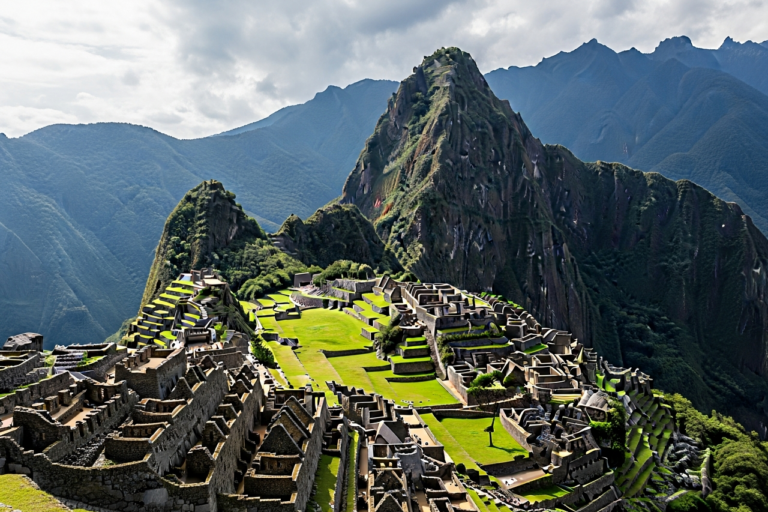
The weather in high places like Cusco and Arequipa can change how you travel. Both of these cities sit in the Andean region, so they have a dry season and a wet season. If you go to places like the Sacred Valley, Machu Picchu, or Rainbow Mountain, you will see that the weather conditions really affect your trip.
The best time to go is in the dry season, which is from April to October. During these months, you get blue skies that are great for photos and hiking. But because of the altitude, nights can get very cold. The rainy season, from November to March, is a wet season, so you will see more green plants. There is also a higher chance of trips being changed or delayed by rain and mud.
How weather can change your travel in the Andean region:
-
Trekking: If you want to hike places like the Inca Trail, the path can be full of mud and slippery in the rainy season. In February, the Inca Trail closes because of too much rain.
-
Sightseeing: Heavy clouds in the wet season can block your view of the big mountains and the old Inca ruins.
-
Accessibility: Heavy rains help cause landslides, so travel by road and train to sites like Machu Picchu can become hard or even stopped.
Be sure to pick the time of year that works best for you and always think about the altitude when you plan your trip to Cus
Conclusion
To sum up, knowing about the weather in Peru is important if you want to plan a good trip. The country is full of different types of weather that you need to know. The coast, the highlands, and the Amazon rainforest all have their own weather patterns. One place could be sunny while another place is cool, or rainy. These weather conditions can change what you can do on your trip.
If you take some time to learn more about the weather seasons for each region, you will be able to get more from your time in Peru. This way, you can pick when and where to go, and your activities will fit the right weather. If you want to know more or need extra help to decide what is best, you can get a free consultation. This will help you make your adventure better and get the most out of everything Peru has to offer, like the Amazon, the rainforest, and the highlands.
Frequently Asked Questions
When is the best time to visit Peru for pleasant weather?
The best time to go to Peru, especially if you want to hike the Inca Trail in the highlands, is during the dry season from April to October. The weather conditions at this time are the best, with clear skies and sunny conditions that make it great to explore the Andes and Amazon.
How does weather affect travel plans and outdoor activities in Peru?
Weather patterns play a big part in how your travel plans go. In the wet season, you can get heavy rains in the Sacred Valley. That can make trails very slippery. You might also see travel delays. It is smart to check the weather before you go out. If you are planning a trek or to visit the mountains, you have to be ready to change your plans.
Where can I check live or up-to-date weather reports for Peru?
For the latest weather conditions, you can check online with trusted sources like AccuWeather or the BBC Weather service. They give you up-to-date updates and a full weather forecast. You can see what the weather will be like for Peru, Lima, Cusco, and other places. This makes it easy to plan your day.



