

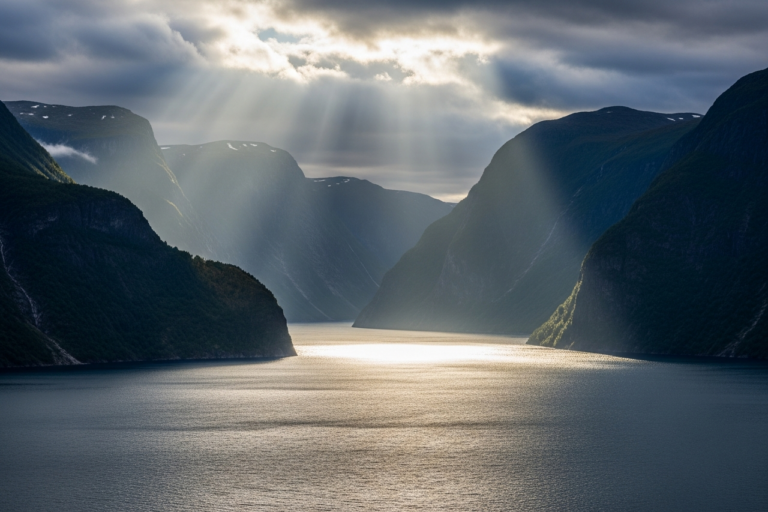
Key Highlights
Here are the key takeaways about the weather in Norway:
-
The climate of Norway is warmer than some people think. This is because the Gulf Stream keeps it mild.
-
Weather conditions in Norway can be very different. The west coast has ocean air, while the inside of the country is more land-based.
-
In the Arctic Circle region, you can see the midnight sun during summer. In the winter, it’s possible to catch the northern lights.
-
Coastal areas get a lot of rain, but places farther in and up north are less wet.
-
Norway goes through four clear seasons. Winters are cold and snowy, but summers are nice and mild.
Introduction
Are you planning a trip to Norway? The weather conditions change often in this country. It can be very different in the fjords than in the cities. Knowing what the weather is like in each part of Norway is important. This will help you pack right and pick the best time to go. Norway is truly a beautiful place. With this guide, you will know what to expect and be ready for your trip. Let’s make sure you are prepared for your time in Norway.
Norway’s Climate Overview
The climate of Norway is more mild than many people think. Even though it is far up north, the weather is not too cold. This is mostly because of the Gulf Stream. The Gulf Stream moves warm water up along the Atlantic coast. Because of this, the weather conditions on Norway’s coast are not as cold as other places at the same spot near the arctic. Some towns that are north of the Arctic Circle do not get ice in their ports during the year.
But Norway is a long country and has lots of mountains. This means the weather does not stay the same everywhere. The climate of Norway can be wet and wild near the west side by the ocean. Inland, it gets more dry and has bigger changes between hot and cold. So, there are many different weather choices for people in Norway. We will talk about these in more detail.
Key Climate Zones in Norway
Norway has a few main climate zones, and each one is different. The coastal areas, especially on the west coast, get an oceanic climate. So, the weather is cool and wet all year. There is a lot of rain and wind that comes from the Atlantic. Winters here are cold but usually stay above freezing.
The interior of Norway is not the same as the coast. It has more of a continental climate. In this area of the country, winters get much colder and there is more snow. Summers feel warmer and softer than by the sea. Mountain ranges block a lot of the wet air, so these places, especially higher up, can have very cold days in winter.
There is also the northernmost region of Norway, which sits above the Arctic Circle. This place mixes subpolar oceanic and arctic climate. Even though the Gulf Stream gives some warmth to the coastal areas, winters in the north are still long and cold. This part of Norway is well known for the midnight sun during summer and for long polar nights when it gets dark in winter.
Weather Patterns by Region
The weather conditions you get in Norway change a lot depending on where you are. The west coast gets a lot of precipitation. Cities like Bergen can be some of the rainiest in Europe. This happens because moist air from the Atlantic hits the high mountains along the coast.
When you go inland, the weather is not the same. The fjords, for example, can each have their own weather. When you travel deeper into a fjord and get away from the open ocean, the weather turns more like what you see in the middle of a country. Winters get colder. Summers will be warmer and have more sun. There is also less precipitation than on the coast with the high mountains.
Here’s a quick look at regional precipitation:
-
West Coast: There is a lot of precipitation, sometimes more than 2,500 mm (98 inches) a year.
-
Inland & Southeast: Precipitation here is moderate, and it’s usually between 800 and 1,000 mm (31.5 to 40 inches).
-
Far North (Lapland): This area is much drier, with less than 500 mm (20 inches) per year.
Seasonal Changes in Norwegian Weather
The climate of Norway has four different seasons. Each one gives you a special reason to come. From June to August, summer is often mild, and many people like to visit during this time. The days are long and bright, more so in northern Norway.
Winter takes place from November to March. It is cold and often dark during these months, but you can enjoy snow and winter sports.
Spring happens in April and May. During these months, Norway starts to wake up as the snow melts and the flowers open. Autumn comes in September and October. During this time, the country turns colorful, but the weather gets colder and there is more rainfall, as Norway gets ready for winter.
We will now talk about the summer and winter seasons in Norway in more detail.
Winter Months: Cold, Snow, and Polar Nights
Winter in Norway turns the country into a snowy place. Starting in December, there is snow over much of the land. This is great for skiing and other winter sports. The weather can be different, though. Coastal areas are usually a bit warmer, but still cold, and can be damp with rain or wet snow. Inland, it gets much colder. In places like Oslo, the temperatures can drop to -25 °C (-13 °F) or even lower in the northern part of the country.
One of the most special things about winter in the arctic and northern part of the country is the polar nights. During this time, the sun stays down for weeks and does not come up over the horizon. Because of this long night, it is possible to see the northern lights, which is one of the best things to view in Norway.
Along the coast, you might see rain mixed with snow. But inside the country, there is regular snowfall. The coldest part of Norway is in Finnmark county, also called Norwegian Lapland. Here, the winter temperatures can get as low as -40 °C (-40 °F). If you plan to go there, make sure you pack warm clothes and wear them in layers to stay safe and comfortable.
Summer Months: Milder Weather and Midnight Sun
Summer in Norway lasts from June to August. This season is much nicer than the cold winter. The days are long, and the weather is mild. It is a good time to get out and enjoy hiking or see the fjords. July is the warmest month, and you will find that the south gets around 21 to 23 °C (70 to 73 °F) during the day.
North of the Arctic Circle, you will see a special thing called the midnight sun. In this part of Norway, from the middle of May until late July, the sun does not go down. There is daylight all day and night. This gives you a lot of time to see and do more in the arctic.
You will still want to get ready for some rain, because summer showers are often seen, most of all along the west coast. The nights can also feel cool. It is smart to take a sweater or a light jacket with you, no matter where you go in Norway.
Comparing Southern and Northern Norway
The size of Norway means the weather is not the same everywhere. There is a big change from the south to the north. In the south of Norway, the weather is milder. Summers are warm and winters are not too cold. The Gulf Stream helps a lot here. It keeps the air on the coast steady and not too hot or cold.
Up in the north of Norway, most of it is inside the arctic circle. The weather up there is different. It has a subarctic feel. Winters last longer and get much colder. The days are much darker too. Summer does not last long, and it is cool instead of warm. This next part will talk more about how the temperature and weather conditions change around Norway, especially between the arctic north and the south.
Temperatures and Precipitation in the South
Southern Norway, including cities like Oslo, Stavanger, and Kristiansand, has the country’s warmest and driest summers. In Oslo, located in a deep fjord in the southeast, summer highs average around 21-23 °C (70-73 °F). This region has a slightly continental climate, so winters are cold with frequent snow, but summers can be pleasantly warm.
The southern coast around Kristiansand is also popular in summer, with locals and tourists alike enjoying the slightly warmer sea temperatures, which can reach 17 °C (63 °F) in August. This area receives substantial rainfall, but less than the west coast.
Here is a look at the average precipitation in some southern cities. As you can see, the west coast city of Stavanger receives more rainfall than the southeastern cities of Oslo and Kristiansand, though all experience significant precipitation throughout the year.
|
City |
Average Annual Precipitation |
|---|---|
|
Oslo |
830 mm (32.7 inches) |
|
Kristiansand |
1330 mm (52.4 inches) |
|
Stavanger |
1310 mm (51.6 inches) |
Arctic Conditions and Variability in the North
The weather in the northern part of the country is shaped by its arctic conditions. It can change a lot in a short time. North of the arctic circle, the winters are long and very cold. The summers here are short and cool. In Tromso, it is common for winter temperatures to stay below freezing. There will often be snow on the ground for many months. The coldest place in winter is inland in Finnmark county, where it can get even colder than -40 °C (-40 °F).
The coast north of the arctic circle stays mild because of the gulf stream. The sea almost never freezes, even when it is cold. Still, the weather can be hard to predict, with strong polar winds, and this is common in winter and spring. You should always be ready for a fast change in the weather.
When summer comes in the arctic, it is short but very pretty. Along the coast, daily July temperatures are around 10.5 °C (51 °F). There is less rain in summer, but showers can still happen. This is when you can see the midnight sun—a rare natural event you only get this far north.
Weather in Major Norwegian Cities
The weather conditions in Norway can be very different in each major city. Oslo is in the southeast, and it has four clear seasons. It is a bit like a place with a true change for each season. Bergen is on the west coast, and it is well known for getting rainfall all year. It sees more rain than other big cities in Norway. If you go north, cities like Tromso and Alesund each have their own weather because they are close to the coast and higher up, near the top of the country.
So, it is smart to know about these city weather differences before you plan your trip. Here, we will see what kind of weather you can get in Oslo and Bergen, the two most popular places for travelers in Norway. If you want the best and most up-to-date weather conditions, visit the Norwegian Meteorological Institute website.
Oslo: Urban Climate Differences
Oslo sits deep in a fjord, so the weather here is not the same as the coastal places. The climate is more like parts of Sweden. People say it is a bit Baltic or a little continental. This gives the city clear changes during the year, and you can feel these changes more than on the west coast. In winter, it gets cold and there is a lot of snow. Most days, the temperature is just below freezing. Some days, cold air can move in from the east and push the temperature down to around -25 °C (-13 °F).
But in summer, things get much nicer. Oslo is the warmest spot in the country at this time. In July and August, there are many good days, with daytime highs from 21 to 23 °C (70-73 °F). So, this is a great time to go outside and see the city or walk in one of its many parks.
The amount of precipitation in Oslo is not very high, and it comes all through the year. Still, there is a little more rain during the summer months, like August, and in the autumn. Spring is a bit drier. Oslo is not as wet as Bergen, but with the way weather works here, it is smart to bring a raincoat or an umbrella, just in case.
Bergen and the Wet West Coast
Bergen is the rainiest city in Europe. There is a good reason for that. The city is on the west coast. Bergen is surrounded by mountains and fjords. This spot gets storms from the Atlantic. There is a lot of rainfall the whole year. The precipitation here comes to about 2,500 millimeters or 98 inches each year.
The weather in Bergen is oceanic. This means the sea keeps the temperatures steady. During winter, it is cool and wet. The temperature usually stays just above freezing. You will often feel a steady, cold drizzle. There is not much snow right by the sea. Inland places get more snow than Bergen.
Summer is cool here, too, and often wet. In July and August, the daytime temperature is around 15–16 °C (59–61 °F). Some days will be sunny, but you should expect rain. When you visit Bergen, pack a strong raincoat and waterproof shoes. This will help you enjoy your time in this beautiful city on the west coast.
Conclusion
To sum up, knowing about the weather in Norway is very important if you plan to visit or want to see what this beautiful place can offer. The weather in Norway changes a lot in different places and at different times of the year. In winter, you can see areas covered in snow. In summer, you may see the amazing midnight sun. If you learn about the weather conditions and how they change in places like Oslo and Bergen, you will be able to plan better and enjoy your trip even more.
Be open to different weather in Norway. Every season brings something special and a new way to have fun or explore something new. When you are ready to plan your great trip, reach out and start your adventure.
Frequently Asked Questions
What is the best time to visit Norway for good weather?
The best time for good weather in Norway is in the summer months, from June to August. You will get the mildest temperatures then. The days are also very long, especially close to midsummer. There can still be some rain, but this is the best time for sightseeing and to be outside all over the country.
How reliable are weather forecasts in Norway?
Weather forecasts in Norway are usually good, but the weather can change fast. This is true on the coast and in the mountains. It’s always smart to check the forecast each day. Be ready for a change in temperature or for precipitation at any time. This kind of weather is normal in northern Europe.
What should I pack for a trip to Norway considering the weather?
For any trip to Norway, it is important to dress in layers. Make sure you pack a jacket that is both waterproof and windproof. Take this kind of jacket no matter the season. In the winter, you will want thermal underwear, a fleece, a down jacket, a hat, and gloves. These are a must for winter sports or if you go to the Arctic Circle. In the summer, you should still bring a sweater for cool evenings.



