

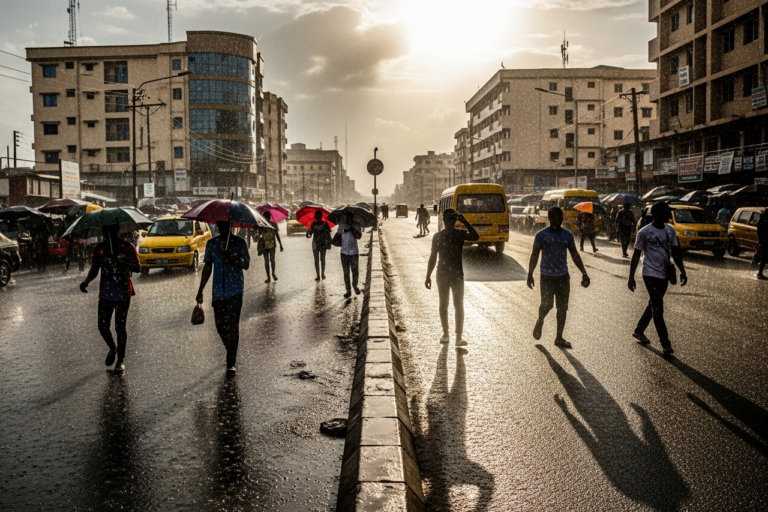
Key Highlights
-
Nigeria has warm weather most of the time because it is close to the equator in Africa.
-
There are three big weather zones in the country. The rain in the south feels like a monsoon, while it gets very dry in the north.
-
Nigeria has two main seasons. There is a long rainy season and a dry season that is easy to tell apart.
-
The rainy season usually starts in April and goes until September. It brings a lot of rainfall and the humidity can be high.
-
The dry season lasts from October to April. During this time, there is not much rain, the air is less humid, and there are dusty harmattan winds.
-
It stays hot during the year in most places, but in the north, the difference between day and night can be big.
Introduction
Are you planning a trip to Nigeria, or do you just want to know about the weather there? Nigeria is in West Africa. It is close to the equator, so the country has a warm, tropical climate most of the time. The weather can change, but you will see high temperatures during the year. This tropical climate gives Nigeria two main seasons. There is a wet, rainy season and a dry season. These seasons affect the way people live, grow food, and spend their days. If you know more about this climate, you will see why Nigeria is such a lively and colorful country.
Main Climatic Zones of Nigeria
Nigeria is a large country, so the climate changes a lot from one part to another. It is found in Africa, close to the equator. Because of this, and the amount of rainfall each area gets, nigeria has three main climate zones. These things make the weather look very different in the south, center, and north.
The amount of precipitation is what really sets these zones apart. In the south, there is a tropical monsoon climate. This means lots of heavy rainfall. The center of nigeria has a tropical savanna climate, with not as much rain. The far north gets even less precipitation, and the climate is much drier with a Sahelian feel. So, let’s look at how these places in nigeria are not the same when it comes to rainfall and weather.
Coastal and Rainforest Regions
The southern coastal and rainforest areas of Nigeria, including big cities like Lagos and Port Harcourt, have a hot and rainy climate. The rain falls a lot in this region. In some parts of the southeast coast, more than 120 inches (3,000 mm) of precipitation falls every year. Even around Lagos in the southwest, there is still a lot of rain. It gets about 70 inches (1,800 mm) of rainfall every year.
With all this rain, the air is very humid most of the time. You will feel it in the air, which stays heavy and wet, and this gets stronger during the rainy season. The humidity always feels high, and it makes the hot weather in Port Harcourt and Lagos feel even hotter.
In this part of Nigeria, the heat does not change much during the year. For example, in Port Harcourt, the hottest average temperatures each month are about 91°F (33°C). The lowest each month is around 68°F (20°C). High rainfall, muggy air, and steady heat come together to shape life in southern Nigeria.
Northern Savanna and Sahel Areas
When you go north, you find that Nigeria has very different weather in the savanna and Sahel areas. There are cities like Kano, Kaduna, and Jos where it is hot and almost dry all year. This part of Nigeria is known for the long dry season and a wet season that is pretty short. You can really see how weather can change by region in Nigeria.
The amount of rainfall here each year is much less than in the south, usually less than 20 inches (500 mm). The dry season comes with the harmattan wind. Wind speed can change from day to day. This wind brings dust and a dry, chilly feeling, especially early in the morning. The temperature during hot months in Nigeria can go way up during the day, often higher than 100°F (38°C) in cities such as Maiduguri.
At night though, it can be cool with air so cold that sometimes you see frost. The big difference in how hot it gets in the day and how cool it gets at night is a big part of the north’s climate. It is much different than the always warm and wet weather in the south of Nigeria.
The Seasons in Nigeria
The tropical climate in Nigeria is easy to understand when you look at the two main seasons. There is the rainy season and there is the dry season. People do not see the four seasons the way they do in a lot of other places. Instead, the weather in Nigeria changes with a lot of rain for a few months and then little or no rain for the other months. This split affects the way people farm, where they go, and what they do every day.
So, how does the climate in Nigeria shift during the year? The change between the rainy season and the dry seasons brings big shifts. There is a lot of change in rainfall, humidity, and the wind too. It is important to know when each season starts and what happens during each. This helps with making a forecast or travel plans. Let’s take a look at what you get from the tropical climate in Nigeria during the dry and the rainy season.
Dry Season Characteristics and Onset
Nigeria’s dry seasons typically begin in October and can last until April. This period is marked by significantly less rainfall, lower humidity, and plenty of sunshine. A key feature of the dry season is the harmattan, a dusty northeast trade wind that blows in, usually between December and January. The wind speed can pick up during this time, carrying fine dust from the Sahara.
During the hottest part of the dry season, from February to April, midday temperatures can climb quite high, sometimes reaching 100°F (38°C). However, the evenings and nights are often cooler, providing a pleasant contrast. The lower humidity makes the heat more bearable compared to the wet season. As the sun sets, the temperature drops, offering comfortable evenings.
Here’s a look at typical temperature ranges during the dry seasons in different parts of Nigeria.
|
Region |
Daytime High Temperature (Dry Season) |
Nighttime Low Temperature (Dry Season) |
|---|---|---|
|
Southern Nigeria |
32°C – 38°C (90°F – 100°F) |
20°C – 23°C (68°F – 73°F) |
|
Northern Nigeria |
35°C – 44°C (95°F – 111°F) |
21°C (70°F) or lower, with occasional frosts |
Wet (Rainy) Season Patterns and Effects
The rainy season in Nigeria usually starts in April and lasts until September. In the south, it can go on until November. This time is very important for farming in the country, as people plant most of their crops during these months. Nigeria gets most of its rain between April and September, with June and September having the most rainfall.
How humid is it during this time? It gets very humid. The rainy season is known for high humidity all through these months. The heat stays around 90°F (32°C) in the south, so the air feels warm and sticky most of the time. In southeastern coastal areas, rainfall can be as much as 130 inches in a year.
The heavy rainfall is important for crops and people. But, it also brings some problems, like flooding, both in the cities and in the countryside. In the south, there is also something called the “August break.” This is when there is a short period with less rain before it starts to rain a lot again in September.
Frequently Asked Questions (FAQ)
Are you curious about the weather in Nigeria? A lot of people want to know more about the tropical climate in places like Port Harcourt, Lagos, and Kano. The Nigerian Meteorological Agency gives important weather updates, like humidity, wind speed, and how much precipitation there will be each year. The rainy season in Nigeria is usually from June to September. In some places like Abuja and Kaduna, you will notice a short dry season. If you need more exact rainfall news, you can use services like AccuWeather or NASA to help you plan any outdoor events.
Are there big differences in the weather across Nigeria’s regions?
Yes, the weather in Nigeria is not the same everywhere. The south, in places like Lagos, is hot and has a lot of rainfall. It also feels humid. Abuja, which is in the center, has a savanna climate. The north, where cities like Kano and Jos are, is much drier and hotter in the day. At night, the weather cools down there.
What is the typical temperature range during Nigeria’s rainy and dry seasons?
During the rainy season, it is often warm and humid in cities like Abuja. The temperature usually stays between 22°C and 30°C. In the dry seasons, the weather can be hotter during the day, sometimes over 35°C. At night, it can get cooler, more so in the north. It is always good to check a local forecast to get the latest temperature numbers.
Where can I find official weather updates or forecasts for Nigeria?
For weather updates in Nigeria, the Nigerian Meteorological Agency is the main source to get information. You can also use international sites like AccuWeather for a detailed forecast. Groups like NASA also share climate data. It can help people see weather patterns over time.
Conclusion
To sum up, knowing about the weather in Nigeria is important for people who live there and for those who visit. The country has many different weather zones and clear seasons, so staying updated can help you enjoy Nigeria even more. The seaside gets a lot of rain, while the north can be hot and dry. Every part of this country has its own weather that shapes how you spend your day and what you can do. Be sure to check local forecasts often, so you can change your plans when you need to. If you keep up with the weather, you will enjoy your time in Nigeria a lot more. If you need more help or have questions about your trip, feel free to ask!



