

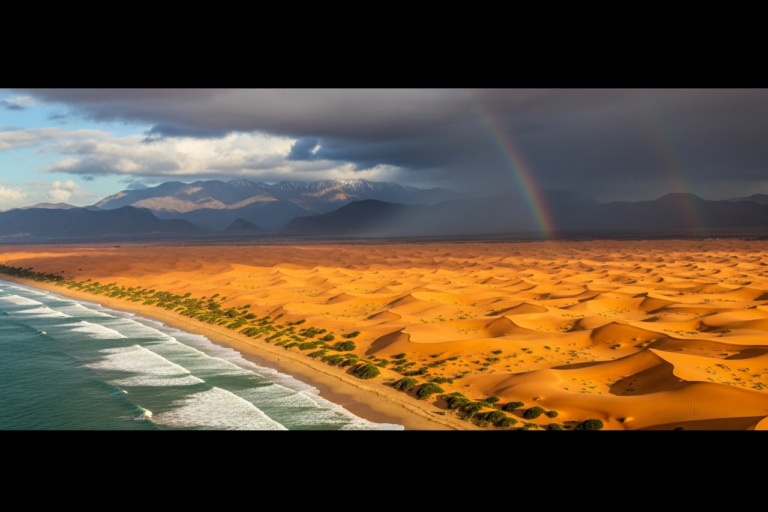
Key Highlights
Here are the key takeaways about Morocco’s weather:
-
Morocco’s weather conditions change a lot based on where you are. The north has a Mediterranean climate. The area near the Sahara has very hot desert weather.
-
The country has four real seasons. Summers are hot and dry. Winters are cooler and have more rain.
-
Places along the Atlantic coast get softer weather all year. The ocean helps keep the air from getting too hot or cold.
-
The Atlas Mountains bring their own weather. You can see snow on these mountains in the winter.
-
The climate in southern Morocco is shaped by the Sahara desert. It gets very hot there, and the air quality is often not good at times.
Introduction
Are you getting ready to visit Morocco? It’s important to know about the weather conditions, because there is more to the weather here than just heat. A lot of people think Morocco is always hot like a desert. But this isn’t true for all parts of the country.
Morocco can feel different depending on where you are and the time of year. You will find snow in the mountains and cool breezes by the coast. The weather changes as you move from one place to another. This guide will help you understand the usual weather forecasts, and what kind of weather conditions you can expect in Morocco. This way, you can plan your trip and know how to pack from the start.
Key Weather Patterns in Morocco
Morocco has many kinds of weather. The north of the country is near the sea. This gives it a Mediterranean climate. You will find warm summers and mild, rainy winters in this area. The weather conditions here are nice for most of the year.
But, if you go inland or to the south, things change. The Sahara desert has a big impact on these places. It can get very hot, especially in summer. It is important to know about these differences when you check the forecasts. This will help you decide what to pack for a trip to Morocco.
Mediterranean Coast vs. Atlantic Coast Climate
While both are coastal, Morocco’s Mediterranean and Atlantic coasts have distinct climates. The northern coast around Tangier experiences a true Mediterranean climate. This means hot summers and damp, but mild winters. Coastal winds help to moderate the heat, and while precipitation is higher here than in other parts of North Africa, July and August are virtually rain-free.
Further down the coast, cities like Casablanca on the Atlantic have a sub-Mediterranean climate, surprisingly similar to Los Angeles. The cool Canary Current from the Atlantic keeps temperatures moderate throughout the year. Is Morocco generally a hot or cold country? It depends on where you are. Coastal cities don’t usually see temperatures above 86°F, while inland areas can be much hotter.
|
Coastal City |
Climate Type |
Key Features |
|---|---|---|
|
Tangier |
Mediterranean |
Hot summers, mild wet winters, coastal winds |
|
Casablanca |
Oceanic Sub-Mediterranean |
Milder year-round temperatures, less extreme heat |
Effects of the Sahara Desert on Southern Morocco
The large Sahara desert has a big effect on the weather in the south of Morocco. The area is known for being dry. In the summer, it often gets hotter than 104°F. The heat is strong and the air is dry, with very little humidity. If you are not used to this, the change can be tough.
Hot gusts of wind can blow in from the Sahara. They can bring sand and dust with them. This can change the air quality. It might get hazy and be hard to breathe, especially for people with breathing problems. The desert’s reach can go up to the southern edge of the High Atlas Mountains. Here, the climates of the mountains and the desert come together.
Most of the south part of Morocco is dry. There is a rainy season in Morocco, but the rain mostly falls in the north and center. Rainfall usually happens from November to March. It is most common on the coastal plains and the Atlas Mountains. Still, the Sahara stays dry almost all year.
Seasonal Changes Across Morocco
The weather in Morocco goes through the four seasons that you see in many other places, but it always has its own special touch. The time of year you pick for your trip can really change how you feel about the country. In the summer, there are long sunny days with almost no rainfall. In the winter, things cool down and get wetter, mostly in the north and in the mountain areas.
Spring and autumn are the middle options. These two shoulder seasons offer warm and mild weather that many people like. Because of the Atlantic, the weather on the coast stays mostly calm, but when you leave the coast, the swings in weather from season to season get stronger. Now, let’s see what each season in Morocco gives us.
Distinct Seasons: Winter, Spring, Summer, and Fall
The weather in Morocco changes a lot through the year. Each season shows a different part of the country. In winter, which goes from December to February, it gets cooler. There can be rain and the air may feel wet and damp. In the High Atlas Mountains, you will even see snow. Along the coast, it is more mild, but it gets pretty cold further inland and higher up.
Spring, from March to May, and autumn, from September to November, are thought to be the best times to visit Morocco. The weather is warm but not too hot. These months are great for being outside in the cities or hiking in the Atlas Mountains. You get lots of sunshine and the air feels just right.
When summer hits in Morocco, the weather heats up a lot, mostly from June to August.
-
Coastal Areas: These places feel cooler. Highs are often in the low 80s°F.
-
Inland Cities: In cities like Marrakech, it can get very hot. Temperatures can go to 98°F and sometimes even higher. July is the month with the most sunshine, with close to 11 hours each day.
The Rainy Season Explained
Yes, Morocco has a rainy season, and this is from November to March. But the amount of rain can be different in each area. There will not be rain all the time. The rain often comes and goes, but this is the part of the year when Morocco gets most of its yearly rainfall.
The northern and coastal parts, along with the Atlas Mountains, see the most rain at this time. Cities like Tangier often get more rain than many other places in North Africa. On the other hand, summer months such as July and August usually have almost no rain in these areas.
If you are looking at forecasts for a trip in the winter, you should get ready for some wet days, especially if you will be in the north or in the Atlas Mountains. The southern desert still stays dry, and it does not get much precipitation, even in the rainy season in Morocco.
Conclusion
Knowing the weather in Morocco is important if you want to have a good trip. The country has many types of weather, from the warm Mediterranean to the dry Sahara. Each time of year brings something different to see and do. You might enjoy the bright colors of spring or the calm beauty of winter. It helps to know what weather to expect, so you can have a better time.
When you get ready to visit Morocco, think about how the weather changes from place to place. This way, you can enjoy your trip even more. If you want to see Morocco and want help planning, you can ask for a free consultation!
Frequently Asked Questions
What is the best time of year to visit Morocco for good weather?
The best time of year to visit Morocco is from March to May, and then from September to November. In these months, the weather conditions are warm and nice. There is a lot of sunshine, but it’s not as hot as in the summer. This makes it a good time to see all parts of the country.
How humid does it get in Morocco during summer?
In the summer, the humidity in Morocco changes depending on where you are. If you are in a coastal area, the air can be a bit damp because of the ocean. The heat in these places is not as strong. If you go to an inland city like Marrakech, the humidity becomes really low. This makes the heat dry. The dry air, mixed with desert winds, can affect air quality in these areas.
Are there regions with different weather from Marrakech?
Yes, there are areas with weather that is not like Marrakech. The coast has Casablanca. This city usually gets mild weather conditions because the Atlantic is close by. In the atlas mountains, you will see cooler air and even snow during winter. Up north, cities such as Tangier enjoy a mediterranean climate. It is not hot and dry like it is in Marrakech.



