

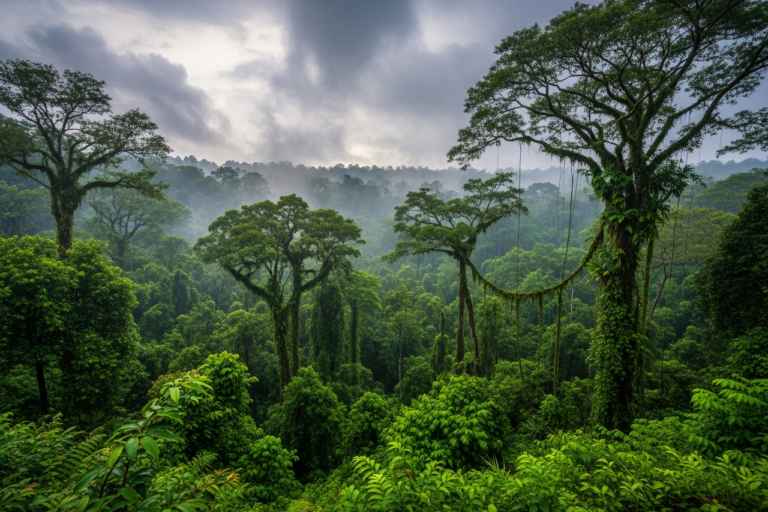
Key Highlights
-
Indonesia has a tropical climate with a rainy season and a dry season.
-
The dry season starts in April and goes to October. This is usually the best time for travel.
-
The weather is hot and humid all year. Coastal areas often stay between 72°F and 90°F.
-
The wet season is from November to March. It brings much rainfall and more humidity.
-
If you want to visit national parks or hike volcanoes, try to go in the dry season. This time gives better conditions and easier access.
-
The best time to visit Indonesia is the dry season. You will get sunny days and little rain.
Introduction
Are you planning to visit the beautiful archipelago of Indonesia? To have a great trip, it helps to know about the weather before you go. Indonesia has a tropical climate. That means you will find hot and humid weather in the country during all months of the year. There are two main seasons here. One has a lot of rainfall, while the other is much drier.
This guide gives you an idea of what the weather will be like. It can help you pick the best time for your trip to Indonesia. No matter if you want to visit the beaches, see the jungles, or explore the volcanoes, knowing this will help you enjoy your time more.
Understanding Indonesia’s Climate Zones
Indonesia is a big country. Because of this, the weather is not the same on every island. The country is made up of many islands, and it sits right on the equator. This spot on the planet gives Indonesia special monsoonal patterns. These patterns change the rainfall and temperature in each area. Some places in Indonesia get rain all year. Others have a clear wet season and a dry season.
These changes in the weather are important when you plan for things to do. For example, the weather in Sumatra might not be like the weather in Bali, even on the same day. This is why it helps to understand how the equator and monsoonal patterns help shape the different types of weather across Indonesia.
Equatorial Climate Patterns and Regional Variations
Because the equator cuts across islands such as Sumatra, the weather in that area can change a lot. For example, the north of Sumatra is more tropical. It gets rain all year. But the south of Sumatra has a more distinct wet season.
When you go to higher elevations, the weather is not the same. Places like the Minangkabau Highlands and Padang Highlands in Sumatra or Mt. Bromo in Java are usually much cooler than the coast. This can feel good when you want to get away from the heat.
The province of Nusa Tenggara, which has Lombok, Flores, and Sumba, also has its own wet season and weather pattern. This area and Bali each have their own climate profile. That means people come at different times in the year to do different things. All of this shows the great range of weather you can find in Indonesia.
How the Monsoon Shapes Indonesia’s Weather
The monsoon is the main reason for Indonesia’s weather. It brings clear wet and dry seasons. These monsoonal patterns show when and where the most rainfall will happen. During the wet season, it does not always rain all day.
Most of the time, you get heavy afternoon downpours instead. These can be strong and sometimes come with thunderstorms. The wettest weather usually happens from December to January. Some areas do get more rainfall than others. For example, the west side of Java sees more precipitation during the rainy season.
It is good to know about these patterns. If you want to do outdoor things, the change in seasons matters. Rainy season is important for people who like trekking or diving because it can change water clarity and trail conditions.
Seasonal Changes Throughout the Year
Indonesia’s weather has two main parts in the year: the wet season and the dry season. The temperature stays warm all year, but the big thing that changes is the rain and how humid it is. If you know what to expect for both the dry season and the wet season, you can pack better and know what to include in your plans.
When the weather shifts from one season to the other, it changes a lot of things. It can change the way you travel in Indonesia and the things you can do. Below, you will see what the dry season and wet season are like. You can also see how much rainfall and humidity there are during those times.
Weather During the Dry Season (April to October)
The dry season in Indonesia usually starts in April and ends in October. This is often the best time to visit Indonesia. You will see sunny weather, there is less humidity, and rain is not common. These things help make the conditions ideal for outdoor fun. June through September is when the weather often feels the best.
This is a good time to go hiking on volcanoes or cycling around rice paddies. You can also explore Komodo National Park. If you like being in the water, you will enjoy places like the Gili Islands even more. During the dry season, the water visibility is very good, so diving and snorkeling can be great.
There are other reasons why the dry season can be the best time to travel. The air quality is better, and there are not as many mosquitoes. Your visit will feel more comfortable, whether you want to relax on the beach or walk in the jungle.
What to Expect in the Wet Season (November to March)
The wet season in Indonesia lasts from November to March. The weather changes a lot during this time. There will be high humidity and rain happens often. December and January are the months with the most rain. Most of the rainfall comes in heavy, short bursts, often with a loud thunderstorm in the afternoon.
The land gets very green and full of life, but the wettest weather can make travel hard. Floods may happen and it can be tough to get around in some national parks. If you go into the jungle, get ready to handle leeches and mosquitoes.
People who want to go diving or snorkeling should know the monsoon season can lower water visibility. This means it is harder to see under the water. Even though there is rain, the wet season shows a new side to Indonesia. Just be sure to be ready for the weather and plan what you will do to make the most out of your time.
Conclusion
To sum up, it helps to understand the weather in Indonesia before you plan a trip there. The country has more than one climate zone and the weather can change with each season. If you know when to expect sun or rain, you can enjoy your time in Indonesia even more. The dry season is lively and full of good days, while the wet season brings fresh rain and a new look to everything. Each part of the year has its own way for you to get out and have fun.
If you keep up with when the dry season or wet season is happening, you will find the best time to go. Indonesia has a lot to show you, so the more you know about its weather, the better your visit will be. If you want to learn more or need help setting up your trip, feel free to ask.
Frequently Asked Questions
When is the best time to visit Indonesia for ideal weather?
The best time to go to Indonesia is the dry season, from April to October. These months have lots of sun, less humidity, and not much rain. This is good for visiting places like Komodo National Park or spending time on the Gili Islands. You will find the weather nice if you want to see Indonesia at its best.
Are there any extreme weather events to be aware of in Indonesia?
Yes, during the wet season in Indonesia, which is from November to March, there can be a lot of heavy rain. The monsoon brings thunderstorms and sometimes it rains hard for a long time. This can make some places flood. Also, Indonesia is in an area called the Ring of Fire. So, volcanoes in the region are always something travelers should know about.
How reliable are weather forecasts in Indonesia?
Weather forecasts in Indonesia are usually good for short-term plans, mostly in big cities like Jakarta. But the tropical climate there can make the weather hard to guess, with rain showing up quickly. You can use AccuWeather for the latest info on air quality, temperature, and how likely it is to rain where you are.



