

Key Highlights
-
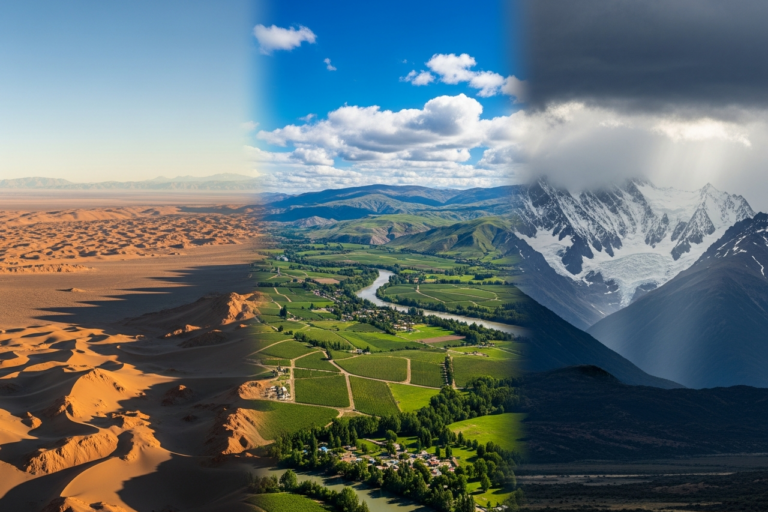
Chile’s climate has many types. There is the dry Atacama Desert in the north and wet, windy weather in Southern Chile.
-
Central Chile has a Mediterranean climate. You will get warm and dry summers, but the winter months are mild and wet.
-
The Atacama Desert is the driest place on Earth. You see very little rainfall here, and the average monthly temperatures are not too hot or too cold.
-
In Patagonia, there are strong winds and a lot of precipitation. It is good to wear layered clothes if you go to this area.
-
The best time to visit Chile changes with the region. For most places, spring and summer months are good for pleasant weather.
-
To plan your trip well, it helps to know about chile’s climate. Look at the rainfall, precipitation, and temperatures in each region before you go.
Introduction
Welcome to Chile. This country is known for being very long and full of different places. It stretches over 2,700 miles on the west side of South America. You can find many kinds of weather here. This is because Chile has so many shapes in its land, from the dry desert to the cold glaciers. Chile is in the Southern Hemisphere, so the seasons here are not the same as North America or Europe. Knowing what weather to expect is important. It helps you plan your trip to this long, narrow nation.
Understanding Chile’s Unique Climate Zones
Chile is a very long country, so it has many kinds of weather. In Northern Chile, there is the world’s driest desert. In Central Chile, you get a Mediterranean climate that is mild and comfortable. In Southern Chile, it is cool and rainy. Because of this, the weather can change a lot across the country.
How does the weather in Chile change from place to place? The country has three main zones. There is the dry north, the temperate center, and the cold, wet south. Each of these parts has its own weather all year. This even affects how the land looks and how people live. Let’s see what is special about each region’s weather in Chile.
Northern Chile and the Atacama Desert Conditions
Northern Chile is where you will find the amazing Atacama Desert. It is famous for being the driest place on Earth. Some areas of the Atacama, which sits next to Peru and Bolivia, have not had much rainfall for many years. The air here has very little precipitation and the humidity stays low. This is why you get such clear skies, which are great for stargazing.
Even though the Atacama Desert is in a desert, it feels cool most of the time. The cold Humboldt Current moves along the coast and helps keep average monthly temperatures not too hot. During the day, it gets up to about 75°F (24°C), but at night it can get much colder, sometimes near freezing.
While you will almost never see heavy rain in the Atacama Desert, people do face sudden sandstorms. These can be a problem when they happen. If you visit Northern Chile and places like the Atacama, be sure to take warm clothes, sunscreen, and something to protect your eyes. That way, you can enjoy your time there and stay safe.
Central Chile and the Mediterranean Climate
Central Chile is the heart of the country and is known for its pleasant Mediterranean climate. This area has the capital city, Santiago, and the wide Central Valley. The weather here is warm and dry in the summers and cool and wet in the winters. All of this will make you feel like you are in Southern Europe.
If you come in the summer, around December to February, you will get a lot of sunshine and not much rainfall. The days in Santiago get hot, sometimes into the 90s (°F). Nights are still cool, so it is easier to rest after the heat. This is a good time to go out, have fun in the city, and visit the vineyards the region is famous for.
Winter is different. Central Chile gets more rainfall and the temperature goes down. Winters are not too hard, but you will see more rain and cooler days. The change from dry summers to rainy winters is what gives the Central Valley those green views you notice.
Central Chile’s Mediterranean climate gives you something nice in every season, and the mix of dry summers and wet winters makes this part of Chile special.
Southern Chile, Patagonia, and Tierra del Fuego Weather
Traveling in southern Chile brings you to the wild places of Patagonia and Tierra del Fuego. The weather in this part of the country is known to change fast, and can be rough at times. You get a lot of rainfall and strong winds here, with more wind as you go closer to the Strait of Magellan.
This part of the world stays cool and wet most of the year. Even when it is summer, there can still be sudden storms and many cloudy days. The land here is shaped by all this rain and wind, with lot of glaciers, green forests, and big, rocky mountains such as the ones in Torres del Paine.
You will see that winds in Patagonia are really strong. In the summer, they blow up to 75 miles an hour. Winters in southern Chile are colder, they are more quiet, but have a lot of snow. When you go to this part of the world, it is a good idea to bring clothes that are layered and keep you dry. It will help you enjoy your time in southern Chile, no matter what the weather brings.
Seasonal Weather Patterns Across Chile
Chile has many kinds of weather because of its different landscapes. During the summer season, from December to February, it is hot and dry in central Chile. At this time, Patagonia gets a lot of wind, but it is easier for people to visit. This is when most tourists go to many places in Chile.
Things change in the winter months, from June to August. The central and southern parts of the country get more rainfall and the average monthly temperatures go down. This means the things you need to pack will be different depending on when and where you want to go in Chile. Let’s look at how the temperature and precipitation patterns change through the year.
Average Temperatures by Season
The average temperatures in Chile vary significantly by season and region. During the summer season, Central Chile, including Santiago, experiences hot days with highs around 85°F (29°C). Meanwhile, the Atacama Desert remains temperate, and southern cities like Punta Arenas are milder, with highs near 57°F (14°C).
In the winter months, the roles reverse. Santiago cools down with highs around 57°F (14°C), and the nights can be chilly. Punta Arenas becomes much colder, with daytime temperatures struggling to get above freezing. The Atacama Desert, however, maintains its moderate climate, though nights become significantly colder.
To give you a clearer picture, here are the average high/low temperatures (°F) for select locations during the peak of summer (January) and winter (July).
|
City |
January (Summer) High/Low |
July (Winter) High/Low |
|---|---|---|
|
Santiago |
85°F / 54°F |
57°F / 37°F |
|
Antofagasta (North) |
73°F / 64°F |
62°F / 53°F |
|
Punta Arenas (South) |
57°F / 45°F |
38°F / 31°F |
Humidity Levels and Precipitation by Region
Just like temperature, humidity and rainfall in Chile are not the same in every place. What you get depends on where you are in this long country.
In northern Chile, especially in the Atacama Desert, there is almost no rainfall. The Atacama is the driest desert in the world outside the polar areas. Some weather stations in this area have never seen any rain at all. There is also very little humidity here, and that helps keep the air very dry.
As you move to central Chile, the weather is different. You get a clear difference between wet and dry times of the year. Summers here are dry, but in winter you get some moderate rainfall. The climate keeps changing as you travel more south. The Lake District and Patagonia usually have a lot of rainfall and higher humidity all year.
-
Northern Chile (Atacama Desert): Very close to zero rainfall with very low humidity.
-
Central Chile (Santiago): Dry summers with about 0 inches of rain during January and wetter winters with around 3 inches of rain in July.
-
Southern Chile (Puerto Montt): Rain can be high all year, with about 4 inches in January and 10 inches in July.
-
Patagonia (Punta Arenas): Gets steady, moderate rainfall across the whole year.
Planning Your Trip: Best Times to Visit Chile
The best time to visit Chile depends on what you want to see and do. Most people say that the peak season is during the summer season, from December to February. The weather in Chile is warm at this time and the days are nice for many outdoor fun things.
But you can also choose to visit in the spring, from September to November, or in the fall, from March to May. These months are a good way to see less crowds and find better prices. The views in central Chile and the lake district are also very pretty then.
If you travel to Chile in the winter months, you can go skiing in the Andes. But going to the far south in this time can be hard.
Outdoor Activities and Ideal Travel Months
Chile is a great place for people who love the outdoors. The best time to visit depends on what you want to do on your trip. You can go on small ship cruises, take a trek in national parks, or just relax in the sun. There is a best season for each of these activities.
The peak season is from December to February. This is the best time for hiking and camping in southern Chile, especially in Torres del Paine. The weather is most steady, and the days are long. It is a good time to visit Easter Island, too. Remember, this is when there are the most people and prices are high. If you want to do things in the Lake District close to Puerto Montt, this summer time is perfect. It is warm and dry then.
You can also pick the shoulder months if you want to skip the crowds. Spring, which goes from September to November, has blooming flowers everywhere. Fall, from March to May, brings bright autumn colors. The weather in Chile lets you do outside things in any season if you plan for the area where you will be.
-
Trekking in Patagonia: December to March
-
Exploring Santiago & Central Valley: September to November and March to May
-
Stargazing in Atacama: All year, but May to September gives the clearest view of the sky.
-
Skiing in the Andes: June to August
Conclusion
Chile has many types of weather for people who like to travel. The north is where you find the Atacama Desert. It is dry there. In the south, Patagonia is green and has a lot of rain. If you know about these weather differences, you can plan a good trip. The time of year can change what you see and do, so it’s good to know the best months for outdoor fun in Chile. Make sure you think about humidity and precipitation when you pack your things. If you want to see beautiful places and enjoy the lively culture in Chile, go ahead and book your trip. Get ready for the weather that is waiting for you!
Frequently Asked Questions
How does the weather differ between Santiago and Valparaíso?
Santiago and Valparaíso both sit in central Chile. They are not too far from each other, but their weather is not the same. Santiago is in an inland valley. The summers get hotter there. Winters can be colder in Santiago as well.
Valparaíso is on the Pacific coast. Because it is close to the ocean, the air stays milder through the year. There is more humidity. The changes in temperature are less extreme. The climate in Valparaíso does not swing much. The ocean helps to make these good conditions happen.
Does Chile experience extreme weather events?
Yes, Chile gets some extreme weather. The Atacama Desert is always dry and does not get rain. Southern Chile and Patagonia get plenty of rainfall and strong winds. In places like the Strait of Magellan, the wind speed can be as strong as a hurricane. This happens a lot in the summer.
Is the weather suitable for year-round travel in Chile?
The best time to visit Chile depends on where you want to go and what you want to do outside. Many people say the peak season is in the summer. You can go to Patagonia and trek there. If you visit in the winter, you can ski in the Andes. You can stargaze in the Atacama at any time of year. With some planning, Chile has something for everyone all year round.



